

Clear Crystal Bowl
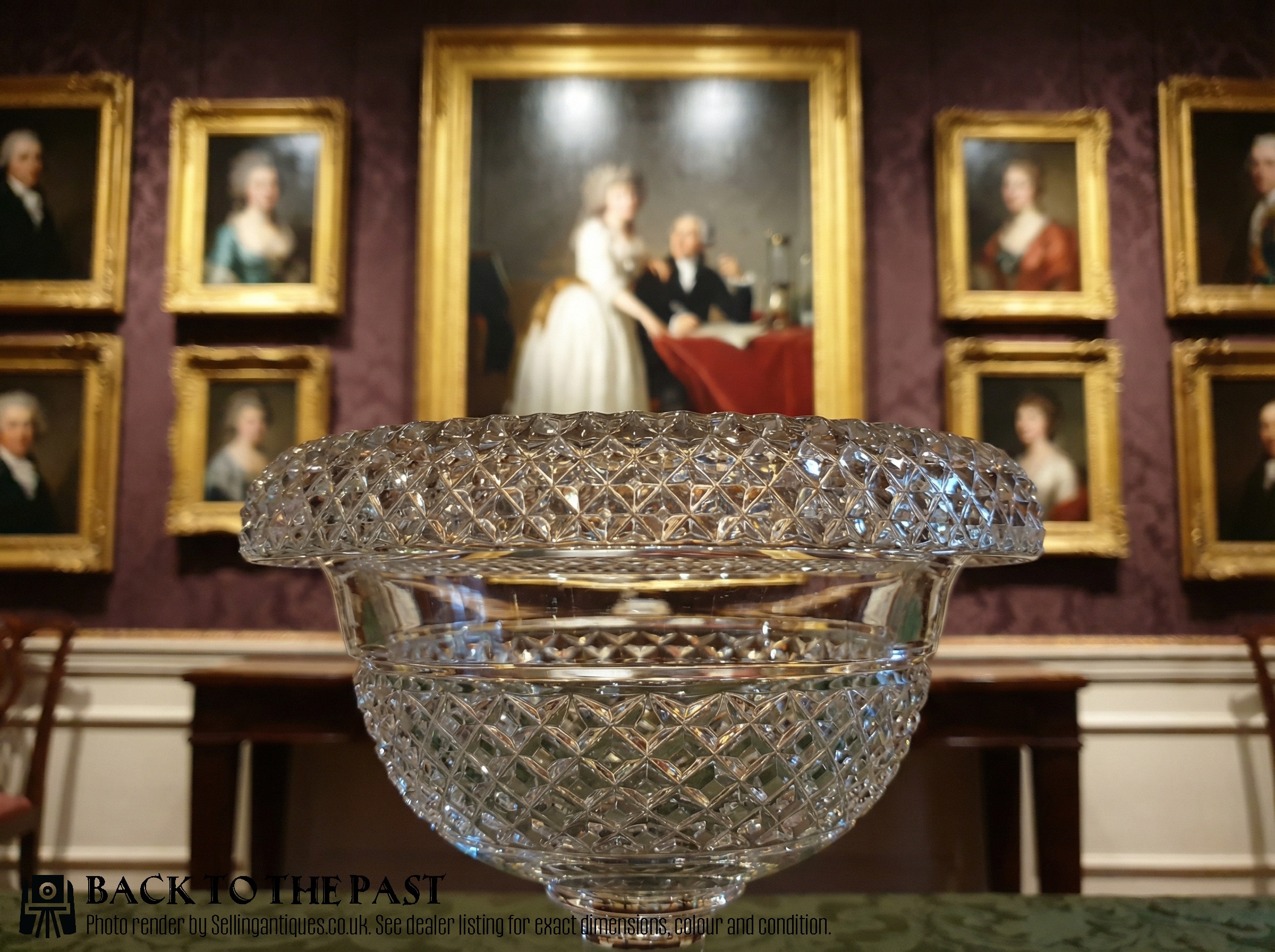
A clear crystal bowl brings weight and light to a room, catching the eye through deep facet cutting and bright lead sparkle.
Clear Crystal Bowl
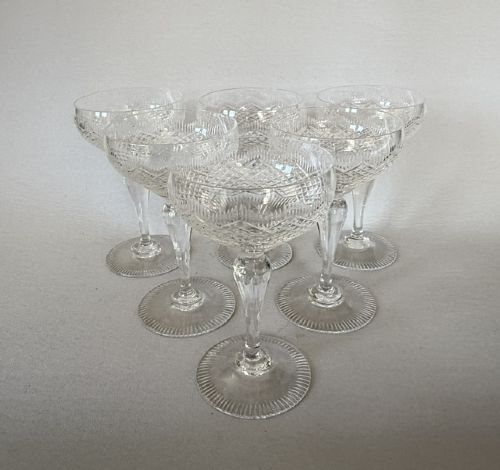
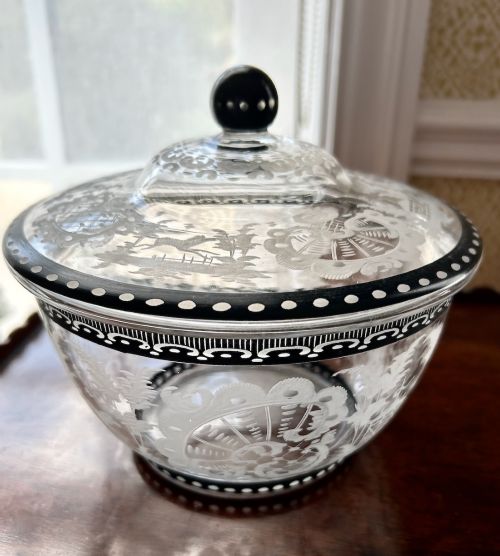
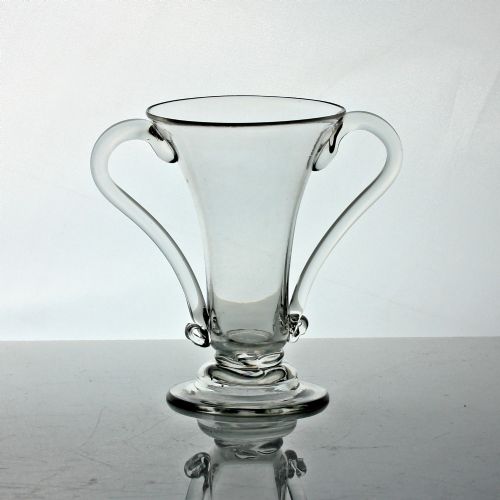
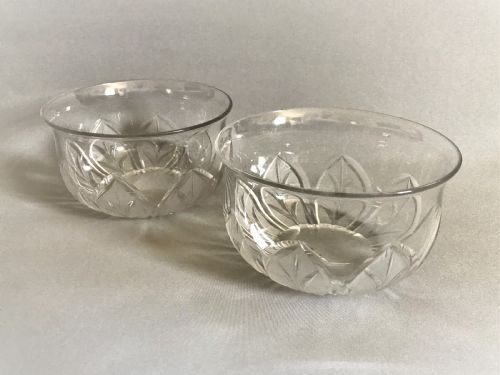
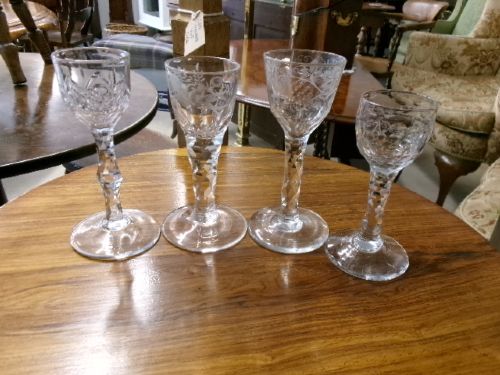
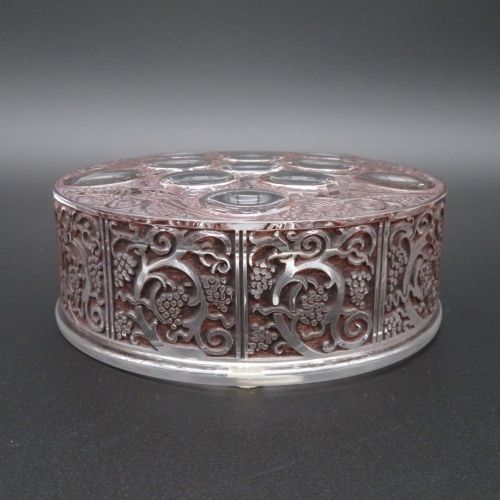
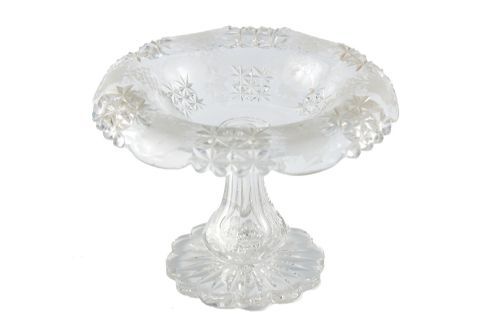
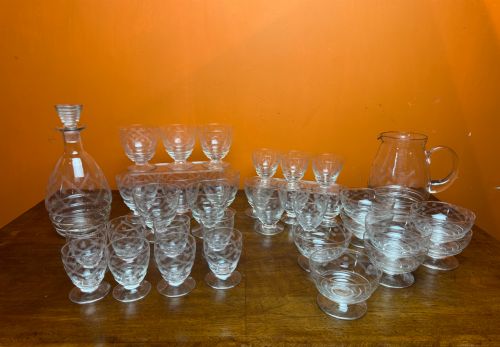
When you search for a clear crystal bowl, you encounter a range of hollowware spanning the eighteenth century to the art deco period. These objects appear as decorative centrepieces, covered dishes, finger bowls, and powder boxes, often shaped by traditional glassblowing and wheel-cutting methods.
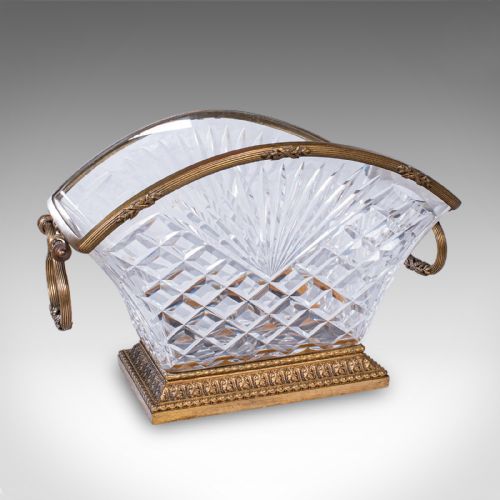
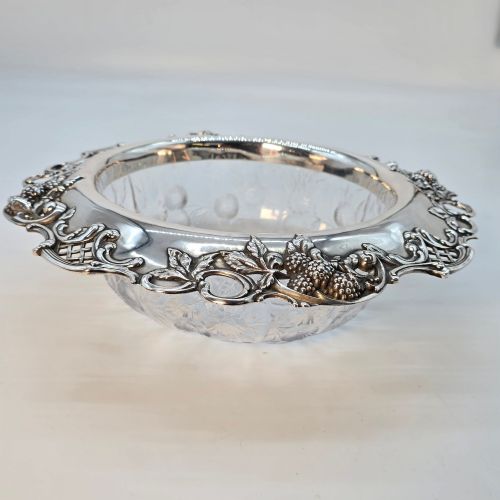
The most common versions on this page originate from the Georgian era and the Victorian period, alongside twentieth-century French and Belgian pieces. Many examples incorporate metal mounts in brass, ormolu, and sterling silver, blending glass craftsmanship with metalwork.
How they were made
Makers utilised lead glass and crystal, compositions containing lead oxide that increased both the density and refractive index of the material. This heavy metal content allowed artisans to cut deep facets, flutes, and geometric patterns without compromising the structural integrity of the vessel.
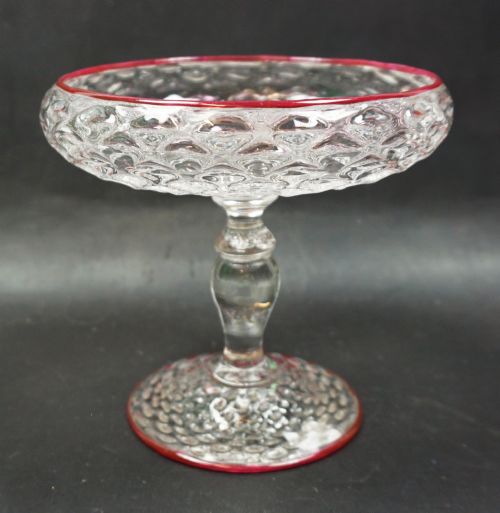
Vessels took shape through blowing into moulds or free-blowing, followed by hot-working techniques such as applying red cane decoration or trailing. Finishers then used revolving wheels to engrave motifs, frost surfaces, and polish the facets to a brilliant shine.
Clear Crystal Bowl Retail Price Guide 2026
Typical asking prices for clear crystal bowl among the pieces listed under this phrase on Sellingantiques today, from the lower quarter to the upper quarter. They describe what is for sale here now, not the wider market.
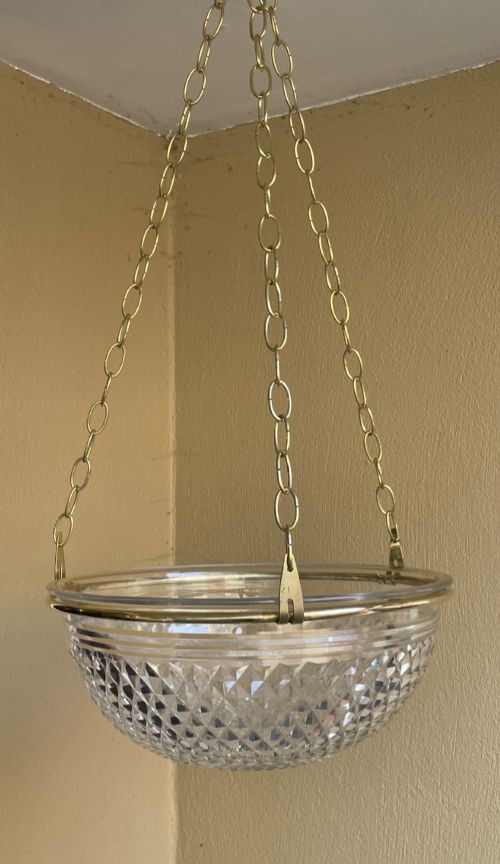
The selection includes dining wares, lighting fixtures, and decorative containers mounted in brass, ormolu, and sterling silver.
What varies in quality
The calibre of a piece depends on the crispness of the wheel-cut facets and the optical purity of the metal. Superior items show sharp, cleanly defined edges where cuts meet, and the glass body remains free from cloudiness or heavy bubbles.
Design cohesion also dictates merit, seen in the balanced proportions of stems, bowls, and any accompanying metal mounts. Pieces by known makers or from distinct design houses often exhibit finer detailing in engraved decoration and gilding.
Tiffany & Co.·Lalique·Val St. Lambert·Joseph Simon
The Clear Crystal Bowl Glossary
- Lead crystal
- Glass containing a high proportion of lead oxide, which adds weight, brilliance, and softness for easier cutting. This material is denser than standard soda-lime glass.
- Plafonnier
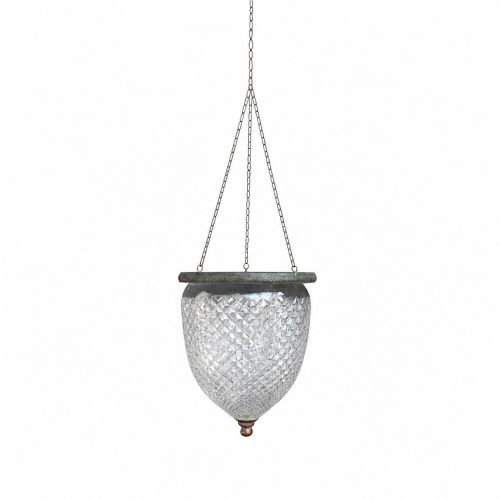
- A ceiling-mounted bowl light fixture, often made of cut or moulded glass. These fixtures diffuse light across interiors from a flush or semi-flush position.
- Centrepiece
- A large decorative bowl or dish placed in the middle of a table or room. They frequently feature elaborate cutting, gilding, or metal frames.
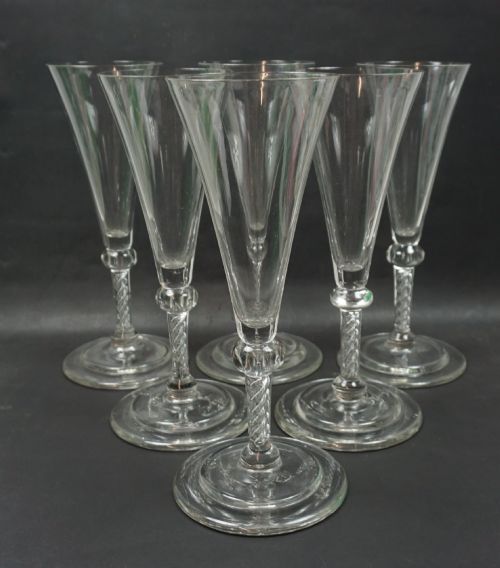
- Air twist
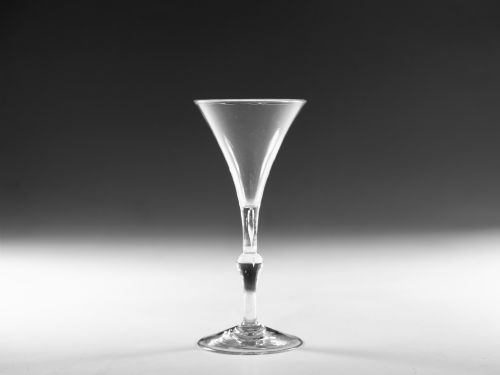
- A decorative stem enclosing spiral threads of trapped air inside the glass. Makers created these effects by drawing bubbles through the molten metal during blowing.
- Hobnail cut
- A pattern of raised, faceted points resembling the hobnails on traditional boots. This texture covers the exterior of drinking vessels and small bowls.
Clear Crystal Bowl: Frequently Asked Questions
How do I clean a crystal bowl?
Wash the glass by hand in lukewarm water using a mild detergent, placing a towel at the bottom of the sink to cushion the heavy material. Avoid sudden temperature changes to prevent thermal shock.
Dry the surface immediately with a lint-free cloth to maintain the clarity and brilliance of the lead crystal.
How do I tell an 18th-century piece apart?
Examine the base for a pontil mark, where the glassblower snapped the rod away from the vessel, leaving a rough, ground circle. Eighteenth-century pieces also display hand-blown irregularities and distinct stem formations like air twists.
Later Victorian and twentieth-century items often show more uniform machine moulding, sharper machine-cut edges, and heavier lead content.
What is a tazza?
A tazza is an ornamental shallow bowl or cup raised on a high foot or central stem. Historically used for serving small sweetmeats or fruit, they functioned as display pieces on dining tables.
On this page, they appear in moulded crystal with decorative elements like coloured glass canes.
Can I use these bowls daily?
Many of these vessels serve practical purposes as serving dishes, trinket holders, or centrepieces, though older and more delicate pieces require gentle handling. Their sturdy lead construction withstands careful everyday use for food and display.
Keep them away from dishwashers, microwaves, and extreme heat to preserve their historical surface finish and metal mounts.