



Clear Blown Glass Stemware
Clear blown glass stemware brings tactile elegance to the table, offering drinking vessels shaped by breath and hand across centuries of British design.
Clear Blown Glass Stemware
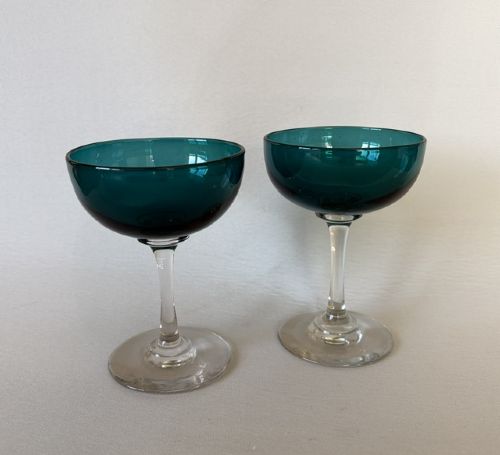
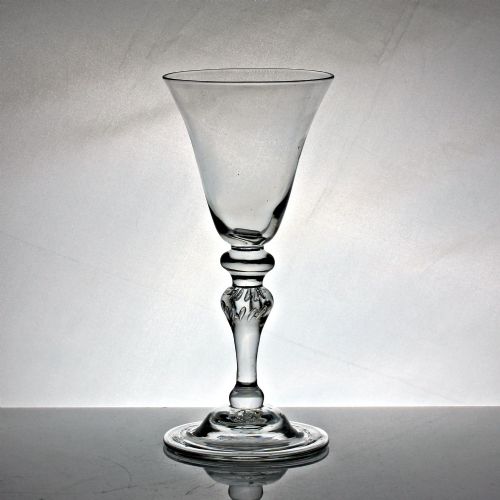
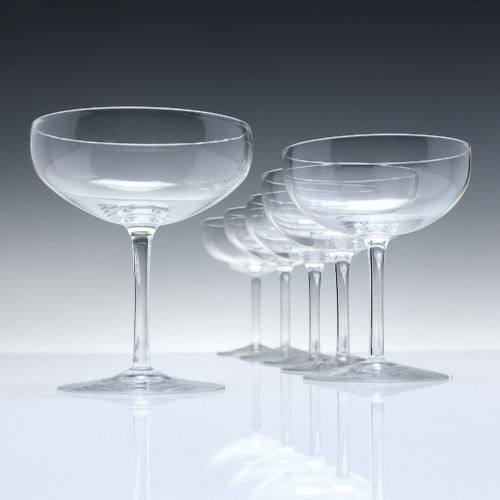
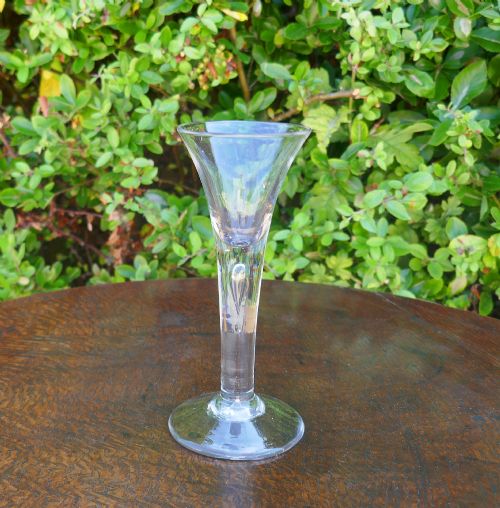
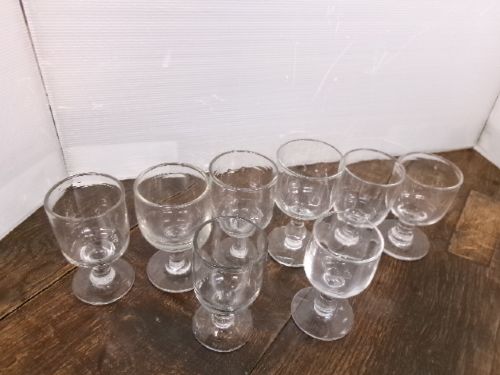
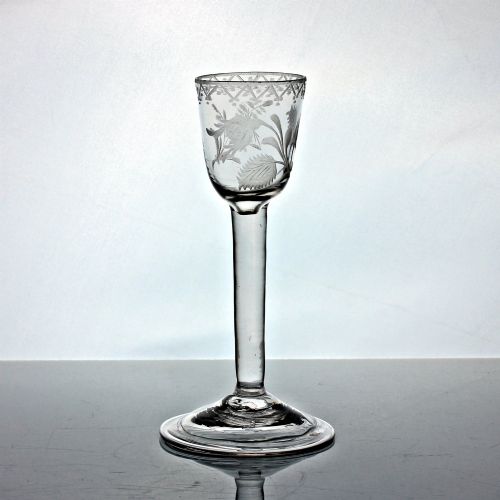
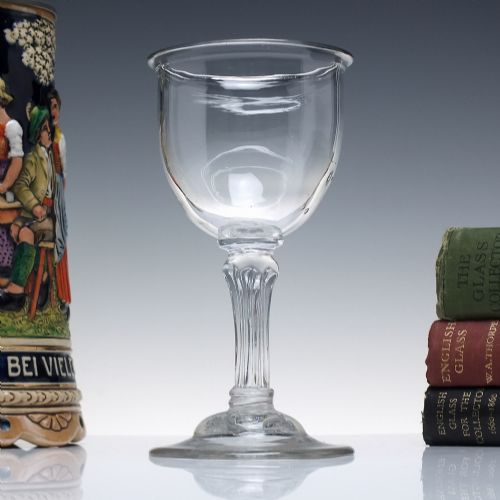
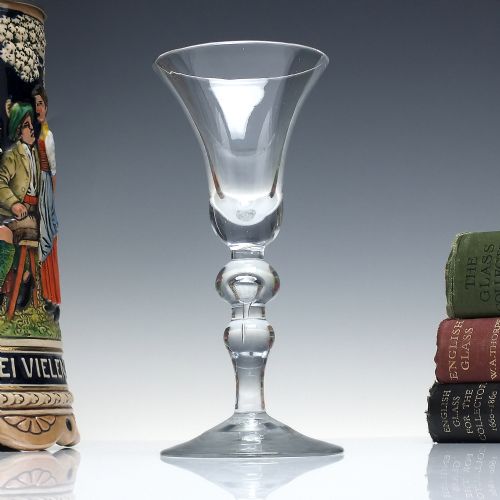
Clear blown glass stemware encompasses drinking vessels shaped by breath and hand, spanning the Georgian, Victorian, and Edwardian eras. Collectors seeking clear blown glass stemware encounter forms ranging from early trumpet-bowl wine glasses to robust rummers and delicate champagne coupes.
The selection on this page demonstrates remarkable variety across object types such as wine glasses, cordial glasses, oil lamps, and ale glasses. Pieces stretch from the early eighteenth century into the twentieth, showing how domestic drinking habits shifted over generations.
Manufacturing and Materials
Grief and skill shaped these objects from molten batches using lead glass, flint glass, and crystal glass. Artisans gathered metal on the end of a blowpipe, inflating and manipulating the hot mass by hand.
Stems and feet were worked separately before being attached to bowls, utilising techniques that left subtle optical distortions and tool marks. Hand-blown production ensured that no two vessels shared identical dimensions or weight distribution.
Clear Blown Glass Stemware Retail Price Guide 2026
Typical asking prices for clear blown glass stemware among the pieces listed under this phrase on Sellingantiques today, from the lower quarter to the upper quarter. They describe what is for sale here now, not the wider market.
Listings span the eighteenth, nineteenth, and early twentieth centuries, featuring lead glass, flint glass, and cranberry glass across multiple drinking vessel forms.
Assessing Quality and Character
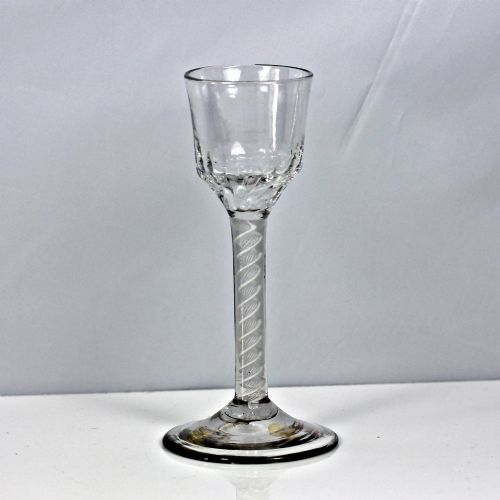
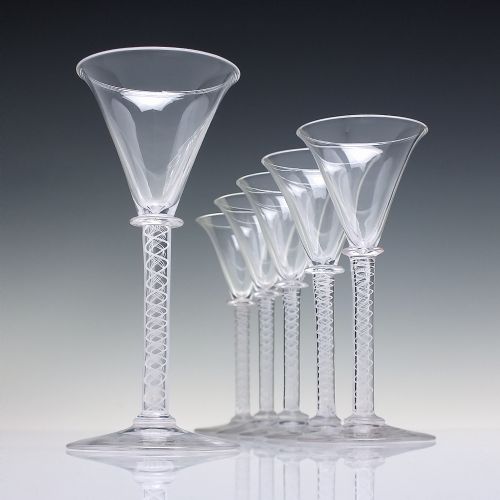
Quality rests upon the balance of the vessel, the clarity of the metal, and the dexterity displayed in the stem formation. Simpler plain stems contrast with complex air-twist or opaque-twist structures that demand higher mastery from the glassblower.
Proportion and foot stability also separate finer examples from routine domestic ware. The presence of deliberate optical effects, such as air tears or mould-blown ribs, signals deliberate artistry within historical workshops.
The Clear Blown Glass Stemware Glossary
- Baluster Stem
- A heavy, swelling stem shape typical of early eighteenth-century drinking glasses. The contour mimics architectural columns of the period.
- Folded Foot
- A base edge turned underneath during shaping to create a thicker, more stable rim. This technique appears frequently on earlier cordial and wine glasses.
- Lead Glass
- Heavy glass containing lead oxide, developed to increase brilliance and workability. It allows for deeper cutting and clearer optical quality.
Clear Blown Glass Stemware: Frequently Asked Questions
Are these glasses safe for daily use?
Many collectors enjoy using eighteenth and nineteenth-century vessels for special occasions, provided they handle them with appropriate care. The sturdy nature of lead glass and rummers allows for gentle use during dining.
Examine the rim and base for any microscopic chips before pouring beverages. Delicate cordial or champagne coupes require a lighter touch than heavier rummers.
What makes an air twist stem special?
An air twist contains spiralling threads of bubbles trapped within the stem during the pulling and twisting process. This difficult technique required exceptional timing from the glassmaker.
Examples featuring these internal spirals command strong interest among collectors of Georgian drinking vessels. The optical effect catches candlelight in distinct ways.
How can I tell a Georgian glass from a Victorian one?
Georgian pieces often display simpler, heavier metal with straightforward trumpet or ogee bowls and folded feet. Victorian examples frequently introduce cranberry hues, moulded decoration, or different stem formations.
Examining the pontil mark on the underside helps establish manufacturing periods. Consulting specific stylistic traits narrows down the decade of origin.