

Claw Foot Pedestal
A claw foot pedestal supports tables and stands of solid timber, anchoring nineteenth-century forms with carved animal strength.
Claw Foot Pedestal
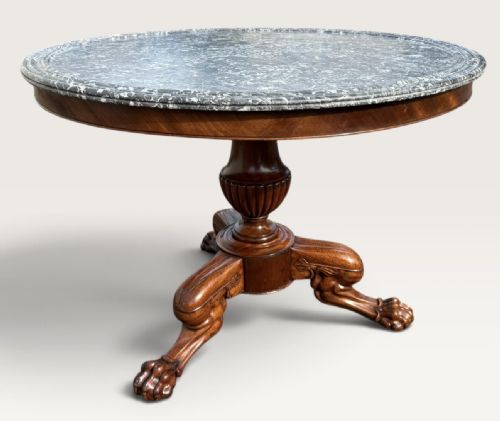
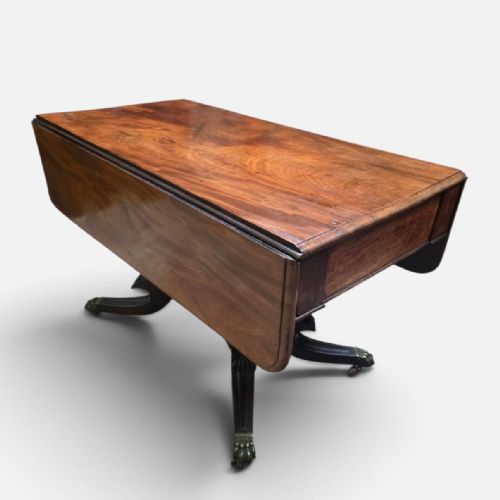
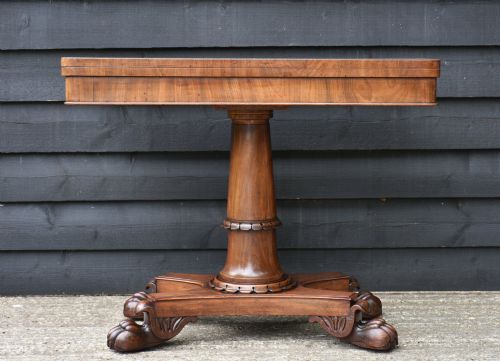
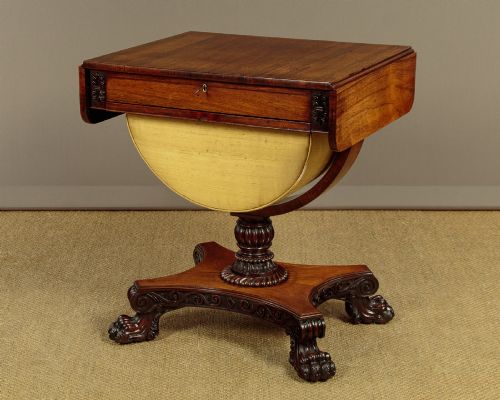
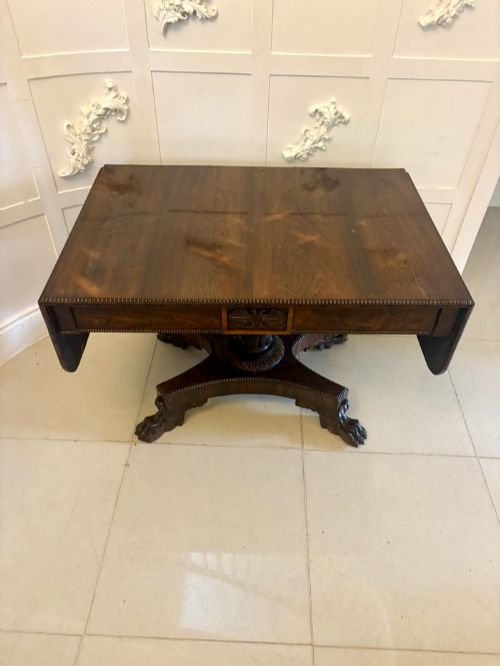
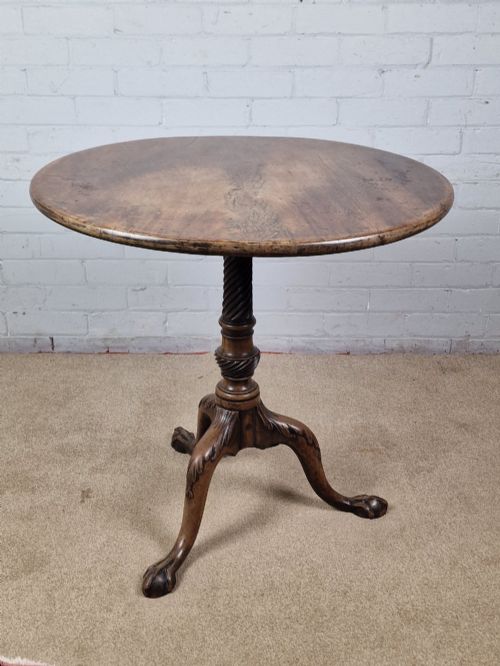
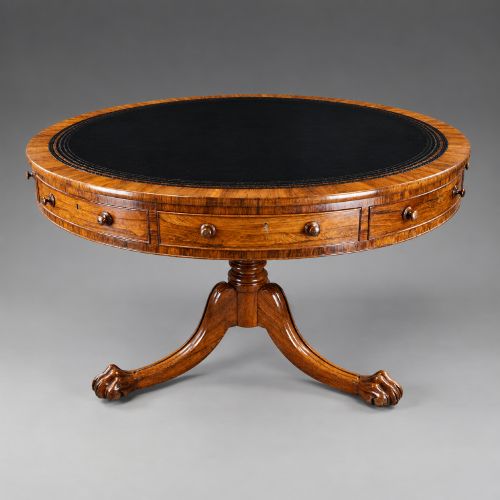
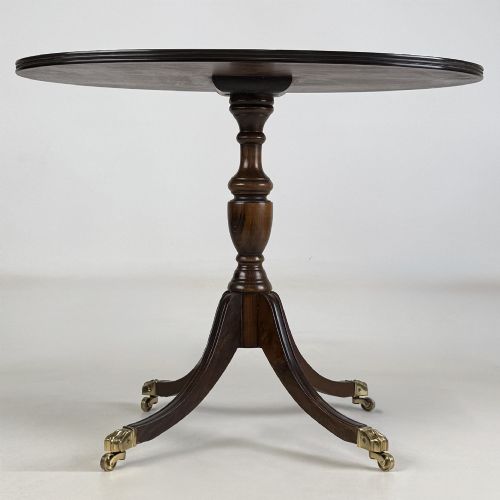
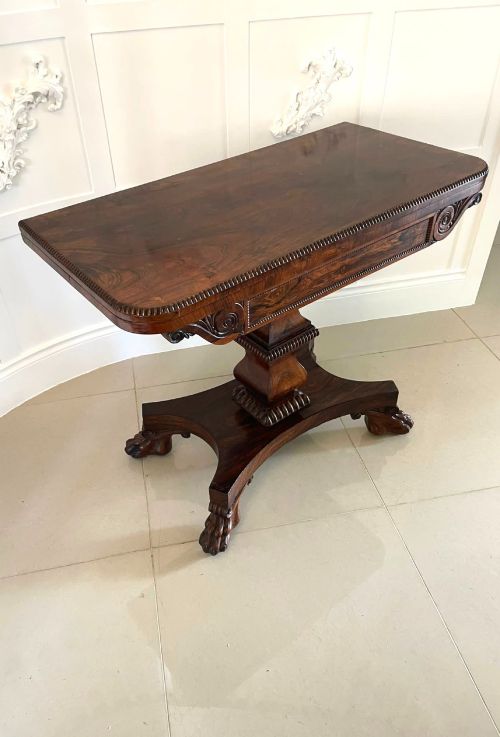
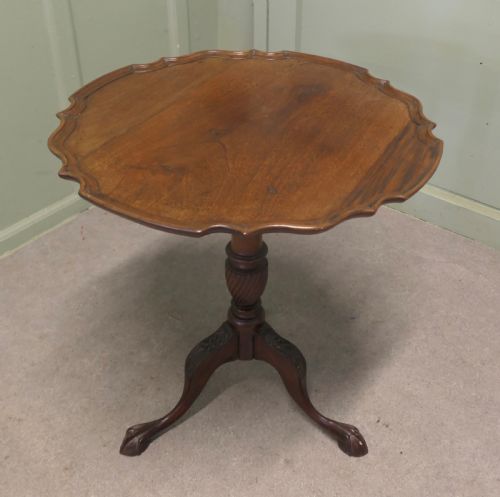
A claw foot pedestal typically supports nineteenth-century centre tables, card tables, and occasional stands originating from Regency, William IV, and Victorian periods. These pieces serve functional roles in reception rooms as dining tables, drum tables, or tilt-top breakfast tables resting on central pillars.
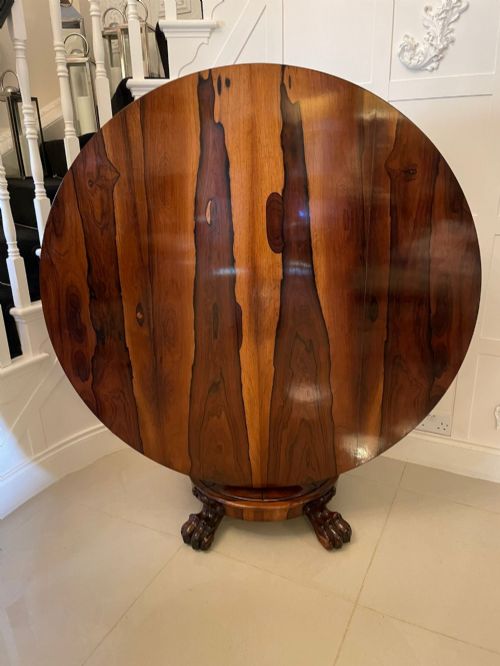
The common form on this page pairs a sturdy circular or triangular column with carved paw or claw feet, frequently executed in rosewood, mahogany, or walnut. Makers of the period drew upon Regency and Victorian design idioms to construct freestanding pieces for the centre of the room.
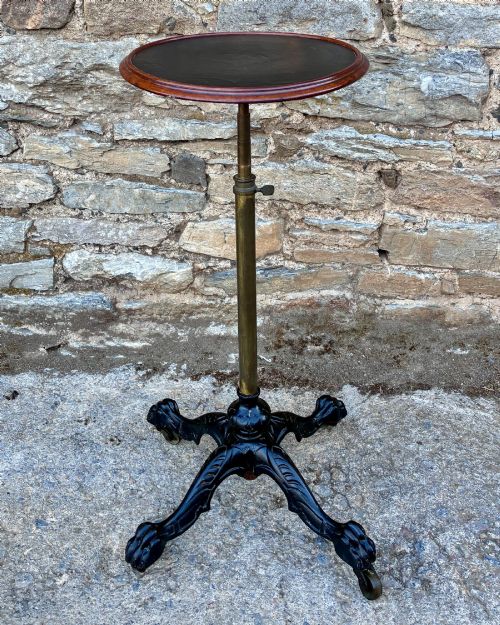
Regional variations span English workshops alongside Irish, French, and Swedish examples, encompassing gueridons, sewing tables, and torchere plant stands. The pedestal design allows comfortable seating around a dining table or provides a stable base for heavy marble and timber tops.
Materials and Construction
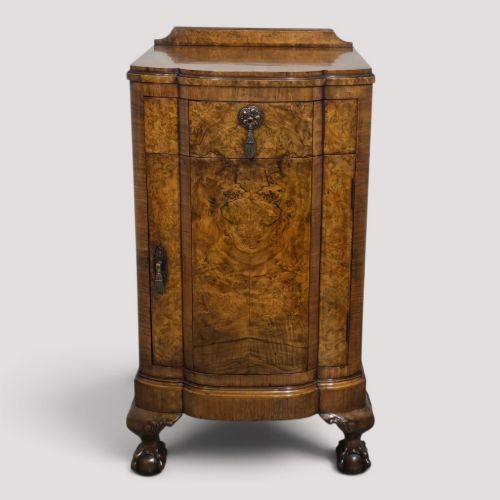
Cabinet makers utilised dense native and exotic hardwoods including solid mahogany, rosewood, walnut, and burr oak for the central columns, tabletops, and structural frames. Selected veneers and curl grains were applied to tabletops to display rich figuring, while brass inlays and ormolu mounts occasionally highlighted the timber.
Carving was executed by hand on the solid wood of the paw feet and pedestal collars, often combining acanthus leaf motifs with animal claws. Tilt-top mechanisms, brass castor fittings, and pivoting drum actions required precise joinery to ensure stability under heavy use.
Some nineteenth-century tables tilt entirely vertical, transforming a dining surface into a space-saving wall ornament when dinner ends.
Craftsmanship and Proportion
Quality rests in the sculptural depth of the carved paw feet and the structural integrity of the central pillar joining the base and top. Finer examples display crisp, hand-carved animal details rather than cast plaster or superficial mouldings, paired with well-matched timber veneers.
Proportion dictates visual success, where the weight of the pedestal balances the span of the tabletop or the height of the torchere column. Superior cabinet work ensures that mechanisms such as tilt-tops and rotating drum compartments operate smoothly without looseness in the central joint.
George Bullock·Gillows
The Claw Foot Pedestal Glossary
- Gueridon
- A small French table supported by a central column or figures, frequently topped with marble. These pieces served as candle stands or decorative display surfaces in nineteenth-century interiors.
- Tilt-top
- A tabletop hinged to the pedestal pillar so it can tilt vertically for storage against a wall when not in use. This mechanism is common on nineteenth-century breakfast and wine tables.
- Torchere
- A tall, slender stand designed to hold a light, plant, or decorative urn. They frequently feature carved wooden columns and pedestal bases.
- Ormolu
- Gilt bronze mounts applied to furniture for decorative effect. The technique involves a mercury-gilding process popular on French and Regency pieces.
Claw Foot Pedestal: Frequently Asked Questions
What is a claw foot pedestal table?
A claw foot pedestal table is a freestanding piece of furniture supported by a single central column that rests on carved animal paws. These designs became prominent during the Regency and Victorian eras for dining, card playing, and displaying decorative objects.
The central pillar design eliminated corner legs, allowing chairs to be tucked in neatly around dining tables and providing stable support for heavy marble or timber tops.
Where should I place a centre table?
Centre tables are designed to be viewed from all sides, making them ideal for the middle of a reception room, a large hallway, or a spacious landing. They provide a natural focal point for lamps, books, or floral arrangements without crowding the perimeter walls.
Because many nineteenth-century examples feature circular tops or rotating mechanisms, placing them where people can walk entirely around the piece highlights the craftsmanship of the pedestal base.
How do I maintain rosewood and mahogany?
Timbers such as rosewood and mahogany require stable indoor humidity away from direct sunlight and heat sources to prevent the wood from drying or splitting. Regular dusting with a soft, dry cloth preserves the finish without requiring heavy polishes.
Waxing occasionally with a traditional beeswax formulation feeds the grain and maintains the natural lustre of nineteenth-century polished surfaces.