




Claw Foot Console Table
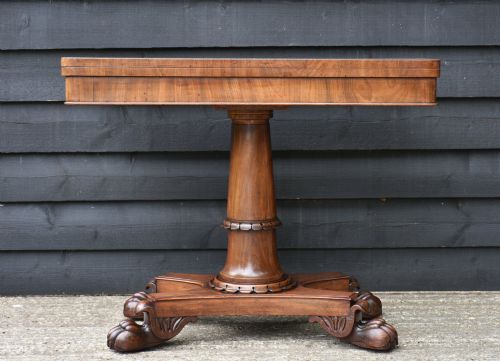
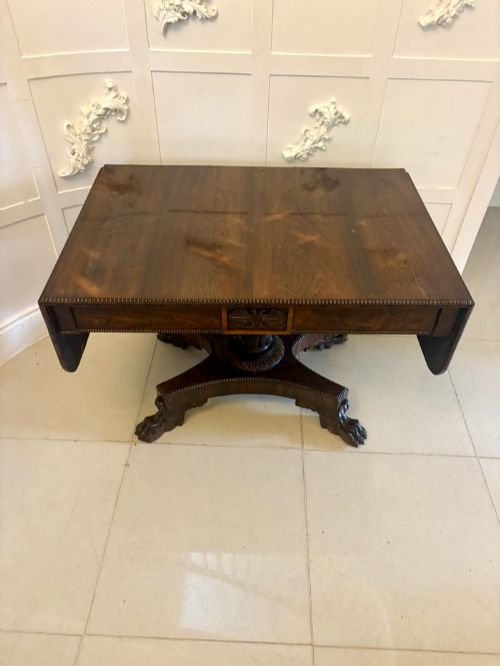
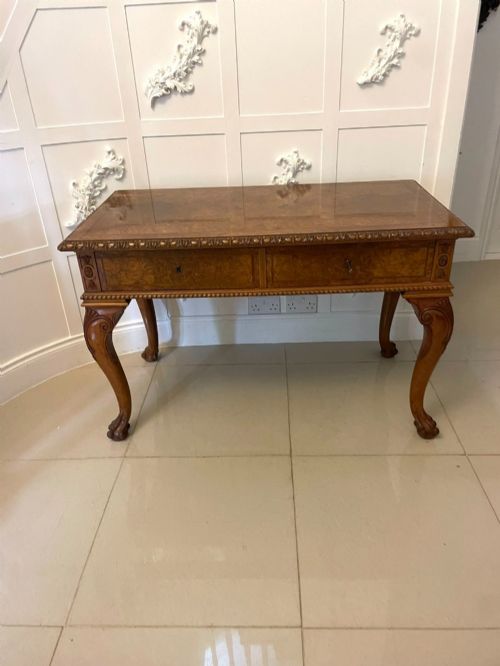
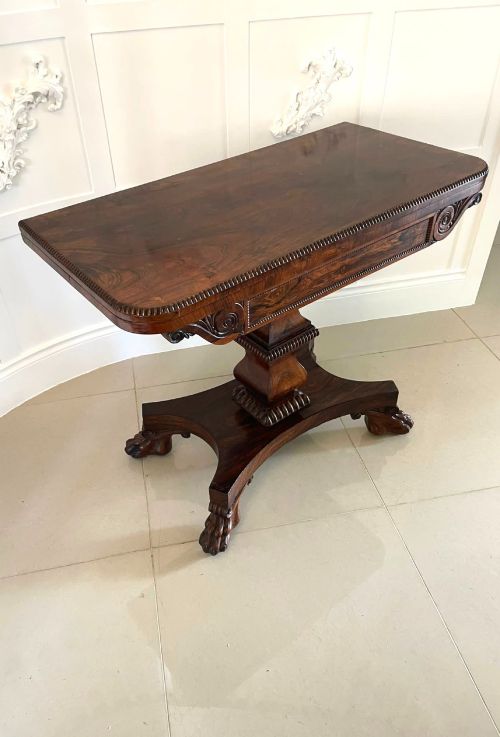
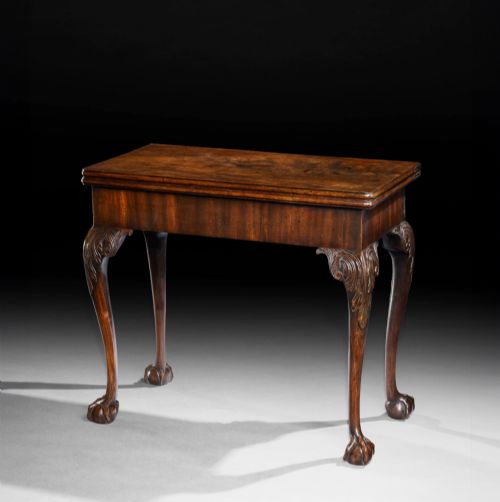
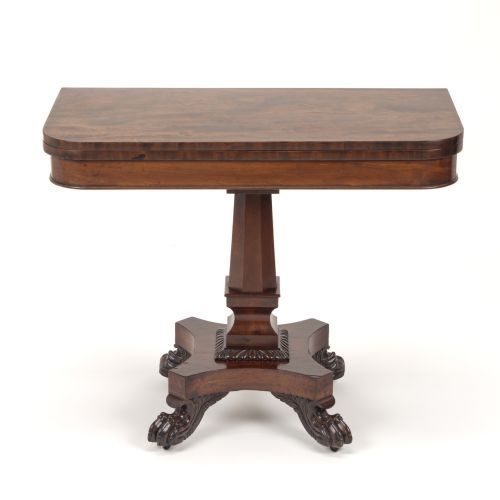
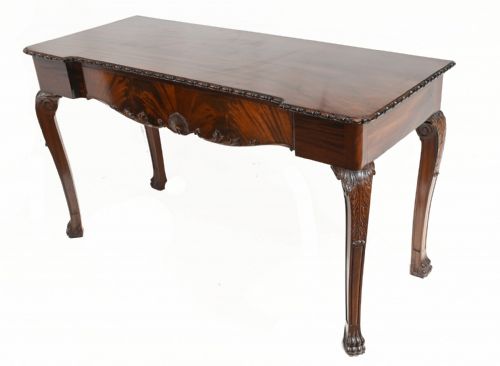
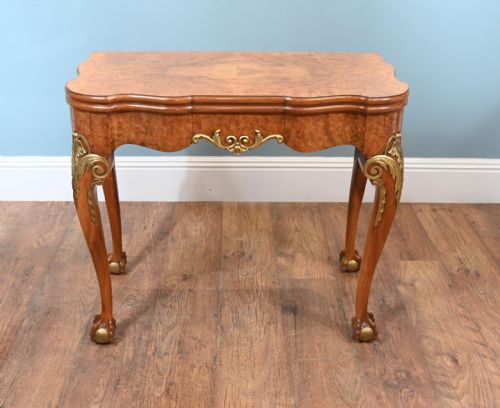
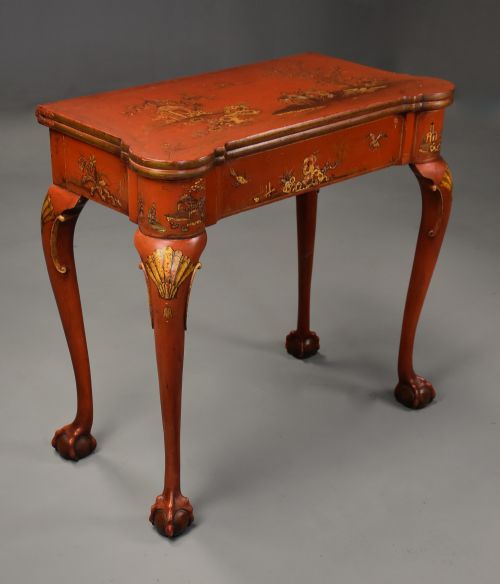
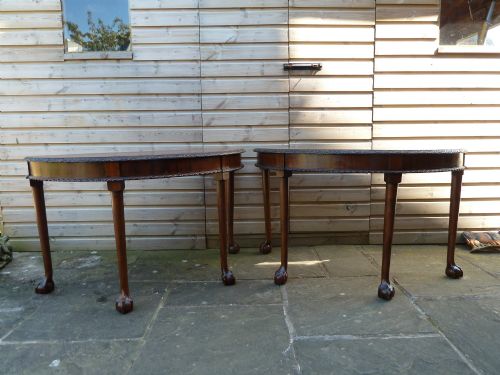
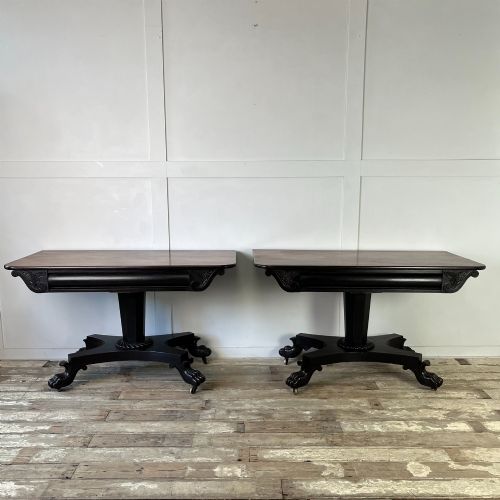
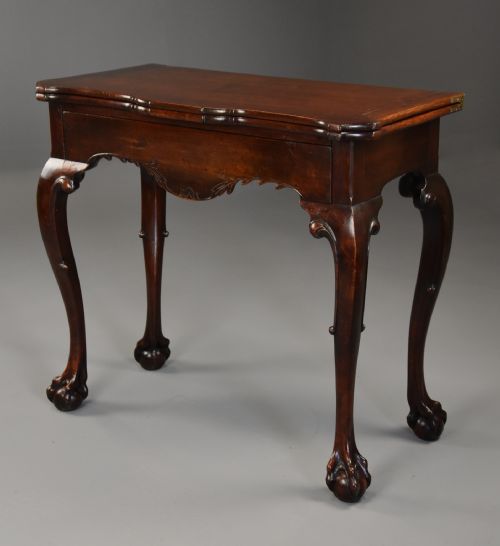
A claw foot console table anchors a room with sculptural carved paws and dense timber, bringing architectural weight to a hallway or drawing room.
Claw Foot Console Table
When you search for a claw foot console table, you enter a field of heavy timber supports, carved paw motifs, and fold-over surfaces spanning card tables, serving tables, and traditional side tables. These forms appear across the eighteenth, nineteenth, and early twentieth centuries, shaped by Georgian, Regency, William IV, and Victorian design idioms.
The versions most commonly met on this page are mahogany and rosewood examples from the nineteenth century, often featuring concertina actions or fold-over leaves that transform a side piece into a functioning games or card table. Walnut, burr walnut, and oak also appear, alongside revival styles that imitate earlier George II and Chippendale proportions.
Makers and workshops across England, Ireland, and Scandinavia produced these items, ranging from grand serving buffets to freestanding centre tables. Buyers choose them for their combination of robust utility and expressive animal-foot carvings that punctuate the base of the structure.
How they were made
Cabinetmakers constructed these tables using solid primary timbers such as mahogany, oak, and walnut, frequently applying flame mahogany veneer or rosewood to display rich grain patterns. Secondary structural woods provided stability for heavy fold-over leaves and concertina actions.
Carved paw feet were shaped directly from solid blocks of wood at the base of the legs, sometimes complemented by brass inlays, ormolu mounts, or intricate edge mouldings. Surfaces were hand-finished to achieve a deep patina that highlights the natural figuring of the timber.
Listings span the eighteenth, nineteenth, and early twentieth centuries, featuring woods such as mahogany, rosewood, burr walnut, and oak alongside brass and ormolu details.
What varies in quality
Quality rests in the crispness of the timber carving, particularly the definition of the claws and the proportion of the legs relative to the top. Crisp, deep hand-carving separates master workshop production from softer, later revival pieces.
The choice and matching of veneers also determine grade, where symmetrical flame mahogany or figured burr walnut demonstrates superior material selection. Integrity of the mechanism, whether a concertina action or a fold-over hinge, dictates how well the piece maintains its structural truth over centuries.
George Bullock·Giles Grendey·Gillows·Epstein and Co·Robert Strahan and Co
The Claw Foot Console Table Glossary
- Concertina action
- An expanding frame mechanism that allows a card table to open evenly on a folding timber framework, supporting the opened top without strain. This ingenious joinery prevents sagging.
- Flame mahogany
- A veneer cut from the fork of the mahogany tree where the branch meets the trunk, creating a dramatic flickering flame pattern. Cabinetmakers reserved this timber for primary display surfaces.
- Ormolu
- Gilt bronze mounts applied to furniture for decorative contrast against dark woods like rosewood or mahogany. This French technique gained popularity in Regency and Empire interiors.
- Freestanding
- Finished on all four sides so the table can sit in the middle of a room rather than flat against a wall. Centre tables and sofa tables typically share this attribute.
- Patina
- The deep, lustrous surface sheen developed by old wood through decades of handling, polishing, and exposure to light. It serves as a visual indicator of age and careful maintenance.
Claw Foot Console Table: Frequently Asked Questions
What is a claw foot console table used for?
These tables served primarily as serving surfaces, hallway furniture, or convertible card and games tables for entertaining guests. Their versatile tops could fold open to accommodate evening card games or display decorative objects.
Placed against a wall or used freestanding in the centre of a room, they provided both surface utility and a strong decorative statement.
How do I tell a Regency table from a Victorian one?
Regency pieces often display cleaner architectural lines, classical brass inlays, and restrained rosewood or mahogany surfaces inspired by antiquity. They frequently date from the early nineteenth century.
Victorian examples tend to feature heavier proportions, darker finishes, and more exuberant carving associated with mid-nineteenth-century revival tastes.
Are these tables solid wood or veneered?
Most examples combine solid timber frames and legs with veneered top panels, allowing cabinetmakers to showcase decorative grains like flame mahogany and burr walnut.
The structural framework and carved paw feet are typically carved from solid primary woods to ensure durability.
How do I care for antique mahogany and rosewood?
Keep the timber away from direct heat sources and strong sunlight to prevent the natural oils from drying out and the veneers from lifting. Regular dusting with a dry, soft cloth maintains the finish.
Apply a traditional beeswax polish sparingly when the wood appears dry, buffing gently to preserve the historic patina.