




Claw Foot Bookcase
A claw foot bookcase brings architectural gravity and rich timber tones to a room, offering both display space and sturdy shelving for a serious library.
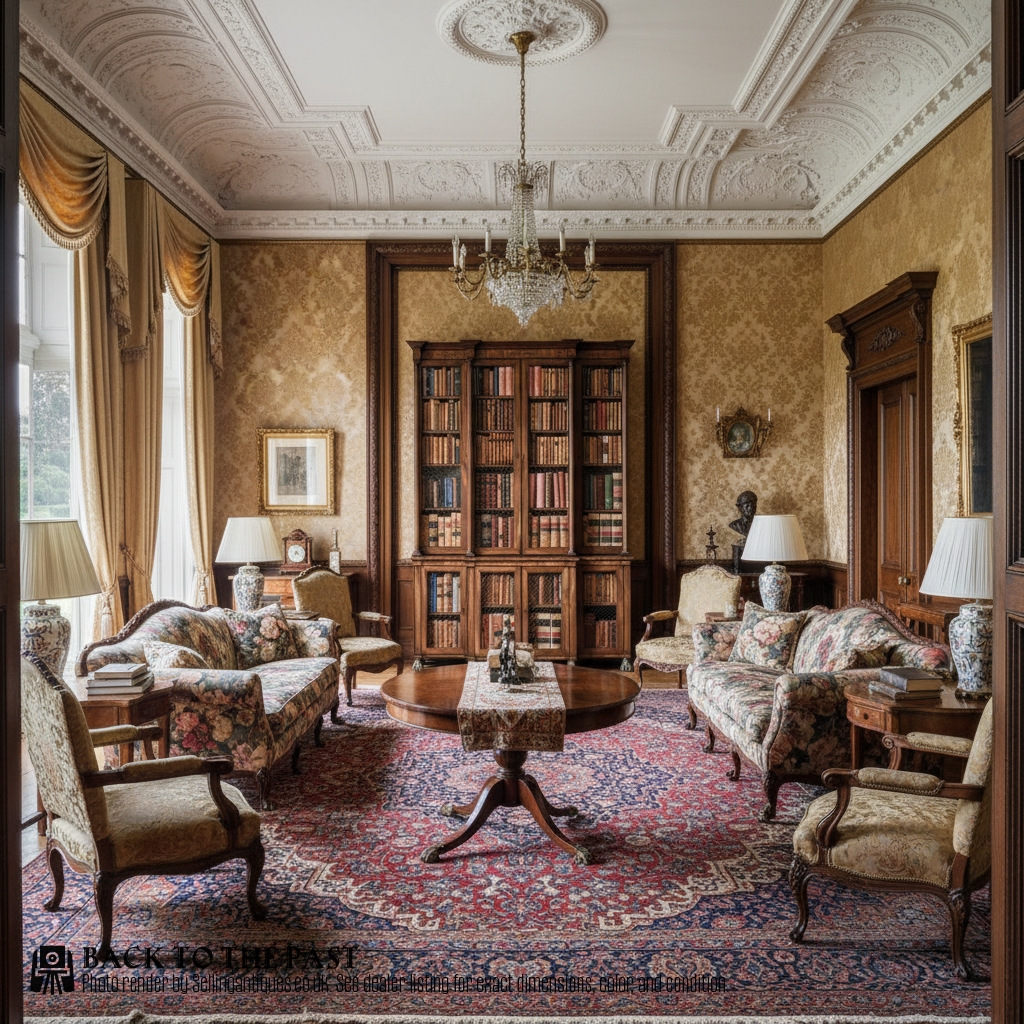
Claw Foot Bookcase
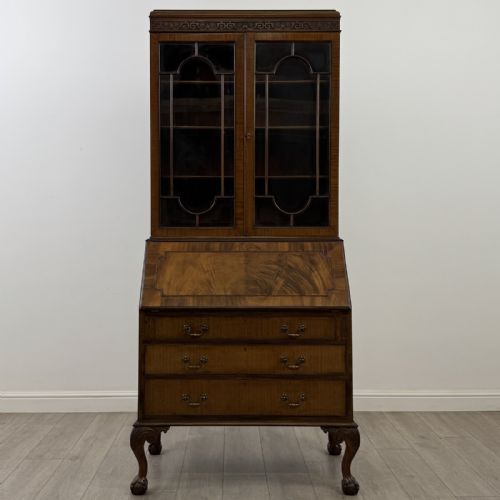
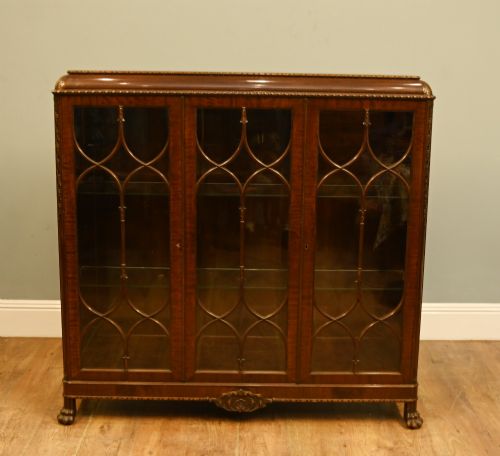
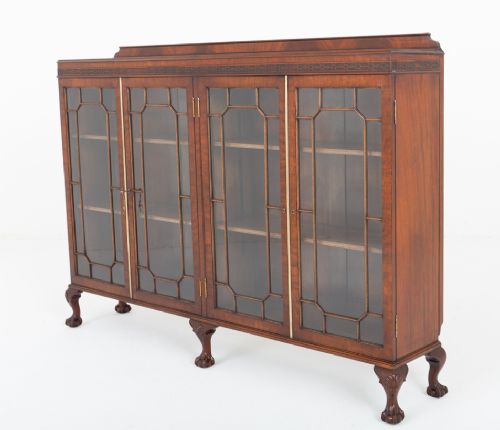
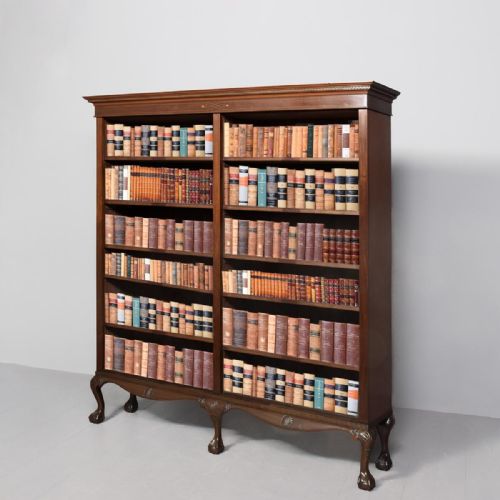
When you search for a claw foot bookcase, you are looking at substantial storage furniture anchored by distinct carved furniture feet, spanning multiple centuries of cabinet making. The pieces available range from Georgian style open bookcases to elaborate bureau bookcases and display cabinets.
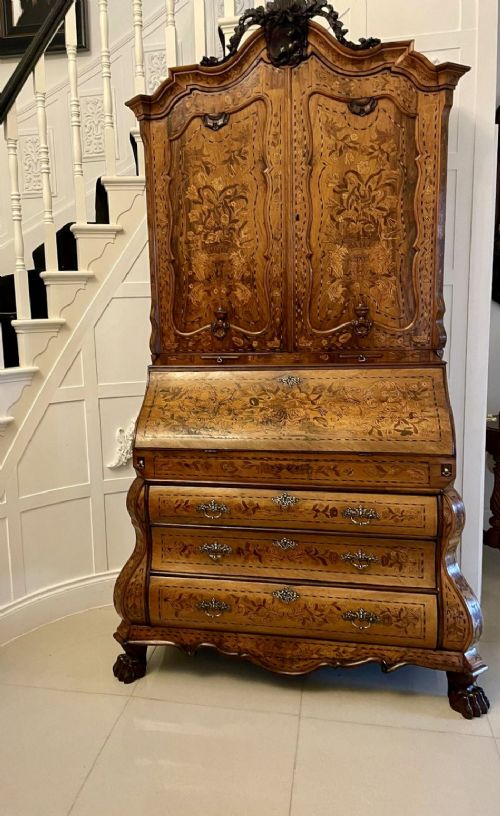
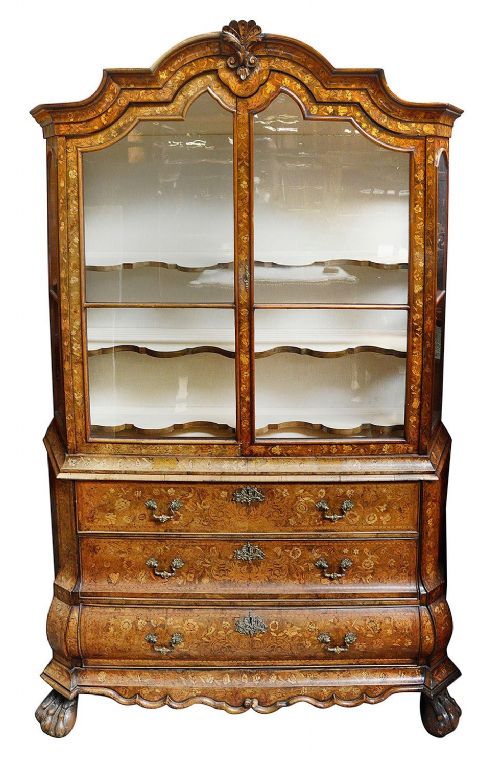
The selections on this page draw from periods including the eighteenth century, the nineteenth century, and the Edwardian era, alongside specific years like 1800, 1860, and 1920. Styles represented include Regency, Chippendale Revival, Dutch Baroque, Dutch Rococo, and Art Deco.
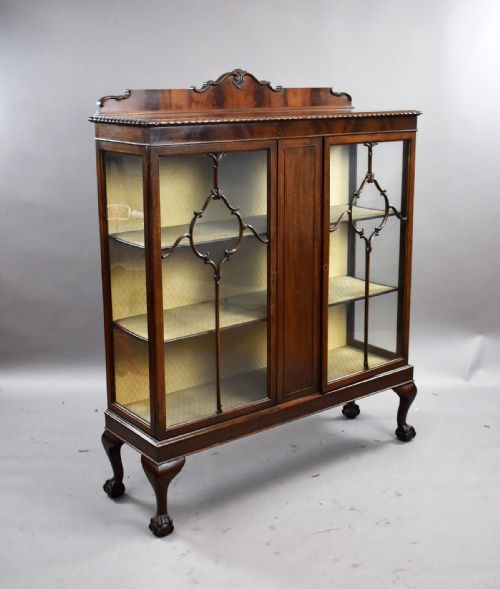
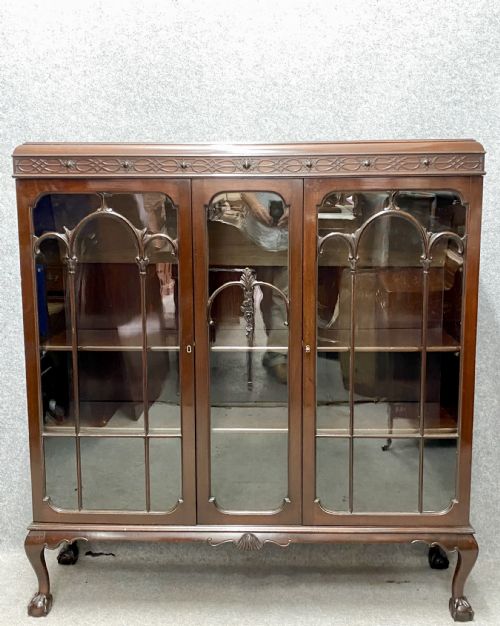
Object types stretch beyond standard shelving to encompass bureau cabinets, side cabinets, and vitrines. Mahogany and walnut dominate the timber choices, often enhanced with glass and brass elements.
Materials and construction
Cabinet makers utilised dense hardwoods such as mahogany and walnut, frequently incorporating wood inlay to create decorative surface patterns on doors and panels. Selected pieces also integrate brass mounts and stringing to accent the darker timber grains.
Glazing bars divided the glass door panels on display cabinets and bookcases, requiring precise joinery to house the glass securely. Carved feet formed the structural terminals beneath heavy case furniture designed to support substantial book collections.
Bookcases with simulated rosewood surfaces reveal how clever makers painted common timbers to mimic expensive imports.
Assessing quality
The standard of execution in timber selection and marquetry work dictates the distinction between standard production and exhibition grade furniture. Finer examples display meticulous grain matching across large cabinet doors and crisp, deep carving on the feet.
Secondary timbers used for interior shelving and drawer linings reveal the care taken during initial construction. Well-executed brass inlay and balanced proportions separate ambitious revival pieces from simpler commercial output.
The Claw Foot Bookcase Glossary
- Vitrine
- A glass-fronted cabinet designed for the display of curiosities or fine porcelain. These pieces often feature glazed sides to maximise light penetration.
- Marquetry
- The art of applying decorative pieces of veneer to a structure to form intricate pictorial designs. Craftsmen utilised various coloured woods to achieve tonal depth.
- Bureau bookcase
- A dual-purpose piece combining a sloping desk flap for writing with upper shelving enclosed by doors. The lower section typically houses storage drawers.
- Waterfall bookcase
- A graduated set of open shelves where each tier steps back from the one below. This design originated during the Regency period.
- Stringing
- A narrow inlay of contrasting wood or metal set flush into the surface of furniture. It creates fine border lines on cabinet doors and panels.
Claw Foot Bookcase: Frequently Asked Questions
What is a claw foot bookcase?
A claw foot bookcase is a heavy storage piece featuring carved animalistic feet supporting upright shelving or cabinet space.
These units combine utility with distinct stylistic flourishes derived from historical periods like the Georgian and Regency eras.
How do I date a bookcase?
Dating relies on examining construction methods, timber choices, and stylistic markers such as marquetry patterns or brass inlay. Secondary woods and joinery techniques often reveal the era of manufacture.
Comparing the piece against known revival periods helps distinguish eighteenth-century originals from Edwardian or later interpretations.
Where should I place a display cabinet?
Display cabinets and glazed bookcases benefit from placement away from direct sunlight to protect antique timber finishes. Stable room temperatures prevent warping in large mahogany or walnut panels.
Ensure adequate floor strength beneath these substantial pieces, particularly when loaded with heavy volumes.