
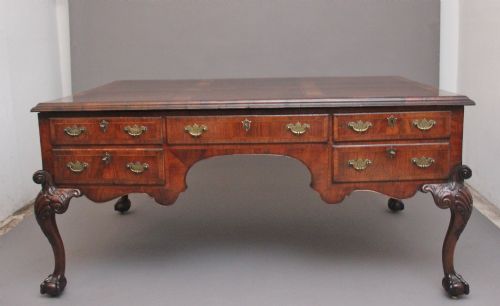


Claw and Ball Pedestal
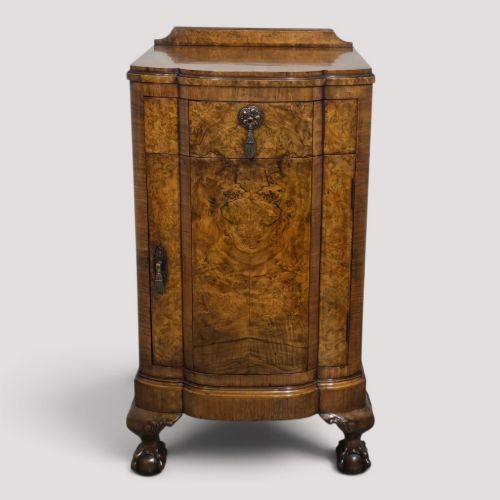
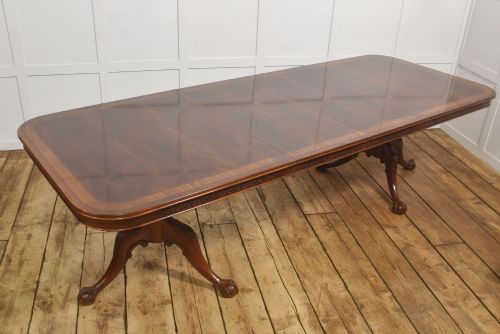
Claw and ball pedestal pieces combine robust carved support with rich timber grain, offering a commanding presence in traditional interiors.

Claw and Ball Pedestal
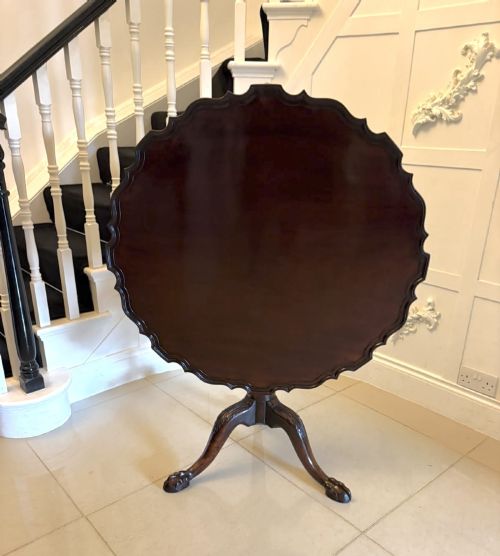
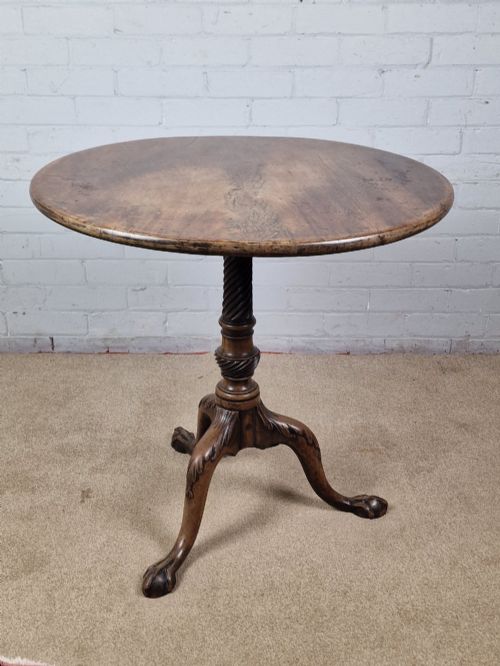
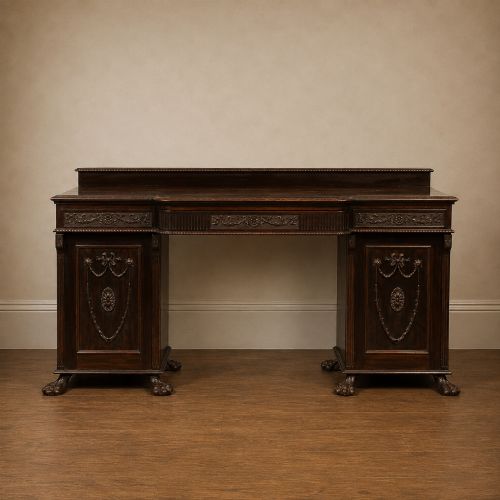
A claw and ball pedestal brings together sturdy central column supports and distinctive foot carvings, taking the form of occasional tables, dining tables, wine tables, and plant stands. When searching for a claw and ball pedestal, buyers encounter various configurations including tilt top tea tables and tripod tables originating from the eighteenth century onwards.
The selection ranges from authentic eighteenth century George II and George III examples to later revivals from the Edwardian era and the early twentieth century. Mahogany and walnut dominate these offerings, alongside occasional appearances of oak and padouk.
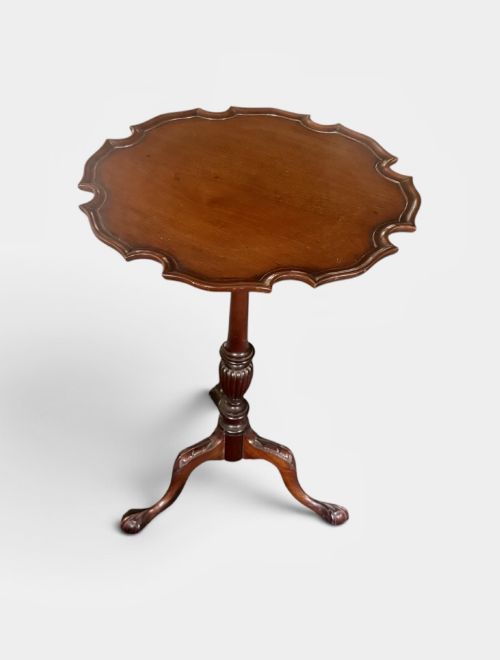
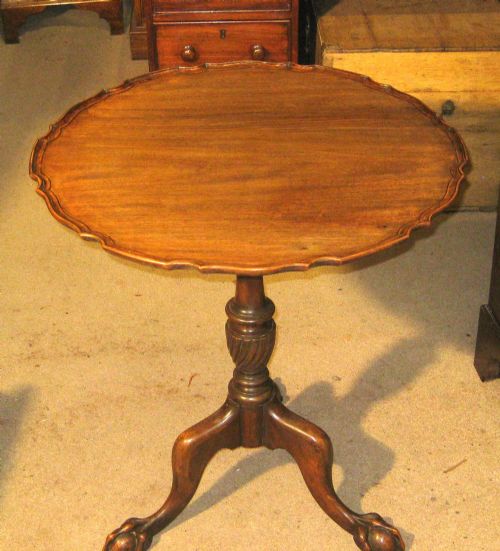
Tripod tables with shaped piecrust rims and pillar stands represent the most frequent formats. These items serve functional roles as tea tables, centre tables, and lamp stands while displaying traditional carving traditions.
How they were made
Cabinet makers utilised dense hardwoods such as mahogany and walnut, frequently selecting figured burr veneers and satinwood for decorative surfaces. These timbers provided the structural integrity required for intricate pedestal columns and heavy table tops.
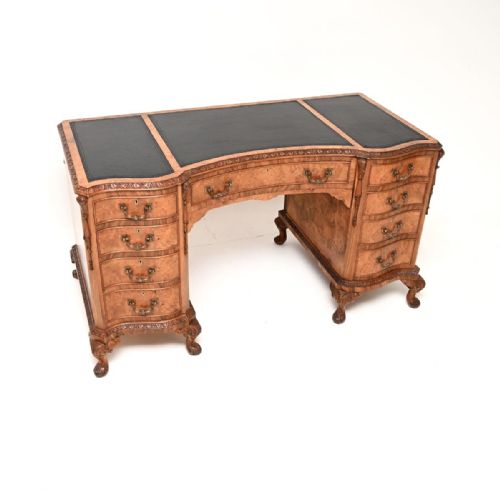
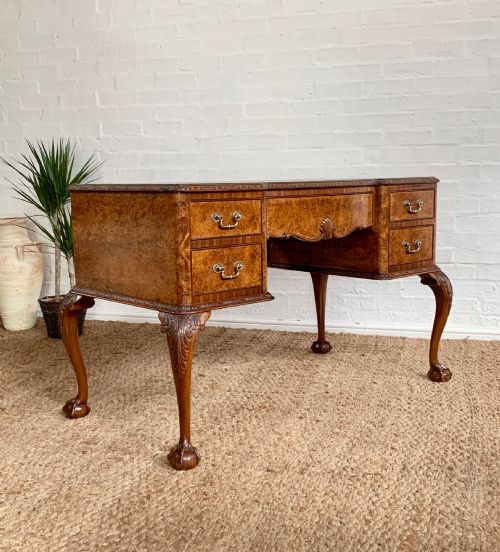
Construction relied on traditional joinery methods, incorporating solid timber legs shaped into animalistic feet grasping spheres. Brass hardware, leather writing surfaces, and hand-carved mouldings completed the finer pieces.
Several tripod tables retain the original mechanism that allows the top to flip flat against the pillar when tea time ends.
What varies in quality
The depth and definition of the carved foot dictate the visual success of the piece, separating finely articulated bird or beast claws from softer, more generalised moulding. Original surfaces and rich patination on eighteenth century examples hold greater appeal than later restorations or heavily stripped timber.
Proportion and timber selection drive the distinction between standard production and superior craftsmanship. Uniform grain matching across large table tops and desks indicates careful selection by the maker.
Shapland and Petter
The Claw and Ball Pedestal Glossary
- Piecrust rim
- A raised, decoratively carved edge shaped in undulating curves, commonly found on eighteenth century tea tables and tripod tables. This moulding prevented tableware from sliding.
- Tilt top table
- A table featuring a mechanism that allows the top to pivot to a vertical position when not in use. This design saved space in period rooms.
- Tripod table
- A small freestanding table supported by a pillar above three spreading legs. These pieces offered versatile placement as wine tables or torchères.
- Partners desk
- A large double-sided desk designed for two people to work opposite one another. These frequently incorporate drawers and cupboards on both elevations.
- Torchiere
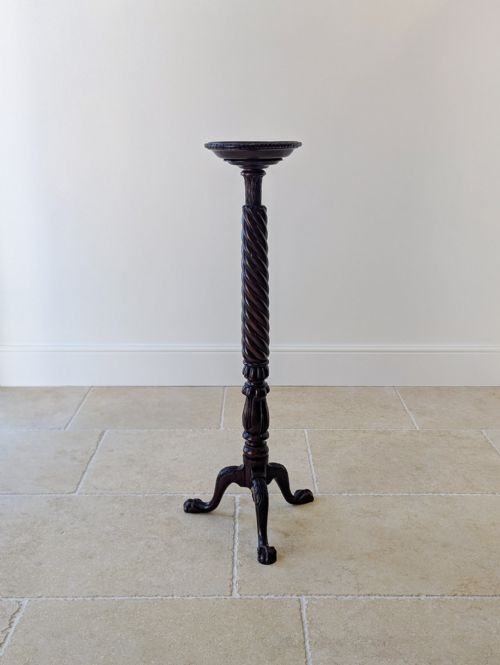
- A tall stand designed to hold a lamp or candle, often featuring carved columns and tripod bases. They elevated light sources in larger rooms.
Claw and Ball Pedestal: Frequently Asked Questions
What is a claw and ball pedestal?
A claw and ball pedestal refers to furniture supported by a carved pillar and foot design where an avian or animal talon clutches a sphere. These supports appear primarily on tables, desks, and plant stands across various periods.
Craftsmen utilised this motif to add sculptural weight and decorative interest to the base of freestanding items, ensuring stability while displaying ornamental carving skill.
How do I date a tilt top table?
Dating relies on timber species, construction joints, and carving styles, distinguishing eighteenth century originals from Edwardian and later revivals. Eighteenth century pieces often display deep patination and hand-turned pillars.
Revival pieces from the early twentieth century utilise similar mahogany or walnut timbers but frequently employ standardised mechanical joints and machine-assisted carving on the pedestal base.
Where were pedestal desks used?
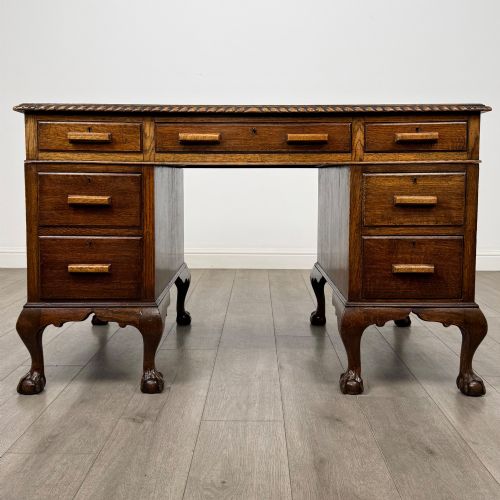
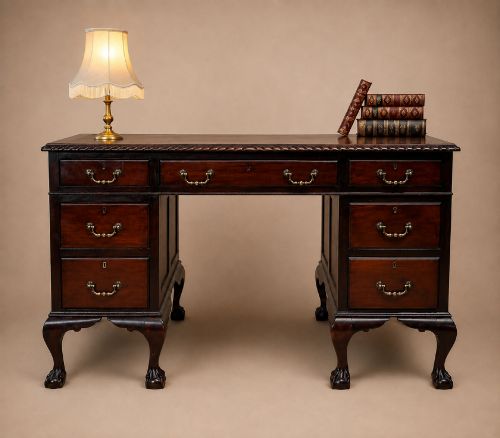
Pedestal desks served as primary workspace furniture in libraries, studies, and offices of grand houses and commercial premises. Their twin-pedestal construction provided substantial internal storage through integrated drawers.
These desks often featured inset leather writing surfaces suited for correspondence and administrative tasks, positioned centrally within a room or against walls.
Are plant stands stable?
Plant stands utilise heavy timber bases and spreading tripod legs to support heavy jardinieres and lamps safely. The weight distribution prevents tipping under standard domestic conditions.
While slender in appearance, items like torchères and tall stands were engineered to maintain balance while elevating decorative objects off the floor.