

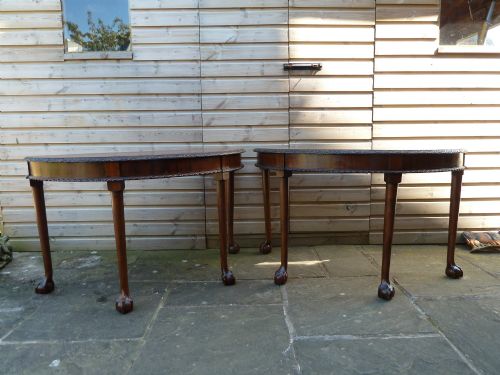

Claw and Ball Foot Table
A claw and ball foot table unites structural strength with animal grace, bringing eighteenthand nineteenth-century cabinet work directly to your interior.
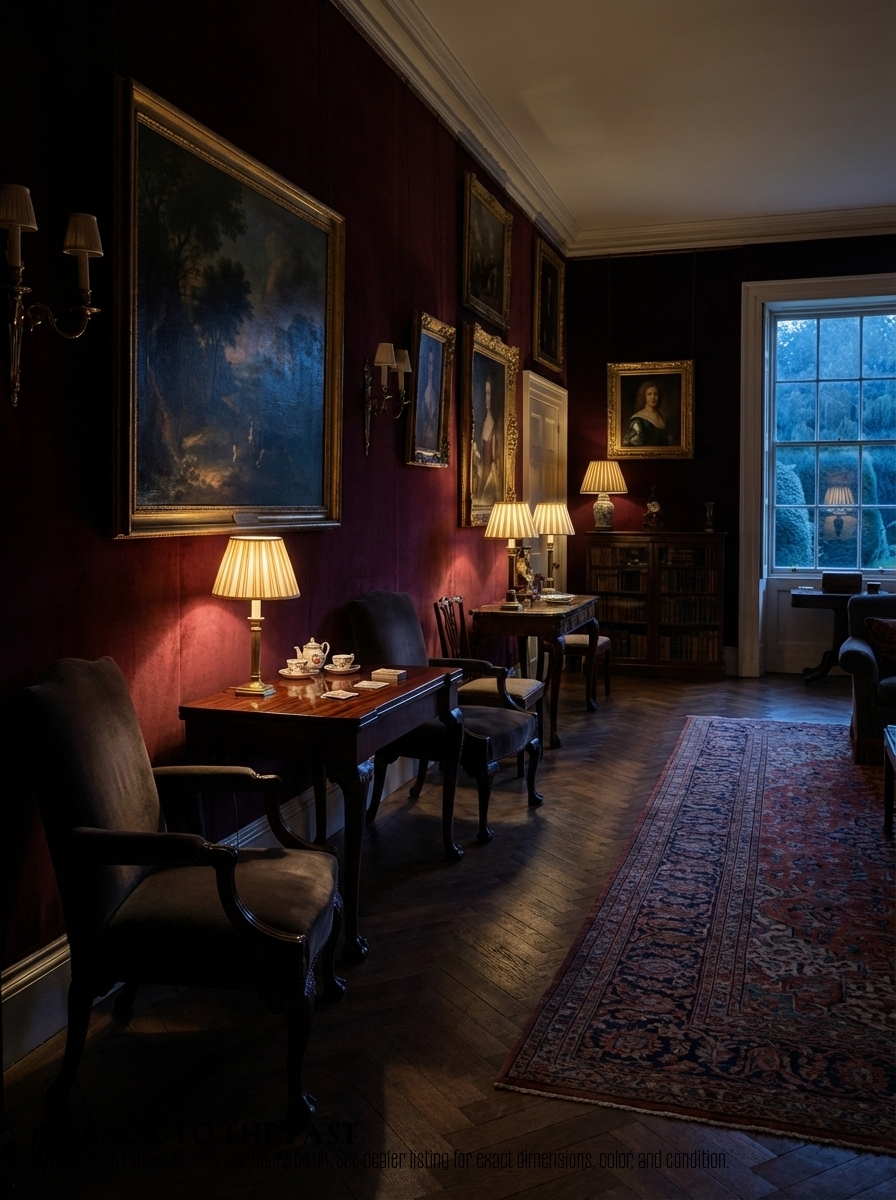
Claw and Ball Foot Table
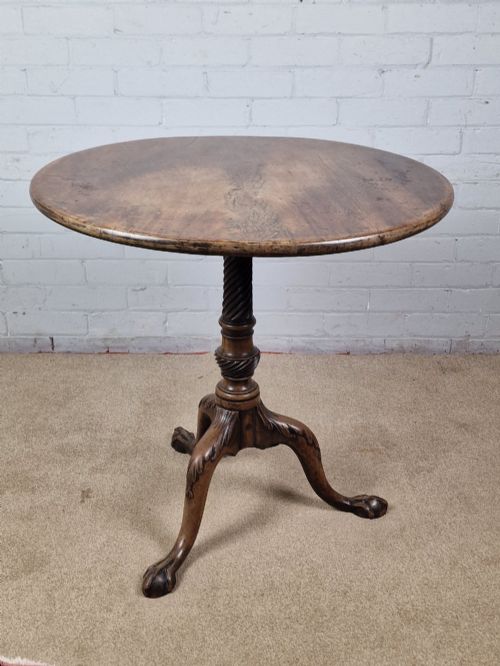
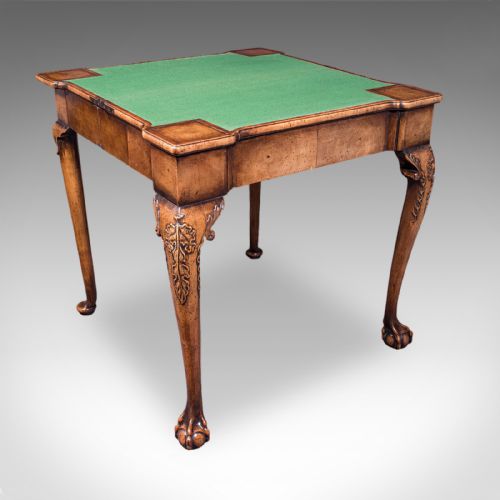
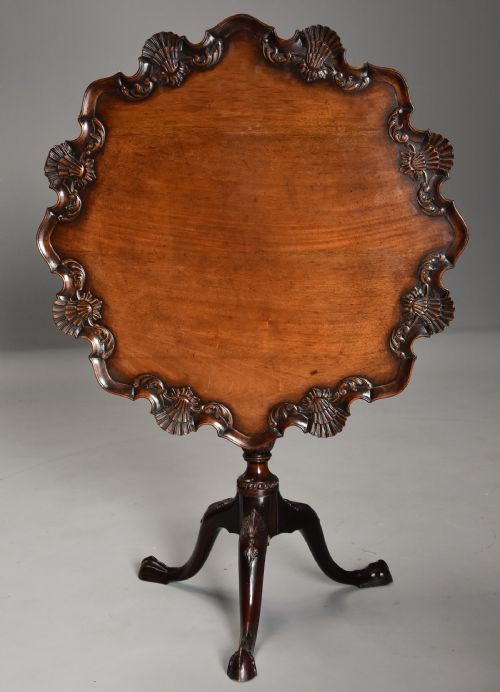
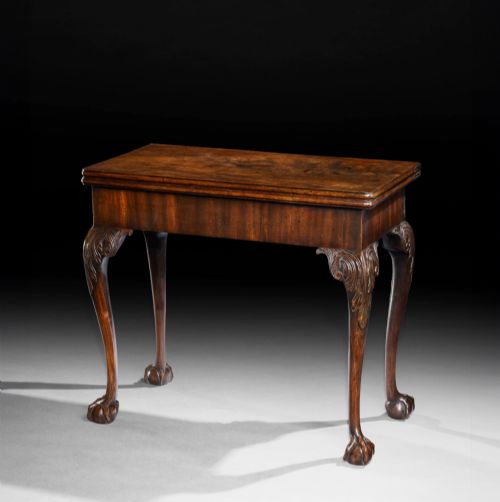
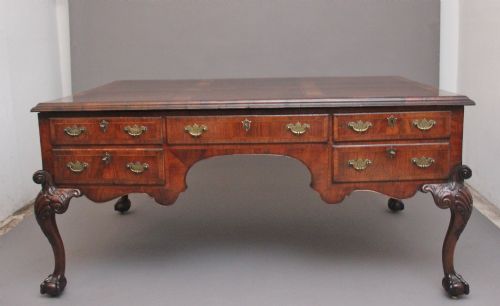
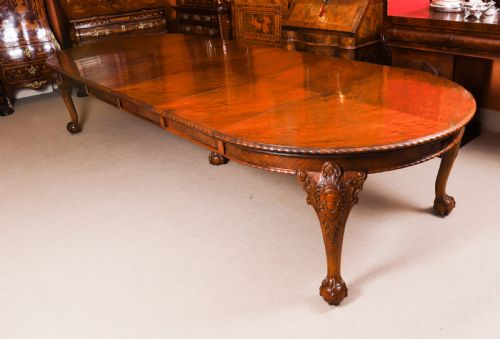
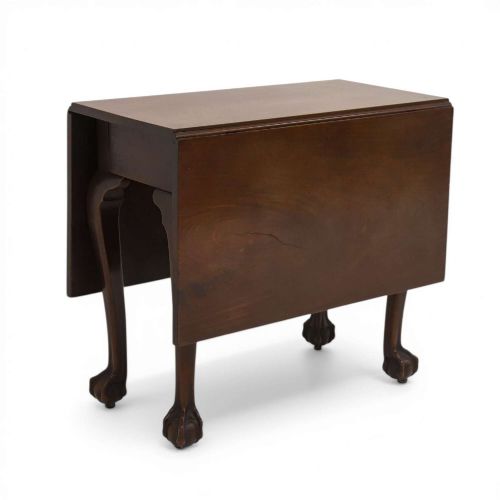
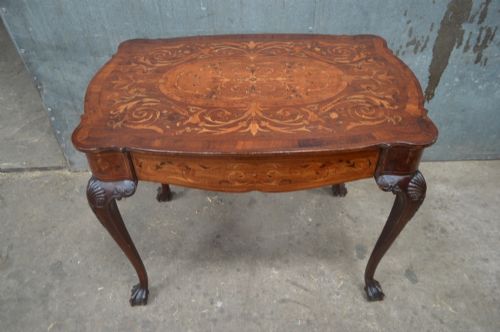
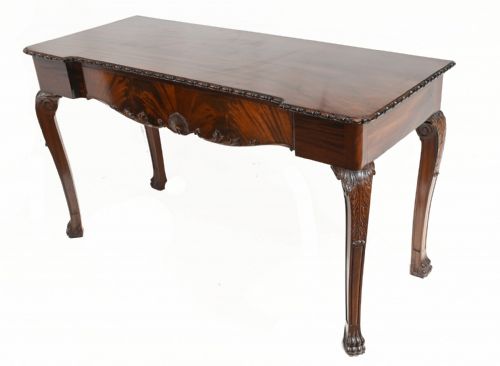
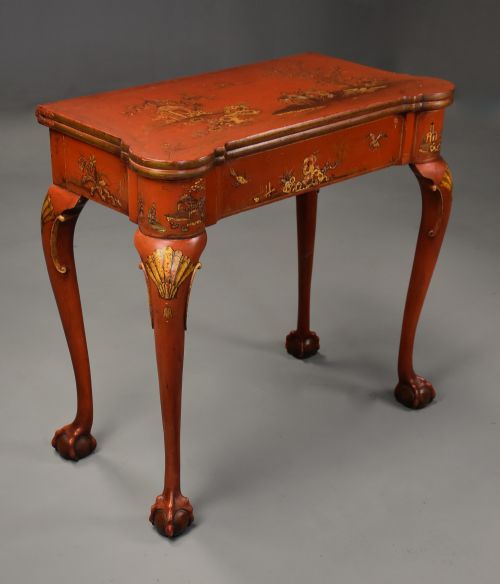
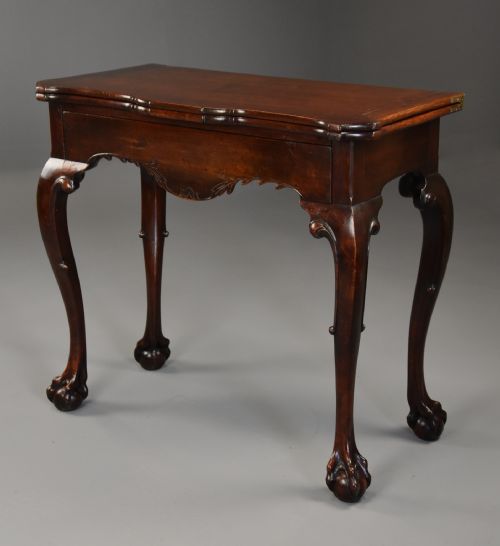
When searching for a claw and ball foot table, buyers encounter a specific form of antique table defined by carved cabriole legs ending in a stylized bird talon grasping a sphere. These pieces span centuries, originating in eighteenth-century workshops and reappearing in later revival periods up to the twentieth century.
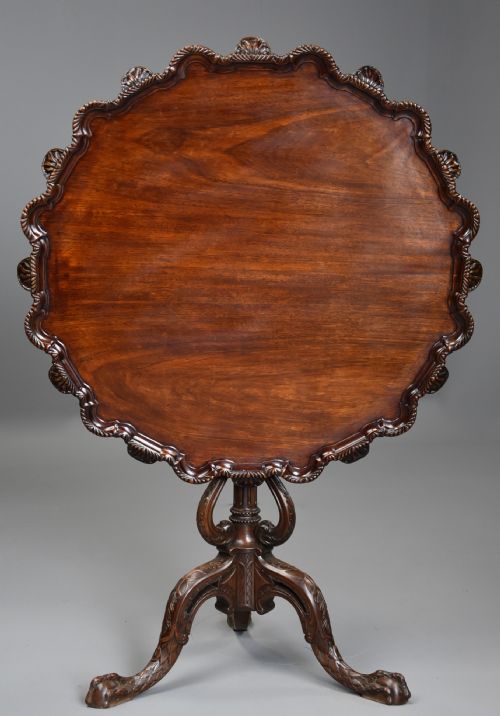
The selections available here range widely in domestic utility. They include fold-over card tables, tilt-top tripod tables, tea tables, and larger dining surfaces suitable for daily use.
Mahogany and walnut predominate among the surviving examples, often shaped into side tables, occasional tables, and games tables that reflect Georgian and revival aesthetics.
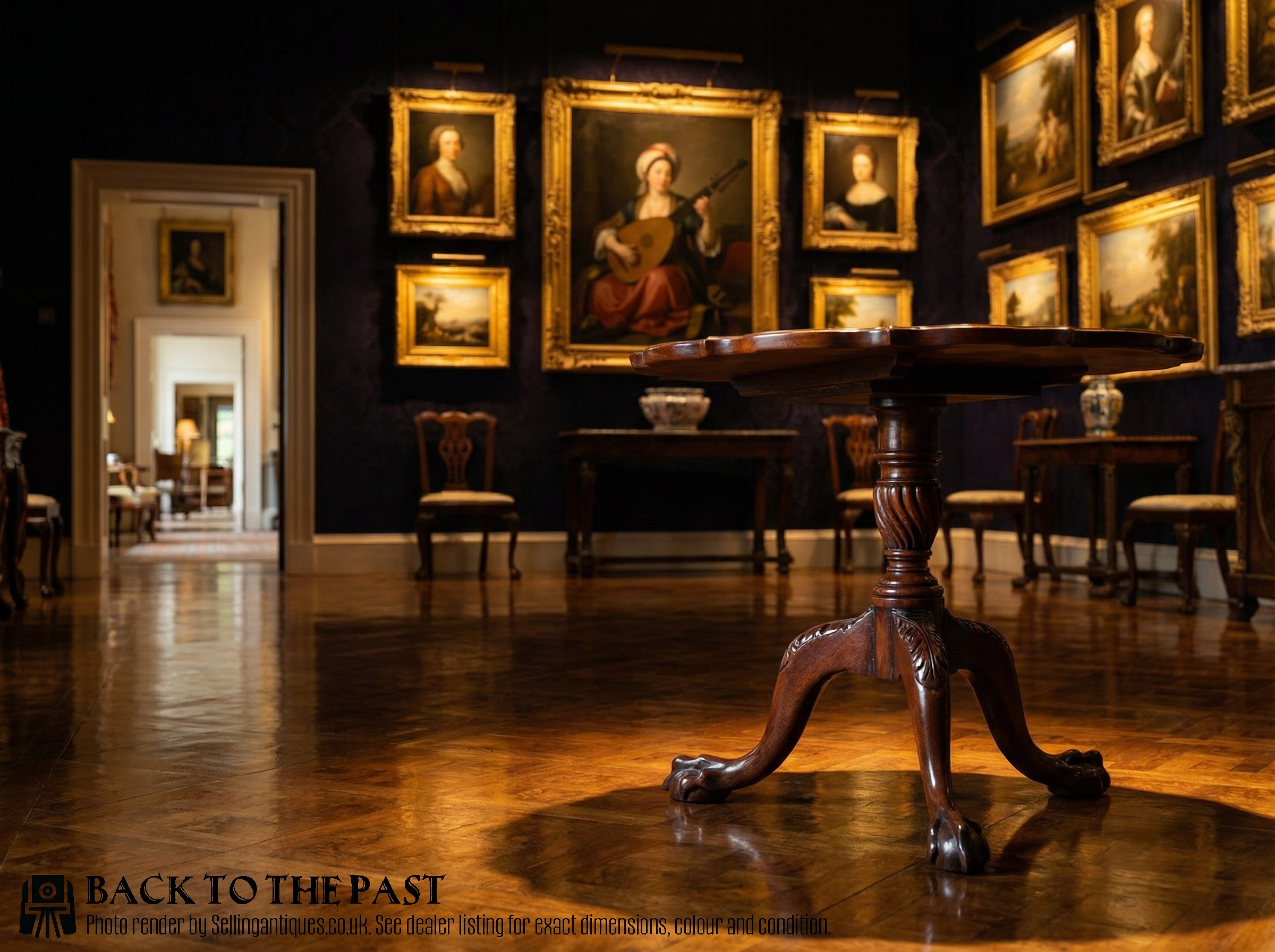
Materials and construction methods
Cabinet makers built these tables primarily using solid timbers and veneers of mahogany and walnut, occasionally incorporating burr walnut for figured surfaces and flame mahogany for dramatic grain patterns.
Joinery techniques relied on traditional framing methods, including concertina actions for expanding card tables and tilt-top mechanisms fitted to tripod bases for easy storage when not in use.
Claw and Ball Foot Table Retail Price Guide 2026
Typical asking prices for claw and ball foot table among the pieces listed under this phrase on Sellingantiques today, from the lower quarter to the upper quarter. They describe what is for sale here now, not the wider market.
What separates examples
Distinction across these tables rests heavily on the depth and crispness of the carving upon the cabriole legs and the talon motifs. Superior items display undercut talons and muscular forms, whereas lesser examples show flat, simplified shaping.
The choice of timber and the preservation of original patination also govern quality. Pieces retaining untouched surfaces and dense, figured grain command greater respect than those stripped and heavily refinished.
Giles Grendey·Maple & Co·Gillows·Walker & Hall·Muirhead Moffat & Co·S & H Jewell London
The Claw and Ball Foot Table Glossary
- Cabriole leg
- A furniture leg that bends outward in a convex curve and tapers inward in a concave curve, ending in a foot. This shape mimics the natural leg of an animal and underpins the design of eighteenth-century tables.
- Tilt-top table
- A small occasional or tea table fitted with a hinge mechanism allowing the tabletop to pivot into a vertical position. This saved floor space in period rooms.
- Concertina action
- An expanding frame mechanism used on card tables that extends like an accordion to support the folding top when opened. It provides stable leg clearance for players.
- Tripod table
- A freestanding table supported by a central pillar resting on three curving legs. They appear frequently in tilt-top configurations.
- Patina
- The surface sheen and mellowing developed by wood and polish over decades of handling and exposure to light. Collectors value untouched patination as a sign of age and authenticity.
Claw and Ball Foot Table: Frequently Asked Questions
How do I identify a true period table?
Examine the timber shrinkage, joinery marks, and the tool work inside the frame. Eighteenth-century pieces display hand-cut joinery and timber movement consistent with age.
Compare the carving style of the cabriole leg and foot against documented examples from the Georgian era to confirm period authenticity.
What were tilt-top tables used for?
Tilt-top tables served as versatile occasional surfaces for taking tea, reading, or holding light objects during the day. Their pivoting mechanism allowed them to be folded flat against a wall when not in use to clear floor space.
They frequently sat beside chairs in parlours or drawing rooms.
How do I care for a walnut table?
Keep walnut and mahogany tables away from direct heat sources and strong sunlight to prevent the timber veneers from drying and cracking. Maintain a stable indoor climate to protect the polish and structural joints.
Dust regularly with a dry cloth and apply occasional wax suitable for antique finishes.
Are revival pieces as good as Georgian ones?
Revival pieces from the late nineteenth and early twentieth centuries often display high standards of cabinet making and timber selection. They provide durable domestic options for modern homes while echoing earlier designs.
While they lack eighteenth-century age, skilled workshops produced fine quality reproductions.