


Claw and Ball Feet Table
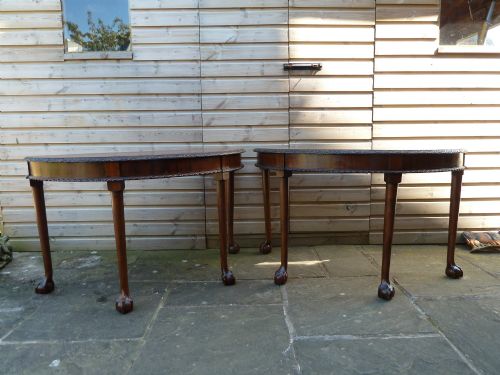
These claw and ball feet table selections bring solid timber frames and carved supports together for everyday utility.
Claw and Ball Feet Table
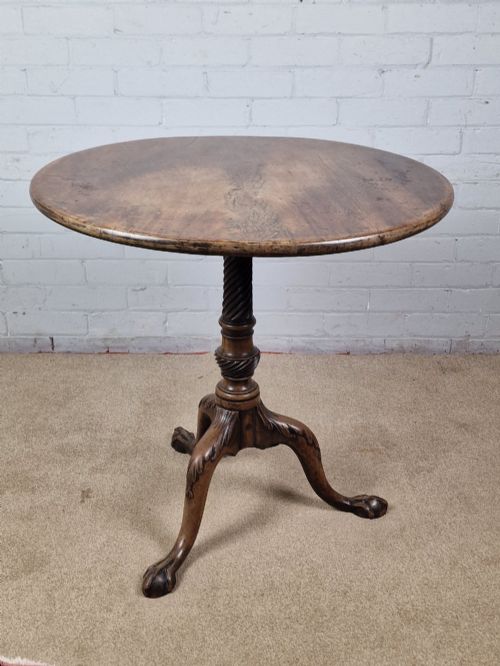
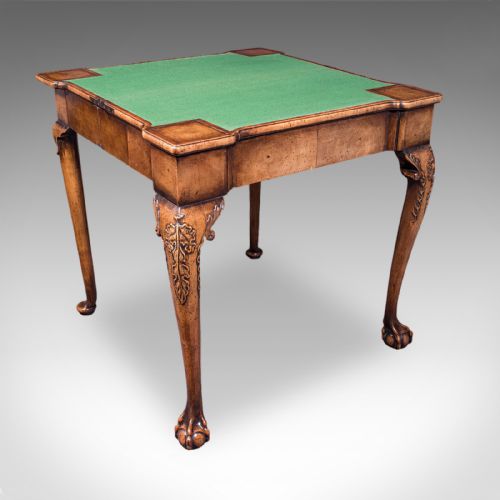
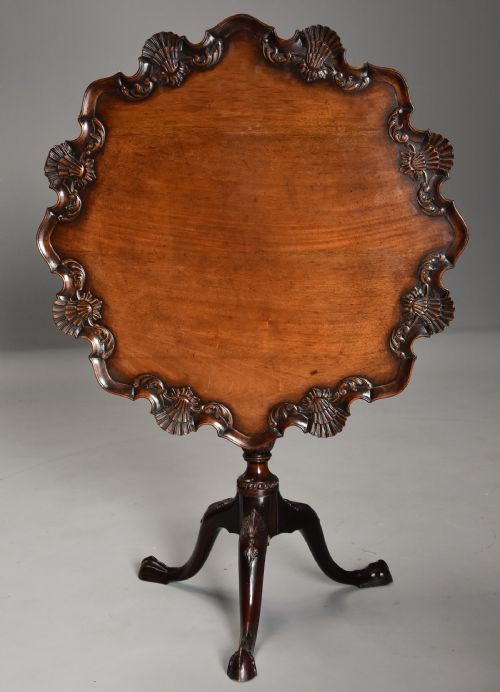
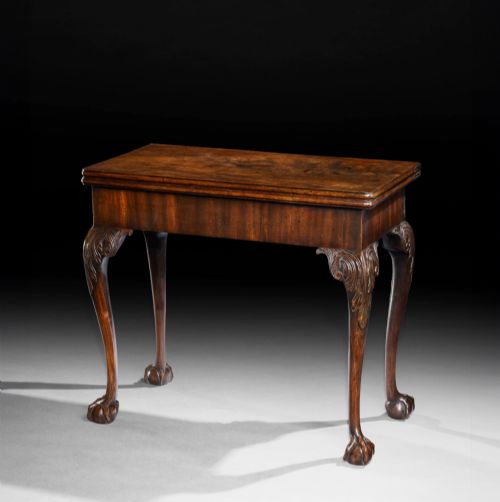
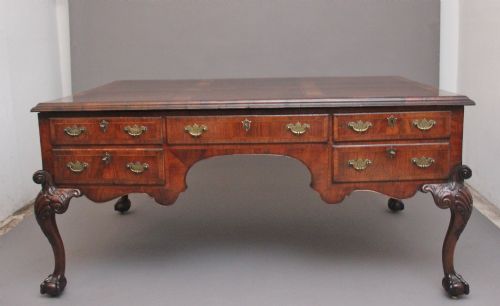
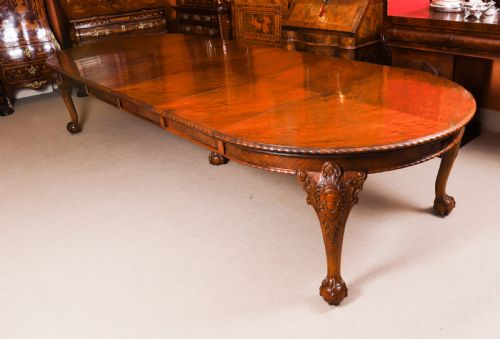
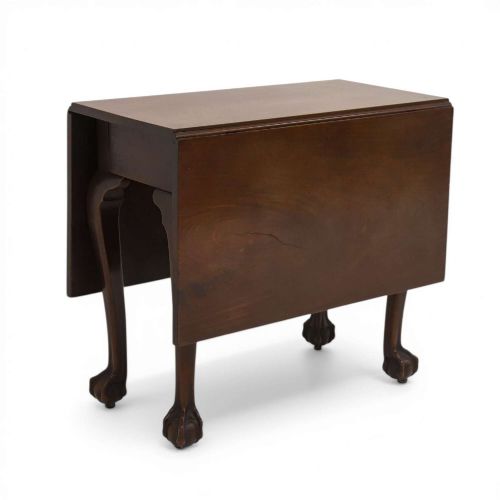
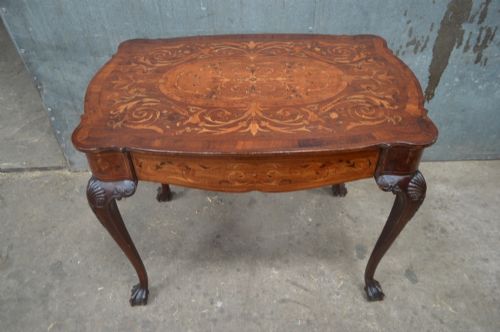
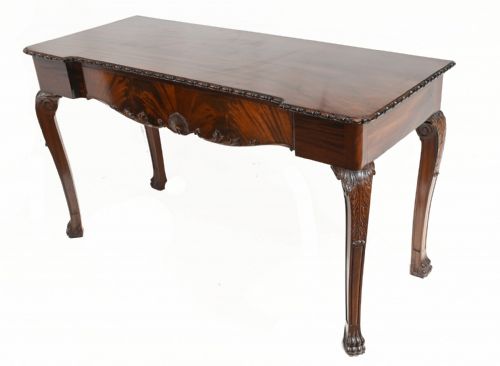
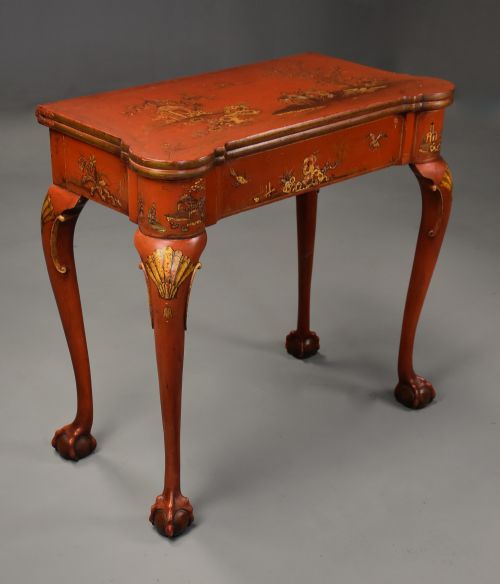
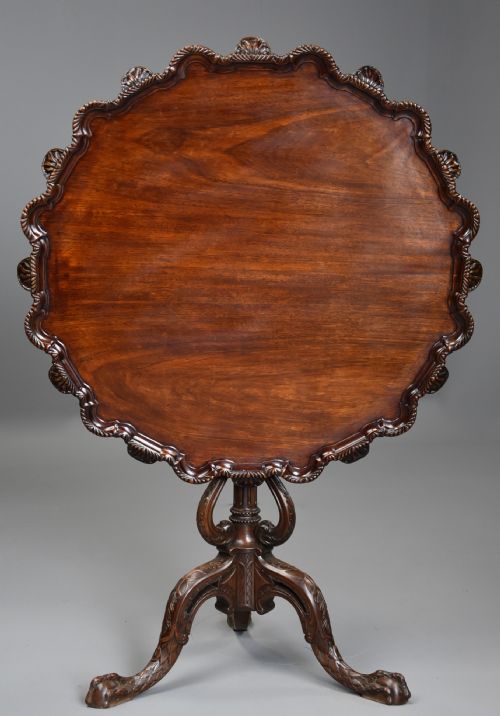
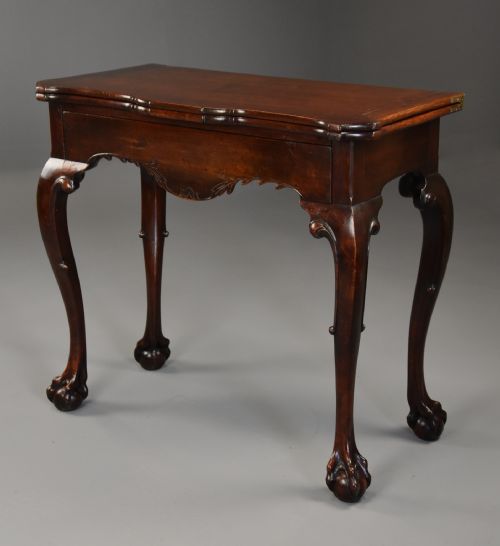
A claw and ball feet table takes several forms across this selection, appearing as card tables, tea tables, tilt top tables, and occasional tables. Buyers seek these pieces for their sturdy cabriole supports and traditional silhouettes derived from eighteenth century and revival periods.
The most common versions met on this page belong to the Georgian and George II eras alongside later Chippendale and Queen Anne revivals from the nineteenth and early twentieth centuries. These tables serve practical functions in dining rooms, libraries, and drawing rooms alike.
Makers utilised resilient timbers such as mahogany and walnut, often applying flame veneer or burr walnut to enhance the top surfaces. The defining feature remains the carved terminal representing a bird's talon clutching a sphere.
How they were made
Cabinet makers constructed the primary frames of these tables using solid mahogany or walnut, frequently mounting hinged leaves, concertina actions, or tilt top mechanisms. Timber selection focused on grain pattern and density to ensure the cabriole legs could support the weight without warping.
Surface decoration involved hand carving the knees and feet, alongside marquetry inlays or crossbanding on selected walnut and mahogany examples. Polishing relied on traditional finishes that highlighted the natural figure of the wood.
Secondary elements incorporated brass hinges, leather writing inserts, or baize linings for games and card tables. Joinery techniques included precise mortise and tenon joints to guarantee stability under daily use.
Claw and Ball Feet Table Retail Price Guide 2026
Typical asking prices for claw and ball feet table among the pieces listed under this phrase on Sellingantiques today, from the lower quarter to the upper quarter. They describe what is for sale here now, not the wider market.
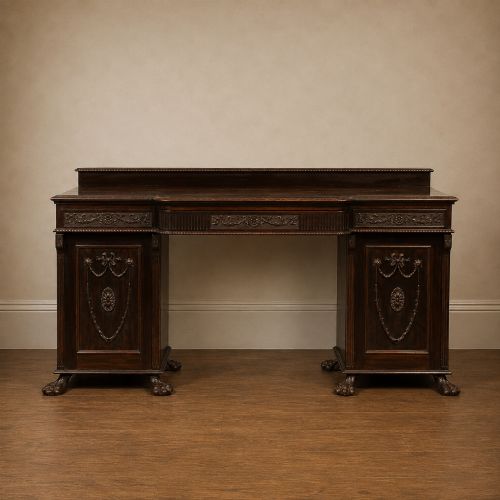
The inventory bridges Georgian origins with Edwardian and late Victorian revivals, spanning card tables, desks, and tilt tops.
What varies in quality
The depth and crispness of the hand carving on the knees and claw feet separate standard production from superior examples. Master carvers achieved realistic feather or scale texture on the talon and defined knuckles on the ball.
Timber selection dictates the visual appeal of the top surface, where matched flame mahogany veneer or well figured burr walnut commands greater attention. The integration of mechanical parts, such as smoothly operating concertina frames for card tables, indicates higher workshop standards.
Giles Grendey·Maple and Co·Gillows·Walker and Hall·S and H Jewell·Muirhead Moffat and Co
The Claw and Ball Feet Table Glossary
- Cabriole leg
- A furniture leg that curves outward at the knee and tapers inward toward the ankle, mimicking animal limbs. This form provides structural support without heavy vertical posts.
- Tilt top table
- A small occasional or tea table featuring a mechanism that allows the surface to pivot vertically for storage against a wall. It relies on a tripod base for balance.
- Concertina action
- An expanding table frame that stretches outward like an accordion to support a fold over top. This mechanism creates a stable surface for card games.
- Piecrust edge
- A raised, carved border shaped in undulating curves resembling pastry work on a tabletop. It prevents items from rolling off the surface.
- Marquetry
- The art of applying decorative veneer pieces in geometric or pictorial patterns onto a solid wood base. Craftsmen used various contrasting timbers to achieve tonal depth.
Claw and Ball Feet Table: Frequently Asked Questions
What is a claw and ball feet table used for?
These tables served various domestic functions historically, operating primarily as tea tables, card tables, or central serving surfaces in formal rooms. Their sturdy construction allowed them to handle daily household activities.
Today, buyers utilise them as occasional lamp tables, coffee tables, or writing desks in modern interiors. They provide functional surface area while anchoring a room with traditional timber character.
How do I distinguish eighteenth century pieces from later revivals?
Examining the timber construction, tool marks, and secondary woods on the underside reveals the true age of a piece. Eighteenth century examples display hand sawn framing and timber shrinkage consistent with age.
Revival pieces from the Victorian and Edwardian eras often feature machine cut components and standardised joinery methods. Makers during these later periods deliberately copied earlier George II and Chippendale styles.
How should I care for a walnut or mahogany table?
Keep wooden tables away from direct sunlight and extreme heat sources to prevent the timber and veneer from splitting. Applying a suitable wax polish maintains the moisture and sheen of the finish.
Avoid placing damp glasses or hot dishes directly onto the surface to protect the polish from water rings and heat damage. Use coasters and felt pads for everyday protection.
What woods were commonly used for these tables?
Mahogany and walnut form the primary materials across these listings, valued for their strength and rich grain patterns. Craftsmen utilised solid cuts for structural frames and carved elements.
Selected surfaces also feature burr walnut or flame mahogany veneers to create decorative patterns. Oak appears occasionally in earlier regional pieces and structural linings.