


Classical Still Life Artwork
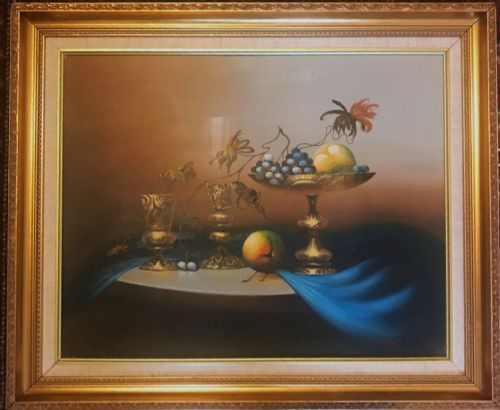
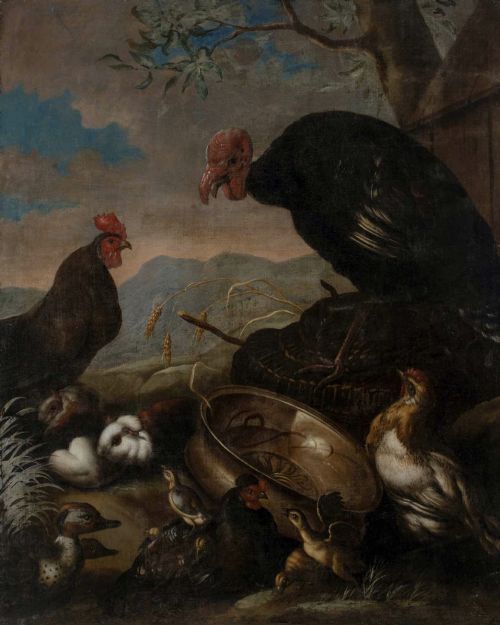
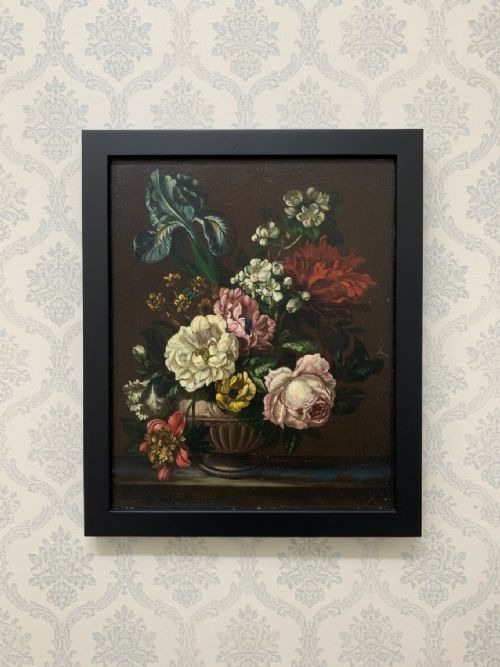
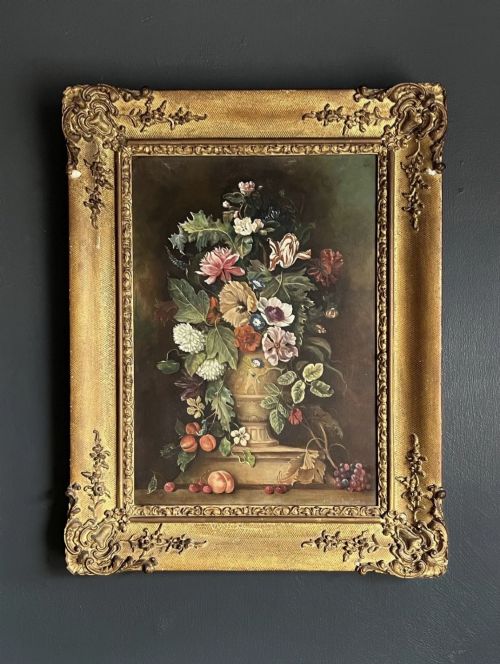
Classical still life artwork brings centuries of painted fruit, flowers, and animals into a room through oil on canvas.
Classical Still Life Artwork
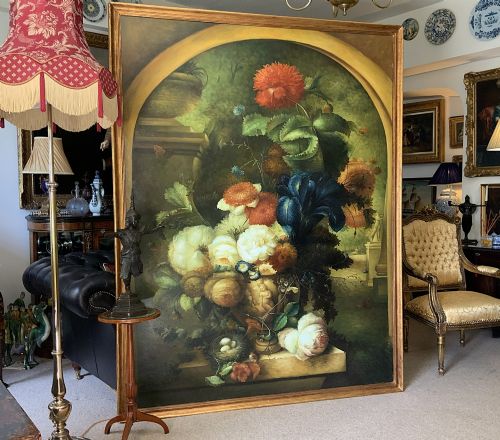
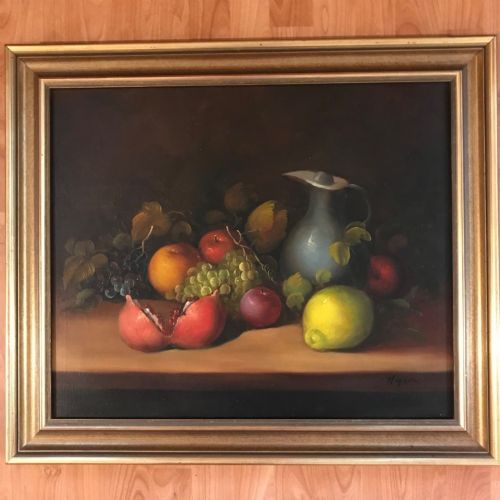
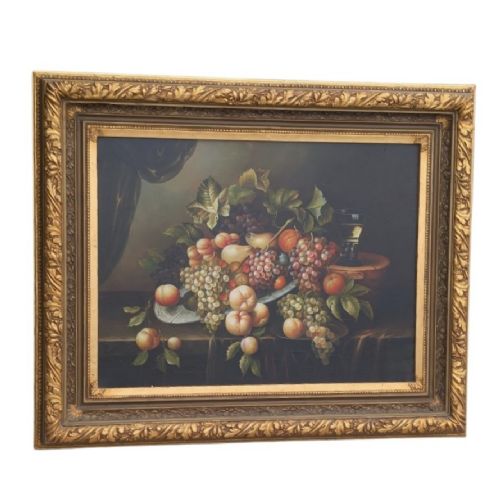
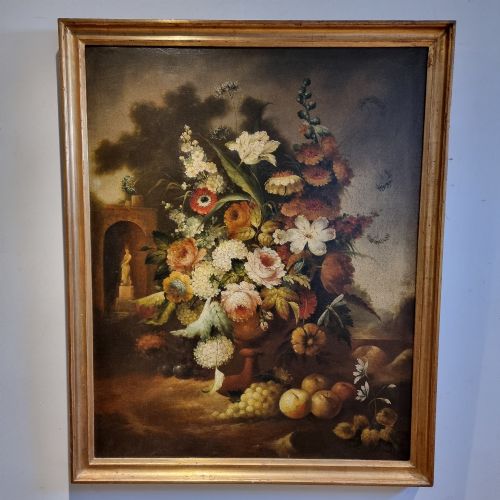
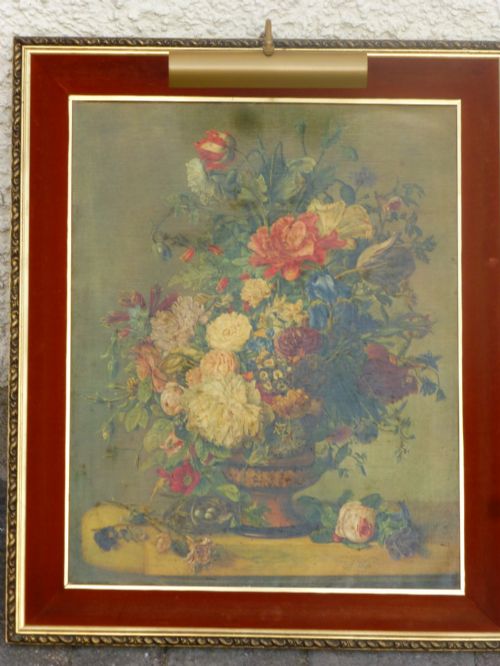
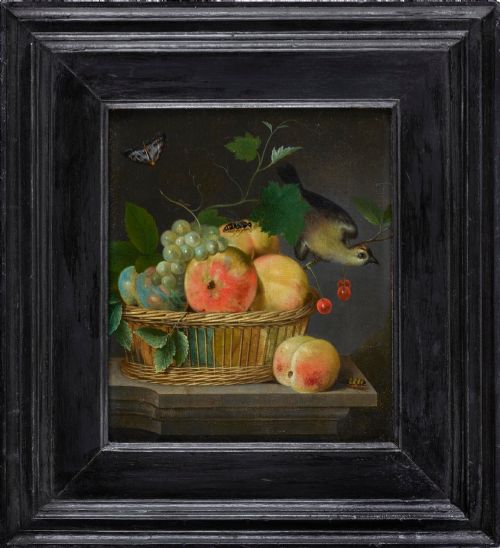
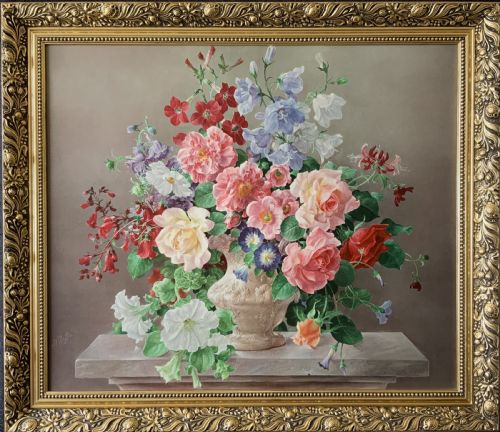
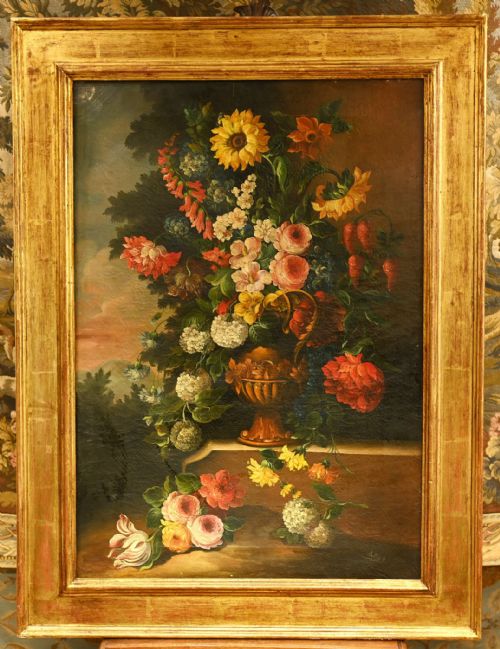
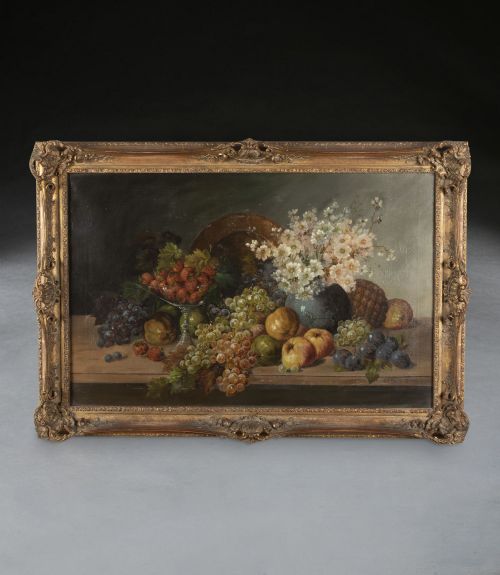
Classical still life artwork captures arranged subjects like fruit, flowers, birds, and vases, echoing centuries of European painting traditions. These pieces range from monumental Dutch-style floral compositions to modest depictions of apples and grapes.
The selections span from the seventeenth century through to the mid-twentieth century, including Victorian works and later reinterpretations. Buyers frequently encounter oil paintings on canvas or panel, alongside framed prints and oleographs.
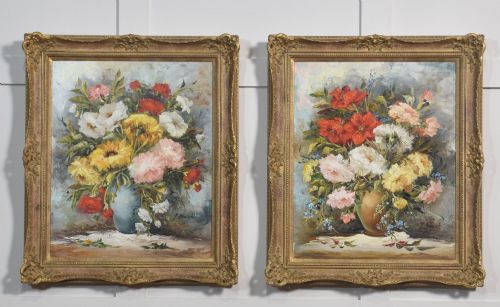
Origin points vary across British, Dutch, Flemish, French, Italian, and Hungarian schools. Formats stretch from intimate studies to large pairs and seven-foot monumental canvases suitable for prominent wall placement.
Materials and construction
Artists painted primarily with oil paint on stretched canvas or wooden panels, building rich textures and deep tones over time. Some works incorporate gesso frames finished with gilt or gilded wood.
Surviving pieces rely on traditional joinery for their frames, while the paintings themselves demonstrate layered brushwork. Later examples include printed oleographs that emulate the surface texture of original oil paintings.
Listings feature works spanning from the seventeenth century to the 1960s, executed in oil on canvas, oil on panel, and watercolour on wood and paper.
Distinctions in quality
Quality rests in the handling of light, shadow, and detail within the arrangement of subjects. Master painters achieve depth and naturalism in fruit skins, petals, and plumage that lesser hands miss.
The execution of the surrounding frame matters equally, with hand-carved gilt gesso frames offering greater substance than simpler or later replacements.
Angelo Maria Crivelli·Gaspar Peeter Verbruggen·Harold Clayton·Manuela Bonati·Jean Baptiste Isabey·Bela Balogh·Henry Schouten·Bartolome Murillo·George Lance
The Classical Still Life Artwork Glossary
- Oil on Canvas
- A traditional painting medium where pigment mixed with oil is applied to a woven fabric support stretched over a wooden frame. This combination allows for rich blending and enduring colour.
- Giltwood
- Wood that has been coated with a thin layer of gold leaf or powder. It provides a bright, reflective border for oil paintings.
- Gesso
- A plaster-like mixture applied to wood or canvas as a base for paint or gilding. It creates a smooth, durable surface for decorative frames.
- Oleograph
- A mechanical colour print textured to imitate an oil painting on canvas. These appeared widely in the nineteenth and twentieth centuries as affordable wall art.
- Dutch Golden Age Style
- An artistic approach reflecting the realism and subject matter of seventeenth-century Netherlands painting. It focuses on domestic interiors, flowers, and carefully observed table spreads.
Classical Still Life Artwork: Frequently Asked Questions
How do I date a still life oil painting?
Dating relies on canvas preparation, stretcher construction, pigment analysis, and the style of the frame. Clothing, glassware, and pottery depicted within the composition also offer clues to the era.
Signatures and inscriptions help, though many historical works remain unsigned or bear later additions. Comparing brushwork technique to documented artists provides further confirmation.
Where should I hang a large still life?
Monumental canvases suit principal reception rooms or dining areas where wall space allows the composition to anchor the room. Smaller studies work well in narrower passages or grouped together.
Keep pieces away from direct sunlight and steady moisture to protect the oil paint and canvas. Proper placement prevents warping in the wooden stretcher and frame.
What is the difference between an oil painting and an oleograph?
An original oil painting consists of hand-applied pigment layered onto canvas or wood by an artist. Under magnification, the brushstrokes and ridges of dried paint are clearly visible.
An oleograph is a printed reproduction processed to mimic the texture of canvas and paint. These lack the depth and individual mark-making of true hand-painted works.
How do I care for antique gilded frames?
Gilded frames require gentle dusting with a soft, dry brush to prevent dirt accumulation. Avoid liquid cleaners, alcohol, or abrasive cloths that can strip the delicate gold leaf.
Maintain stable indoor humidity levels to protect the underlying gesso and wood from cracking. Secure hanging hardware prevents accidental drops that damage both frame and canvas.