
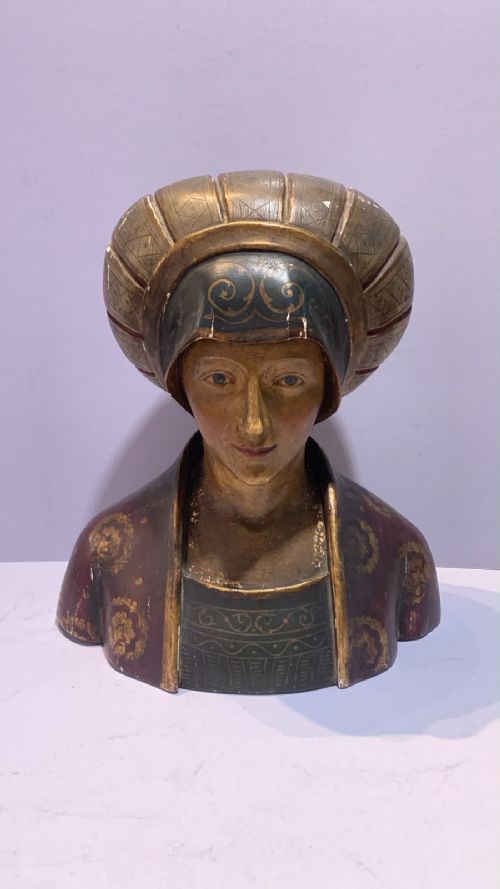
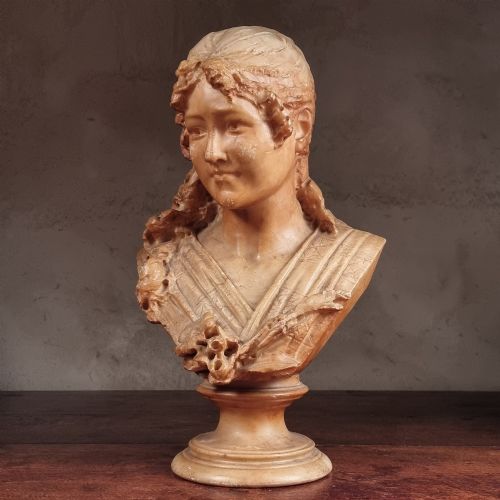
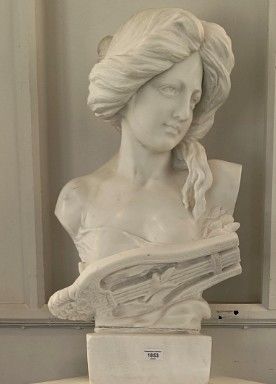
Classical Sculpture Bust
A classical sculpture bust brings the gravity of antiquity and the grand tour into a room.

Classical Sculpture Bust
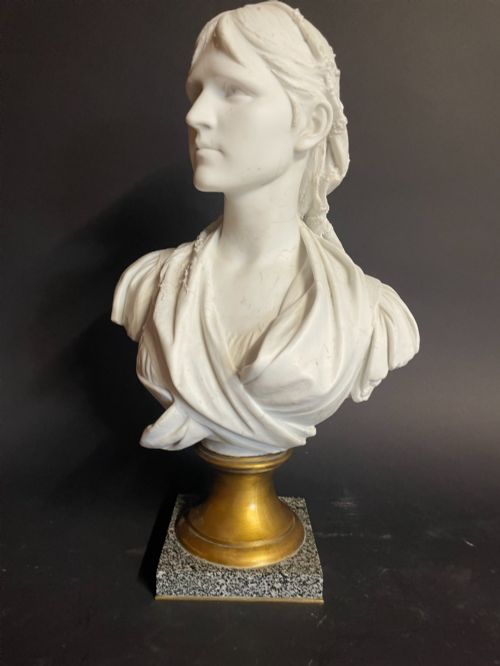
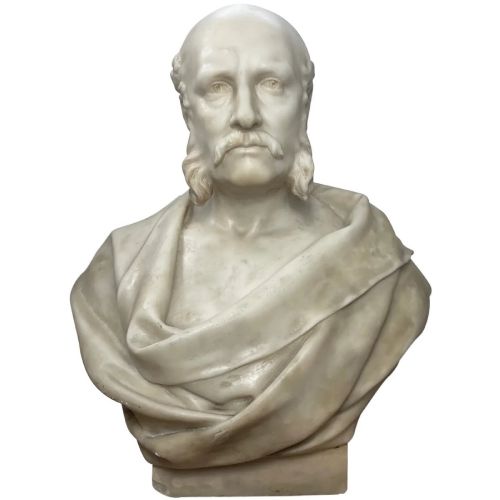
When you search for a classical sculpture bust, you encounter sculpted likenesses of historical figures, mythological subjects, and literary icons spanning the seventeenth century to the mid-twentieth century. The selection leans heavily towards nineteenth-century works, encompassing grand tour souvenirs and monumental portraits.
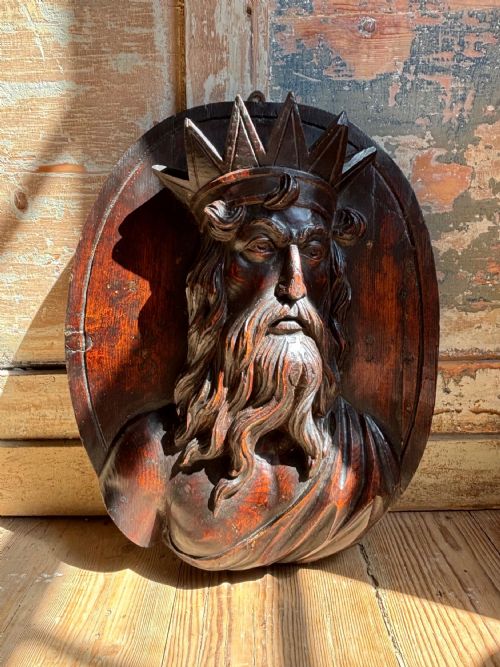
These pieces take the form of freestanding shoulder-length portraits, wall plaques, and figures set upon pedestals or columns. Subjects range from Roman emperors and Greek deities to nineteenth-century gentlemen and noblewomen.
Origins vary from Italian workshops to French studios and English foundries. You find interpretations styled in the neoclassical, baroque, and art nouveau traditions.
Materials and construction methods
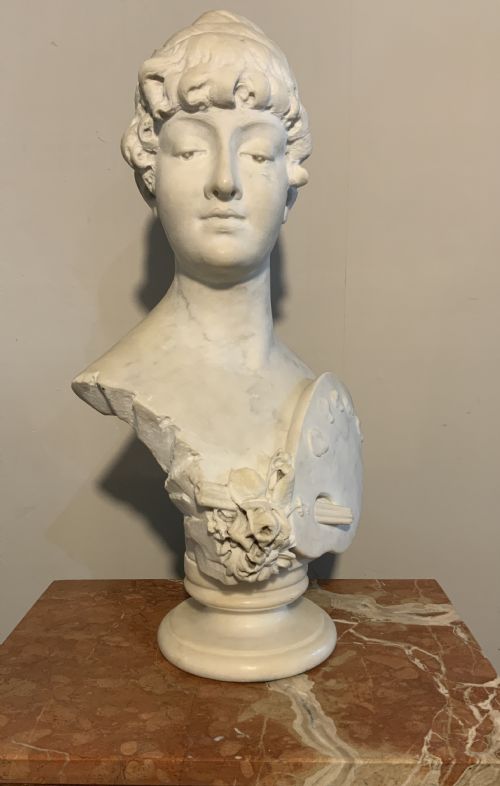
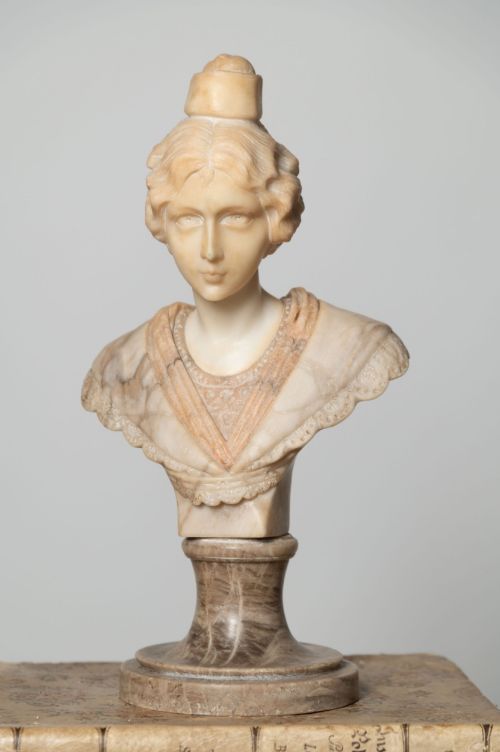
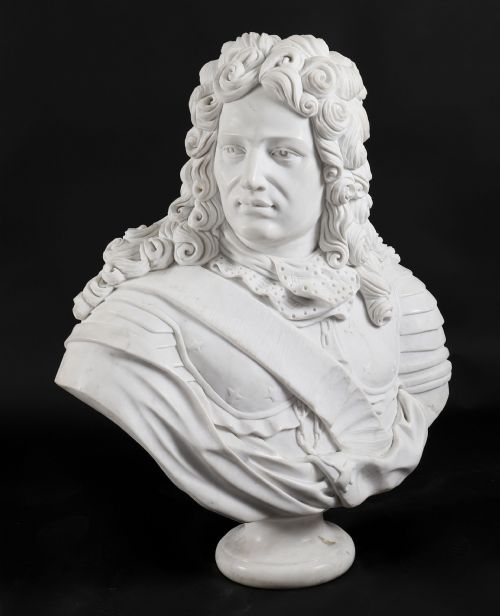
Carved stone works utilise marbles such as Carrara and honey-coloured variants, alongside alabaster and harder stone. Sculptors shaped these materials by hand, capturing intricate details in hair, drapery, and armour.
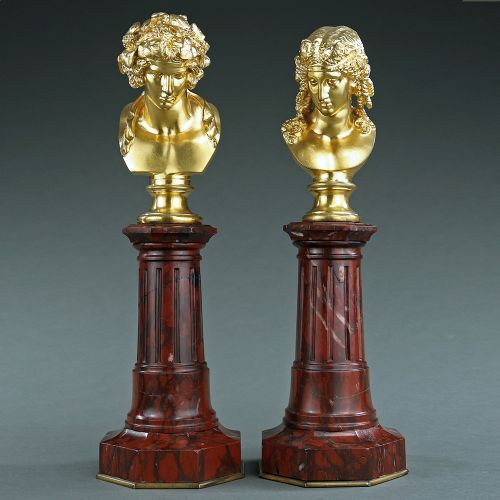
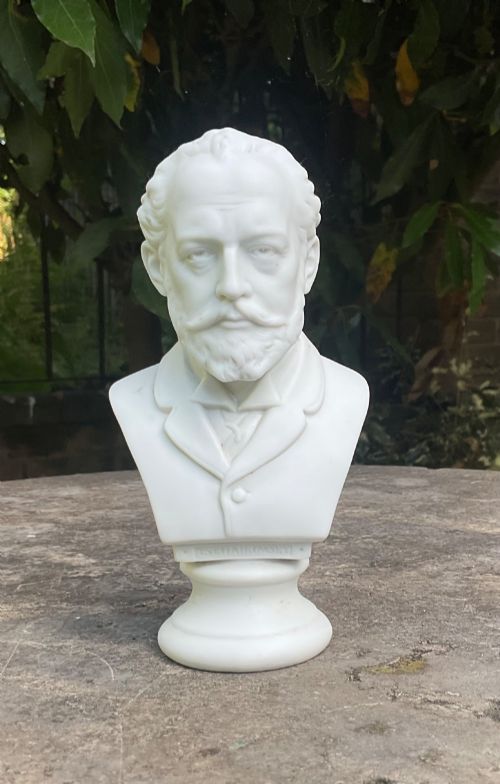
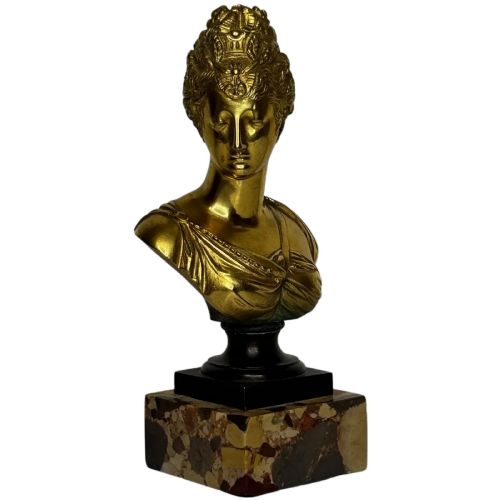
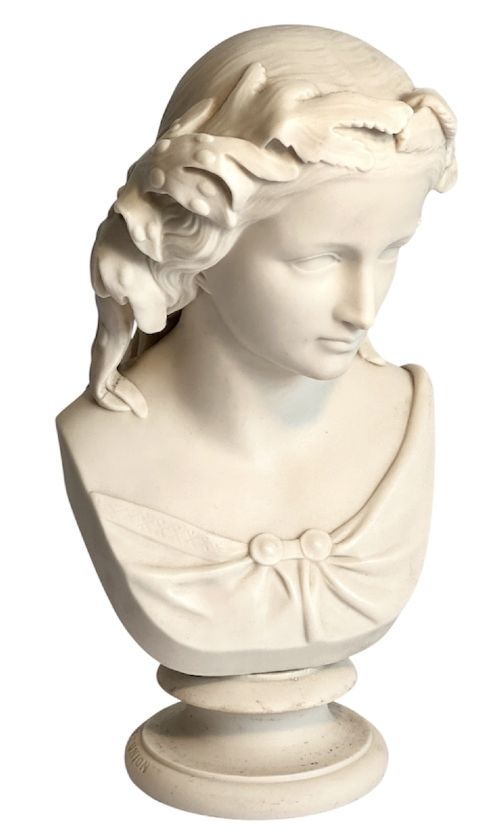
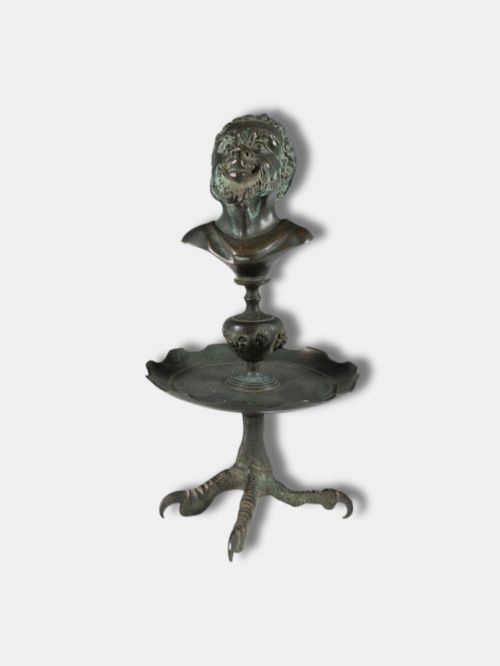
Cast metal pieces employ bronze and gilt bronze, often emerging from foundry processes that allow for sharp relief and patination. Plaster and parian porcelain serve as mediums for detailed moulded studies.
Certain objects combine media, mounting marble or bronze forms upon ormolu collars, wood supports, and stone plinths.
Listings feature periods from the seventeenth century through the Victorian era and into the mid-twentieth century.
Distinctions in craftsmanship and execution
The degree of anatomical precision and expressive depth separates standard productions from superior works. Finer carvings and casts display subtle handling of facial musculature, expression, and texture in hair or fabric.
Signatures from noted sculptors or attribution to specific foundries elevate an object, whereas unsigned or mass-produced plaster casts represent simpler manufacturing tiers.
The choice and purity of the primary material, from dense white marble to finely cast bronze with preserved patination, dictate the calibre of the piece.
Eugene Aizelin·Georges-Charles Coudray·J Francis·R Mattei·Raffaelo Monti·E.Villanis
The Classical Sculpture Bust Glossary
- Grand Tour
- A traditional trip of Europe undertaken by upper-class young European men of means, resulting in the acquisition of art and antiquities such as bronze and marble busts.
- Parian ware
- A type of bisquit porcelain resembling white marble, developed in the nineteenth century and frequently utilised for literary and classical portrait busts.
- Ormolu
- Gilt bronze applied to furniture or sculpture as a decorative mount or collar, prominent in nineteenth-century decorative arts.
- Neoclassical
- A Western cultural movement drawing inspiration from the art and culture of classical antiquity, prevalent in sculpture throughout the eighteenth and nineteenth centuries.
- Patina
- A thin layer that naturally or artificially develops on the surface of bronze and other metals through age and exposure.
Classical Sculpture Bust: Frequently Asked Questions
Where were these portrait busts originally created?
The pieces originate primarily from European workshops, with Italian and French origins appearing frequently alongside English works. Many represent souvenirs brought back from travels across the continent.
Sculptors worked within established artistic centres to produce both idealized mythological figures and specific historical portraits.
How do you display a heavy marble or stone bust?
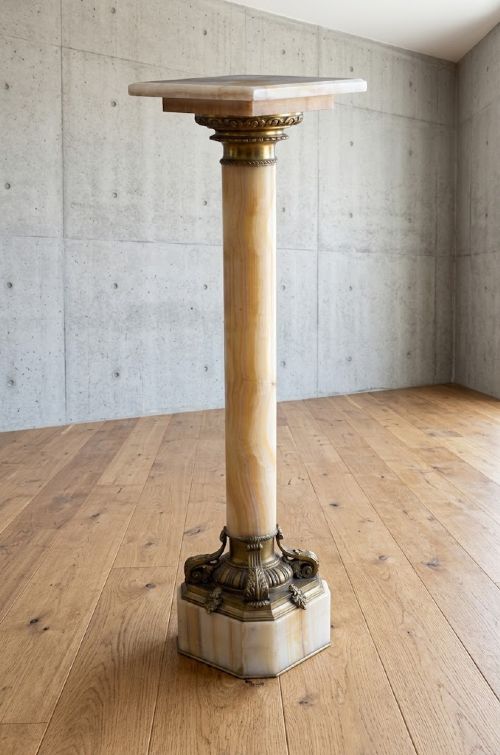
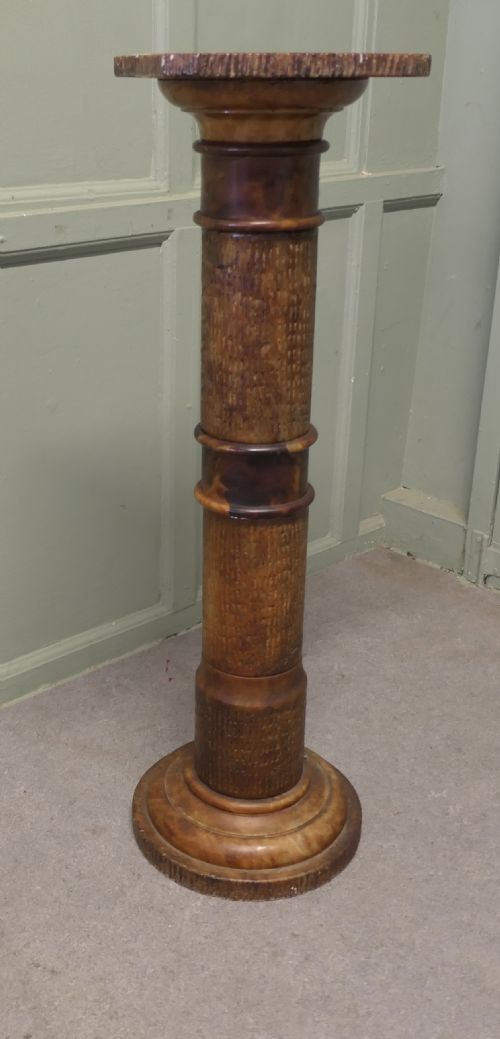
Due to their substantial weight, stone and marble busts require sturdy support such as a dedicated pedestal, heavy library table, or column. Ensuring the base is level prevents tipping.
Placement should account for the focal point of a room, allowing the profile and carved details to catch natural light.
How can you tell a grand tour piece apart?
Grand tour items often depict classical figures, philosophers, or emperors, produced in bronze, marble, or alabaster during the nineteenth century for travellers abroad. They serve as portable representations of ancient monuments and sculpture.
These pieces typically scale down monumental antiquities to fit into domestic collections.