


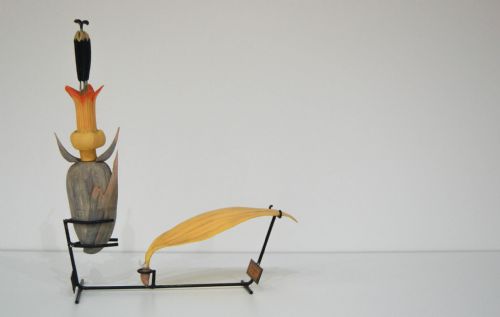

Black Plaster Sculpture
These black plaster sculpture pieces bring classical dignity and striking dark tones into a room, offering rich sculptural presence for your home.

Black Plaster Sculpture
When you search for black plaster sculpture, you enter a diverse field of figures, busts, and models shaped from gypsum and finished with dark surfaces. The examples you are most likely to meet on this page span from the Georgian and Regency periods through the nineteenth century and into the Art Deco era.
The forms range widely in subject matter, encompassing classical muses, historical emperors, animal studies, and botanical models. Makers drew inspiration from antiquity, religious devotion, and scientific study, resulting in works that served both decorative and educational purposes in period interiors.
Many of these objects adopt patination to imitate bronze or stone, giving a weighty, monolithic appearance while remaining comparatively light. You will find wall sculptures, free-standing busts on stands, and torcheres created by noted hands like Humphrey Hopper and Bohumil Rezl.
Materials and construction
The core material is plaster, poured into moulds and often reinforced with internal wooden or metal armatures to support complex forms such as extended limbs or drapery. Artisans then applied paint and dark surface treatments to achieve the characteristic black or bronzed finish seen across the nineteenth and twentieth century pieces.
Certain items incorporate secondary materials to complete the presentation, mounting plaster figures upon painted wood stands or framing religious shadowboxes with glass and brass elements. Terracotta occasionally appears as an alternative base medium for sculpted heads before the final dark coating is applied.
Listings feature plaster, painted wood, glass, brass, and terracotta across periods from the Georgian era to the nineteen-thirties.
Evaluating craftsmanship and detail
Quality rests in the crispness of the modelling and the sensitivity of the finishing hand, particularly around facial expressions, hair, and drapery folds. Finer pieces retain sharp anatomical definition and subtle surface patination that mimics aged metal or stone convincingly, whereas lesser works appear soft and indistinct.
The sophistication of the overall design elevates certain examples, such as figures attributed to skilled modellers or those retaining original stands and mounts. The integrity of the painted surface and the absence of clumsy overpainting also dictate the desirability of an individual piece.
Humphrey Hopper·Bohumil Rezl·Antoine-Felix Bouré
The Black Plaster Sculpture Glossary
- Plaster
- A workable composition based on gypsum that hardens into a solid mass. It takes fine detail well and accepts painted or bronzed finishes.
- Regency
- An English stylistic period dating from the early nineteenth century. It is heavily influenced by neoclassical motifs and classical antiquity.
- Patination
- The surface appearance acquired by a material through age or intentional treatment. In these pieces, dark paint simulates the look of oxidised bronze.
- Torchere
- A tall decorative stand or pedestal designed to support a light source or sculptural object. Examples often feature classical detailing.
- Animalier
- A nineteenth-century artistic genre focusing on the realistic depiction of animals. Sculptures in this style capture creatures in dynamic or resting poses.
Black Plaster Sculpture: Frequently Asked Questions
What is a black plaster sculpture?
A black plaster sculpture is a moulded three-dimensional artwork made from gypsum plaster and finished with a dark paint or patination. These objects often emulate bronze, terracotta, or dark stone.
They encompass a variety of subjects, including classical figures, historical busts, animals, and botanical models, produced across several centuries.
How were these sculptures used?
These pieces served primarily as interior ornaments for libraries, drawing rooms, and hallways in grand homes. Figures and busts brought classical culture and education into domestic spaces.
Some items, such as torcheres, served a functional role as stands, while others like botanical models had educational purposes in the early twentieth century.
How do I style them at home?
You can display busts and figures on mantelpieces, bookshelves, or dedicated pedestals where their dark silhouettes stand out against lighter walls. Their neutral dark tones suit both traditional period rooms and modern minimalist interiors.
Pairing them with wooden furniture or brass accents highlights the contrasting textures recorded in their construction.
How do I date a plaster piece?
Dating relies on stylistic clues, such as the neoclassical drapery of Regency pieces or the geometric styling of Art Deco busts. The choice of subject matter and the specific patination methods also point to particular decades like the nineteenth century or the nineteen-twenties.
Makers' signatures or marks, where present, help pinpoint the exact workshop or period of origin.