

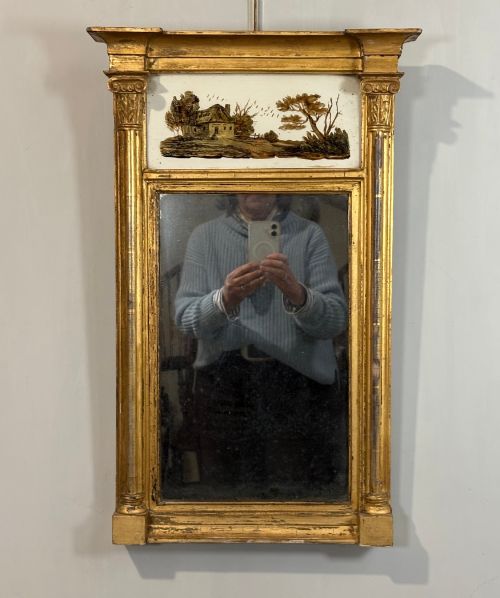
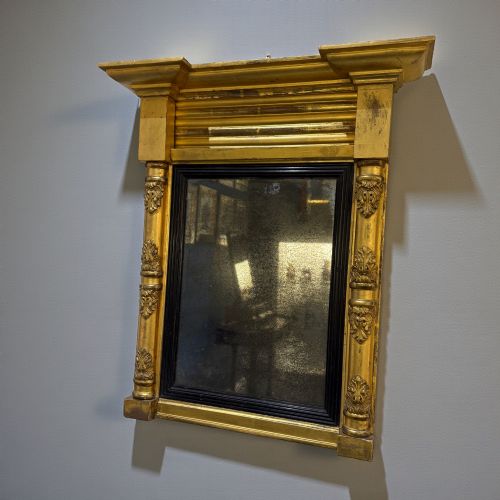
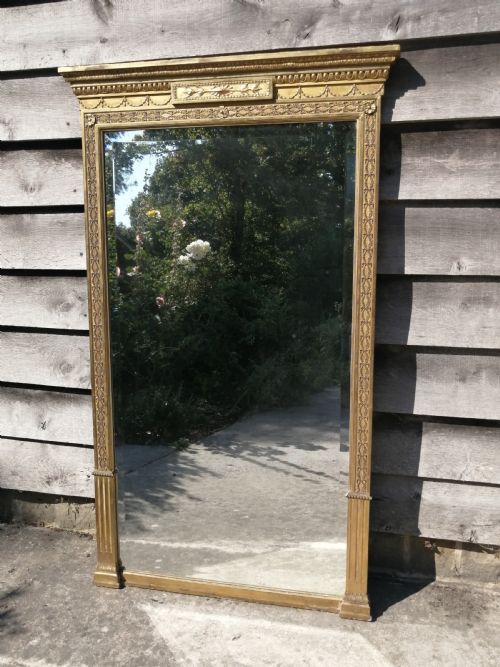
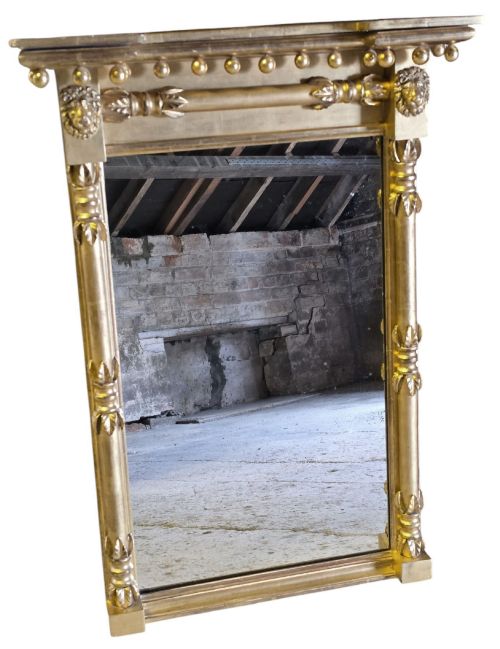
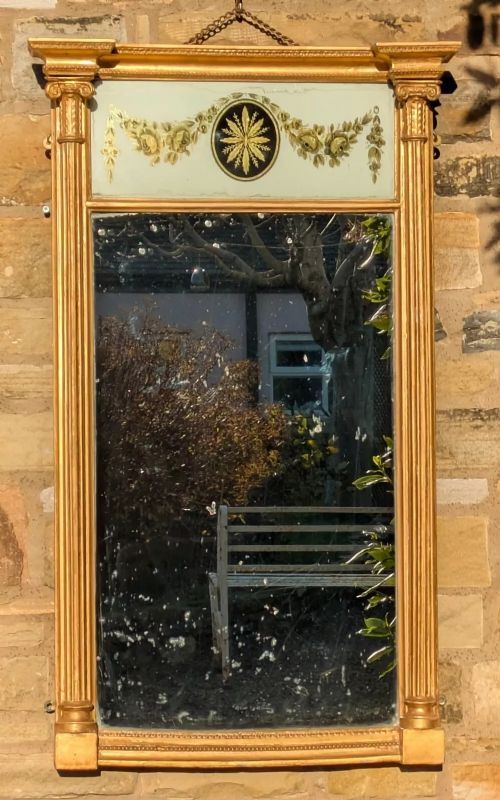


Classical Pier Glass Mirror
A classical pier glass mirror brings architectural light and presence into a room, suspended precisely between windows or above console tables.
Classical Pier Glass Mirror
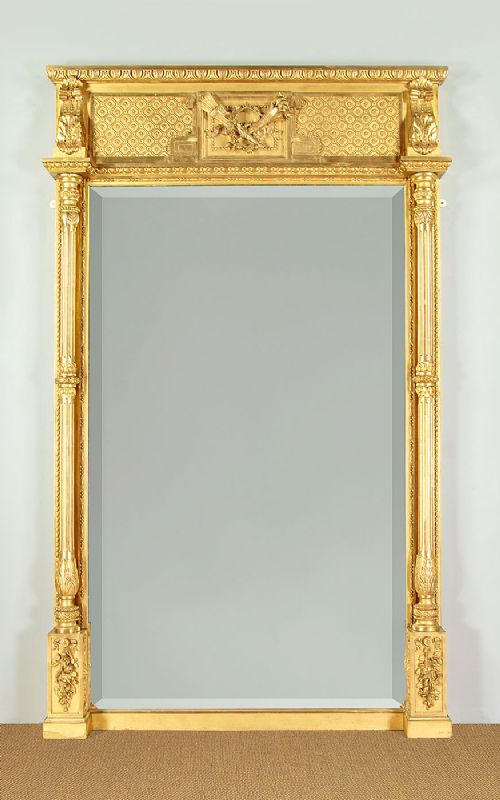
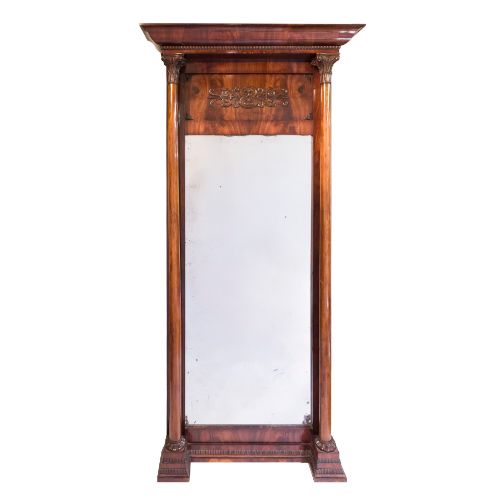
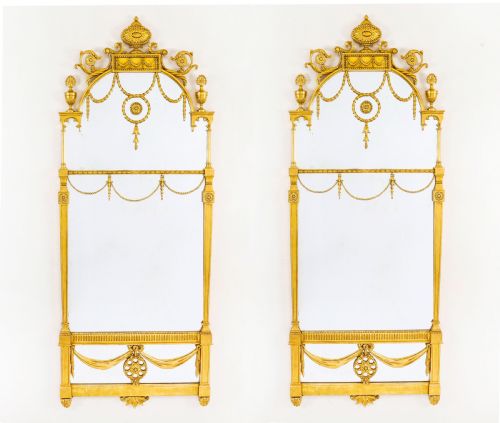
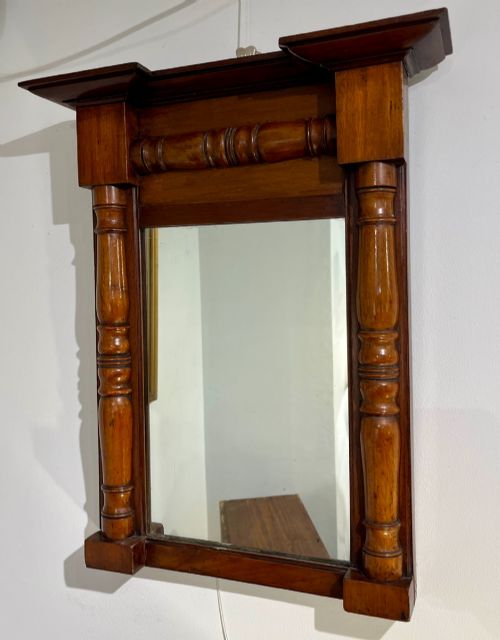
A classical pier glass mirror is designed specifically to hang on the narrow wall space between windows, reflecting natural light deeper into a room. The selections available here span from the 18th century through the Victorian era, taking forms such as wall mirrors, console tables with attached trumeau mirrors, and overmantel mirrors. Most examples you encounter belong to the Regency and Georgian periods, alongside Neoclassical, French Empire, and Victorian variations.
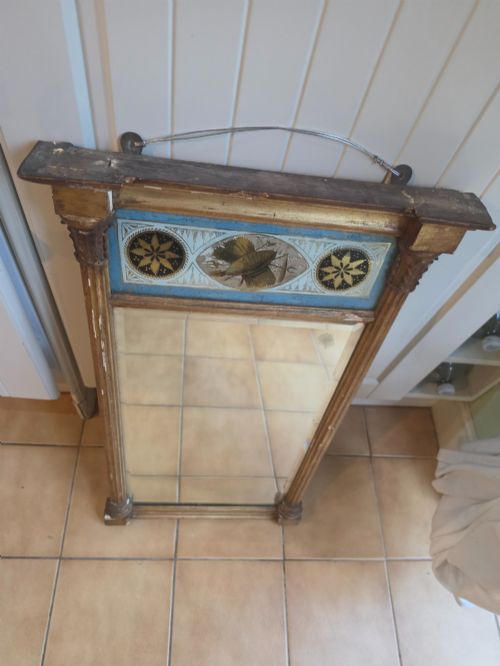
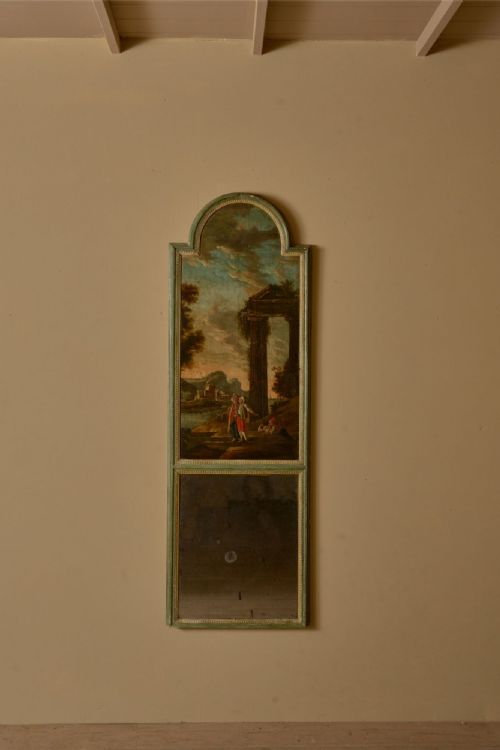
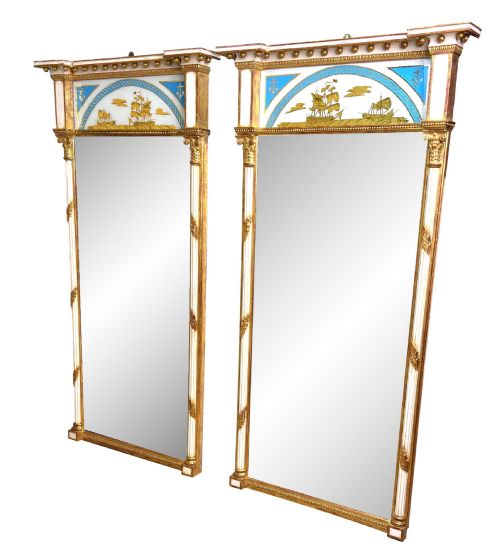
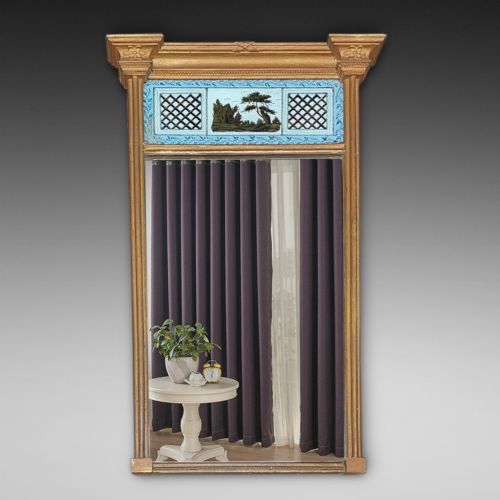
Makers and designers of these tall plates often incorporated decorative upper panels, including verre églomisé glass or painted scenes, positioned above the main reflective surface. Proportions tend to be generous and vertical, designed to elongate the wall space they occupy. You will find both single plates and pairs, constructed in formats ranging from modest hall mirrors to grand eight-foot architectural installations.
Materials and construction
Frames are primarily formed from timber such as mahogany, walnut, and birchwood, or built from softwoods that received heavy coats of gesso and gold leaf. Water gilding and oil gilding techniques provide the metallic sheen on giltwood surfaces, sometimes paired with ebonised wood details or painted finishes. Mercury glass and original mirror plates appear across the inventory, bearing the distinct foxing and oxidation of age.
Carving defines the ornamentation, utilising motifs like acanthus leaves, classical figures, and Egyptian water-gilded details. Verre églomisé panels - reverse-painted glass decorated with gold or silver leaf - frequently sit in the upper frieze of Regency pieces. Structural joints rely on traditional joinery suited to heavy frames that support tall glass plates.
Classical Pier Glass Mirror Retail Price Guide 2026
Typical asking prices for classical pier glass mirror among the pieces listed under this phrase on Sellingantiques today, from the lower quarter to the upper quarter. They describe what is for sale here now, not the wider market.
The listings on this page span the 18th century, the Regency period, and the 19th century, utilising giltwood, mahogany, birchwood, and verre églomisé.
Evaluating quality and execution
Quality rests heavily on the depth and crispness of the wood carving and the integrity of the original gilding. Finer examples display deeply undercut acanthus foliage and sharply detailed classical motifs rather than shallow, cast composition ornament. The presence of the original mirror plate, whether featuring foxed mercury glass or early float glass, separates untouched pieces from later replacements.
The sophistication of the upper panel also dictates standing. Hand-painted verre églomisé work and intact reverse-painted glass friezes elevate a piece far above standard plain glass configurations. Furthermore, symmetrical grain patterns in mahogany or birch frames and balanced proportions indicate superior cabinetmaking.
The Classical Pier Glass Mirror Glossary
- Pier glass mirror
- A tall mirror designed to hang on the narrow wall pier between two windows. They often incorporate console tables or feature decorative upper panels.
- Verre églomisé
- A cold decoration technique involving painting and applying gold or silver leaf onto the reverse side of glass. It appears frequently in the upper friezes of Regency pier mirrors.
- Giltwood
- Timber, usually softwood or gesso-coated wood, covered with thin sheets of gold leaf. This finish creates the bright reflective surfaces characteristic of Georgian and Regency frames.
- Trumeau mirror
- A decorative wall mirror that incorporates a painted or carved panel above the glass plate. These often match the surrounding architectural wall panelling of French and English interiors.
- Foxing
- The natural oxidation and ageing of the silver backing behind mirror glass, resulting in dark spots and mottled patches. Original foxing is valued by collectors as proof of age.
Classical Pier Glass Mirror: Frequently Asked Questions
Where should a pier mirror hang?
These mirrors are traditionally positioned on the narrow wall space situated between two windows to maximise ambient daylight.
They also sit effectively above low console tables, sideboards, or mantelpieces to create a sense of expanded vertical space.
What is verre églomisé?
Verre églomisé is a historic technique where artists paint and apply gold or silver leaf onto the reverse side of glass panels.
In pier mirrors, these panels occupy the upper frieze section above the main reflective glass plate.
Are original mirror plates common?
Many surviving pieces retain their original glass plates, often identifiable by slight surface distortions and natural ageing spots known as foxing.
Some mirrors have received replacement glass over the centuries to maintain a clearer reflection.
How do I identify a Regency pier mirror?
Regency examples frequently display architectural lines, classical motifs, ebonised details, and distinct verre églomisé upper panels.
They span the early nineteenth century and lean heavily on Neoclassical and Egyptian revival design influences.