



Antique Gilded Mirror 1880
An antique gilded mirror 1880 brings brilliant reflective light and ornate nineteenth-century character into a room through rich carved framing.
Antique Gilded Mirror 1880
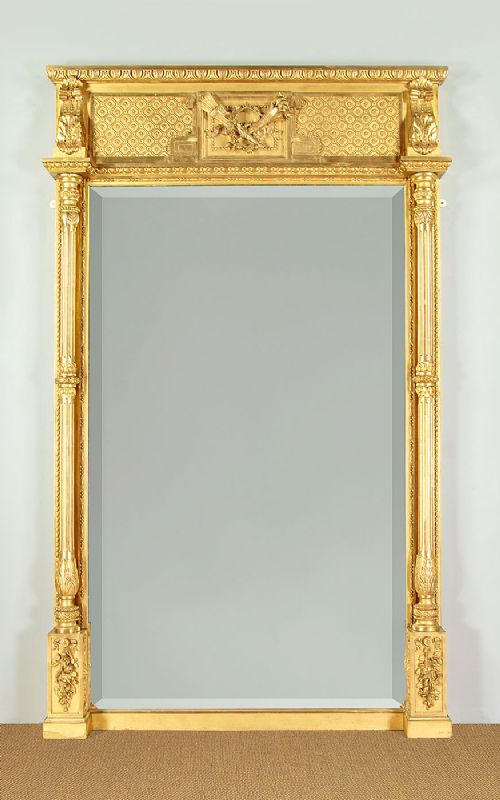
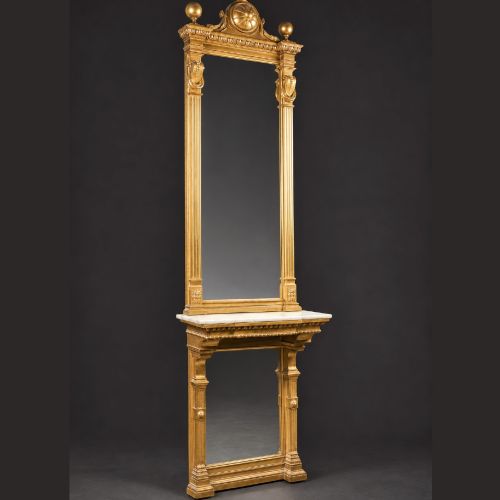
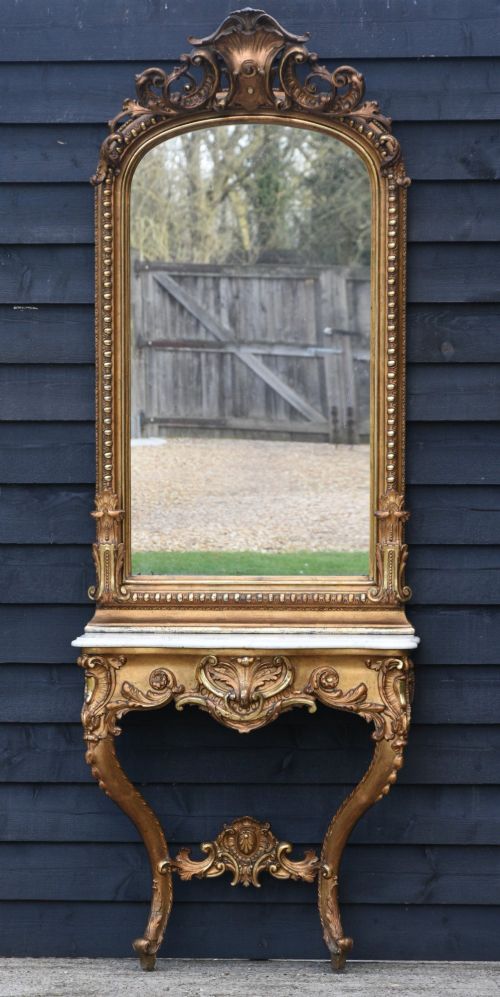
An antique gilded mirror 1880 encompasses substantial wall mirrors, pier mirrors paired with console tables, and grand overmantle formats designed for nineteenth-century interiors. These pieces emerge primarily from French and Danish workshops during the late Victorian and early Third Republic eras.
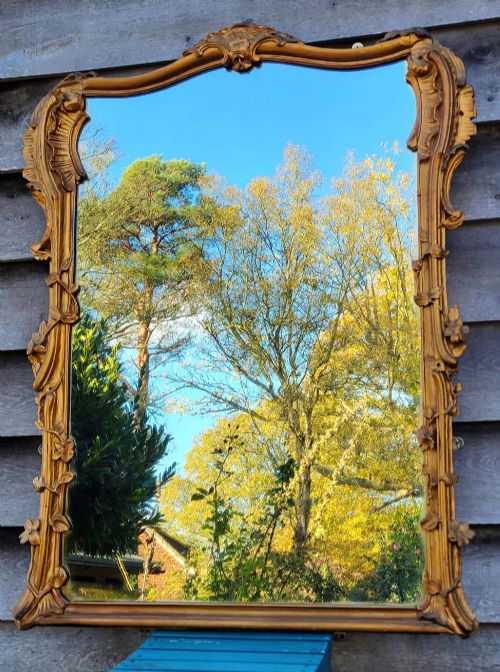
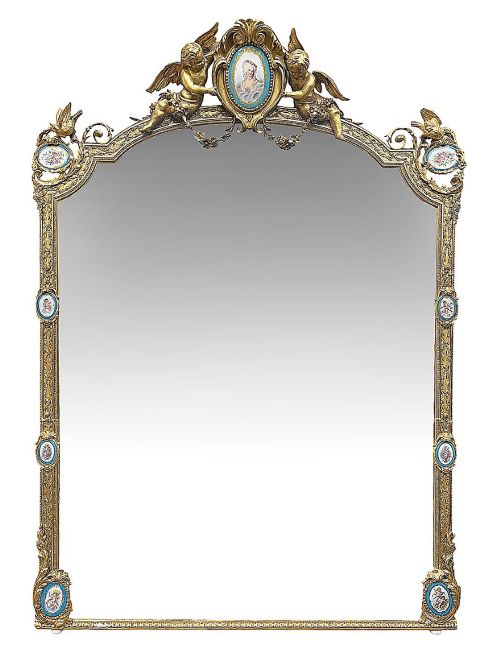
Buyers encounter diverse regional interpretations, ranging from fluid Art Nouveau curves to French Rococo Revival cartouche forms and classical Victorian pediments. The selection spans from compact small wall formats up to monumental porcelain-mounted room centrepieces.
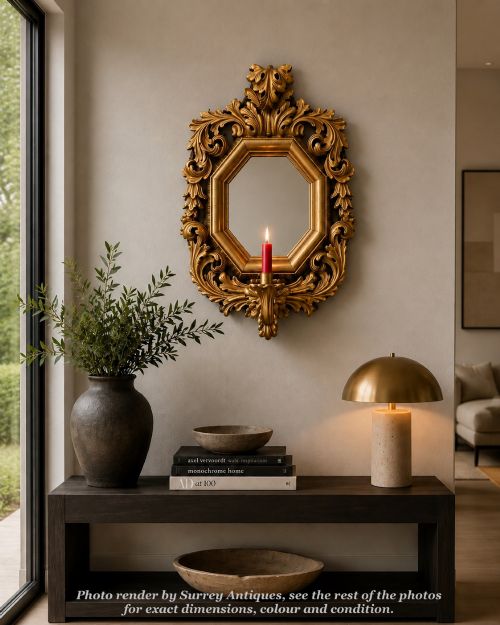
Many examples integrate functional furniture elements, uniting gilded wall glass with matching console tables or incorporating integrated girandole candle branches. Original glass plates frequently survive alongside elaborate gesso and carved wood frames.
Materials and construction methods
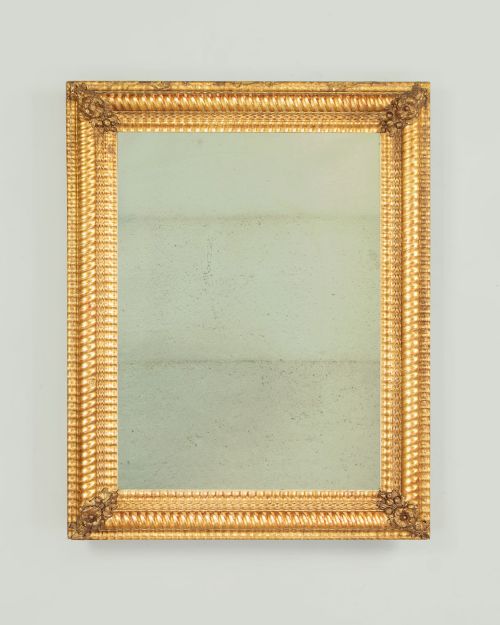
Craftsmen shaped these frames from dense timber, applying layers of gesso to build up intricate relief ornament before gilding the surface with gold leaf. This traditional gesso technique allows for crisp, deep carving across cartouche outlines, floral pediments, and sweeping asymmetrical curves.
Makers integrated specialised decorative components, including hand-painted Sevres porcelain plaques, cast metal mounts, and inset white marble slabs on associated console bases. Reflective surfaces utilise silvered glass plates, sometimes retained in their original state with honest signs of age.
Antique Gilded Mirror 1880 Retail Price Guide 2026
Typical asking prices for gilded mirror 1880 among the pieces listed under this phrase on Sellingantiques today, from the lower quarter to the upper quarter. They describe what is for sale here now, not the wider market.
Listings for this phrase feature nineteenth-century French and Danish origins, encompassing materials such as giltwood, gesso, porcelain, and white marble.
Distinctions in craftsmanship and scale
The standard of an antique gilded mirror 1880 depends heavily on the depth and crispness of the hand-carved gesso detailing across the frame. Superior examples display refined proportions and robust structural integrity, particularly on monumental overmantle or combined pier mirror and console sets.
The inclusion of specialised auxiliary elements, such as original mercury or silvered plates, Sevres porcelain mounts, or matched marble tops, elevates the significance of a piece. Finer frames maintain their original gold leaf gilding without excessive modern overpainting or restoration hiding the underlying ground.
The Antique Gilded Mirror 1880 Glossary
- Giltwood
- Wood that has been coated with a thin layer of gold leaf or gold powder. This finish creates a warm, reflective metallic surface characteristic of fine nineteenth-century frames.
- Gesso
- A mixture of gypsum, chalk, and binder applied to wood frames to create a smooth, sculptable surface. Artisans carve fine decorative details directly into this hardened layer before gilding.
- Pier Mirror
- A tall mirror specifically designed to hang on the wall space between two windows. They frequently sit directly above matching console tables.
- Cartouche
- An ornamental frame or tablet resembling a scroll or undressed parchment with scrolling edges. This playful form appears frequently in French revival mirror designs.
- Girandole
- A decorative wall mirror featuring attached branching arm fixtures designed to hold candles. The reflective glass multiplies the candlelight within the room.
Antique Gilded Mirror 1880: Frequently Asked Questions
How do I hang a heavy nineteenth-century mirror safely?
Large gilded frames require professional wall anchors secured directly into solid masonry or stud timber supports. Due to the substantial weight of carved wood, gesso, and glass, standard picture hooks are completely unsuitable.
Weight distribution bars or heavy-duty strap hangers attached to the frame backing ensure the piece remains secure against the wall.
Are the glass plates original on these mirrors?
Many surviving pieces retain their original silvered glass plates, which often display characteristic foxing, light oxidation, and minor speckling. These age marks confirm the antiquity of the glass.
Some mirrors have received replacement mirror plates over the decades to provide a clearer reflection for modern daily use.
How should I clean a antique gilded frame?
Dust the intricate gesso and gold leaf surfaces gently using a soft, dry artist brush or feathered duster. Avoid applying commercial liquid cleaners or moisture, as dampness damages fragile historic gilding.
Professional conservators should handle any deeper cleaning or repair work to prevent stripping the original nineteenth-century finish.