



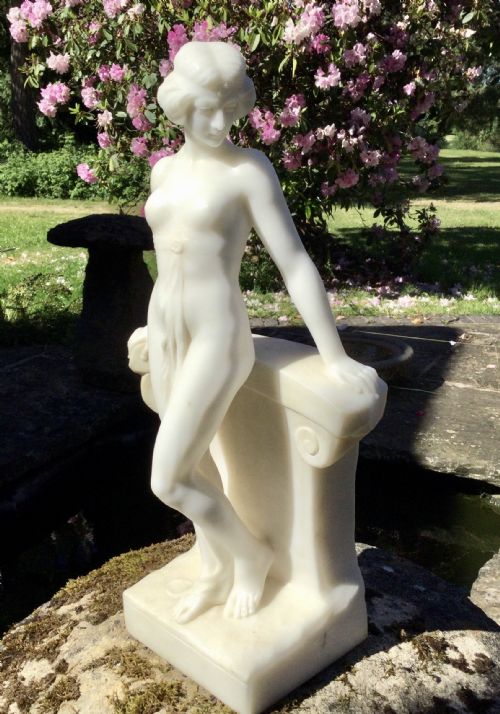
Classical Nude Figure
When you search for a classical nude figure, you are entering a tradition of form drawn from antiquity and cast or drawn through the centuries.
Classical Nude Figure
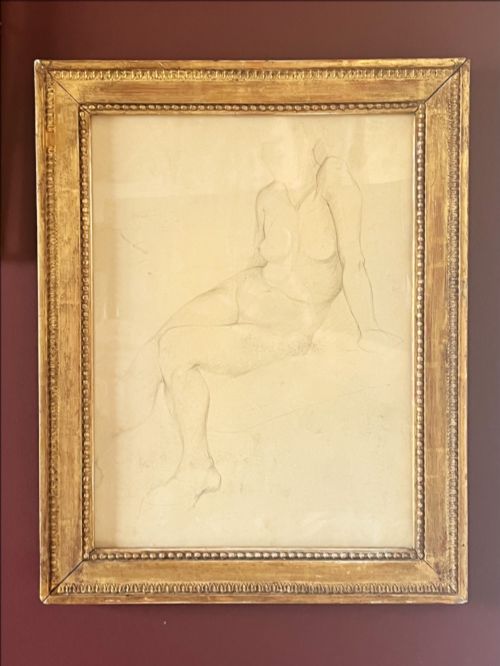
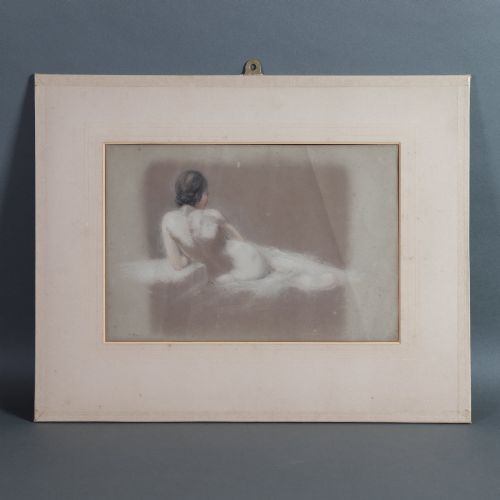
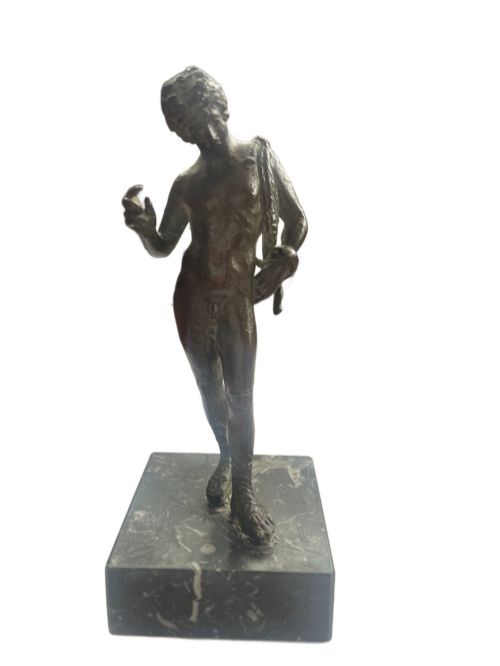
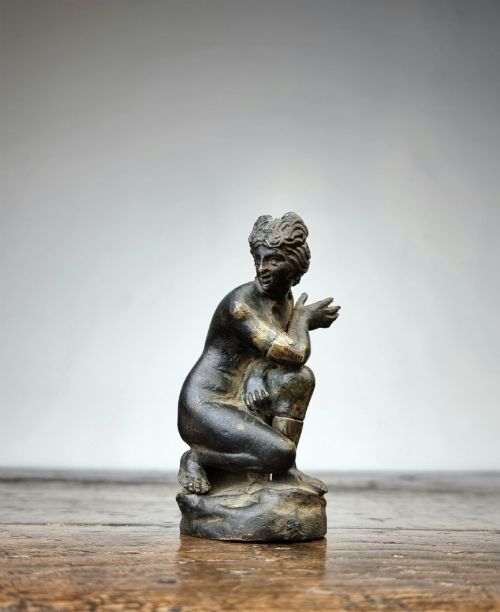
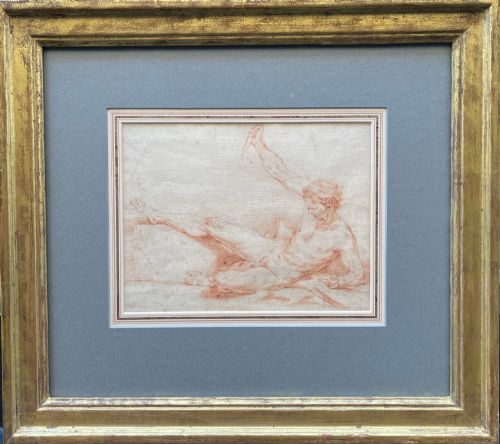
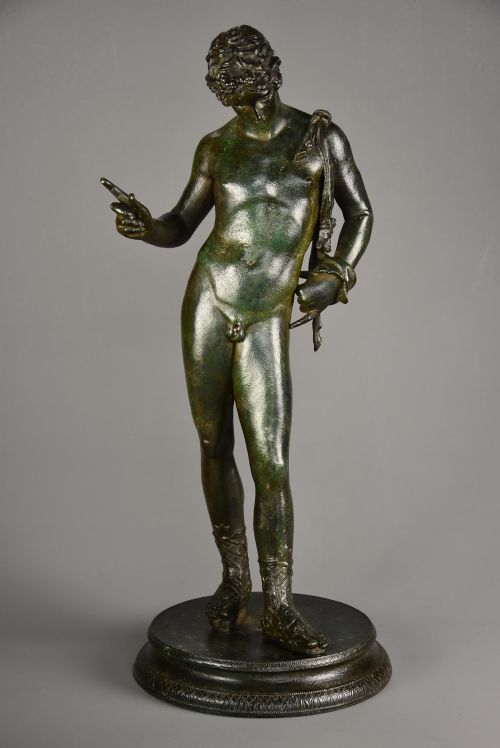
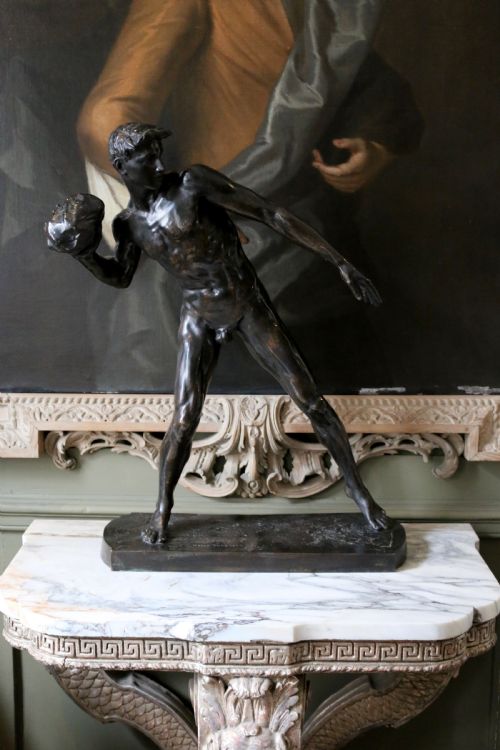
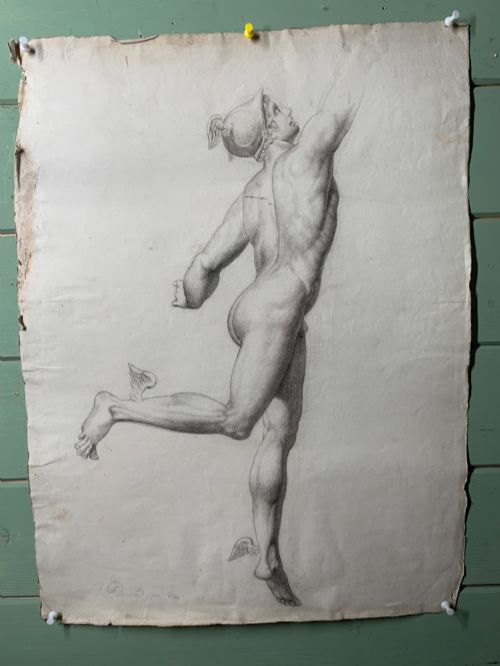
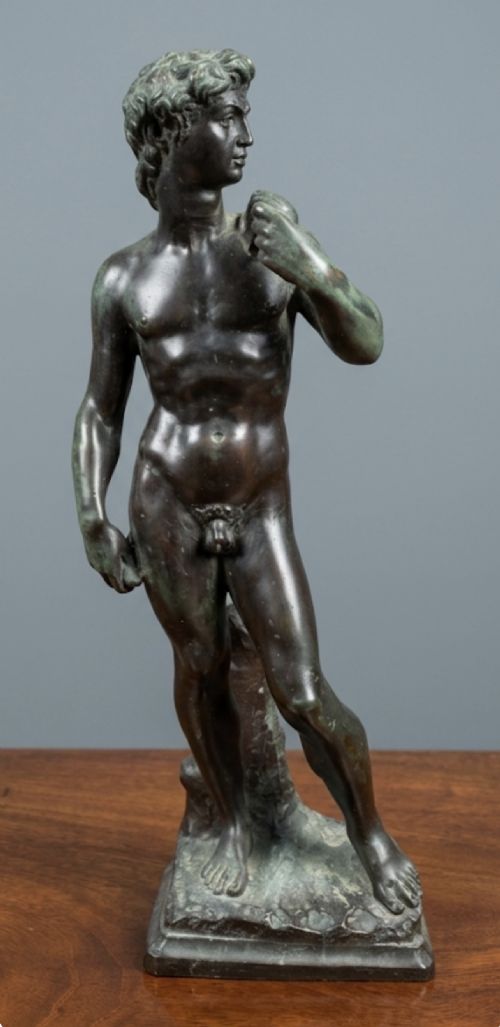
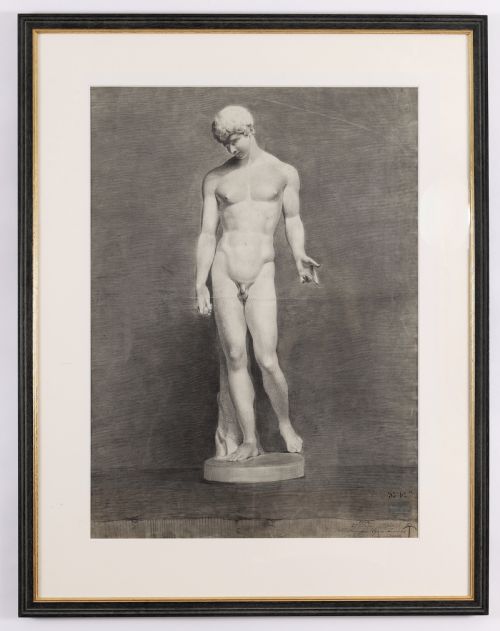
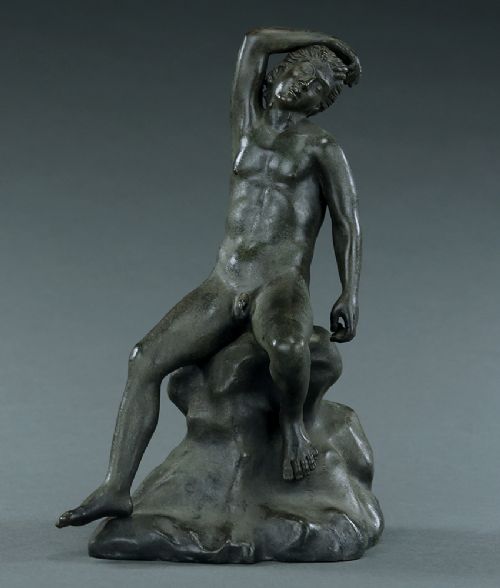
A classical nude figure translates mythological subjects and antique sculpture into solid form, capturing the human body through academic traditions. When exploring a classical nude figure, the pieces encountered range from bronze reductions made on the Grand Tour to original academic life drawings in pencil and charcoal.
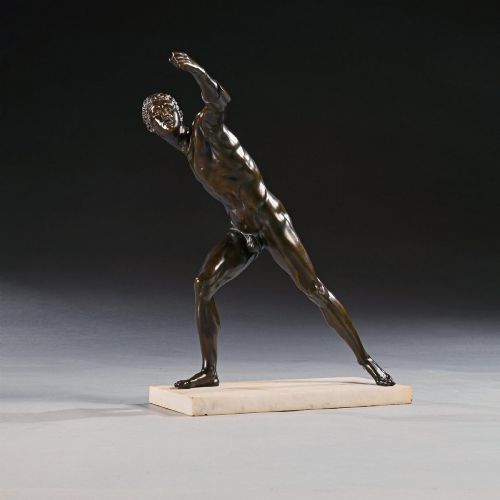
The objects span from the seventeenth century through to the early decades of the twentieth century, reflecting shifts in how artists studied the human form. Many of these works echo renowned ancient marbles such as the Venus de Milo, the Borghese Gladiator, and the Capitoline Antinous.
Sculptures appear in patinated bronze, marble, alabaster, and parian porcelain, while works on paper include red chalk drawings, graphite studies, and framed prints. These varied mediums reveal the enduring reach of neoclassical and academic realist ideals across European workshops.
Materials and methods of execution
Bronze sculptures rely on traditional lost-wax casting, finished with varied chemical patinations ranging from deep dark greens to polished metallic tones. Foundry work often involved reducing famous antiquities for travellers on the Grand Tour.
Carved pieces utilise dense white marble and softer alabaster, shaped with chisels and rasps to capture musculature and drapery. Parian porcelain requires high-fired slip casting in specialised moulds to mimic the matte texture of carved marble.
Works on paper employ graphite, charcoal, red chalk, and ink, capturing tonal graduation and anatomical precision during live academy sessions. Oil paintings utilise layered glazes and board or panel supports to depict mythological figures within landscapes.
Listings feature works spanning the seventeenth through the twentieth centuries, utilising bronze, marble, alabaster, parian porcelain, and paper.
Distinctions in craftsmanship and execution
Quality rests upon anatomical precision and the crispness of detail in the casting or carving process. Superior bronzes preserve the subtle musculature and facial expressions of the antique source without losing definition in the extremities.
Foundry marks and signatures separate commercial workshop output from distinguished art foundries and named sculptors. In works on paper, the sensitivity of line and understanding of shadow distinguish rigorous academic life studies from routine exercises.
Ferdinand Barbedienne·William Etty·Hamo Thornycroft·Johann Heinrich Dannecker·Allan Douglas Davidson·Cornelis Van Poelenburgh·Fritz Kochendorfer·Hector Lemaire·Eugene Barillot·Aristide Maillol
The Classical Nude Figure Glossary
- Grand Tour
- A traditional journey through Europe undertaken by upper-class young men in the eighteenth and nineteenth centuries, resulting in the acquisition of art and small-scale bronzes. These objects served as physical souvenirs of classical education.
- Parian porcelain
- A fine-grained, unglazed porcelain developed in the nineteenth century to imitate white marble. It was frequently used for statuary and figural studies.
- Patination
- The chemical treatment or natural weathering applied to the surface of a bronze sculpture to produce specific colours and tones. This process protects the metal while enhancing visual depth.
- Academic Realism
- The style of painting and sculpture produced under the influence of European academies of art. It emphasises rigorous drawing standards, historical subjects, and anatomical accuracy.
- Lost-wax casting
- A metal-casting method in which a molten metal is poured into a mould that has been created by means of a wax model. Once the mould is filled, the wax is melted and drained away.
Classical Nude Figure: Frequently Asked Questions
What is a Grand Tour bronze?
A Grand Tour bronze is a small-scale replica of a classical sculpture, produced in Italy or France during the eighteenth and nineteenth centuries. Travellers purchased these objects as scholarly keepsakes of antiquity.
Foundries in Naples and Rome specialised in casting these figures in bronze with varied patinations, capturing the appearance of excavated antiquities for domestic display.
How do I date a bronze figure?
Dating a bronze involves examining the quality of the chasing, the composition of the metal alloy, and the nature of the patination. Nineteenth-century castings often display distinct tool marks and specific foundry stamps.
Comparing the proportions and base materials, such as fossil marble or slate, helps contextualise the piece within specific periods like the neoclassical revival.
What is an academic life study?
An academic life study is a drawing or painting executed from a live human model within a structured art school or academy setting. These works prioritize anatomical accuracy, shading, and proportion.
Students produced these studies as part of their formal training in classical drawing before progressing to historical or mythological compositions.
How should I display antique marble?
Antique marble sculptures require stable indoor environments away from direct sunlight and sudden temperature shifts. Placing them on sturdy pedestals ensures proper weight distribution.
Dusting should be performed with a soft, dry cloth without liquid cleaners, as porous stones absorb moisture easily.