
Vintage Marble Figure
A vintage marble figure brings the quiet gravity of carved stone and metal into a room, combining classical subjects with the sharp lines of the early twentieth century.
Vintage Marble Figure
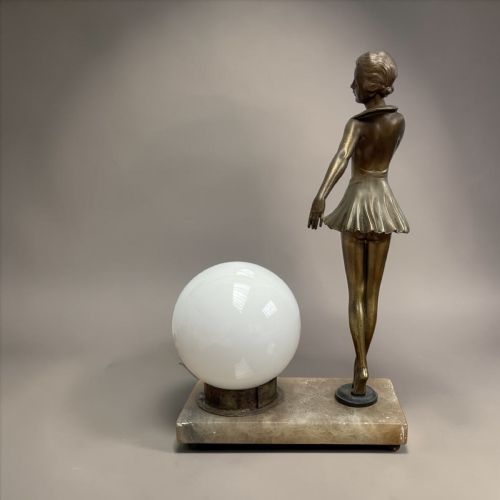
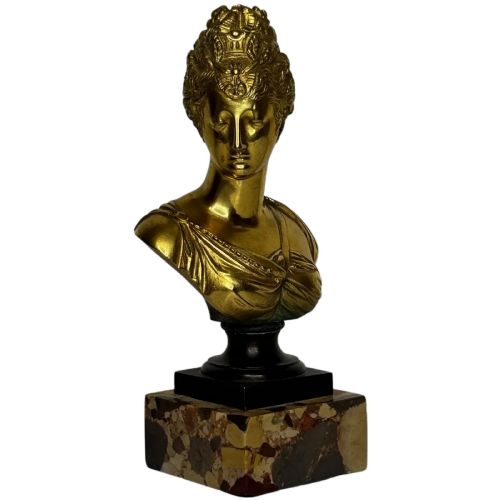
When you search for a vintage marble figure, you encounter carved stone sculptures, library busts, and figural lamp bases spanning the nineteenth and early twentieth centuries. These pieces often pair white or coloured marble bases and plinths with figural studies cast in bronze, spelter, or carved from alabaster.
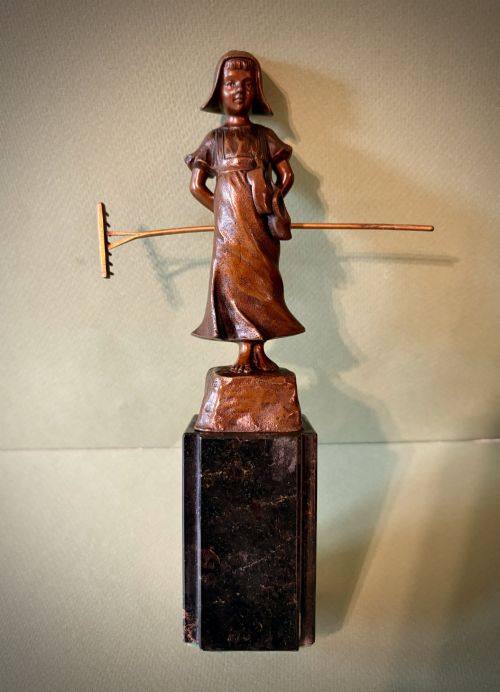
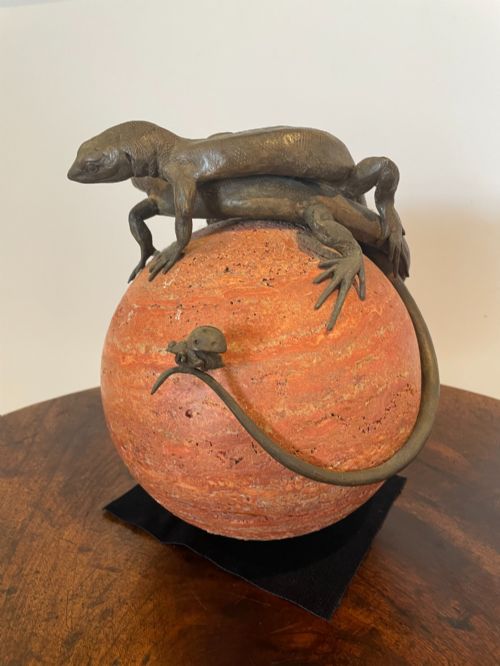
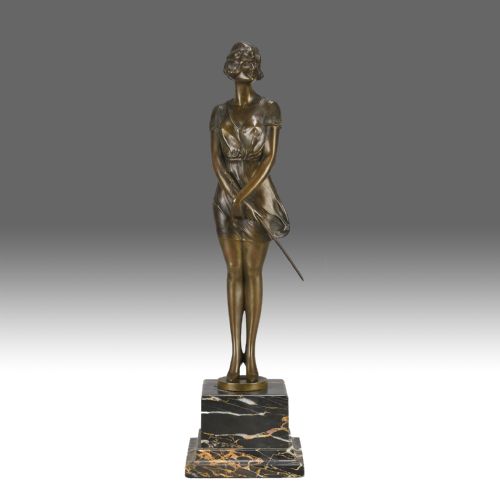
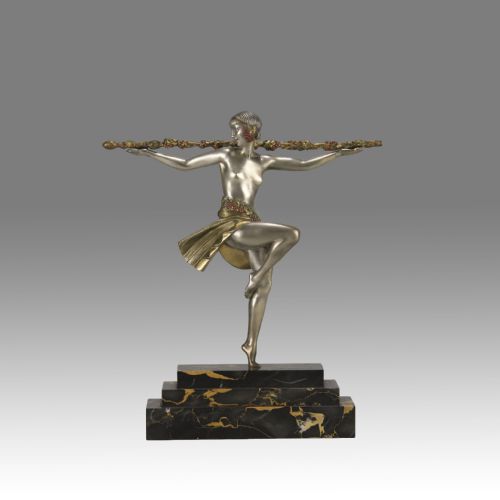
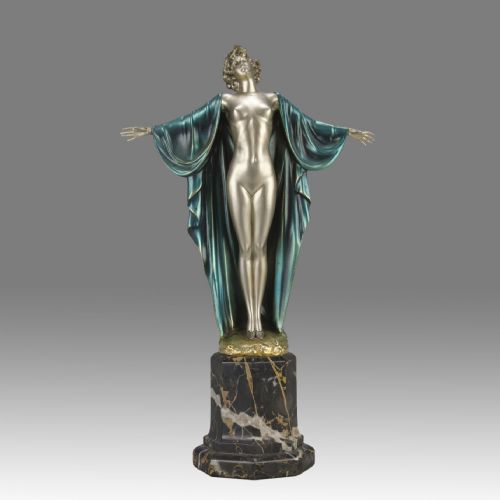
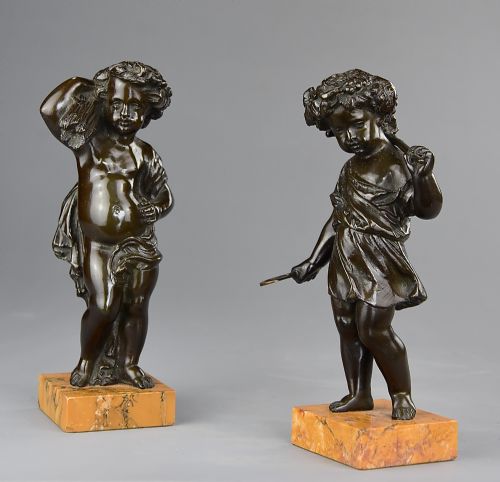
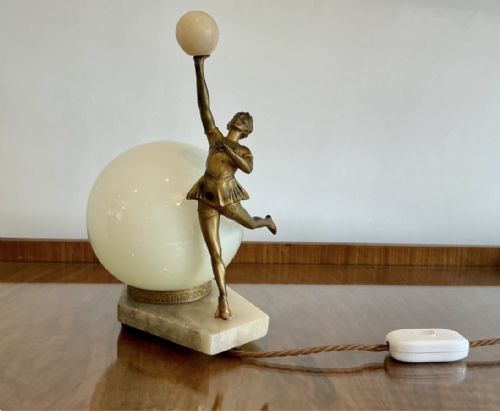
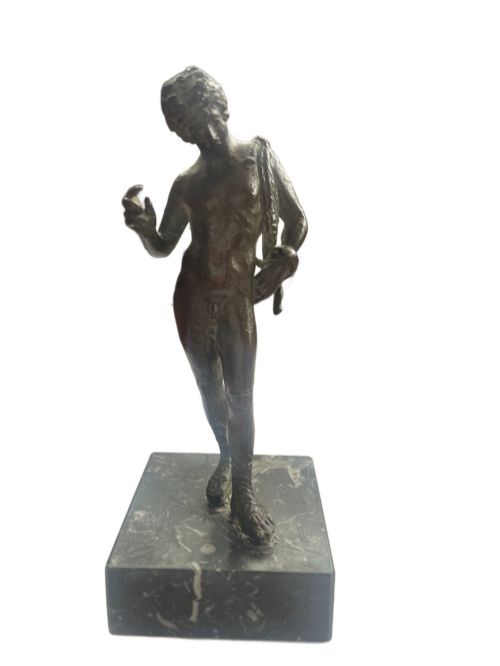
The objects on this page range from nineteenth-century Italian Grand Tour souvenirs and Neoclassical subjects to dynamic Art Deco dancers, sporting figures, and animals. Many works combine carved marble with patinated or cold-painted metal elements, uniting different traditional studio practices in a single decorative object.
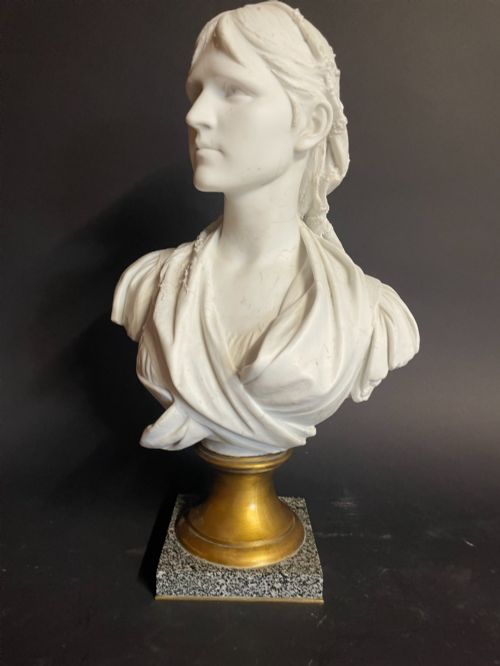
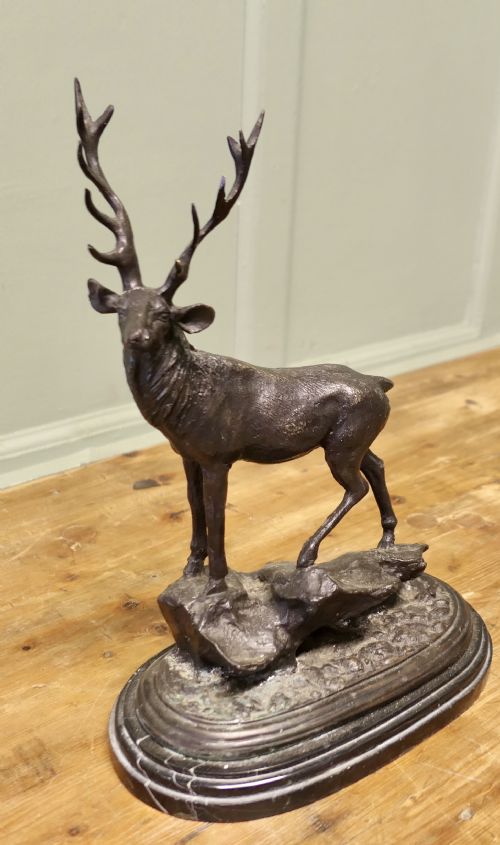
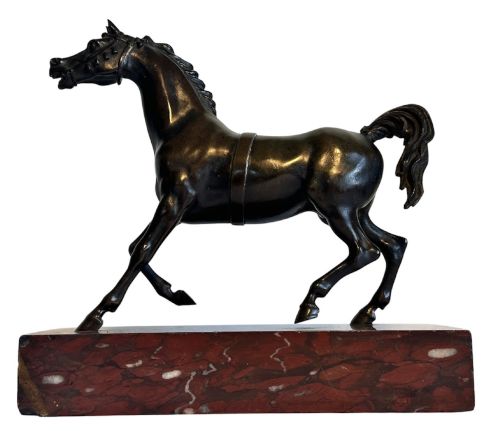
You will find library busts depicting historical figures like Dante alongside allegorical subjects, mythological studies, and animalier bronzes mounted directly onto solid marble blocks. These sculptures served as domestic ornaments, mantel garnitures, and desk accessories in period interiors.
How they were made
The production of these sculptures relied on the complementary crafts of the stonecutter and the metal founder, who shaped materials such as white marble, fossil marble, alabaster, and bronze. Sculptors carved stone plinths and portrait busts using chisels and rasps, whilst bronze elements were produced using the lost-wax casting method or sand casting before receiving patination or cold-painted colour.
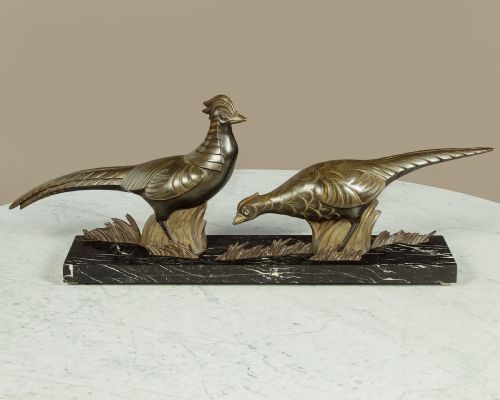
Makers integrated mixed media by anchoring heavy bronze or spelter figures onto shaped marble bases using threaded bolts or pins fitted into the stone. Surface finishes varied from polished stone surfaces to finely chased metal details that highlighted the textures of drapery, feathers, and hair.
Several sculptors captured fleeting moments of motion, preserving albatrosses mid-flight and dancers mid-leap permanently in stone and metal.
What varies in quality
The distinction between ordinary and superior examples lies in the crispness of the carving and the fidelity of the metal casting. Master carvers rendered facial expressions, hair strands, and fabric folds with subtle depth, whereas lesser pieces display soft contours and simplified details.
Quality also depends on the selection and preparation of the stone base itself, with heavily figured or fossilised marbles commanding greater visual interest. The harmony between the figure and its plinth indicates whether a piece was conceived as a unified artistic work or assembled from generic components.
Bruno Zach·Pierre le Faguays·Ferdinand Preiss·Jules Bonheur·Prosper Lecourtier·Demetre Chiparus
The Vintage Marble Figure Glossary
- Grand Tour
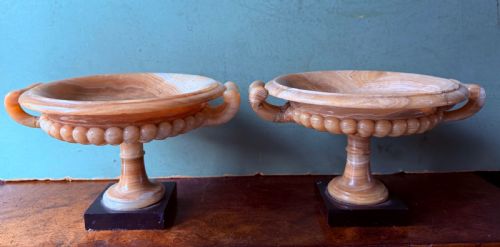
- A nineteenth-century tradition where wealthy travellers collected classical souvenirs in Italy. These smaller-scale bronzes and carved alabaster tazze were mounted on marble bases to decorate European homes.
- Animalier
- A nineteenth-century artistic focus on the realistic depiction of animals in sculpture. Artists captured beasts such as stags, horses, and birds in dynamic natural poses, frequently mounted on stone plinths.
- Cold-painted bronze
- A technique where bronze sculptures received vibrant polychrome enamel colours applied without heat. This finish was especially popular among Art Deco makers depicting dancers and figures.
- Alabaster
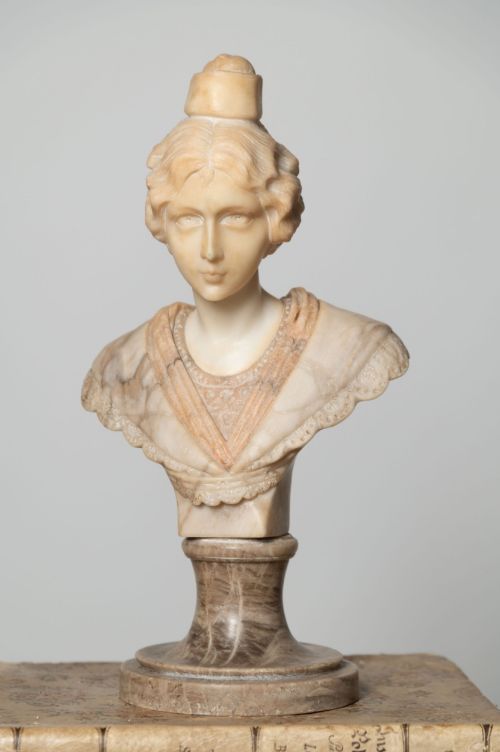
- A fine-grained translucent stone used for carving soft-textured portrait busts and figures. It was valued for its ability to diffuse light and mimic the softness of human skin.
- Spelter
- A zinc alloy commonly utilised as a less expensive alternative to bronze for figural sculptures and clock garnitures. It was frequently given a bronze-look patination to emulate more costly metalwork.
Vintage Marble Figure: Frequently Asked Questions
What is the difference between marble and alabaster?
Marble is a metamorphic rock formed from recrystallised carbonate minerals, offering high durability and varied natural veining. Alabaster is a softer mineral stone composed of gypsum, known for its milky translucence.
Because alabaster is much softer than marble, carvers could achieve delicate translucent effects in portrait busts. This softness also makes alabaster pieces more susceptible to scratching and moisture damage.
How can I tell a Grand Tour piece apart from later copies?
Nineteenth-century Grand Tour souvenirs display hand-finished chasing on the bronze and precise hand-carving on the associated marble bases. The patination shows natural age variation acquired over generations of handling.
Later souvenir reproductions often exhibit uniform modern patination and machine-cut stone bases lacking historical wear. Examining the underside of the mounting plate usually reveals period fixings rather than modern screws.
Where should I display a heavy marble figure?
Place these substantial sculptures on sturdy furniture such as sideboards, heavy mantelpieces, or dedicated pedestals that can support their considerable weight. Ensure the surface is completely level to prevent any instability in pieces combining heavy bronze figures on stone plinths.
Keep carved stone figures away from direct sunlight and strong heat sources like radiators to prevent stone discoloration and drying. Adequate lighting from the side emphasises the depth of the carving and the texture of the stone.