


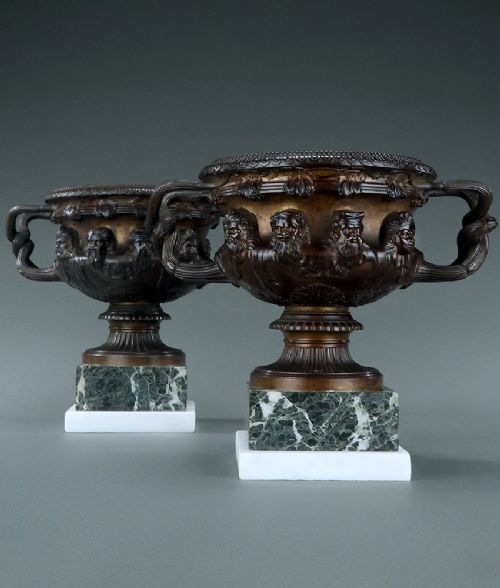


Classical Metal Decorative Urn
When you search for a classical metal decorative urn, you meet heavy bronze, cast iron and ormolu vessels shaped by nineteenth-century revivals.
Classical Metal Decorative Urn
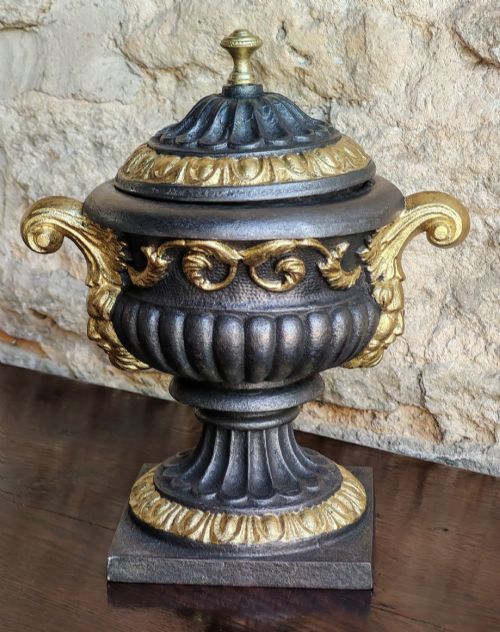
A classical metal decorative urn draws directly from antique models discovered during archaeological excavations in Italy and documented on the Grand Tour. Buyers frequently encounter French and English pieces cast during the nineteenth century, including the Victorian era, Regency period and specific decades such as eighteen-eighty.
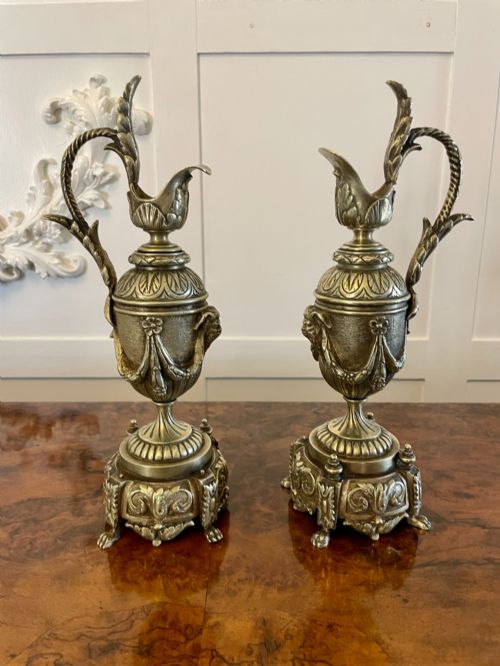
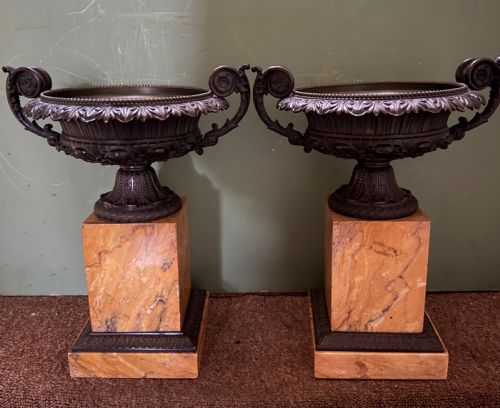
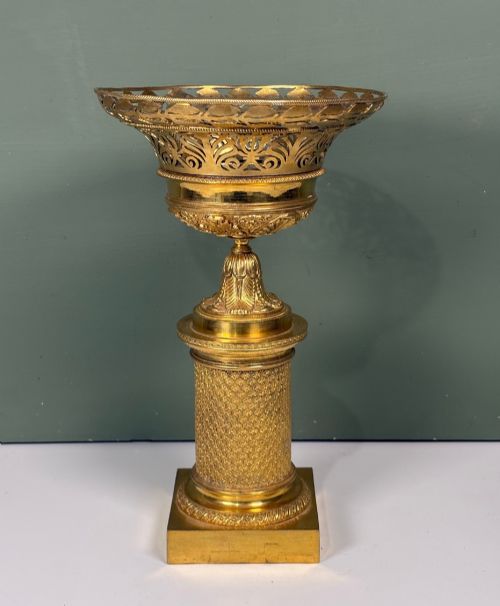
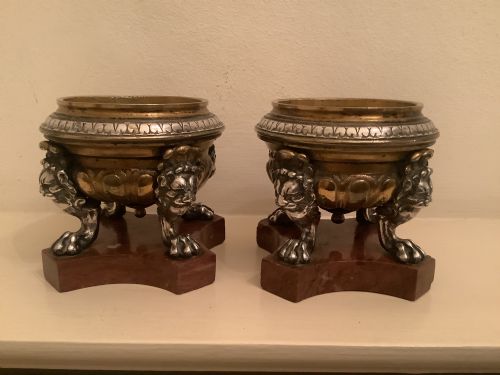
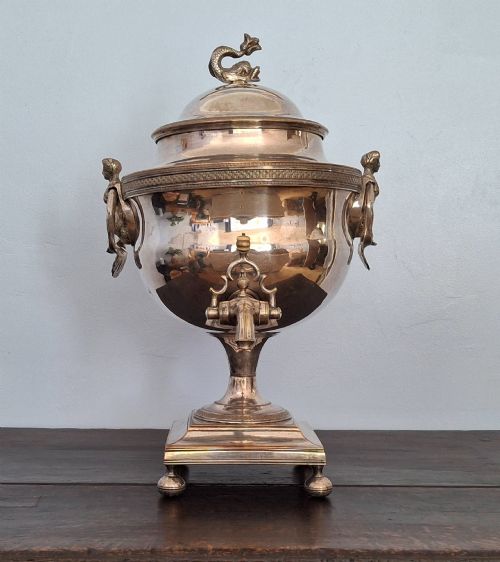
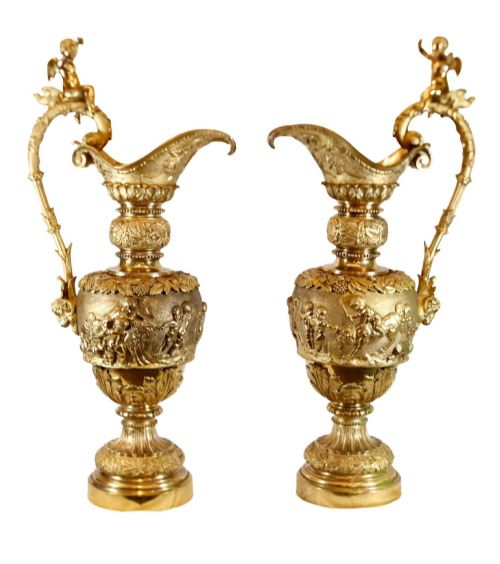
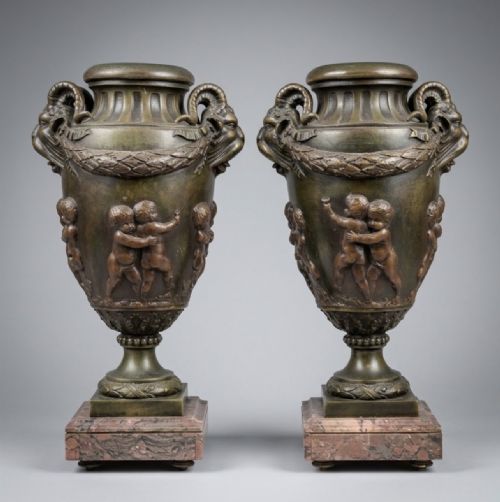
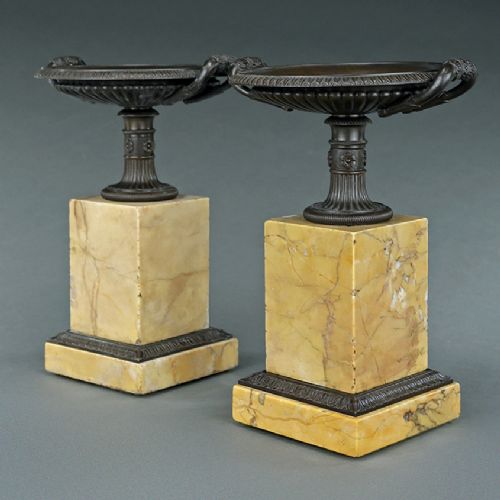
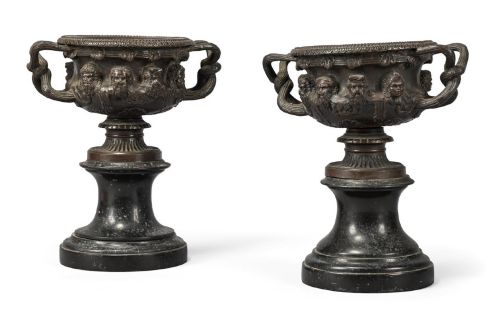
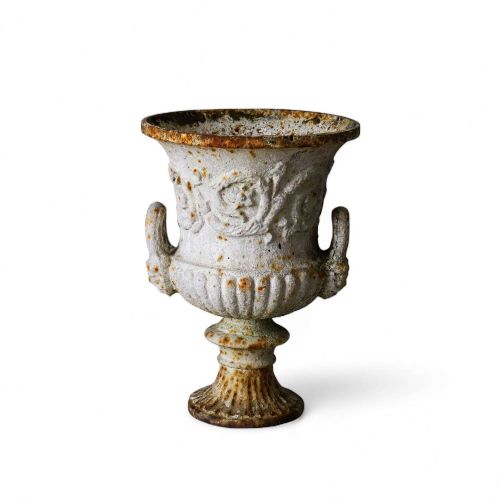
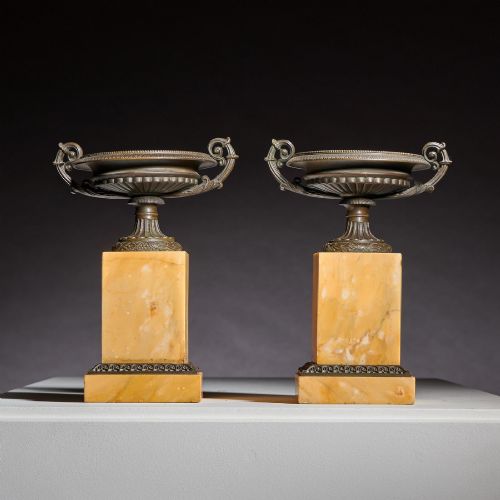
The objects take several distinct shapes on this page, ranging from Campagna garden urns and Warwick vases to flat-topped tazzas, ewers and lidded samovars. Many smaller examples sit upon turned marble bases or stepped plinth stands designed for interior display.
Grand Tour souvenirs and heavy cast iron garden vessels form the core of what survives. Makers utilised classical motifs like Bacchic masks, putti, acanthus leaves and ram heads to echo ancient Roman and Greek prototypes.
Materials and casting methods
Foundries shaped these items primarily through metal casting, utilising bronze, brass, cast iron, silver plate and spelter. Many bronze and spelter objects received patination treatments, dark bronze finishes or gilding via ormolu to imitate antiquity.
Makers frequently combined materials within a single piece, pairing cast bronze bodies with mounts of gilt bronze or ormolu, and mounting vessels upon bases of Siena marble. Garden pieces in cast iron often retain original distressed paint or weathered surfaces earned through decades outdoors.
Classical Metal Decorative Urn Retail Price Guide 2026
Typical asking prices for classical metal decorative urn among the pieces listed under this phrase on Sellingantiques today, from the lower quarter to the upper quarter. They describe what is for sale here now, not the wider market.
Object forms include garden urns, library tazzas, ewers, wall sconces, and table lamps converted from antique bronze.
What separates standard production from exceptional examples
The crispness of the chased detail upon the metal surface dictates the distinction between ordinary and superior pieces. Skilled artisans hand-finished cast bronze and ormolu elements, sharpening acanthus leaves and facial expressions on Bacchic masks.
Weight and material composition also divide the range, as heavy solid bronze and fine marble combinations demonstrate greater substance than lighter spelter alternatives. Original components, matching pairs and untouched patination elevate certain objects above converted or heavily restored items.
Andrew Handyside·Val D Osne Foundry
The Classical Metal Decorative Urn Glossary
- Campana urn
- A bell-shaped vessel with a flaring rim and a footed base, frequently cast in iron or bronze for gardens and interiors.
- Tazza
- A wide, shallow saucer-like vessel raised on a stem and foot, often utilised as a decorative centerpiece or display dish.
- Grand Tour
- A cultural journey undertaken by wealthy Europeans in the eighteenth and nineteenth centuries, acquiring small bronzes and marble antiquities as souvenirs.
- Ormolu
- Gilt bronze created by applying a finely ground gold-mercury amalgam to a bronze base, producing a rich golden finish.
- Spelter
- An alloy of zinc and lead used as a cheaper substitute for bronze, cast into decorative figures and urns during the nineteenth century.
Classical Metal Decorative Urn: Frequently Asked Questions
What is a Grand Tour urn?
A Grand Tour urn is a miniature or reduced-scale bronze or marble replica of a famous ancient ruin or sculpture, bought by travellers in Italy during the nineteenth century.
These pieces brought classical archaeology into Victorian drawing rooms, often mounted on marble plinths.
How do I tell bronze from spelter?
Bronze feels heavier, rings with a clearer tone when struck gently, and holds a deep, durable metallic patination. Spelter is softer, lighter, and tends to show grey metal beneath worn paint or plating.
Inspect the underside or interior where handling wear reveals the base metal.
Were cast iron urns meant for gardens?
Yes, heavy cast iron urns were manufactured primarily for outdoor placement on lawns, terraces, and grand estate entrances. Foundries designed them to withstand weather, often developing textured rust and weathered paint over time.
They also appeared inside conservatories and entrance halls on stone pedestals.
What is the difference between an ewer and an urn?
An urn is typically an open-topped or lidded vessel built with a symmetrical body, a pedestal, and handles, used for display or planting. An ewer functions as a large pitcher with a spouted lip and a prominent handle.
Ewers derived from ancient pouring vessels, though nineteenth-century examples served purely decorative or lamp-converted roles.