

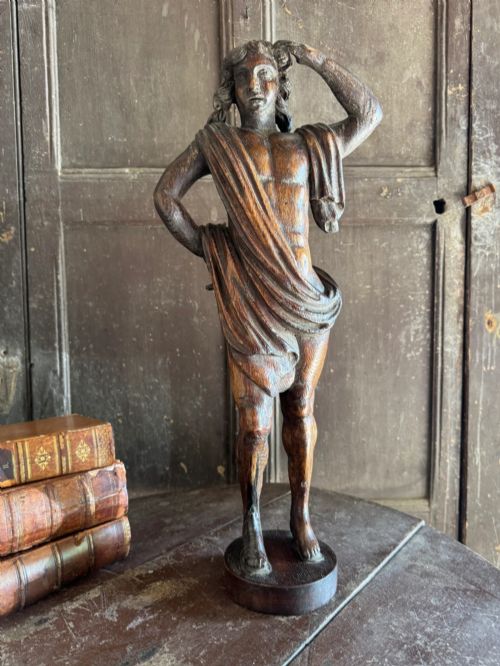
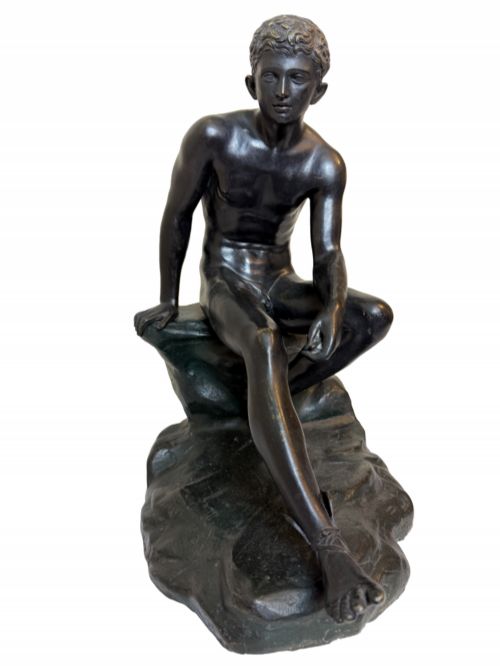

Classical Male Statue
A classical male statue brings the discipline and drama of antiquity straight into a room through bronze, marble, and carved stone.
Classical Male Statue
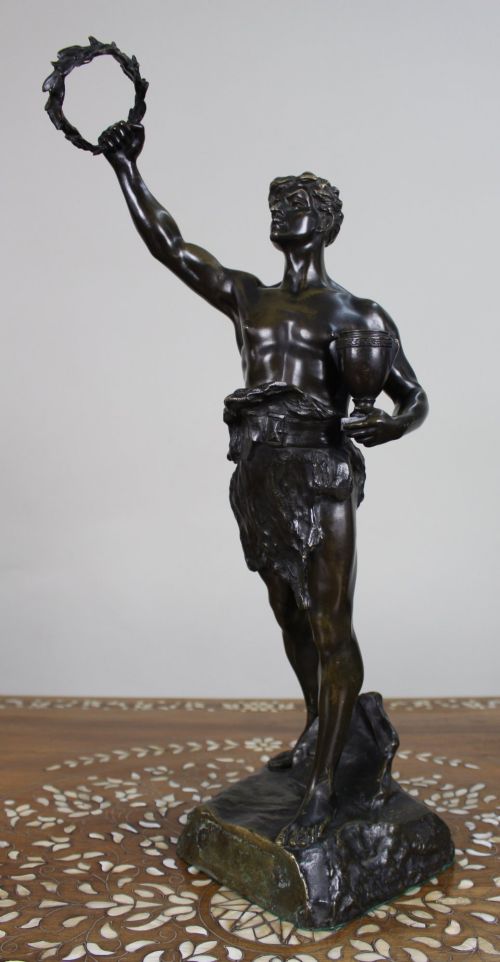
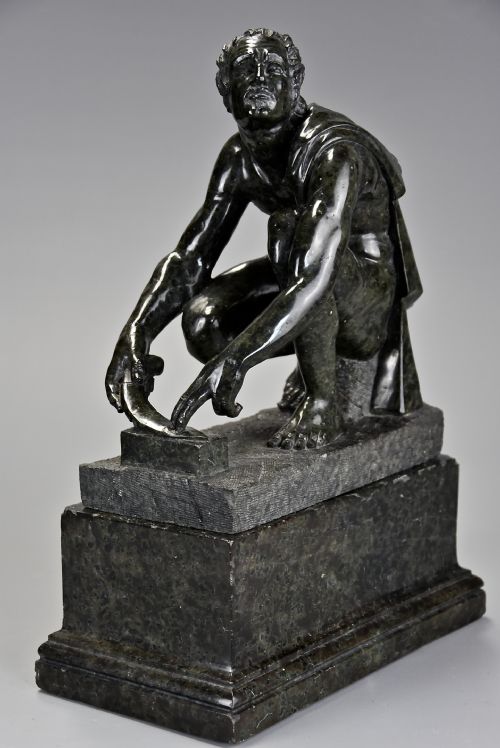
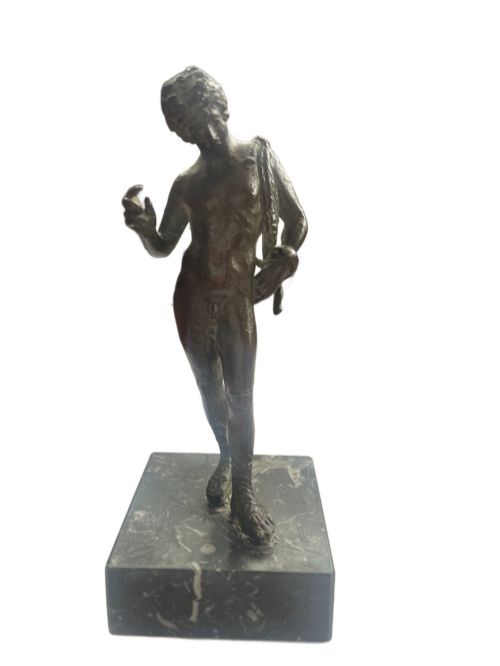
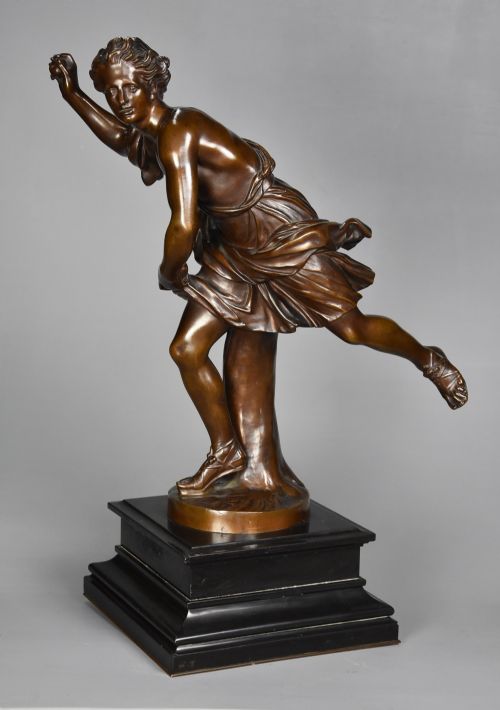
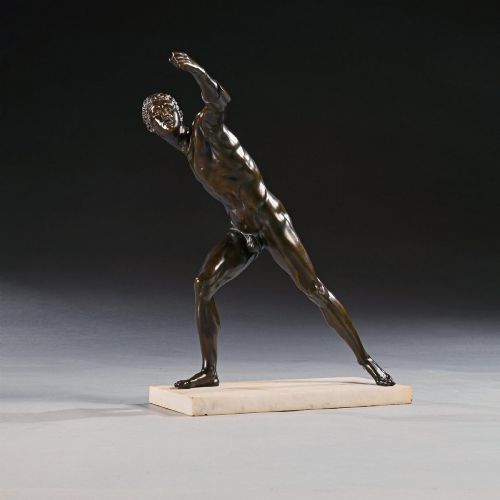
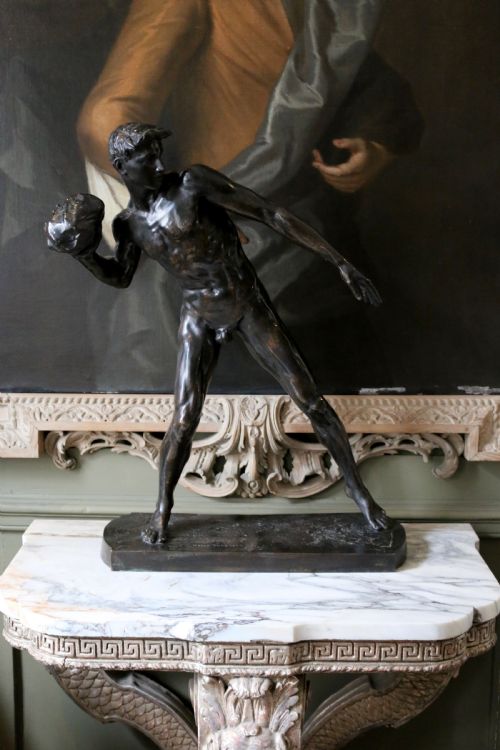
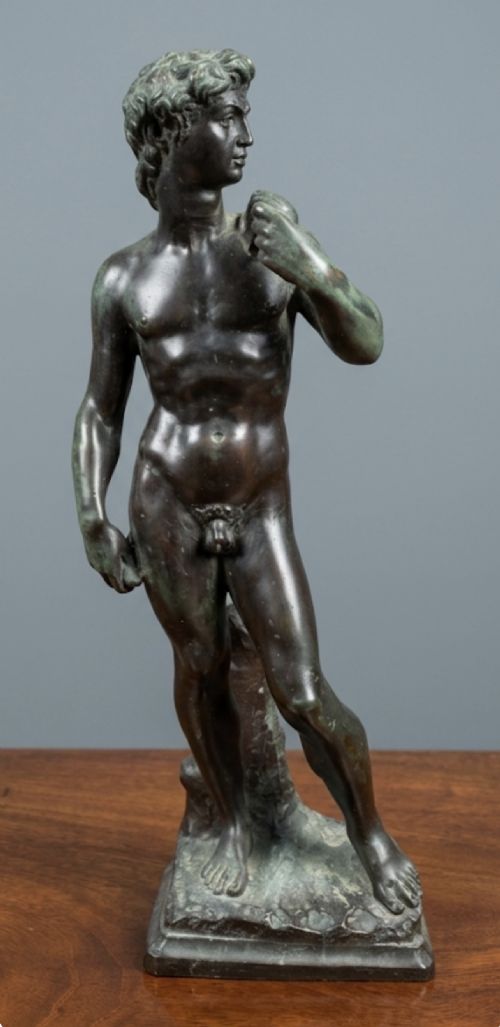
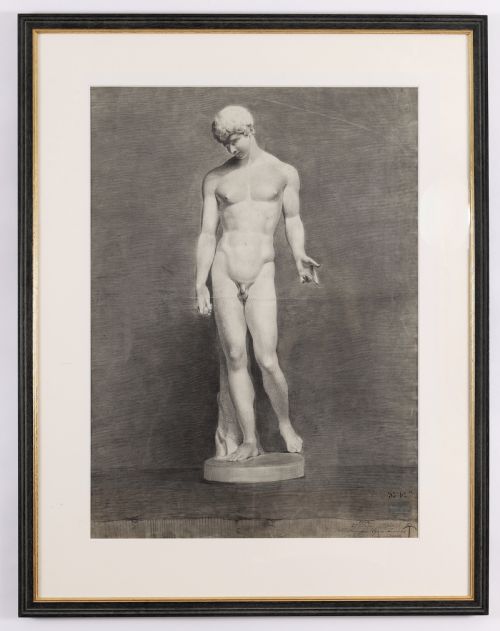
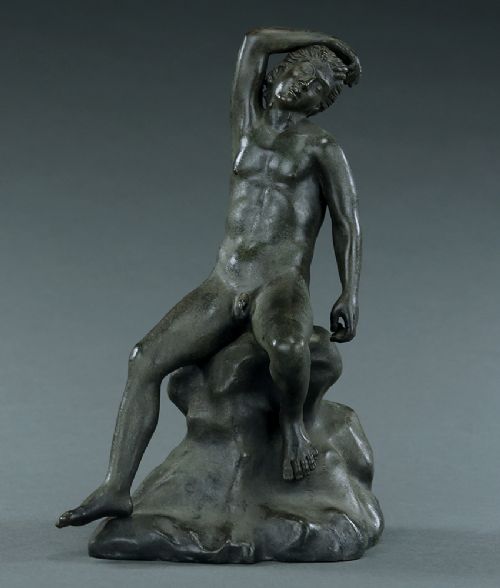
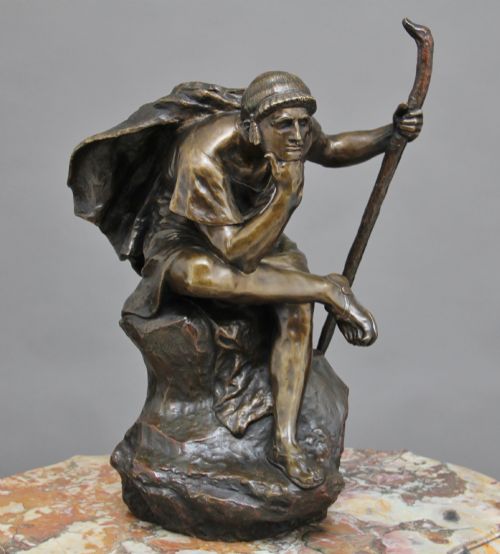
A classical male statue draws upon ancient Greek and Roman ideals of heroic form, athletic tension, and mythological narrative. Collectors searching for a classical male statue most frequently encounter nineteenth-century bronzes and Grand Tour reductions cast in European foundries.
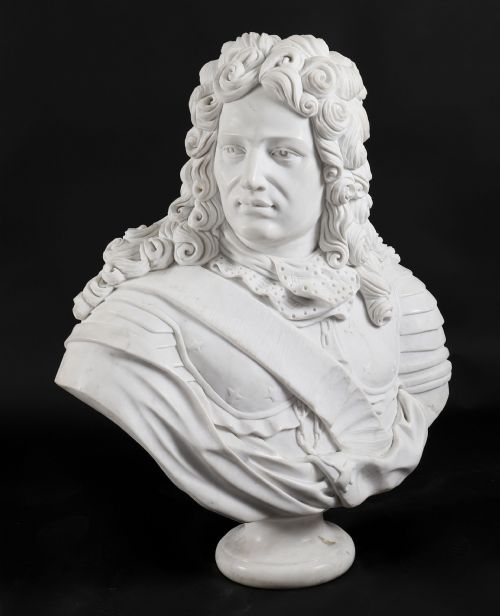
These works typically interpret legendary figures, mythological deities, or anonymous athletes modeled after surviving museum antiquities. The selection spans cabinet-sized tabletop bronzes, monumental garden statuary, portrait busts, and occasional functional pieces such as figural lamps.
Origins cluster heavily around nineteenth-century French and Italian workshops catering to travellers on the Grand Tour. Alongside bronze, examples emerge in carved marble, terracotta, plaster, and occasional hardwoods representing the enduring appeal of the antique aesthetic.
Materials and casting methods
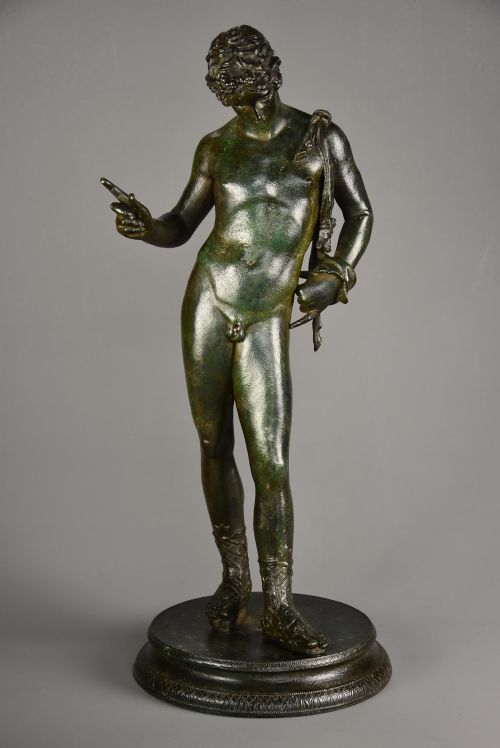
Bronze sculptures rely upon traditional lost-wax casting or sand-casting methods to capture intricate muscular detail and varied patination. Foundries often applied chemical patinas ranging from dark green and verdigris to warm brown highlights.
Marble and stone statues utilise hand-carving techniques applied to blocks of Italian or regional marble, sometimes mounted on specialised fossil marble or stone bases. Plaster and terracotta examples provide direct evidence of studio modeling and moulded replication before final finishing.
Materials across these listings span bronze, patinated bronze, marble, terracotta, plaster, wood, glass, and reconstituted stone.
Evaluating sculptural execution
Quality rests upon the crispness of the chase work, where skilled artisans cleaned and refined the raw metal casting to define sinew, hair, and facial expression. Finer examples retain subtle anatomical definition and deliberate surface patination rather than flat, uniform colouring.
The precision of the carving in marble or the fidelity of the reduction in bronze distinguishes standard decorative foundry output from distinguished artistic interpretations. Signed works associated with recorded foundries or named sculptors demonstrate superior metalwork and compositional balance.
Barbedienne·Goldscheider·Emile Louis Picault·Julien Lorieux·Sir Thomas Brock
The Classical Male Statue Glossary
- Grand Tour
- A nineteenth-century tradition where affluent travellers acquired miniature bronzes and carved marbles in Italy as souvenirs of classical antiquity.
- Patina
- The surface coloration and chemical film developed naturally over time or applied intentionally by the foundry to bronze surfaces.
- Lost-wax casting
- A historic method of creating metal sculptures from an original model by encasing it in wax, melting it out, and pouring molten bronze into the void.
- Reduction
- A smaller scale copy of a renowned ancient monumental sculpture produced for domestic display.
- Verdigris
- A green copper patina resulting from atmospheric exposure or chemical treatment on bronze surfaces.
Classical Male Statue: Frequently Asked Questions
What is a Grand Tour classical male statue?
A Grand Tour classical male statue is a reduced bronze or carved marble reproduction of a famous ancient sculpture collected during European travels in the nineteenth century.
These pieces brought heroic mythological figures and classical proportions into nineteenth-century drawing rooms and libraries as symbols of education and taste.
How do I distinguish bronze from plaster copies?
Bronze statues feel heavy, cold to the touch, and reveal metallic seams or foundry marks upon close inspection.
Plaster pieces are lighter, more porous, and generally display a painted or chalky white surface finish underneath minor chips or wear.
Where should I display a heavy marble bust?
A heavy marble bust requires a sturdy surface such as a dedicated stone pedestal, low column, or reinforced wooden console table.
Because of their substantial weight, these sculptures need stable placement away from high-traffic household areas where they might be accidentally nudged.
What does green patination indicate on bronze?
Green patination on nineteenth-century bronzes represents either natural oxidation over decades or an intentional chemical treatment applied by the foundry to mimic ancient excavation finds.
Foundries often favored green and dark brown patinas to accentuate the muscular contours of classical male figures.