



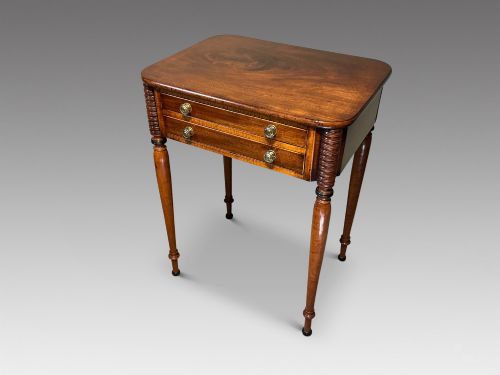


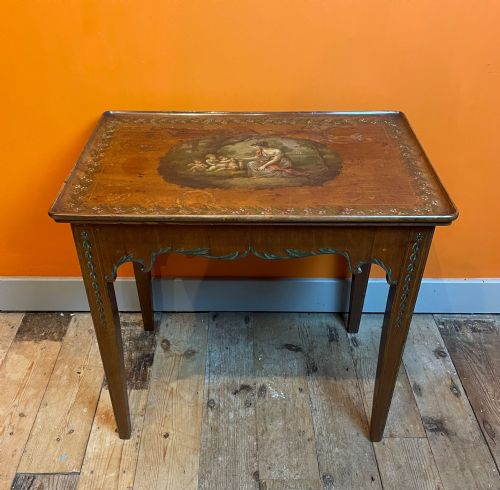

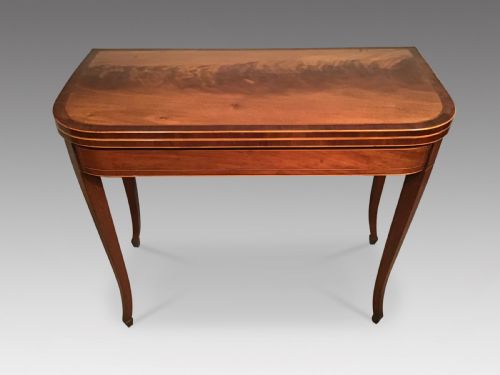
Classical Mahogany Side Table
A classical mahogany side table brings architectural dignity and rich timber grain to an interior.
Classical Mahogany Side Table
A classical mahogany side table is a versatile surface for a hallway, drawing room or bedroom, originating from periods such as the Georgian, Regency, Victorian and Edwardian eras. These pieces appear in forms ranging from console and pier tables to occasional tables, gueridons, bedside cabinets and serving tables. They reflect the architectural lines and proportions favoured by designers influenced by classical antiquity.
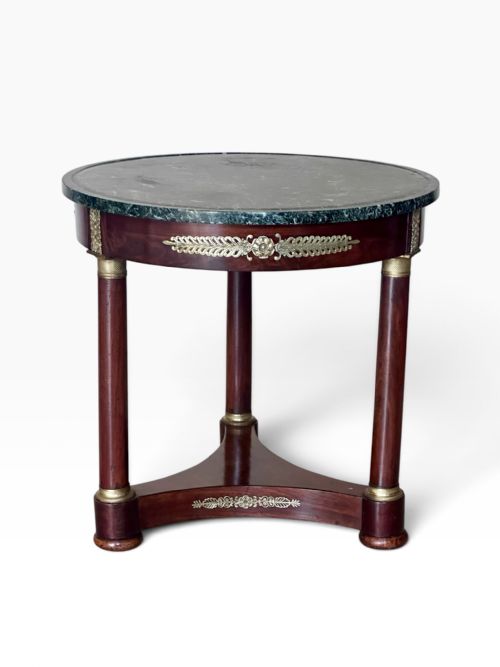
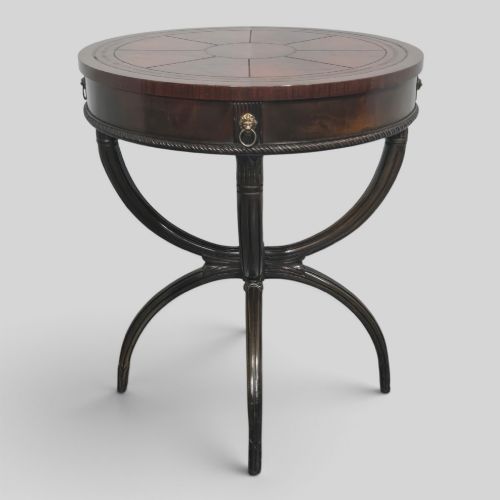
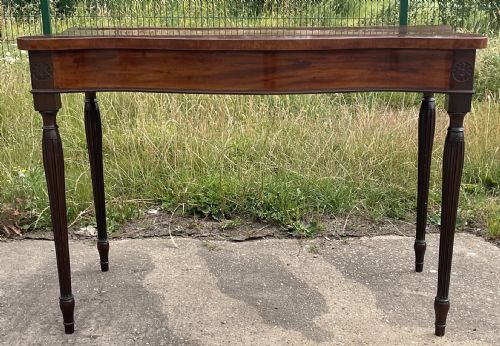
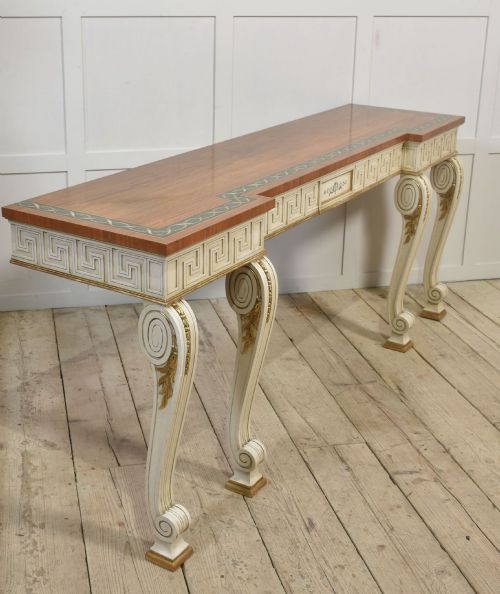
The selection on this page demonstrates considerable variety in function and regional style, encompassing English cabinet-making traditions alongside French Empire and American pieces. Buyers encounter rectangular console tables, serpentine fronts, semi-circular demi-lune shapes and circular gueridons designed for specific domestic uses. Some examples offer lower tiers or marble tops, adapting the classical idiom to practical furniture.
Makers and designers working in these historical idioms referenced classical antiquity through symmetry, proportion and ornamental vocabulary. Pieces often adopt neoclassical, French Empire or William IV design elements to establish formal presence within a room. This diversity allows a buyer to select a table that matches a specific historical interior or functions as a striking focal point.
Materials and construction
Cabinet-makers relied primarily on mahogany as the foundational timber, frequently utilising flame mahogany veneer to create rich figure and depth across table tops. This was often combined with contrasting secondary woods such as maple, or embellished with boxwood inlay to delineate geometric and floral borders. The choice of dense, durable timber ensured the structural stability required for heavy use.
Surface decoration frequently incorporated contrasting materials like marble tops, cast brass mounts and ormolu to emulate classical architectural grandeur. Painted wood and hand-carved details also appear, reflecting the artisanal techniques used to achieve the crisp lines associated with neoclassical and Empire designs. Iron and statuary elements feature on specific heavier forms like portico tables.
Construction methods visible in these pieces rely on traditional joinery suited to architectural forms, from solid framing to complex curved veneering on serpentine and demi-lune carcases. The integration of marble inserts and metal mounts required precision cabinet-making to ensure seamless joints between wood and stone or brass. These structural choices dictate how well a table survives centuries of domestic life.
Classical Mahogany Side Table Retail Price Guide 2026
Typical asking prices for classical mahogany side table among the pieces listed under this phrase on Sellingantiques today, from the lower quarter to the upper quarter. They describe what is for sale here now, not the wider market.
Several tables arrive with heavy marble tops that likely required two determined porters to navigate the stairs.
Judging quality and execution
Quality in these tables rests upon the selection of timber figures and the precision of the cabinet-maker's execution. Superior examples display carefully matched flame mahogany veneers and crisp, hand-carved ornamentation that remains sharp and well-defined rather than soft or repetitive.
The integration of secondary materials such as marble inserts, brass mounts and boxwood inlay separates standard production from exceptional pieces. Finer tables exhibit seamless joints between different materials, well-cast metal elements and thoughtful proportions that adhere strictly to classical design principles without appearing heavy.
The Classical Mahogany Side Table Glossary
- Gueridon
- A small circular table on a central pillar or tripod base, originating in France during the seventeenth century. These pieces often feature marble tops and serve as lamp stands or decorative centre tables.
- Demilune
- A half-moon shape used for console and pier tables designed to stand flat against a wall. This form became particularly popular during the late eighteenth century for neoclassical interiors.
- Ormolu
- Gilt bronze mounted onto furniture as decorative enrichment, commonly found on French Empire pieces. The technique involves applying a mercury-gilded bronze layer to accentuate architectural mouldings.
- Console table
- A table supported against a wall by brackets or legs, frequently topped with marble or wood. In classical interiors, these often stood beneath mirrors or windows.
- Neoclassical
- A style spanning the late eighteenth and nineteenth centuries that revived classical Greek and Roman motifs. Characteristics include symmetrical geometry, urns, swags and fluted legs.
Classical Mahogany Side Table: Frequently Asked Questions
Where should I place a classical side table?
These tables suit hallways, drawing rooms and dining spaces where their architectural lines can be appreciated against a wall. Console and pier tables work particularly well beneath mirrors or artwork.
Smaller occasional tables and bedside cabinets fit easily beside seating or beds while providing a functional surface for lamps and objects.
How do I care for mahogany furniture?
Mahogany benefits from dusting with a soft, dry cloth and occasional treatment with quality beeswax to nourish the timber. Avoid placing these pieces in direct sunlight or near heat sources to prevent the wood or veneer from drying out.
Marble tops require simple wiping with a damp cloth, avoiding acidic cleaners that can etch the polished stone surface.
What is the difference between a console and a pier table?
A console table is designed to stand against a wall, traditionally supported by wall brackets or front legs. Pier tables specifically occupied the pier, which is the wall space between two windows.
Both forms share classical proportions and served as decorative display surfaces in formal reception rooms.
How can I tell the period of a mahogany table?
Dating relies on observing construction techniques, timber characteristics and decorative motifs associated with specific eras like the Georgian, Regency or Victorian periods. Neoclassical and Empire styles appeared at distinct points during the late eighteenth and nineteenth centuries.
Examining the secondary woods, fixings and overall design grammar helps place a piece within its historical context.