

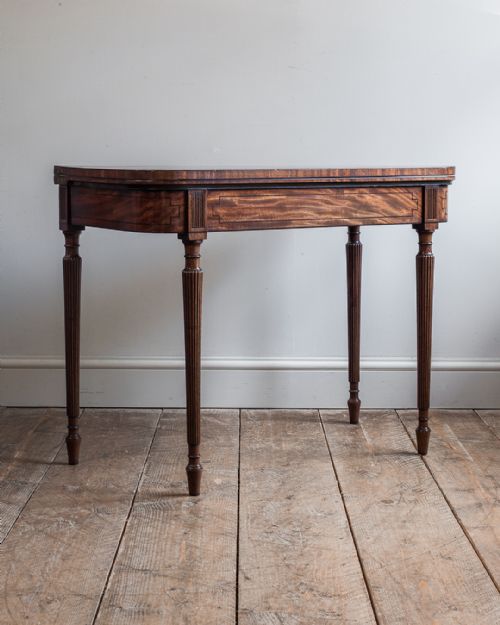
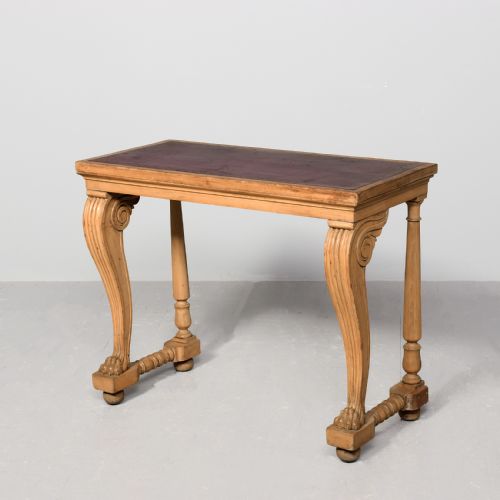


George IV Hall Table
A george iv hall table brings architectural timber and formal presence straight to an entranceway, offering a functional surface steeped in period character.
George IV Hall Table
When searching for a george iv hall table, a buyer explores a specific lineage of entrance and console furniture originating in the early nineteenth century. The examples recorded here span console tables, side tables, and narrow hall formats designed to sit flush against a wall in a reception space.
The pieces most frequently met on this page are constructed from rich timbers like mahogany and oak, often taking shallow or D-shaped forms suited to narrow corridors. Alongside dedicated console designs, related forms such as tea tables, writing desks, and occasional centre tables appear under the broader George IV, Regency, and Georgian period classifications.
Originating during an era of revival and refined domestic architecture, these tables served both practical and decorative purposes in grand houses. Their survival in various wood veneers and timber configurations demonstrates the enduring demand for entrance furniture with distinct period proportions.
What varies in quality
The distinction between ordinary and exceptional examples of a george iv hall table rests on the choice of timber and the ambition of the design. Richly figured grains, such as pollard oak, burr oak, or flame mahogany, elevate a piece above standard stock through visual depth alone.
Proportion and execution define the upper tier of these tables, particularly in shallow formats where balancing narrow dimensions with structural stability requires consummate skill. Details like serpentine shapes, fine carving around end supports, and integrated secondary timbers separate utilitarian workshop production from master cabinetmaking.
George IV Hall Table Retail Price Guide 2026
Typical asking prices for george iv hall table among the pieces listed under this phrase on Sellingantiques today, from the lower quarter to the upper quarter. They describe what is for sale here now, not the wider market.
Several examples in the record double as game or tea tables, proving that nineteenth-century guests were expected to gamble or gossip immediately upon shedding their hats.
James Mein of Kelso
The George IV Hall Table Glossary
- Console table
- A table designed to be fixed against a wall, frequently supported by brackets or front legs while relying on the architecture for total stability.
- Flame mahogany
- A veneer cut from the fork of a mahogany tree, producing a distinctive, fiery pattern prized for decorative furniture fronts and tops.
- Ebonised wood
- Timber treated with a dark stain or finish to imitate ebony, commonly used for contrasting mouldings and decorative highlights.
- Pollard oak
- Oak timber harvested from trees that have been pollarded, yielding a tightly clustered, mottled grain highly valued in nineteenth-century cabinetry.
- End support
- A structural vertical framing member situated at the extremity of a table base, replacing standard four-leg configurations in many console and centre designs.
George IV Hall Table: Frequently Asked Questions
What is a george iv hall table used for?
These tables provide a narrow surface in an entrance hall for placing items like keys, correspondence, or decorative lamps upon entering a home.
Historically, they also established the formal aesthetic of a residence immediately upon crossing the threshold, combining utility with architectural presence.
How do I identify a george iv hall table?
Look for characteristic early nineteenth-century proportions, shallow depths designed for corridors, and timber choices such as mahogany, rosewood, or oak.
Stylistic markers often include Regency influences, bold end supports, and occasional ebonised or brass details typical of the period between eighteen hundred and eighteen thirty.
Where should I place a george iv hall table?
A narrow hall table sits best against a flat wall in an entryway, landing, or passage where floor space is at a premium.
Because their depth is restricted, they fit comfortably in corridors without obstructing movement while anchoring a mirror or artwork above.
Are these tables suitable for everyday use?
Solid timber construction and sturdy joinery make these pieces robust enough for the daily demands of a modern hallway or reception room.
Routine care involves gentle dusting and avoiding excessive moisture to protect antique polishes and delicate wood veneers.