





Classical Mahogany Cabinet
A classical mahogany cabinet brings architectural dignity and rich timber grain to an interior, built to house books, display porcelain or store linens.
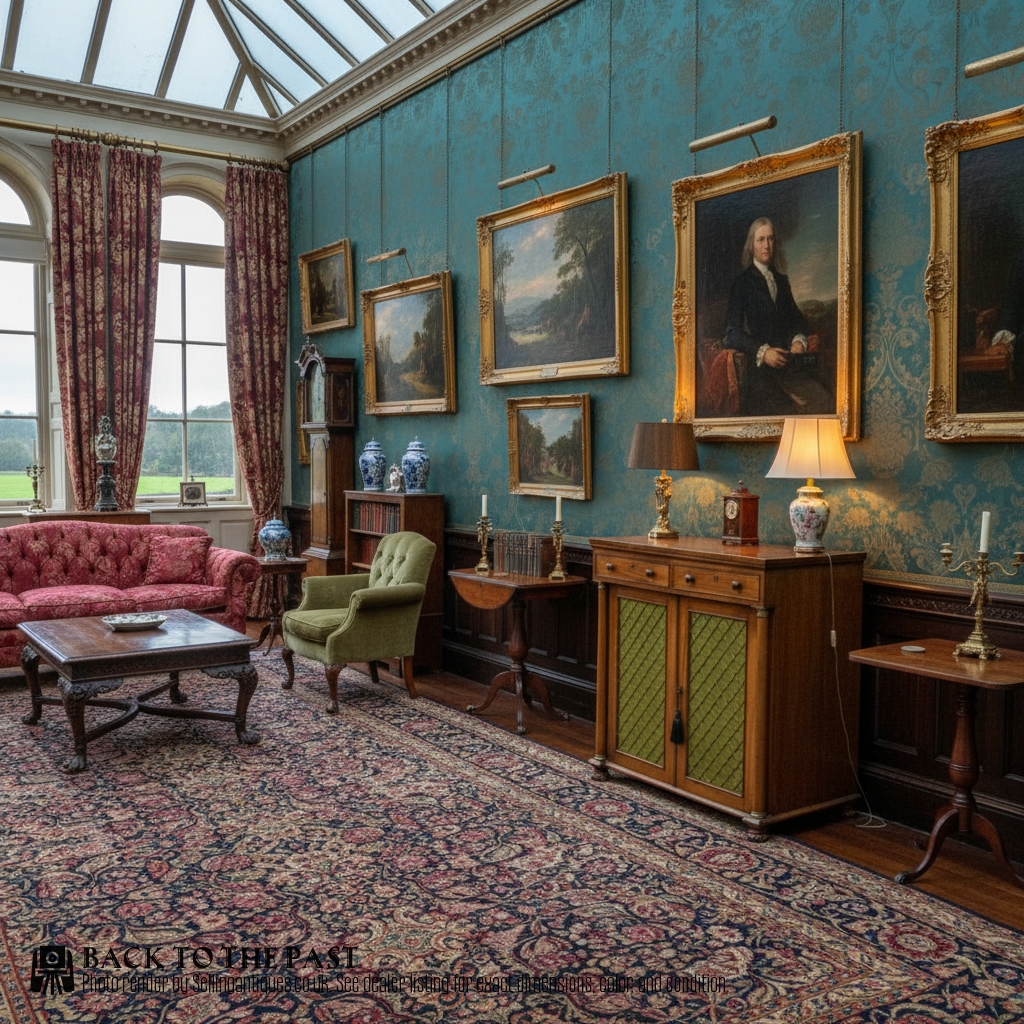
Classical Mahogany Cabinet
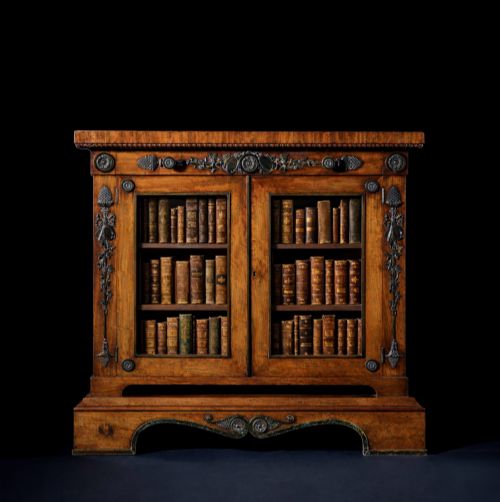
When you search for a classical mahogany cabinet, you encounter pieces spanning the Georgian, Regency, Victorian, and Edwardian eras, reflecting styles from French Empire to Sheraton Revival.
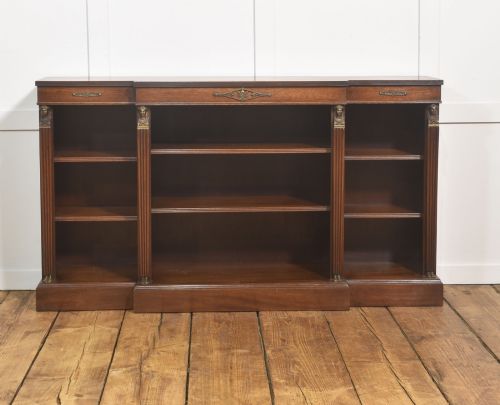
The selections range widely in purpose and silhouette, encompassing bookcases, side cabinets, bedside tables, corner cupboards, secretaires, and sideboards.
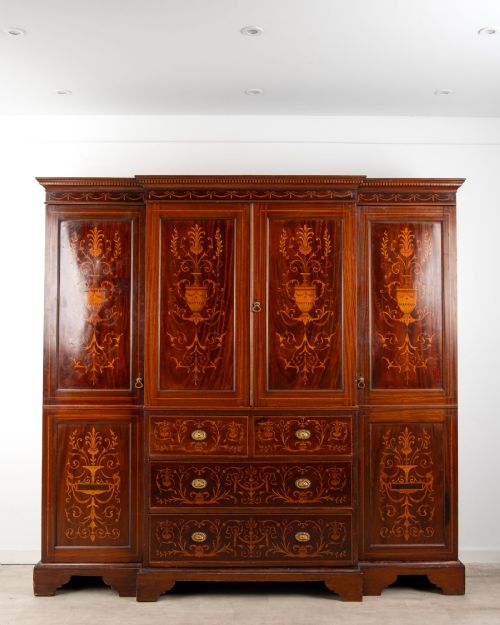
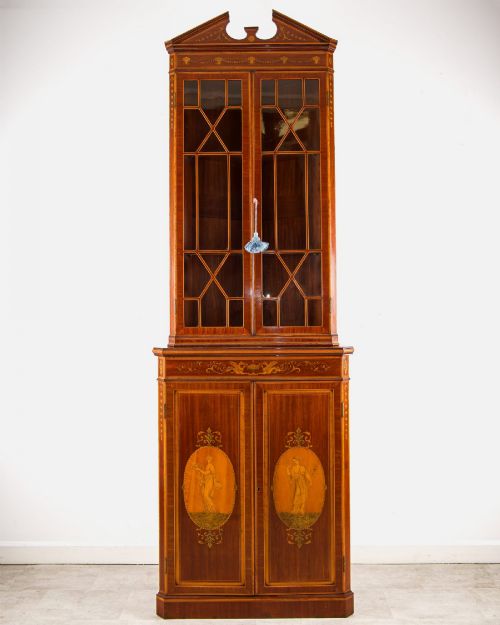
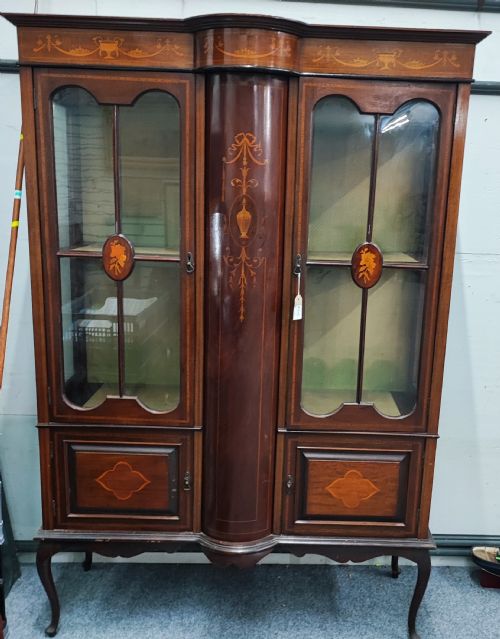
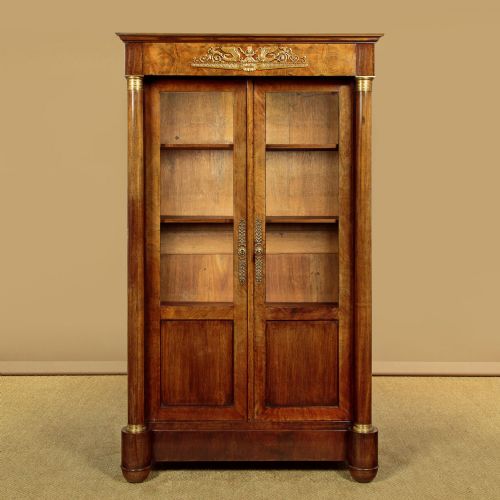
Nineteenth-century examples frequently display the influence of Regency or French Empire design, while Edwardian pieces often incorporate delicate marquetry and inlay work.
Materials and Construction
Makers utilised solid and veneered mahogany, frequently selecting figured or flame timber for principal surfaces to highlight natural grain patterns.
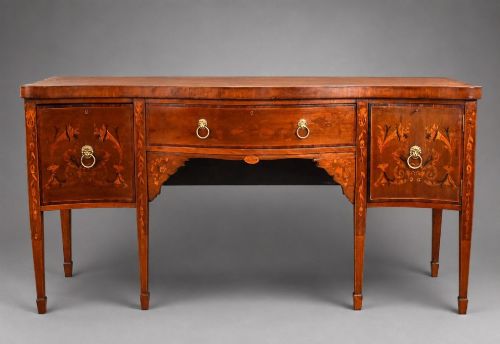
Decorative enrichment relied upon contrasting timbers such as satinwood, boxwood, and marquetry inlay, alongside cast brass or ormolu mounts.
Glass doors incorporated astragal glazing bars to divide panes geometrically, while interiors often utilised secondary woods for drawer linings and shelving.
Listings feature mahogany, satinwood inlay, ormolu, and marble across nineteenth-century and Edwardian forms.
Craftsmanship and Proportion
Quality rests upon the selection of timber veneers and the precision of the cabinetmaker's joinery, particularly in curved serpentine or bowfront designs.
The crispness of ormolu mounts, the delicacy of boxwood and satinwood inlay, and the integrity of original glass panes distinguish superior examples.
Makers recorded in the archive, such as Edwards and Roberts or Keeble of London, demonstrate exceptional execution in structural proportion and decorative detail.
Edwards and Roberts·Keeble London·Jean-Henri Riesener·Thomas Hope
The Classical Mahogany Cabinet Glossary
- Ormolu
- Gilded bronze mounts applied to furniture for decorative enrichment. These metallic ornaments characteristically define French Empire and high-status nineteenth-century pieces.
- Astragal
- Moulding strips that divide panes of glass within a cabinet door. They form geometric or tracery patterns across bookcases and display cabinets.
- Marquetry
- Decorative veneer work forming pictorial or symmetrical patterns using various coloured timbers. Craftsmen inlay contrasting woods into the primary mahogany surface.
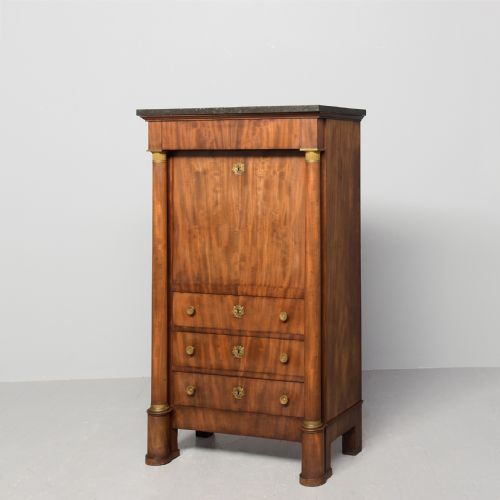
- Secretaire Abattant
- A tall cabinet featuring a fall-front writing flap that conceals small drawers and pigeonholes. This French form combines desk utility with enclosed storage.
- Flame Mahogany
- Timber cut from the fork of the mahogany tree to produce a flickering, flame-like grain pattern. Cabinetmakers reserved this prized veneer for prominent drawer fronts and doors.
Classical Mahogany Cabinet: Frequently Asked Questions
What is a classical mahogany cabinet used for?
These cabinets served multiple domestic functions, from housing libraries and displaying porcelain to storing linens or providing writing surfaces.
Depending on the specific form, such as a secretaire or bookcase, they functioned as practical workstations or elegant display furniture in principal reception rooms.
How do I identify a Regency cabinet?
Regency pieces often display classical architectural motifs, such as brass mounts, columnar supports, and dark mahogany surfaces inspired by antiquity.
They date from the early nineteenth century and frequently emphasise clean geometric lines combined with restrained bronze or brass detailing.
What is flame mahogany?
Flame mahogany is a highly figured wood veneer cut from the point where branches join the main trunk, creating a distinctive flame-like pattern.
Cabinetmakers placed these decorative veneers symmetrically on cabinet doors and drawer fronts to catch the light and showcase the timber.
Are Edwardian cabinets older than Victorian ones?
Edwardian cabinets date from the early twentieth century, succeeding the Victorian period which spanned the latter half of the nineteenth century.
Edwardian interpretations often lighter in proportion, frequently featuring Sheraton Revival styling with delicate satinwood and boxwood inlay.