



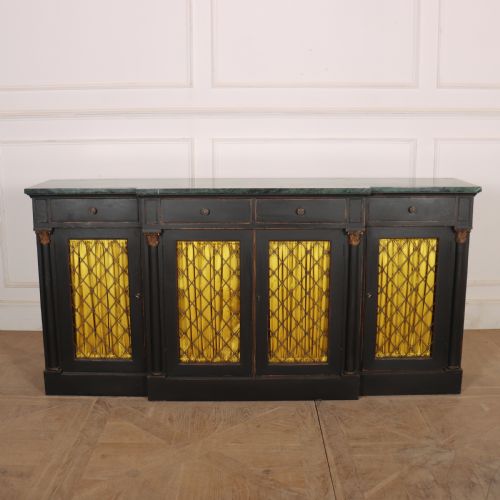

Brass Mesh Sideboard
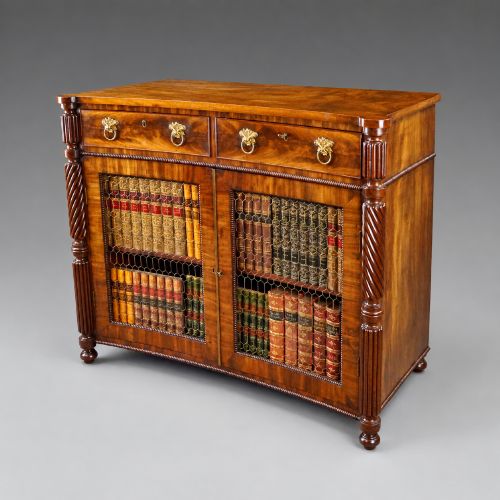
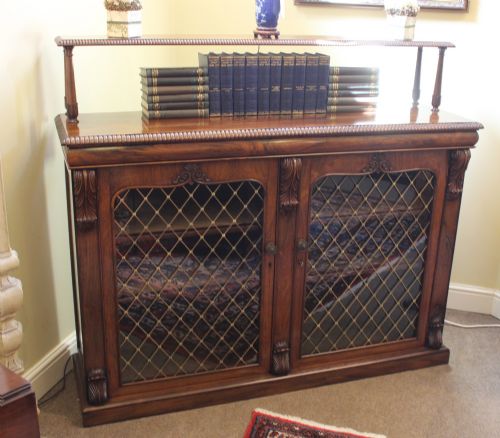
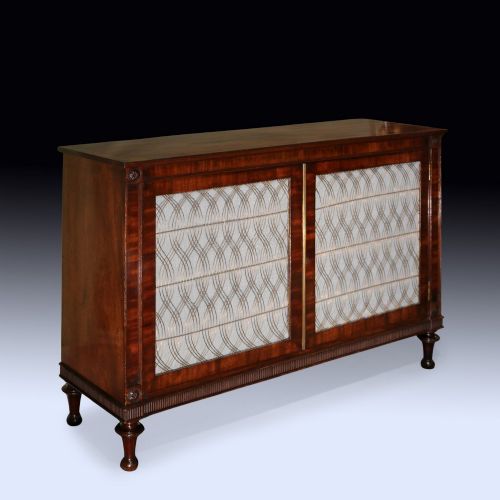
A brass mesh sideboard is a practical storage piece defined by metalwork door panels, offering a clear view of the interior while keeping contents contained.
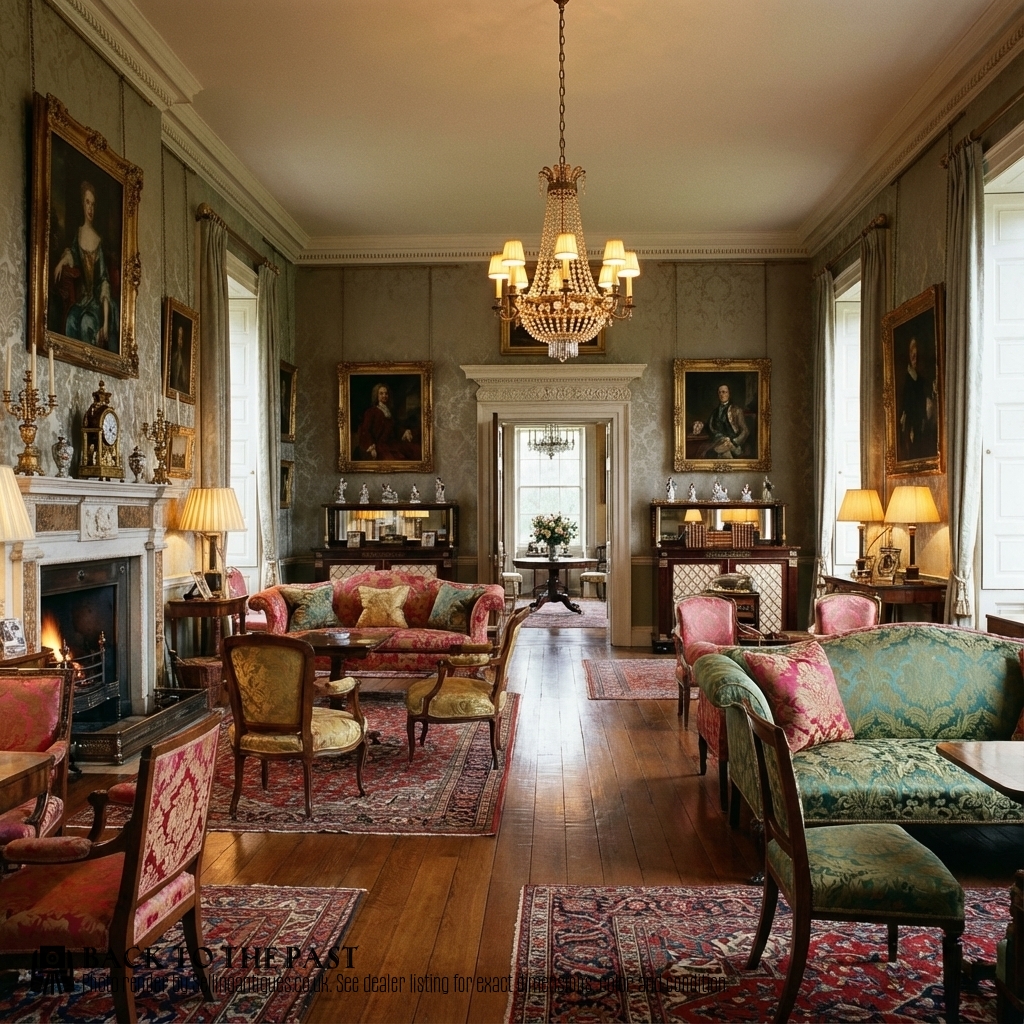
Brass Mesh Sideboard
A brass mesh sideboard combines timber cabinetry with metal grille doors, appearing across various 18th century, 19th century, and 1930s periods. These forms range from traditional sideboards and credenzas to side cabinets, chiffoniers, and dresser bases.
Most examples found on this page date from the 19th century, including specific Regency and William IV stylistic variations. Timber species such as mahogany and rosewood dominate the selection, alongside pollard oak and walnut.
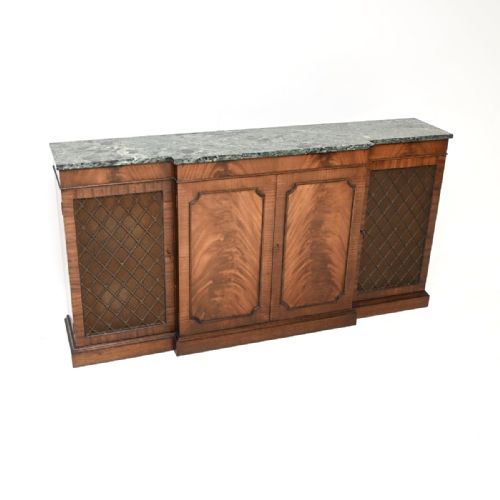
Buyers encounter enclosed cabinet formats featuring one or two doors, often incorporating surface materials like marble. The metal mesh or grille insert defines the visual character of each piece, distinguishing solid-door alternatives from glazed display furniture.
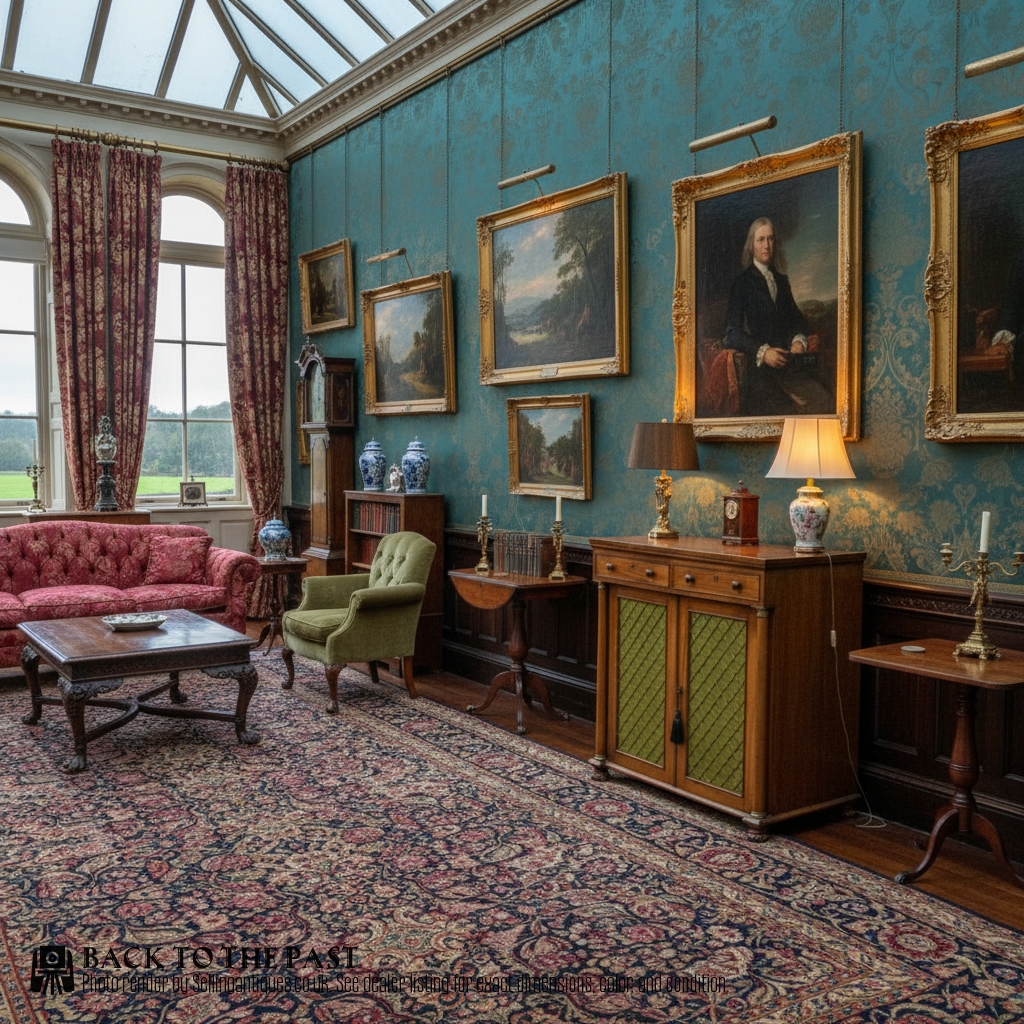
Construction and materials
Cabinet makers utilised dense hardwoods like mahogany, rosewood, and pollard oak as the primary structural carcase for these sideboards and cabinets. These timbers were selected for their durability and grain pattern.
Fine brass wire was woven or formed into grilles and mesh panels, then secured behind wooden frame doors to protect the contents while maintaining ventilation and visibility. Additional surface details incorporate ebony inlay, painted finishes, and fitted marble tops.
Brass Mesh Sideboard Retail Price Guide 2026
Typical asking prices for brass mesh sideboard among the pieces listed under this phrase on Sellingantiques today, from the lower quarter to the upper quarter. They describe what is for sale here now, not the wider market.
Listings span the 18th century, 19th century, and 1930, featuring mahogany, rosewood, walnut, pollard oak, marble, and silk.
Evaluating craftsmanship
Quality rests in the precision of the timber joinery and the integrity of the brass mesh or grille work set into the doors. Heavier hardwoods and superior grain selection elevate the stature of an individual cabinet.
The integration of secondary materials, such as polished marble tops or intricate ebony detailing, indicates higher workshop standards during construction. Consistency in period hardware and structural stability separates standard utility pieces from finer examples.
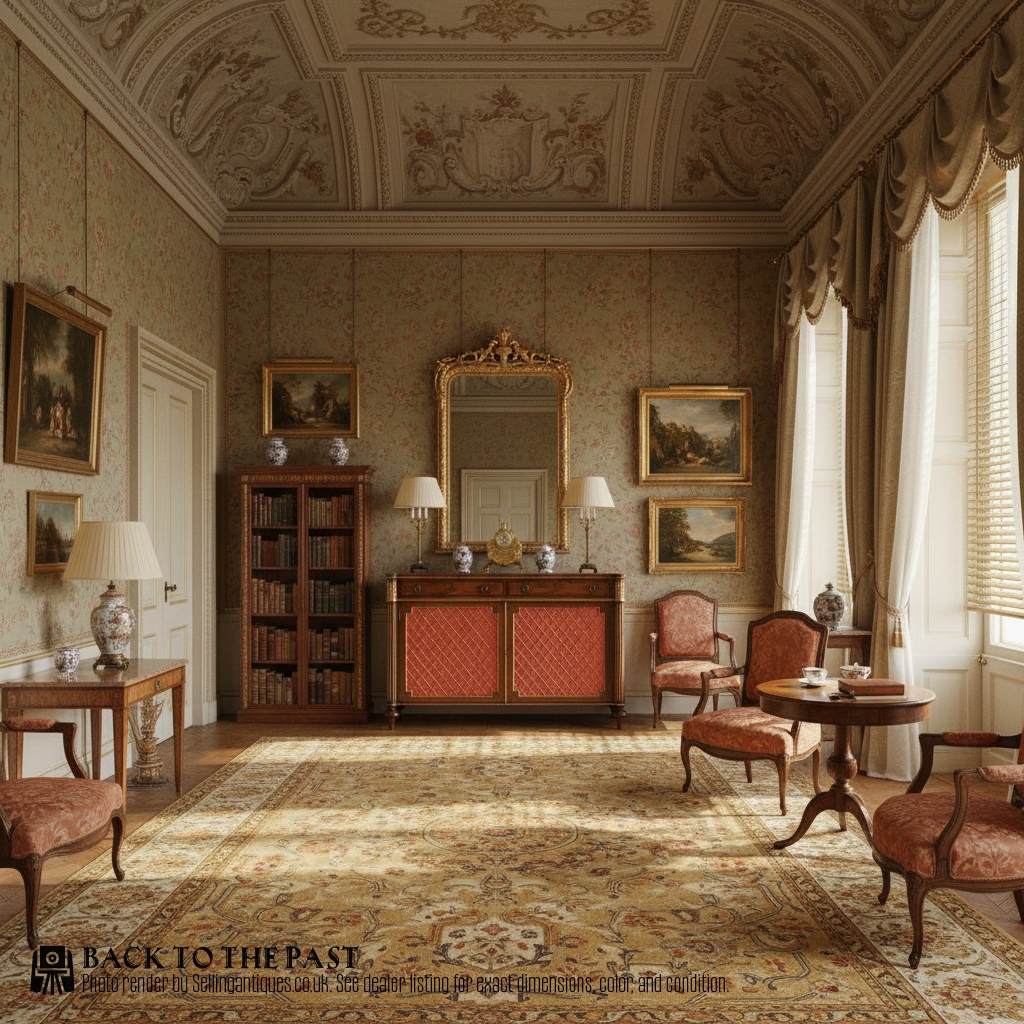
The Brass Mesh Sideboard Glossary
- Chiffonier
- A compact sideboard or low cabinet developed in the early 19th century, typically featuring enclosed shelving below.
- Grille
- A decorative lattice or mesh of metal wires fitted into cabinet doors to allow visibility into the interior space.
- Pollard oak
- Timber taken from trees that were pollarded, producing a dense, highly figured grain pattern prized in cabinet making.
- Breakfront
- A cabinet design where the central section projects forward from the flanking outer sections.
- Regency
- A British design period spanning the early 19th century, characterised by classical restraint and refined proportions.
Brass Mesh Sideboard: Frequently Asked Questions
What is a brass mesh sideboard used for?
These cabinets serve as dining room storage or living area furniture for crockery, linen, and glassware. The mesh panels offer partial visibility of the contents while concealing the interior clutter.
They function similarly to traditional wooden cupboards but introduce lighter visual elements through the metalwork door inserts.
How do I date a brass mesh cabinet?
Dating relies on timber choice, construction methods, and stylistic markers such as Regency or William IV proportions. Pieces range from 18th-century George III items to 19th-century variants and later 1930s interpretations.
Examining the interior timber and the fixings behind the mesh helps confirm the period of manufacture.
Are these pieces made of solid mahogany?
Many examples utilise solid mahogany or rosewood for the main structure and door frames. Secondary timbers are frequently used for internal elements and drawer linings.
Finer pieces showcase figured veneers applied over stable softwood or hardwood carcases to achieve decorative surfaces.
Do all models have marble tops?
Only specific examples include fitted marble tops, while others feature plain timber surfaces. Marble tops appear more frequently on chiffoniers and side cabinets intended for serving or display.
The presence of stone adds weight and alters the functional use of the top surface.
How should I care for the brass mesh?
The brass mesh requires gentle dusting with a soft brush to prevent accumulation within the wire interstices. Avoid harsh chemical cleaners that might discolour the metal or damage surrounding wood finishes.
Regular maintenance preserves the original patina of both the wirework and the timber frame.