



Classical Landscape Canvas
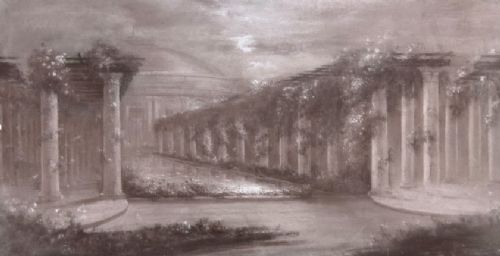
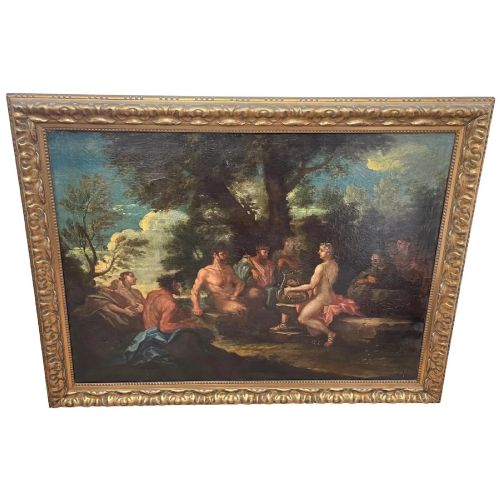
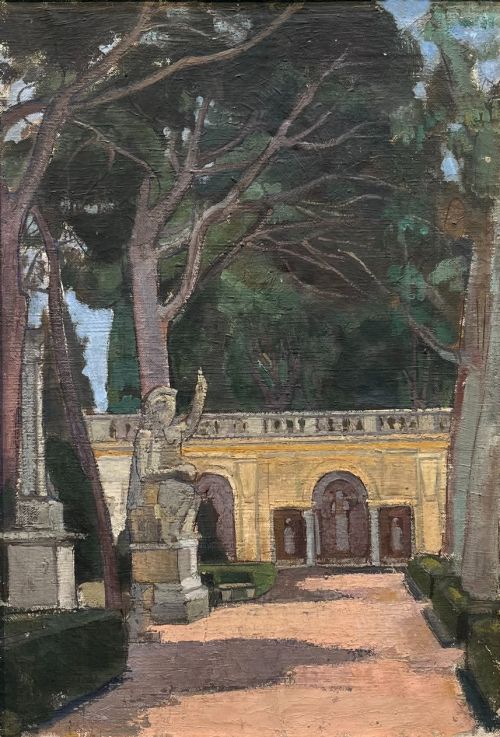
A classical landscape canvas brings the idealised ruins, mountains and pastoral vistas of antiquity directly into an interior.
Classical Landscape Canvas
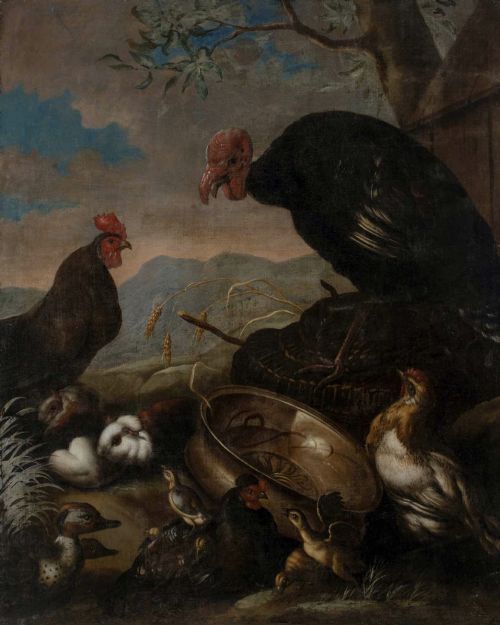
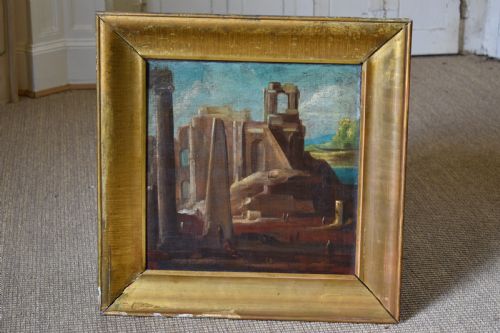
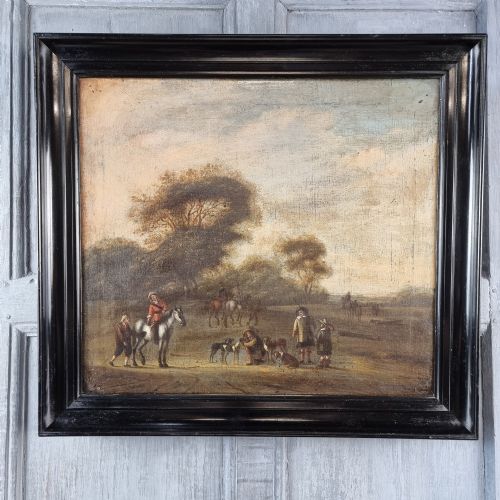
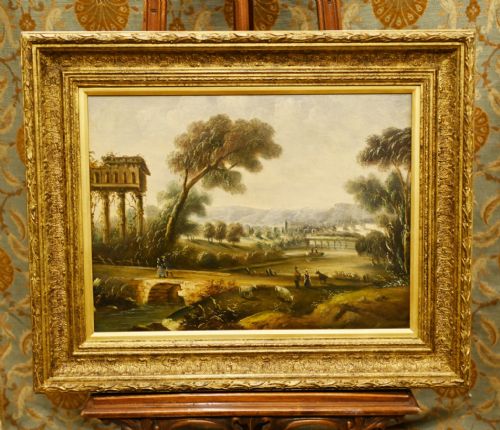
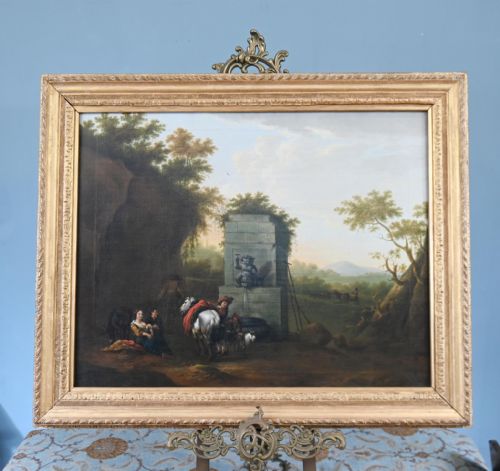
When searching for a classical landscape canvas, a buyer encounters oil paintings depicting idealised scenes with architectural ruins, figures and pastoral elements.
The versions most commonly met on this page range from seventeenth-century Dutch and Italian examples to nineteenth-century Grand Tour interpretations.
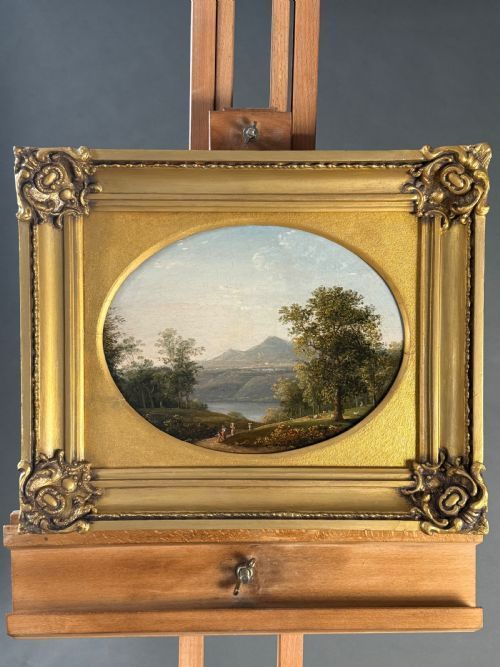
Compositions often draw inspiration from established masters such as Claude Lorrain and Jacob Philipp Hackert, presenting balanced views of nature combined with classical remnants.
Materials and technique
These works are executed in oil paint applied to a woven canvas, often supported by a wooden stretcher.
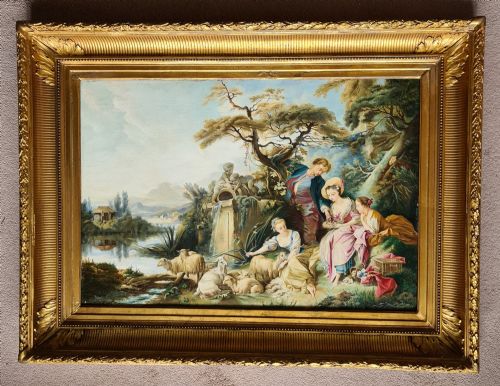
Many of the period frames associated with these paintings utilise carved wood, gesso and applied gold leaf to create ornate gilded borders.
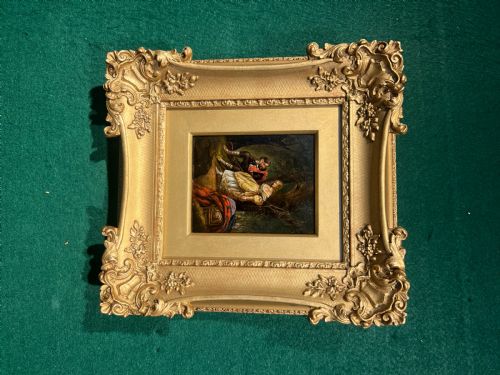
Several canvases feature tiny pastoral figures lingering near ancient ruins, seemingly unaware they reside inside a grand gilt frame.
Judging quality in composition
Quality rests upon the handling of light and atmospheric perspective, which creates depth and harmony across the painted surface.
The refinement in rendering architectural ruins, foliage and small figures distinguishes the most accomplished works from standard decorative copies.
Angelo Maria Crivelli·Jacob Philipp Hackert·John Ferneley Senior·Frederick Waters Watts·William Raymond Dommersen
The Classical Landscape Canvas Glossary
- Oil on Canvas
- A traditional painting technique where pigments suspended in oil are applied to stretched fabric. This medium allows for rich blending and deep tones.
- Grand Tour
- A cultural journey undertaken by wealthy young Europeans through France and Italy during the eighteenth and nineteenth centuries. Travellers collected art such as landscape paintings to bring home.
- Gesso
- A plaster mixture applied to wood or canvas as a prepared base for painting or gilding. It provides a smooth surface for subsequent layers.
- Giltwood
- Wood that has been decorated with a thin layer of gold leaf or gold paint. Frames utilising this finish are common on antique paintings.
- Old Master
- A term for a European painter of skill who worked before about eighteen hundred. These artists formed the foundation of traditional academic painting.
Classical Landscape Canvas: Frequently Asked Questions
What defines a classical landscape canvas?
These works depict imaginary or idealised outdoor scenes filled with classical architecture, ancient ruins and mythological or pastoral figures. They follow compositional rules established during the seventeenth century to evoke a sense of harmonious antiquity.
Artists balanced natural elements like trees, rivers and mountains with man-made structures to guide the viewer's eye through the narrative space.
How do I care for an antique canvas?
Display the painting away from direct sunlight and steady heat sources to protect the oil pigments and the wooden stretcher from warping or fading. Maintain stable indoor humidity levels to prevent the canvas fabric from slackening.
Dust the surface very gently with a soft, dry brush, avoiding any moisture or chemical cleaning agents which can damage the aged paint layers.
How are different periods told apart?
Seventeenth-century examples often display dramatic lighting and tighter Dutch or Italianate realism, whereas eighteenth-century Grand Tour paintings lean toward brighter, more theatrical pastoral views. Nineteenth-century interpretations frequently show looser brushwork and romantic atmospheric effects.
Examining the canvas texture, stretcher construction and the style of the accompanying frame offers further clues to the manufacturing date.