

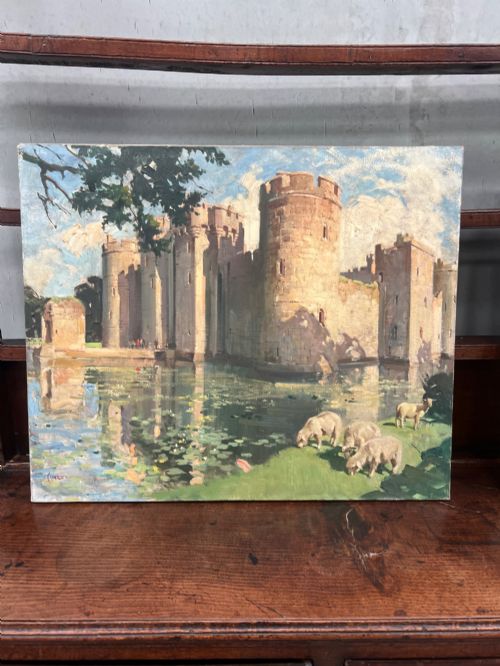
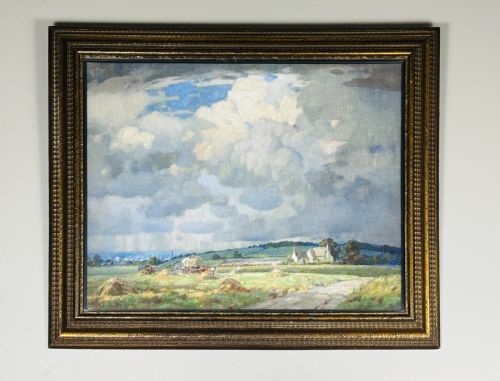
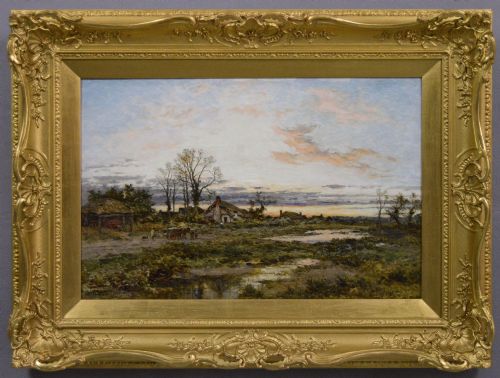
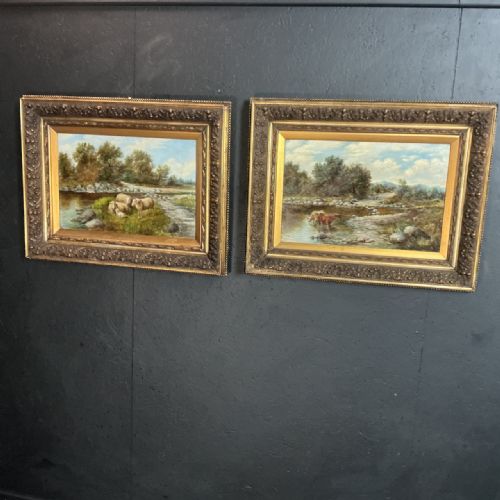
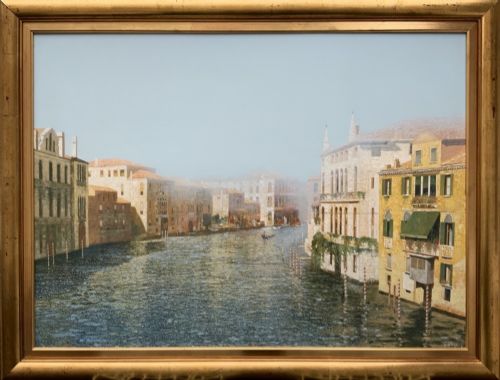
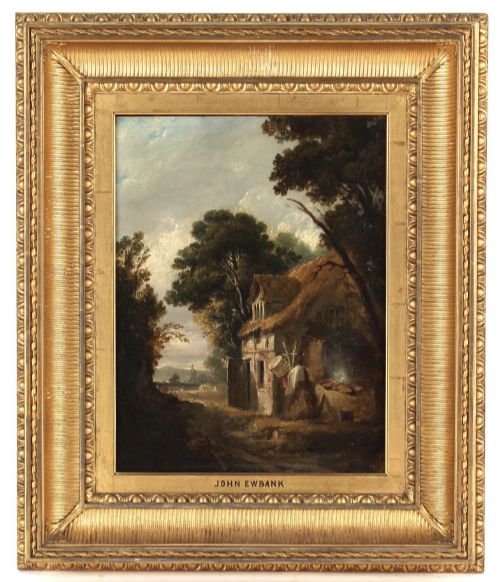
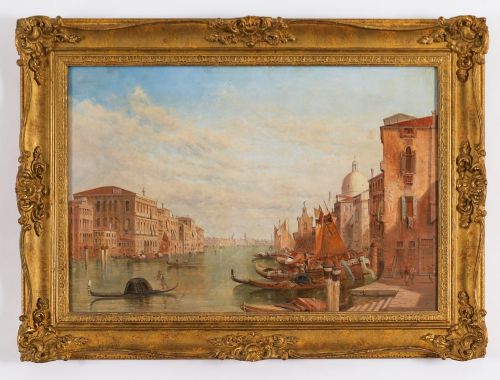
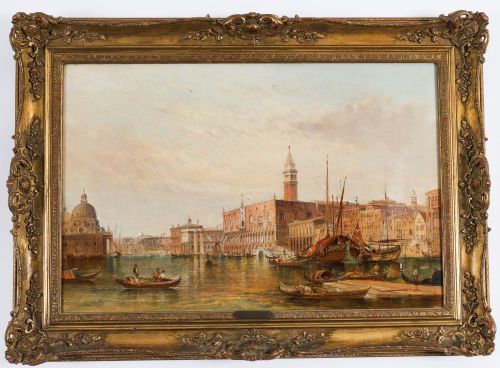
Framed Oil Landscape Artwork
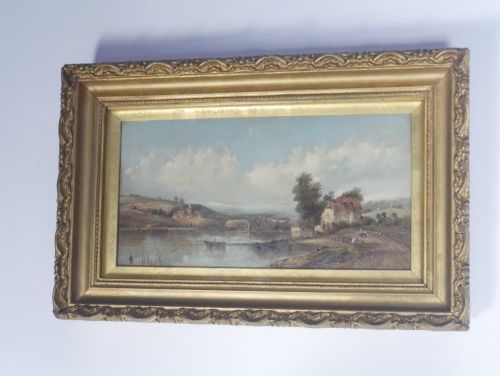
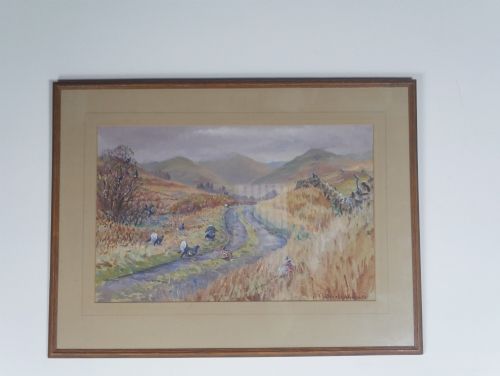
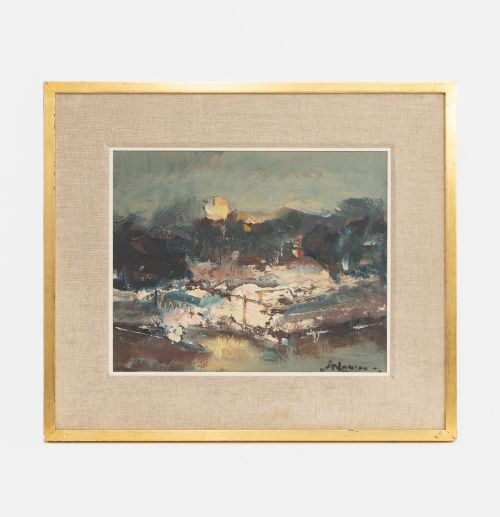
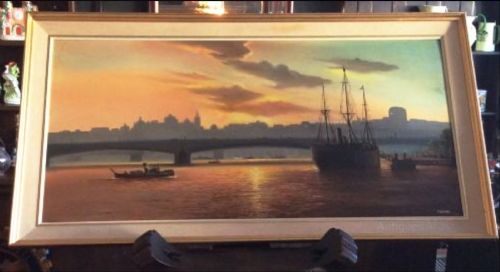
Framed oil landscape artwork brings together centuries of painted rural views, marine scenes and woodland settings housed in period wooden mounts.
Framed Oil Landscape Artwork
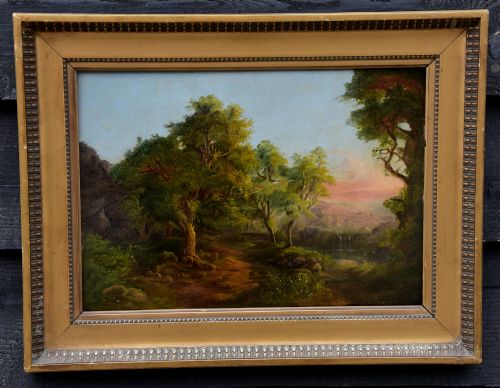
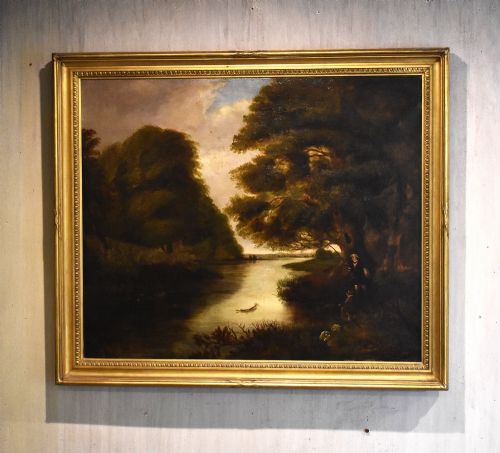
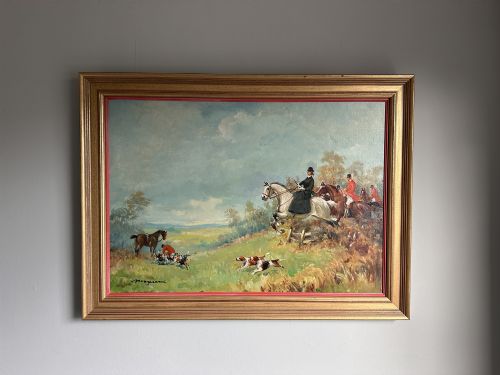
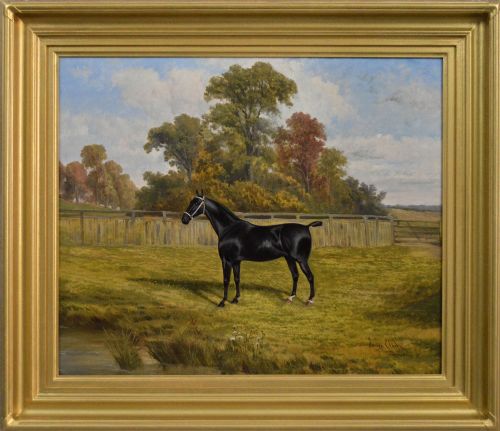
When you search for framed oil landscape artwork, you encounter painted compositions capturing rural vistas, coastal shores, pastoral farming scenes and wooded pathways. These works range from seventeenth-century Flemish panels to twentieth-century impressionist coastal views.
The pieces on this page span the seventeenth through the twentieth centuries, with significant representation from the nineteenth century, the Victorian era and the Edwardian period. You will find canvases, wood panels and boards housed in their original or period-matched frames.
British, French, Dutch and Flemish schools predominate, encompassing romanticism, post-impressionism and realist depictions of countryside and marine subjects. Each piece presents a distinct viewpoint of natural scenery executed in oil paint.
Materials and construction
Artists painted primarily with oil paint on stretched canvas, wood panels or prepared boards, building up layers of pigment to achieve depth and texture. Canvas provided a flexible support for larger works, whilst wood panels and boards suited smaller en plein air studies.
Frames utilised solid wood, gesso and carved ornamentation, often finished with gilt or gilding to complement the palette of the painting within. These surrounds were constructed to protect the edges of the canvas or panel and provide a defined boundary for the artwork.
Framed Oil Landscape Artwork Retail Price Guide 2026
Typical asking prices for framed oil landscape artwork among the pieces listed under this phrase on Sellingantiques today, from the lower quarter to the upper quarter. They describe what is for sale here now, not the wider market.
Pastoral scenes frequently star bewildered livestock staring steadfastly out of the canvas at the viewer.
What determines quality
Quality rests upon the handling of light, brushwork precision and the anatomical or structural accuracy within the composition. Master painters captured atmospheric perspective and natural movement with confidence, whereas lesser works display rigid lines and flat colour application.
The integration between the painting and its frame influences overall standard, particularly when original giltwood surrounds retain their crisp moulding and structural integrity. Evidence of the artist's hand through assured impasto and tonal subtlety separates standard decorative pieces from fine works.
Eugène Verboeckhoven·Richard Sebastian Bond·William Beattie-Brown·Arthur Wardle·George Houston
The Framed Oil Landscape Artwork Glossary
- Gesso
- A plaster-like mixture applied to wood frames as a base before gilding or painting. It allowed craftsmen to carve intricate relief details onto the moulding.
- En plein air
- Painting executed outdoors directly in front of the subject. This technique gained prominence in the nineteenth century for capturing changing natural light.
- Impasto
- Paint applied thickly to a canvas or panel so that the brush or palette knife marks stand proud of the surface. It adds tactile depth and texture to foliage, water or skies.
Framed Oil Landscape Artwork: Frequently Asked Questions
How do I clean an oil painting?
Dust gently with a soft, dry brush to remove loose particles without pressing against the canvas surface. Avoid using water, household cleaners or chemical solvents on the paint.
Professional conservators should handle any deep cleaning or removal of discoloured varnish. Improper cleaning methods can strip the delicate oil layers and ruin the pigment.
Are original frames important?
Original or period-appropriate frames protect the edges of the canvas or wood panel and maintain the historical integrity of the piece. They complement the aesthetic of the artwork as intended by the maker.
Replacing a period frame with a modern alternative can diminish the visual harmony between the art and its housing. Collectors value pieces that retain their matching nineteenth or early twentieth-century surrounds.
How do I hang a heavy oil painting?
Secure the hanging wire or rings directly into the sturdy wooden stretcher bars of the canvas rather than relying solely on the frame structure. Use wall anchors or fixings rated to support the combined weight of the painting and its heavy wood or gilt surround.
Position the artwork away from direct sunlight, heating vents and damp walls to protect the canvas and wood from warping or cracking. Maintaining a stable indoor environment preserves both the paint layers and the frame.
How can I tell the period of a landscape?
Examine the style of brushwork, the pigments used and the construction techniques of the wooden stretcher and frame. Nineteenth-century works often display romantic or realist tendencies, whilst later pieces show impressionist or post-impressionist influences.
Signatures, dates inscribed on the reverse and framing styles provide further clues to dating. Comparing the subject matter to known regional school characteristics helps narrow down the decade of creation.