


Classical Gilt Overmantel
A classical gilt overmantel brings architectural presence and reflected light to a principal reception room, combining gilded surfaces with stately proportions.
Classical Gilt Overmantel
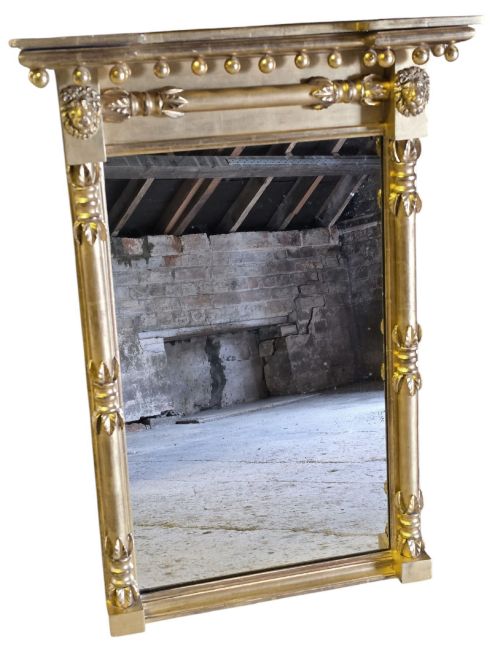
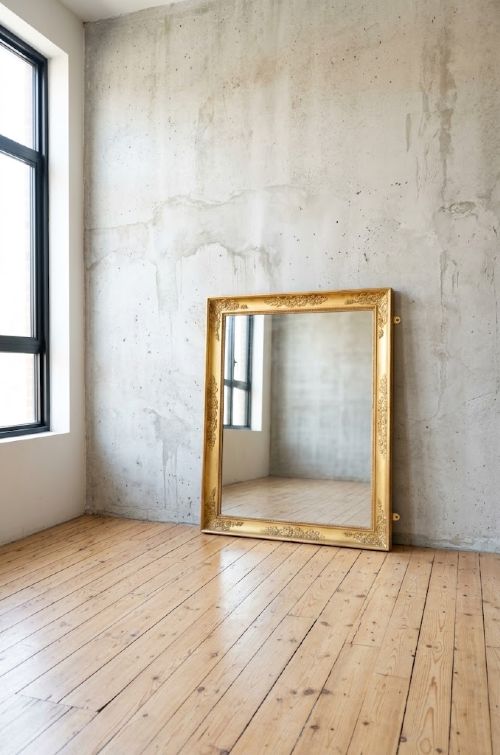
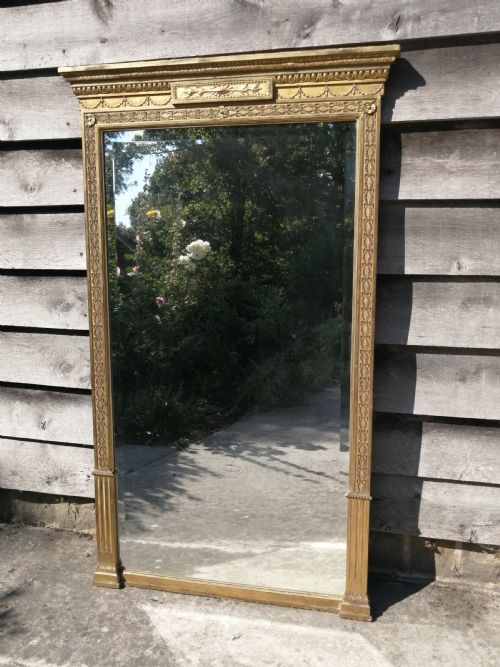
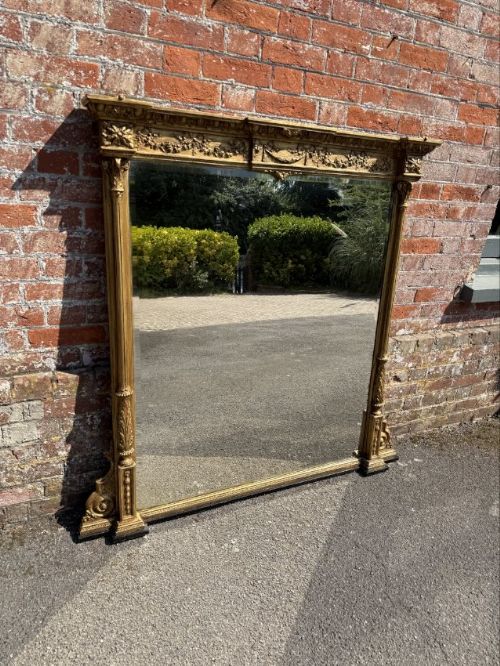
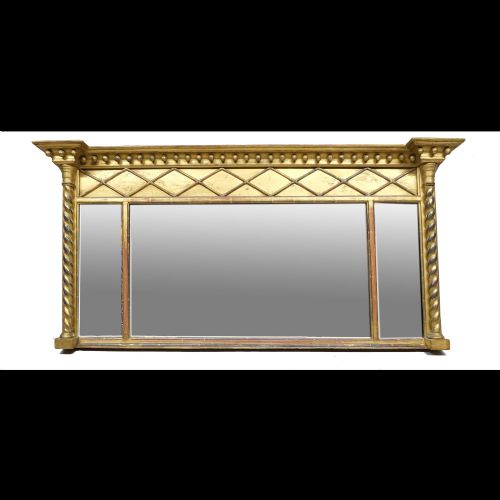
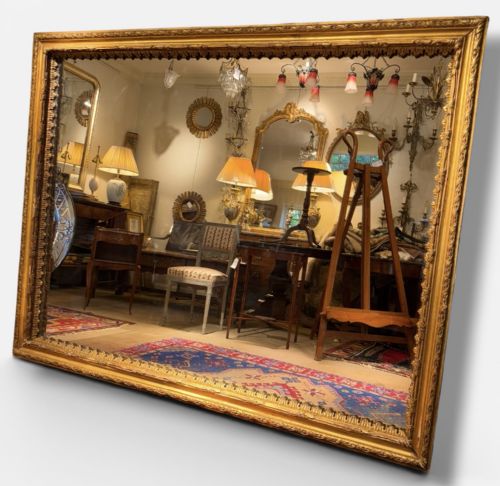
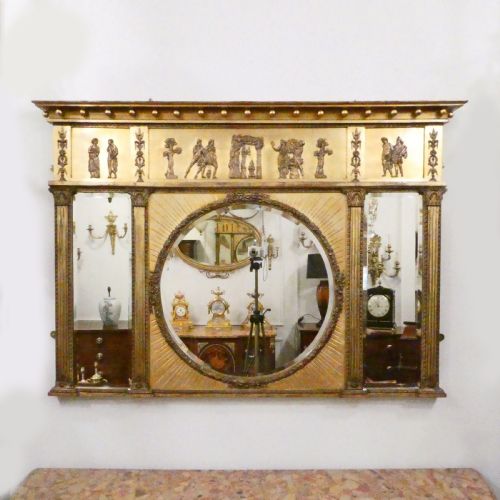
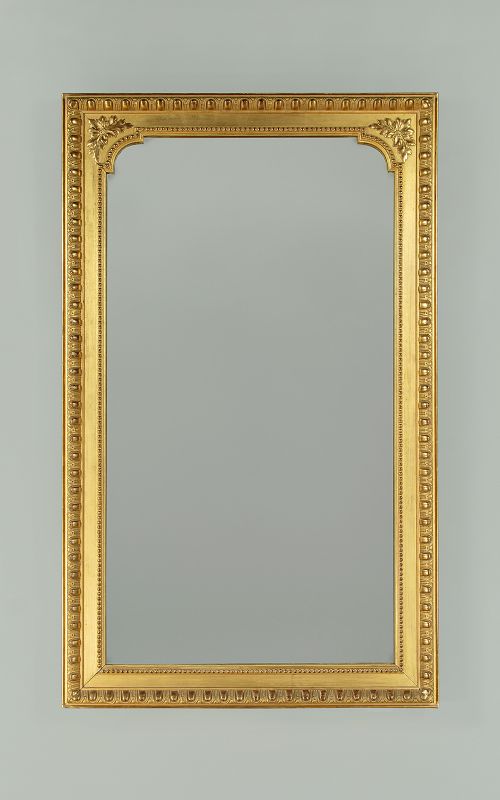
A classical gilt overmantel is a large decorative mirror designed to sit directly above a fireplace, anchoring the chimney breast in a formal interior. You will frequently encounter examples from the Regency and Victorian eras, alongside Georgian and French provincial interpretations.
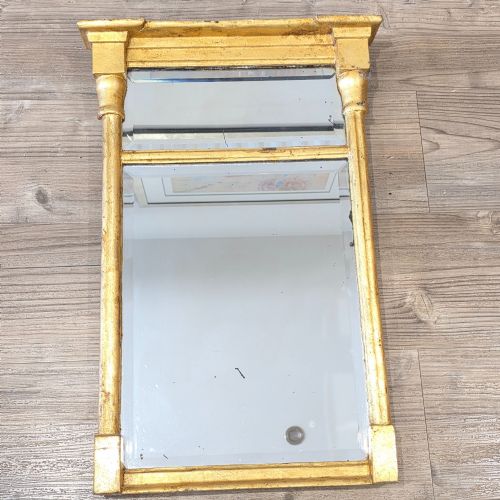
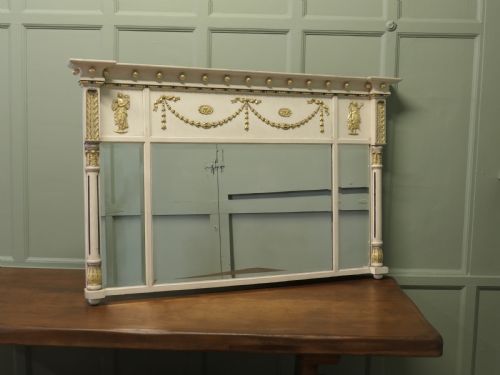
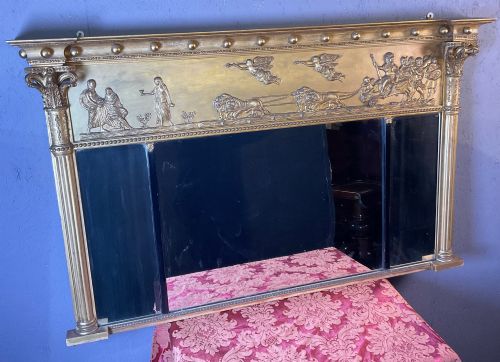
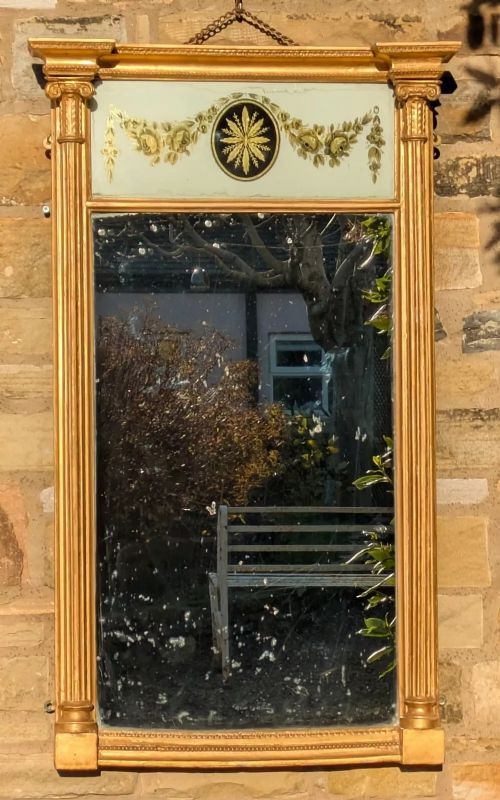
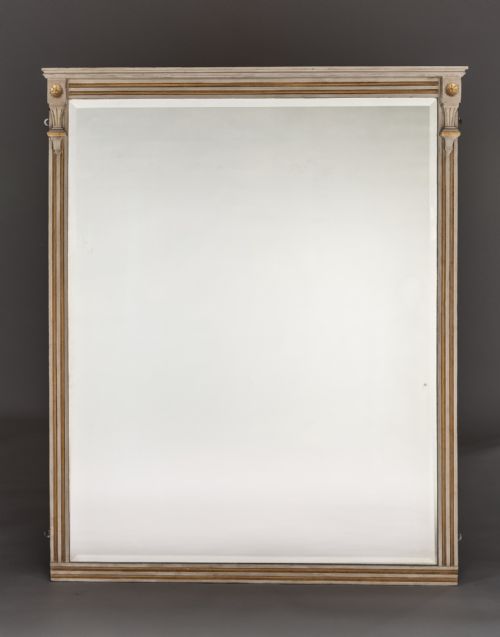
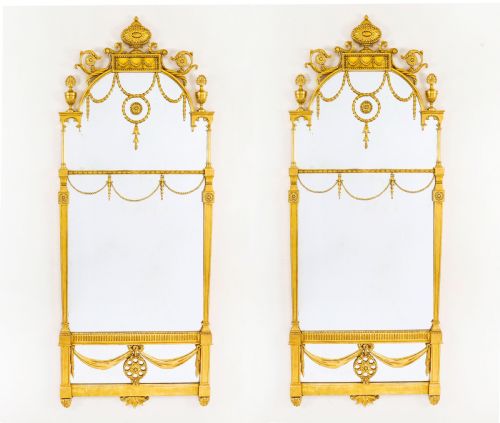
The form ranges from simple rectangular plates to grand triptych arrangements and tall trumeau panels incorporating verre eglomise or painted sections. These pieces span wall mirrors, pier mirrors, and dedicated overmantel mirror formats shaped by Neoclassical, Adam Revival, and Louis XVI styles.
Originating as practical solutions for brightening dark rooms with candlelight, these mirrors evolved into centrepieces of interior decoration. Their presence defines a period room, balancing the heavy masonry of a fireplace with reflective depth and gilt detailing.
How They Were Made
Makers built the foundational frames of these mirrors using carved wood, frequently layering composition and gesso to hold sharp decorative relief before applying gold leaf or paint. This combination allowed artisans to produce intricate architectural motifs, floral carvings, and columned framing.
Reflecting surfaces rely on mirror glass, sometimes appearing as original plates with characteristic foxing or crackle finishes, alongside specialised sections like verre eglomise panels. The integration of wood, gesso, and gold leaf defined the standard craftsmanship of nineteenth-century workshops.
Some nineteenth-century mirrors carry mythological scenes, including depictions of ancient chariots riding across the upper glass panels.
What Varies in Quality
The standard of a classical gilt overmantel rests on the depth and crispness of the gesso and carved wood ornamentation. Superior examples display sharply defined motifs and harmonious proportions, whereas lesser pieces show softer details where composition ornament has worn or been replaced.
The integrity of the reflective glass and the survival of original gilding significantly influence the character of the object. Pieces retaining their original mirror plates and untouched gold leaf hold greater visual coherence than those with later silvering or modern touch-ups.
The Classical Gilt Overmantel Glossary
- Giltwood
- Wood that has been coated with a thin layer of gold leaf. This technique protects the timber underneath while providing a luminous metallic finish.
- Gesso
- A plaster-like mixture applied to wooden frames and carved to create raised ornaments. It serves as the smooth base for subsequent gilding.
- Verre Eglomise
- A process of cold painting and gilding on the reverse of glass. It creates decorative panels with deep metallic lustre often seen in upper mirror sections.
- Trumeau
- A decorative wall mirror or panel featuring a painted or glass scene above the main mirror plate. These pieces originate from French interior design traditions.
- Pier Glass
- A tall mirror specifically designed to hang on the wall space between two windows. They share many stylistic traits with overmantel mirrors.
Classical Gilt Overmantel: Frequently Asked Questions
How do I hang a heavy overmantel mirror?
These mirrors carry significant weight due to their timber frames and thick glass plates, requiring secure attachment directly into wall studs or masonry.
Professional mirror fixings or French cleats distribute the load safely across the wall structure to prevent movement.
What is the difference between an overmantel and a pier mirror?
An overmantel mirror is specifically proportioned to sit horizontally above a mantelpiece, whereas a pier mirror is taller and narrower to fit wall spaces between windows.
Both forms utilise classical gilt frames and decorative panels from the same nineteenth-century periods.
Are original mirror plates common?
Many nineteenth-century mirrors retain their original glass, which often exhibits subtle foxing, minor speckling, and undulating reflections.
These natural signs of age confirm the authenticity of the piece without diminishing its decorative impact in a modern interior.