
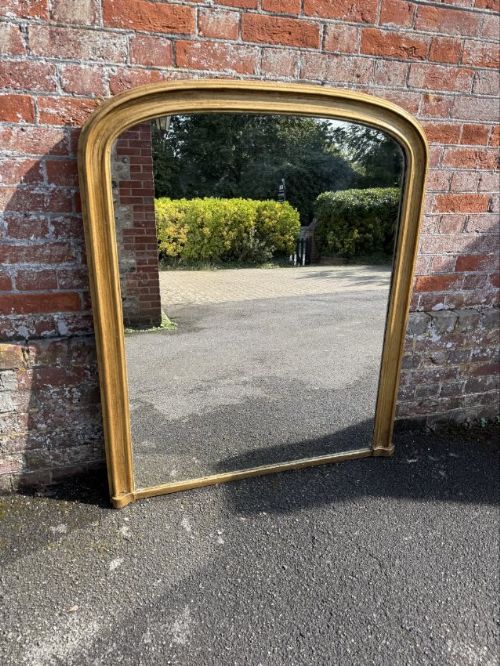
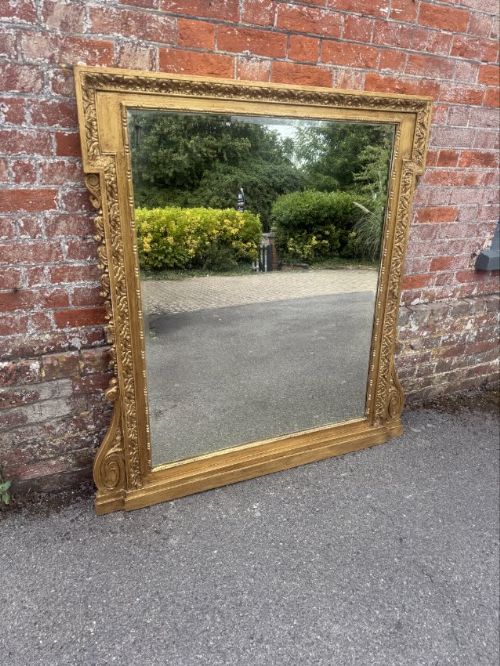
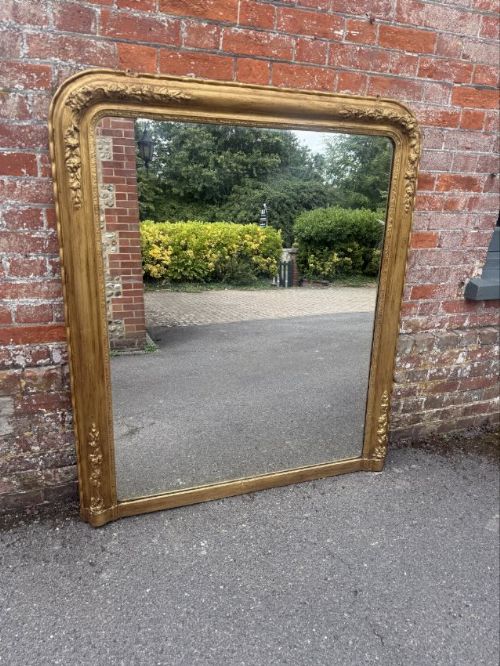
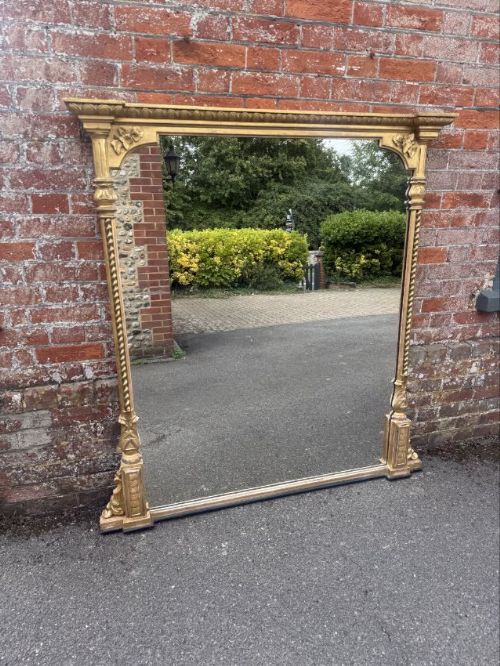

Carved Gilt Gesso Mirror
A carved gilt gesso mirror brings warmth and reflective depth to a room through traditional craftsmanship and ornate surface decoration.
Carved Gilt Gesso Mirror
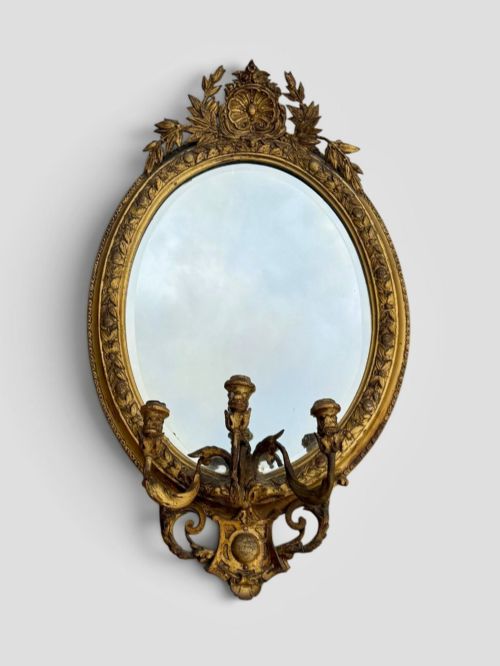
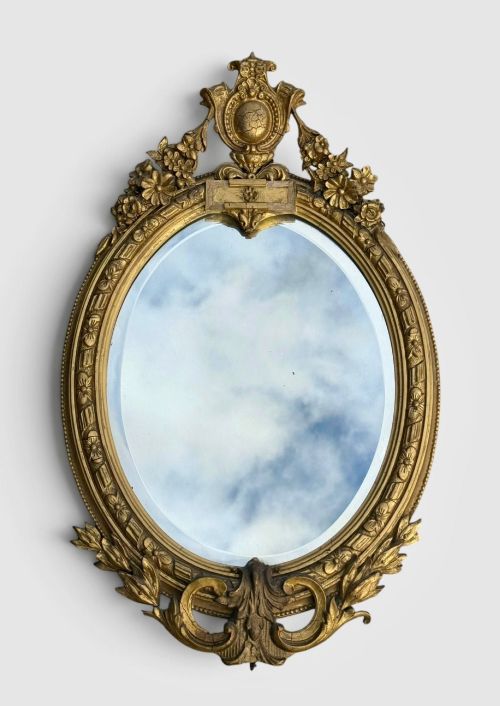
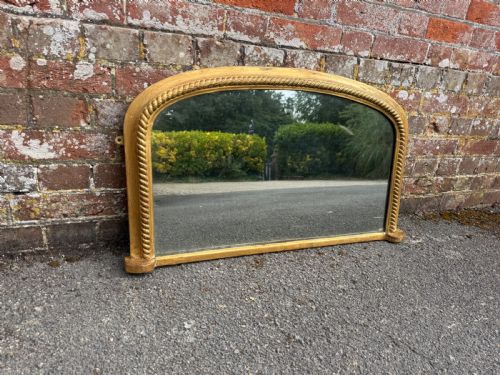
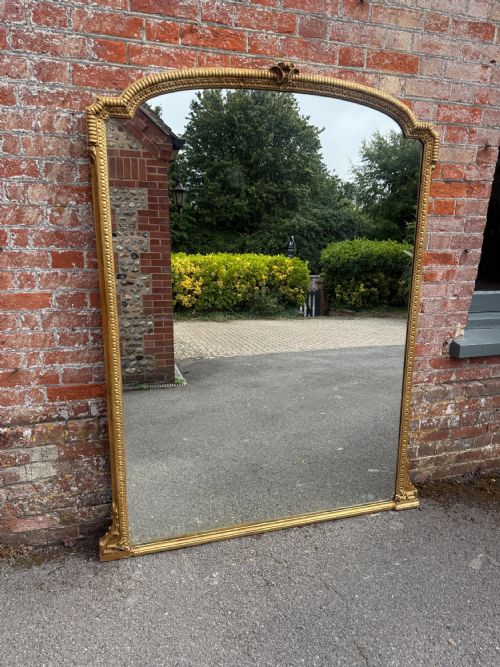
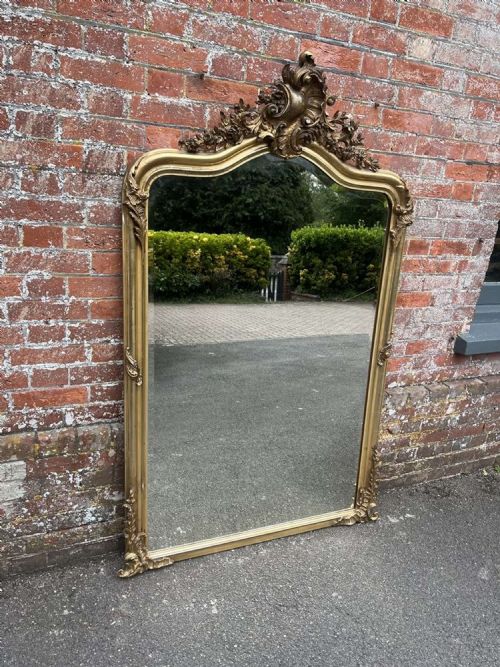
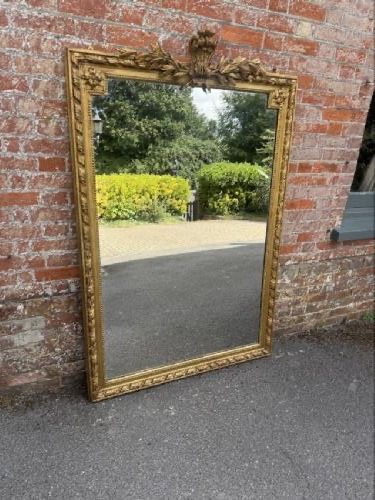
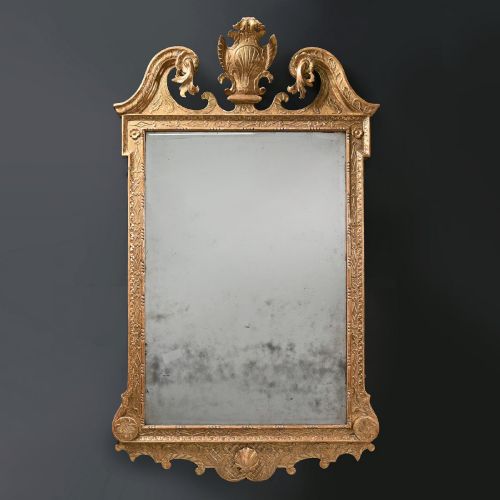
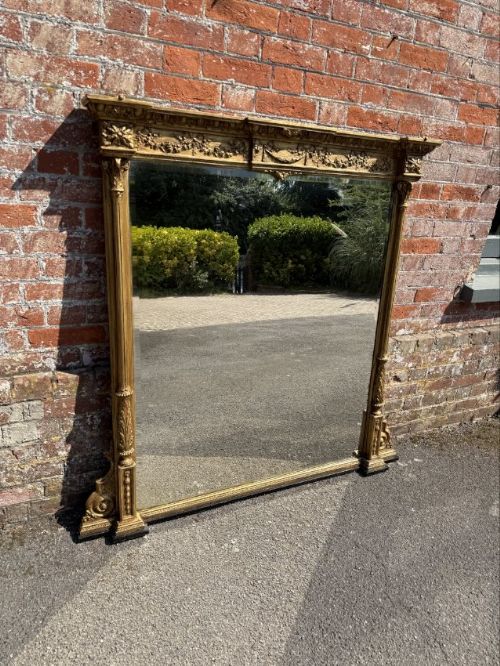
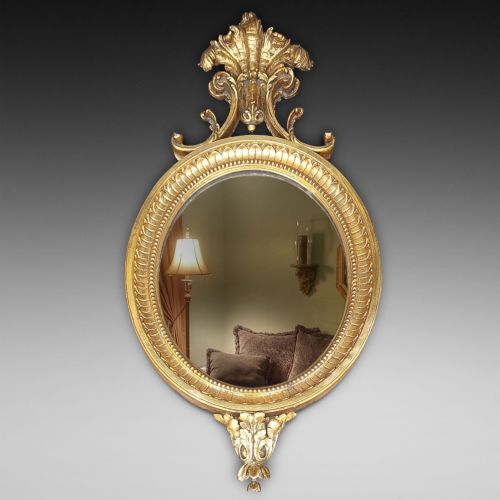
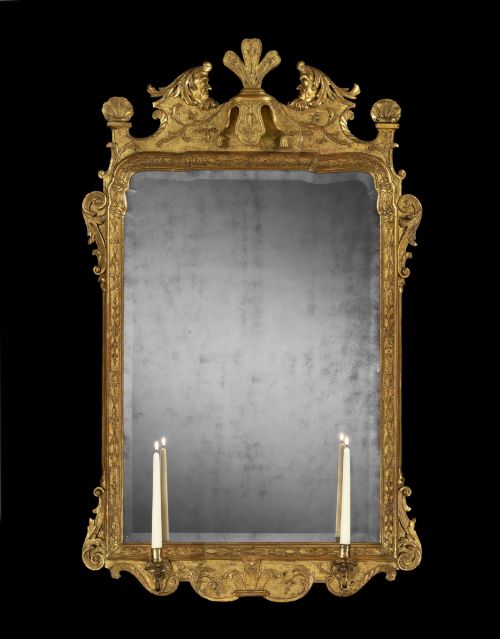
When exploring a carved gilt gesso mirror, collectors encounter grand nineteenth-century overmantel mirrors alongside eighteenth-century George II and Georgian pier glasses. These pieces feature heavily ornamented wooden frames built to anchor a room, often hung above fireplaces or placed upon dressing tables.
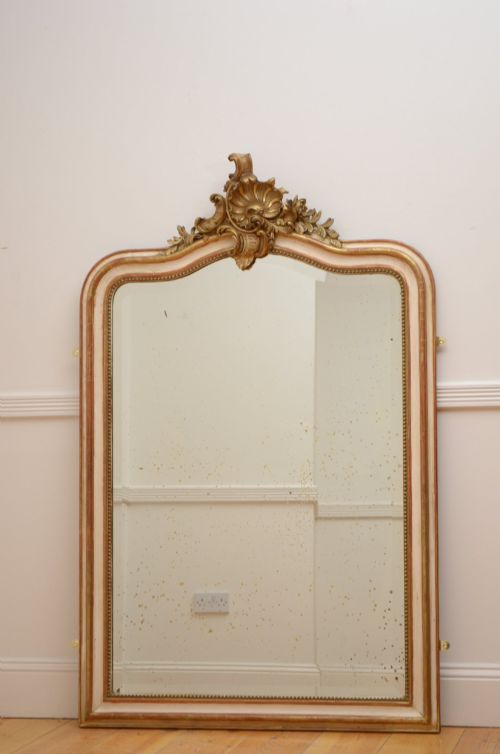
The selection ranges from arched top English overmantel designs to French rococo wall mirrors and smaller toilet or table mirrors. Most examples present elaborate moulded details shaped into rope twists, columns, or floral motifs finished in gold leaf.
Originating across English and continental workshops, these mirrors display regional variations in framing styles from the Regency period through to Victorian revivals. Buyers frequently find substantial wall-hanging formats designed to bounce light across period interiors.
How They Were Made
Makers constructed the foundational structure using carved wood, applying layers of gesso to build up the intricate relief details before gilding. This mixture of chalk and binder provided a smooth bed capable of holding sharp, crisp ornamentation.
Gold leaf was then meticulously laid over the prepared gesso surface to achieve a brilliant metallic sheen that catches natural light. Artisans combined this gilding technique with painted elements and traditional mirror glass to complete the piece.
Some nineteenth-century makers snuck extra rope twists into the frames simply to show off their gesso moulding speed.
What Varies in Quality
The depth and crispness of the carved wooden framing beneath the gesso dictate much of the visual fidelity. Superior examples exhibit sharply defined ornamentation where the moulded elements retain their original definition.
The integrity of the gilding and the preservation of the underlying gesso layers separate standard decorative items from finer historical survivals. Original mirror glass and intact structural joins further distinguish the caliber of individual pieces.
John Belchier
The Carved Gilt Gesso Mirror Glossary
- Gesso
- A plaster-like mixture applied to a wooden substrate to create a smooth surface for carving and gilding. It allows artisans to shape intricate relief ornamentation.
- Giltwood
- Timber that has been coated with gold leaf or a gold-coloured metallic finish. This material defines the bright, reflective frames typical of these mirrors.
- Overmantel Mirror
- A large mirror specifically proportioned to hang on the wall above a fireplace mantelpiece. They often feature arched or shaped tops suited to period architecture.
- Pier Mirror
- A tall, narrow mirror designed to be hung on the wall space between windows. These pieces traditionally sat above low console tables.
- Girandole
- A decorative wall mirror featuring attached candle sconces that project outward from the frame. The polished metal and glass help amplify the candlelight.
Carved Gilt Gesso Mirror: Frequently Asked Questions
Where should I hang an overmantel mirror?
These large mirrors traditionally sit directly above a fireplace mantelpiece to anchor the room's focal point. Their generous proportions help draw the eye upward and reflect light throughout the space.
Ensure the wall fixings are secured safely into studs or masonry due to the considerable weight of the carved wood and glass. Pairing them with low furniture creates a balanced interior arrangement.
How do I clean a gilt gesso surface?
Dust the ornate frame gently with a soft, dry brush to prevent accumulating dirt within the delicate relief work. Avoid using liquid cleaners or abrasive cloths that can damage the fragile gold leaf.
For the glass itself, apply a mild glass cleaner to a cloth rather than spraying directly onto the mirror. This stops moisture from seeping behind the glass edges and harming the backing.
What is the difference between an 18th century and Victorian mirror?
Eighteenth-century examples often display restrained proportions and hand-carved details associated with the George II or Georgian periods. They rely on traditional joinery and distinct regional carving techniques.
Victorian pieces frequently embrace heavier revival styles like Rococo or French Chateau designs with abundant moulded decoration. These nineteenth-century interpretations prioritized dramatic scale and ornate framing.
Are these mirrors suitable for modern interiors?
The reflective qualities and classical forms of these pieces allow them to complement contemporary minimalist or eclectic rooms alike. They introduce texture, history, and a sense of architectural depth to plain walls.
Positioning a large wall mirror opposite a window maximises daylight penetration in smaller living areas. The distressed gilt finish adds organic warmth to modern colour schemes.