





Classical Figure Bronze Sculptures
These classical figure bronze sculptures capture ancient deities, heroes and mythological subjects through enduring metalwork.
Classical Figure Bronze Sculptures
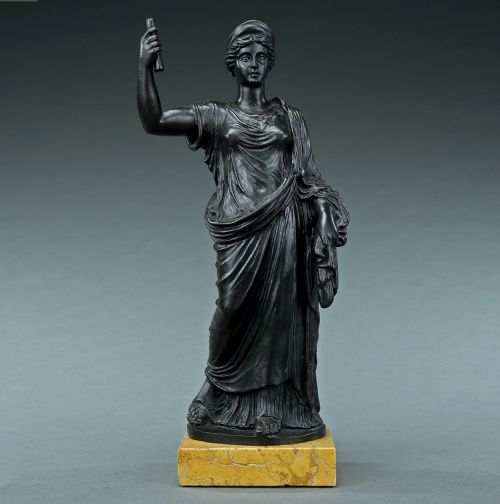
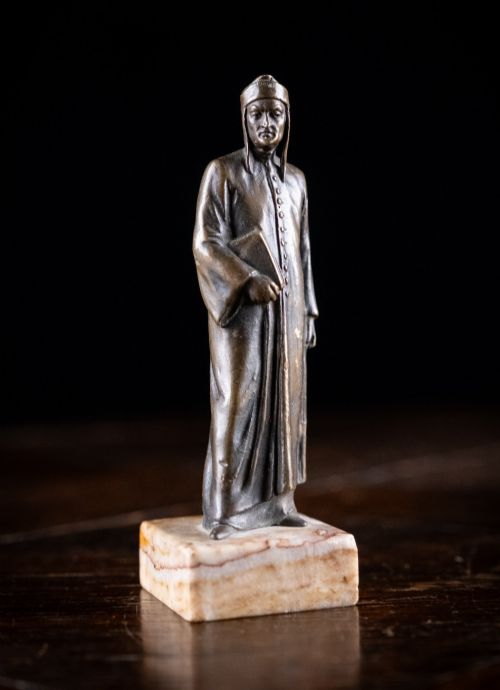
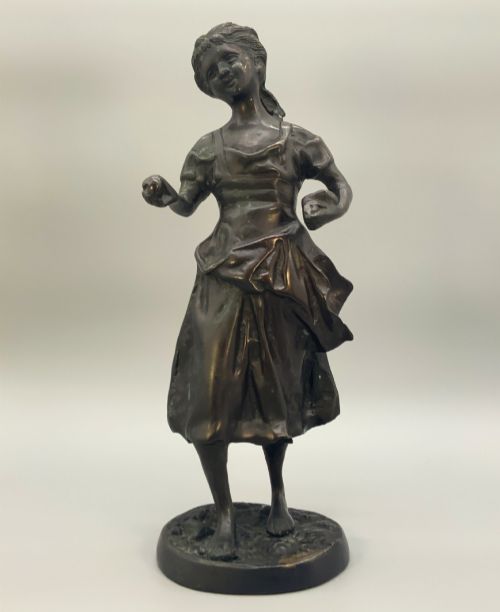
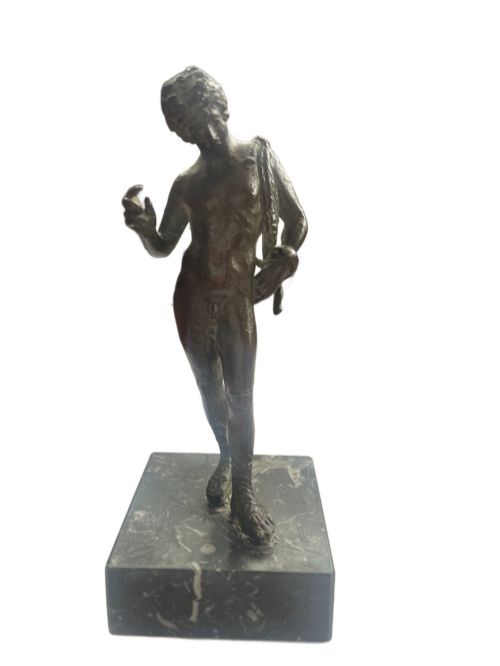
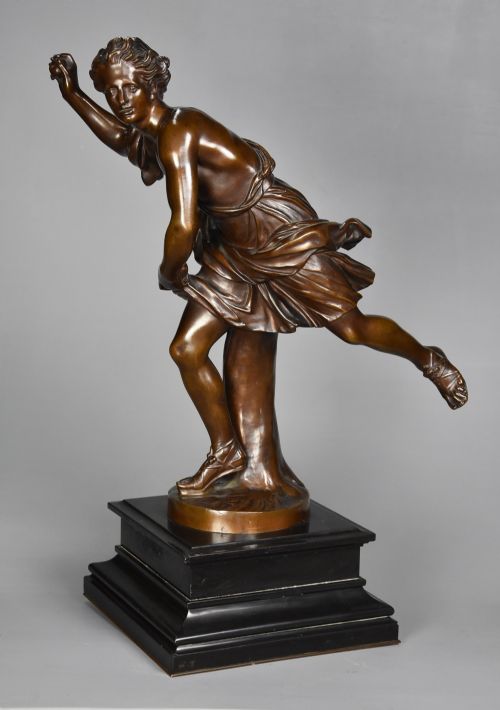
Classical figure bronze sculptures represent mythological deities, historical figures, and ancient statuary recreated through metal casting. When searching for classical figure bronze sculptures, buyers encounter works ranging from small Neapolitan souvenirs to large French salon pieces. The selections on this page span the nineteenth century, including Victorian examples and Grand Tour mementoes originating from Italy and France.
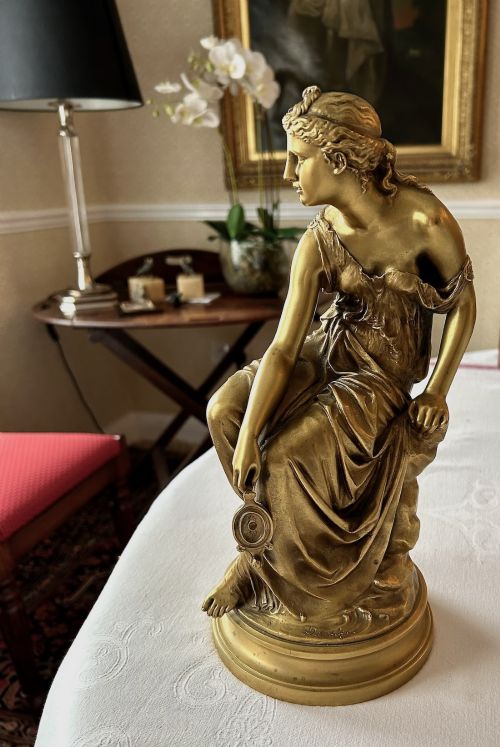
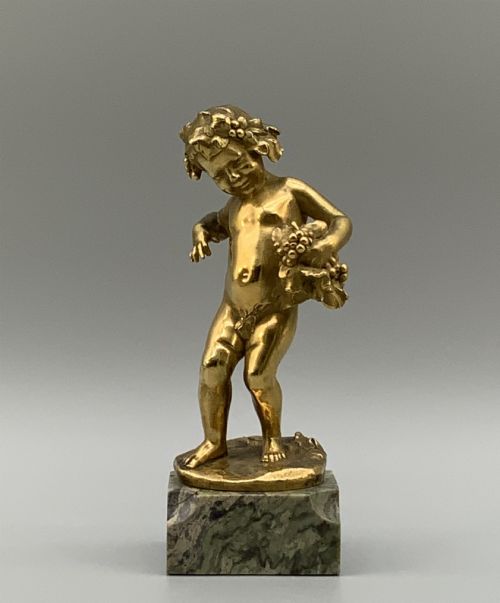
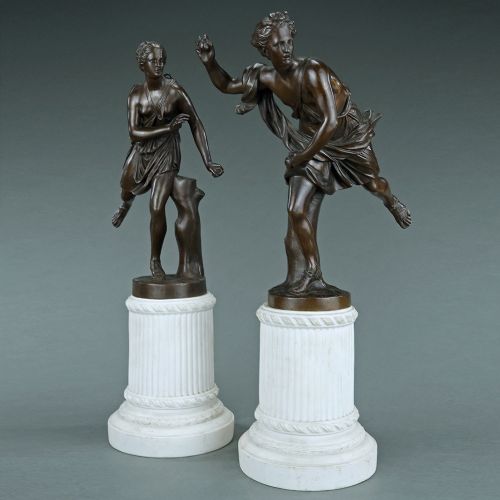
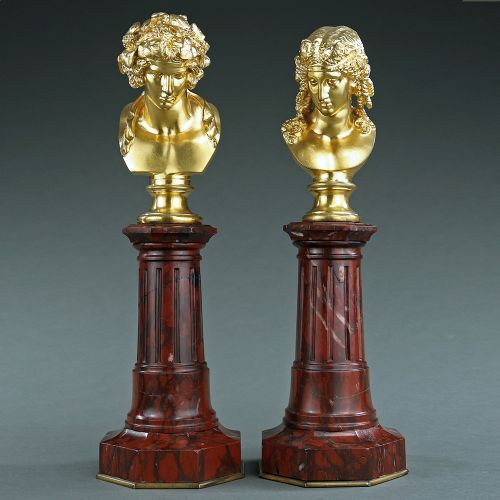
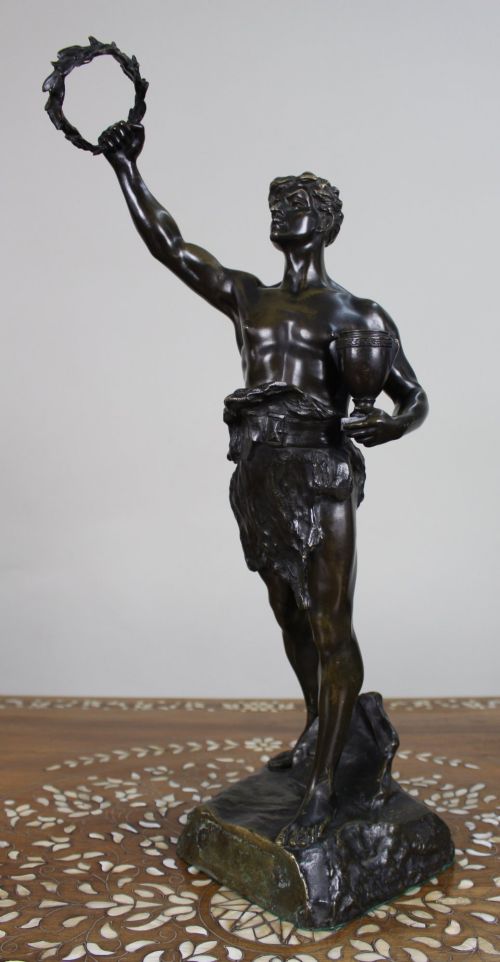
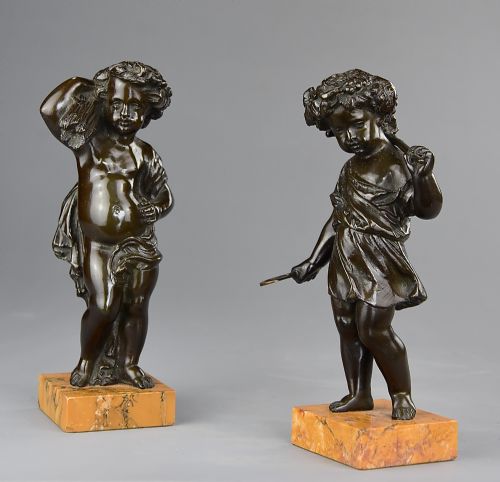
The subjects draw heavily on classical antiquity, depicting figures such as Venus, Narcissus, fauns, and putti alongside historical personages. Many pieces replicate famous ancient marbles found in European museums or excavations. These sculptural forms appear as standalone figures, mounted on marble bases, or incorporated into decorative objects like lamps.
Materials and Casting Techniques
The pieces on this page are principally executed in bronze, often enhanced with specific surface treatments. Foundries utilised patinated finishes in various tones, along with gilt bronze and cold painted details, to bring out the depth of the metal. Marble frequently serves as a foundational mount, appearing in forms such as fossil marble or red marble.
The object forms span standalone sculptures, statuettes, and functional items like table lamps incorporating classical figures.
Distinctions in Quality
Quality in these sculptures rests upon the crispness of the casting and the sensitivity of the subsequent chasing. Finer examples retain sharp details in facial expressions, musculature, and textiles, whereas weaker iterations lose definition in the secondary finishing stages. The weight and stability of the bronze casting itself also distinguish superior foundry work from standard commercial output.
The quality of the patination and the integration with the base material contribute significantly to the overall merit of a piece. Well-executed patination mimics ancient surfaces or provides a rich, even tone without masking the underlying metalwork. Furthermore, signature marks from established founders or sculptors often correlate with a higher standard of craftsmanship.
Etienne-Henri Dumaige·Susse Frères·Ferdinand Barbedienne·Pierre le Faguays·Moreau Family·Hamo Thornycroft·Émile Louis Picault
The Classical Figure Bronze Sculptures Glossary
- Patination
- The chemical treatment or natural colouring applied to the surface of the bronze. This process alters the metal tone to simulate age or enhance visual depth.
- Grand Tour
- A traditional trip through Europe undertaken by upper-class scholars and travellers during the eighteenth and nineteenth centuries. Souvenirs collected included bronze reductions of famous classical sculptures.
- Cold Painted
- A method where paint is applied to an unheated bronze object, often using oil-based paints. This technique was frequently utilised on turn-of-the-century cabinet bronzes.
- Lost Wax Casting
- A metal casting process where a molten metal is poured into a mould that has been created by means of a wax model. The wax is subsequently melted and drained away.
Classical Figure Bronze Sculptures: Frequently Asked Questions
How do I identify nineteenth-century casts?
Nineteenth-century casts typically exhibit deep patination, careful hand-chasing after casting, and heavy bronze weight. Many carry foundry stamps, signatures, or marks associated with prominent European workshops.
The quality of the detailing in hair and drapery provides further clues to their period of manufacture. Earlier pieces often reflect a closer adherence to specific museum marbles popular during the classical revival.
Where should I display these sculptures?
These sculptures suit tabletops, mantelpieces, or dedicated display cabinets where their patination and detail can be appreciated up close. Placing them away from direct heat sources helps preserve the surface finish of both the metal and any associated marble bases.
Because many pieces are relatively heavy for their size, a stable, level surface is essential for safe exhibition. Pairing them with other classical or period items enhances their historical context within a room.
What does patination mean on bronze?
Patination is the surface colouration of bronze, achieved either naturally over time or through chemical treatments applied by the founder. It protects the metal while defining the contours and shadows of the sculptural form.
Different foundries used specific chemical recipes to produce tones ranging from deep black-brown to rich green or golden highlights. Preserving this original surface is key to maintaining the character of the sculpture.