

Classical Female Portrait Art
When you search for classical female portrait art, you encounter centuries of painted ladies, marble busts, and bronze sculptures capturing idealised femininity.
Classical Female Portrait Art
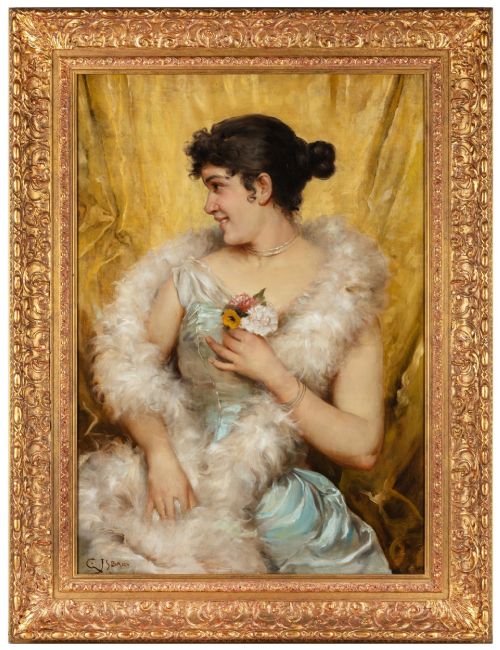
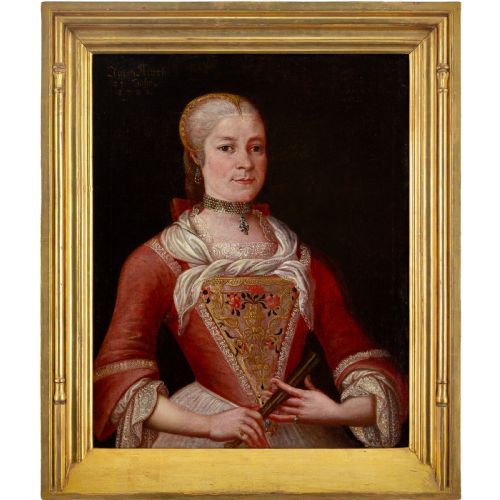
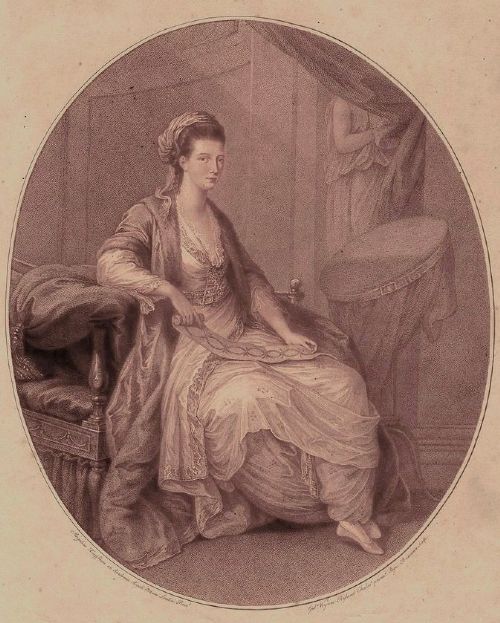
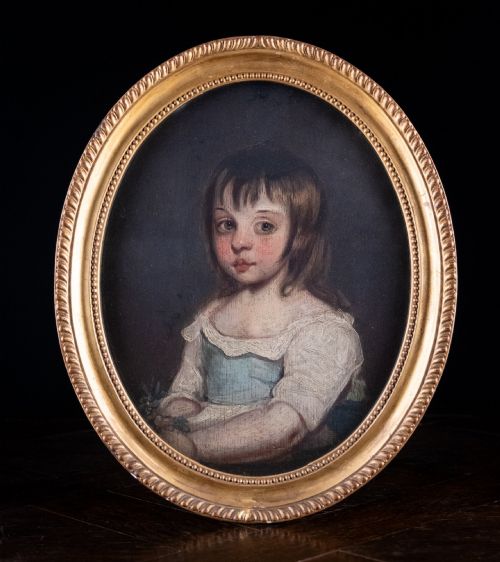
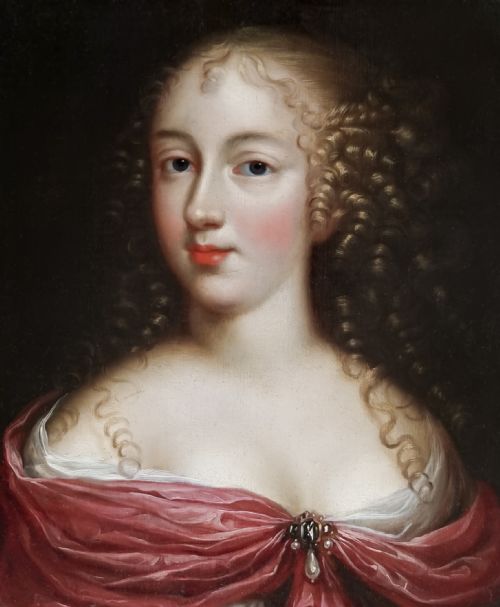
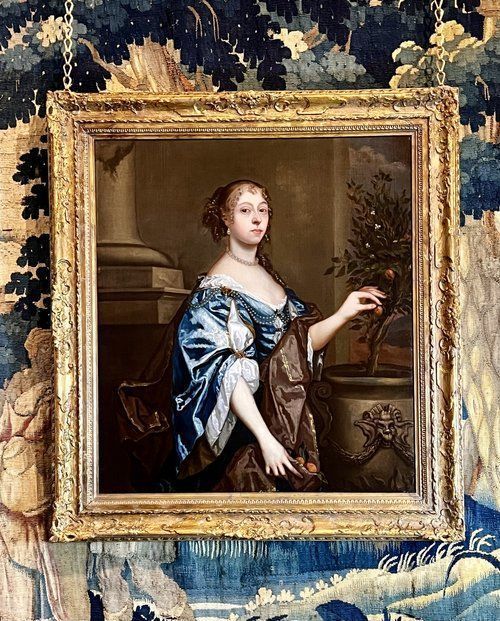
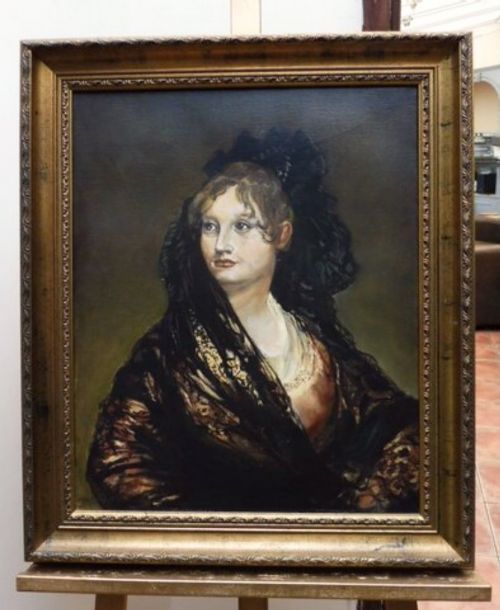
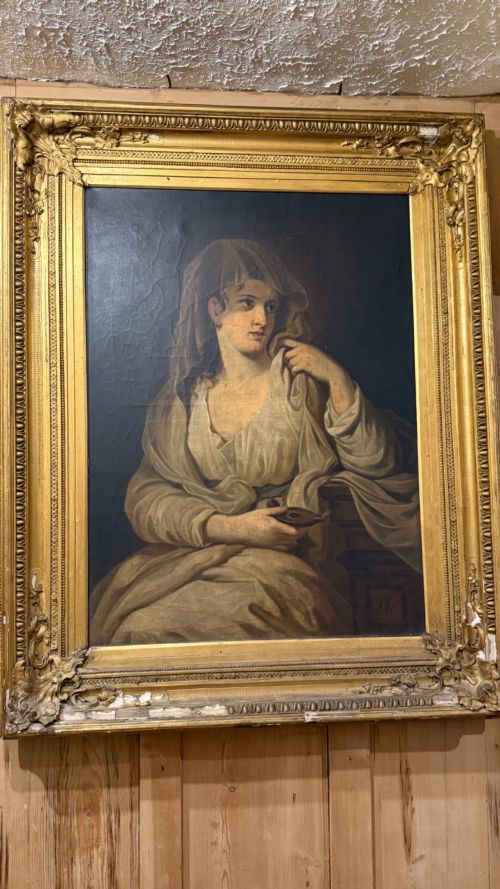
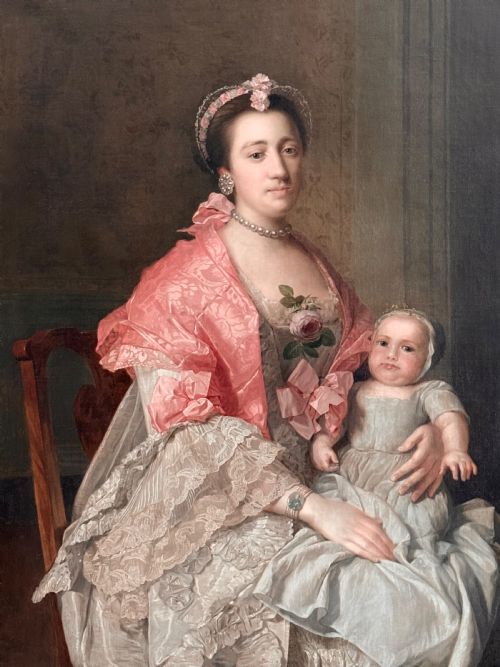
Classical female portrait art encompasses painted oils on canvas, delicate works on paper, and sculptural forms in marble, alabaster, and bronze depicting historical, mythological, and aristocratic women. These works span from the seventeenth century through the Victorian era and into the early twentieth century, reflecting shifting ideals of beauty and portraiture. The most frequent iteration on this page is the oil painting on canvas, often originating from British, French, or Bavarian traditions.
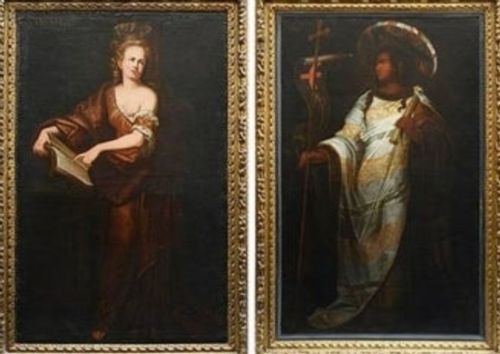
The subjects range from named nobility and literary heroines to anonymous country girls, sibyls, and allegorical figures such as goddesses of spring. Sculptural representations include Parian ware busts and cast metal figures rendered in Neoclassical or Art Nouveau styles. Buyers select these pieces to introduce historical depth, character, and traditional craftsmanship into domestic interiors.
How they were made
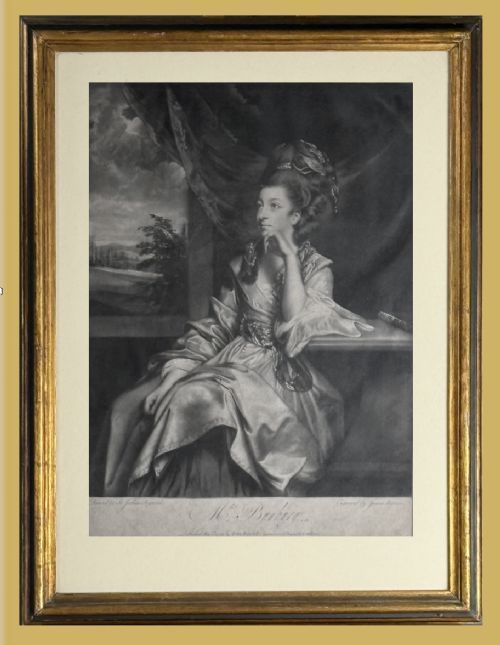
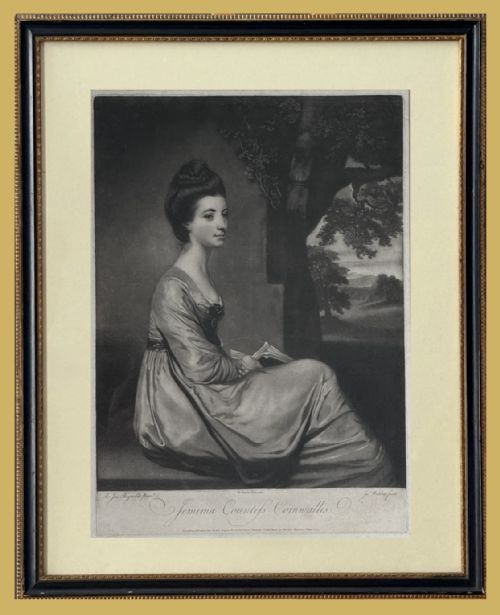
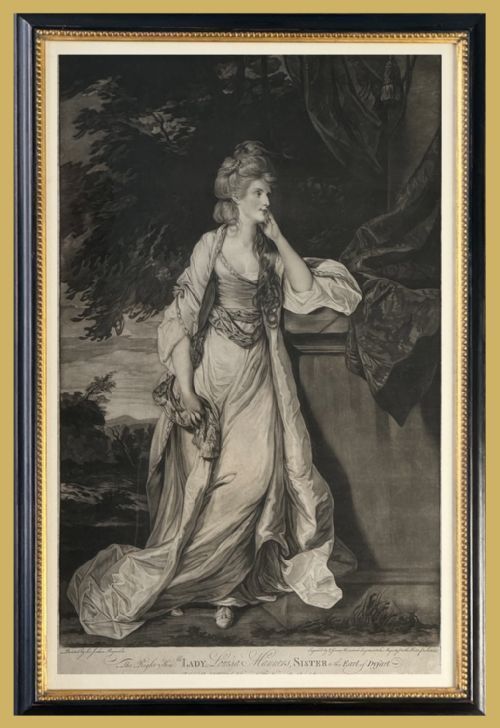
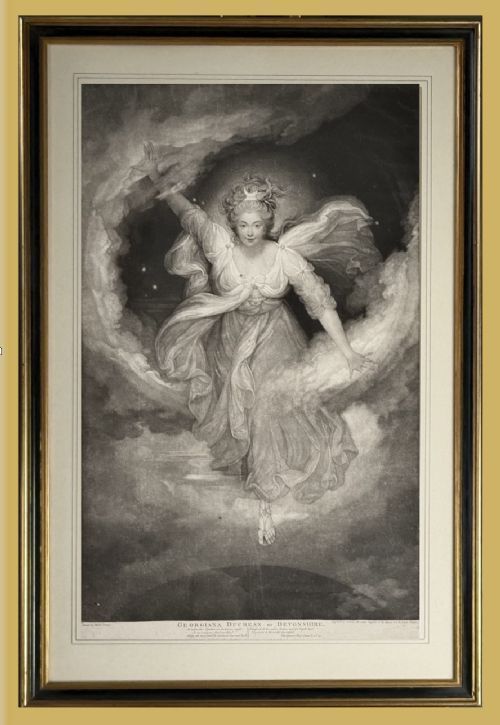
Painters relied principally on oil paint applied to woven canvas, wooden panels, or paper supports, occasionally utilising pastel or watercolour for softer illustrative effects. Mezzotint printmakers translated these painted compositions onto paper plates to produce detailed monochrome editions for broader circulation. Sculptors carved directly into natural media like marble and alabaster or cast molten bronze and Parian porcelain within detailed moulds.
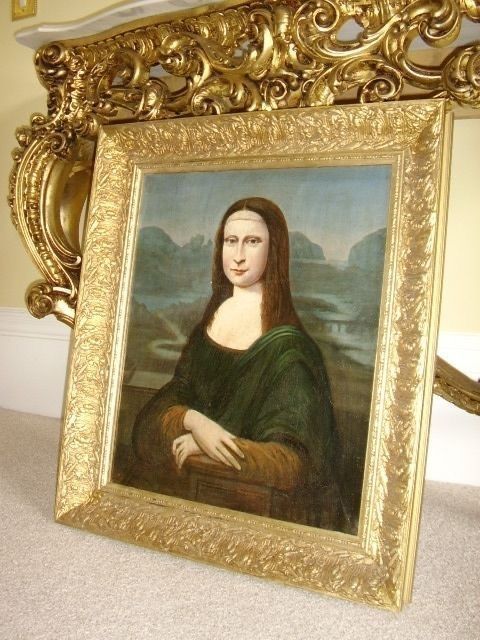
Framing played an integral role in presentation, with many works housed in period giltwood or carved timber frames that complemented the visual weight of the artwork. Textile pieces incorporated embroidered wool threads into tapestry formats to render figurative designs with tactile depth.
Listings span several centuries, combining seventeenth-century panel paintings with nineteenth-century bronzes, marbles, and embroidered tapestries.
What varies in quality
The standard of portraiture hinges upon the artist's ability to render facial expression, anatomical proportion, and the subtle play of light across skin and drapery. Masterworks demonstrate confident brushwork and lifelike depth, whereas lesser examples rely on formulaic repetition and stiff, unconvincing postures.
Material selection and execution dictate longevity and visual impact, distinguishing finely carved alabaster and crisp bronze patination from softer, indistinct mouldings. The provenance and historical attribution to established schools or named practitioners elevate the academic interest and documentary weight of the object.
G. J. S. Bary·Sir Joshua Reynolds·Pierre Mignard·Pieter Borsseler·Francisco José de Goya·Sir Allan Ramsay·Robert Byng·Maria Hadfield Cosway·Francis Cotes·John Opie·Jean-Baptiste Greuze·Jean-Baptiste van Loo·François-André Vincent·E. Villanis·André Charles Voillemot·Georges-Charles Coudray·Allan Douglas Davidson·Thomas Edward Roberts·Nicolas Fouché·Albin R Burt·Jean-Marc Nattier
The Classical Female Portrait Art Glossary
- Mezzotint
- A printmaking process where the copper plate is roughened to achieve rich tonal gradations and dark backgrounds. This technique allowed printmakers to replicate the nuanced tones of oil paintings with high fidelity.
- Parian ware
- A type of fine biscuit porcelain developed in the nineteenth century to imitate carved marble. It gained popularity for portrait busts due to its smooth, ivory-like finish.
- Sibyl
- A prophetic female figure from ancient mythology often depicted in classical art holding symbolic attributes. These figures allowed artists to explore dramatic narrative themes within portrait compositions.
- Bandeau
- A narrow headband or ribbon worn in the hair, frequently seen in eighteenth and nineteenth-century portraits to secure classical hairstyles. It signals an adherence to ancient Greek or Roman aesthetic revivals.
- Patina
- The surface sheen and colour acquired by bronze, wood, or paint over decades of exposure to light and handling. Collectors value a stable, undisturbed patina as evidence of genuine age.
Classical Female Portrait Art: Frequently Asked Questions
What defines a classical female portrait?
These artworks depict women drawing upon Greek and Roman aesthetic traditions, mythological themes, or formal historical portraiture conventions.
Subjects often wear classical attire or hairstyles like the bandeau, placing emphasis on idealized beauty, virtue, or allegorical identity rather than casual realism.
How do I care for antique oil paintings?
Protect canvas and panel works from direct sunlight, extreme temperature shifts, and high humidity to prevent cracking or warping of the paint layer.
Dust surfaces gently with a soft, dry brush and avoid applying chemical cleaners or water directly to the painted surface.
What is a mezzotint portrait?
A mezzotint is an intaglio print created by roughening a metal plate to produce deep dark tones and subtle gradations of light.
This painstaking printmaking method translated famous painted portraits into accessible works on paper during the eighteenth and nineteenth centuries.
How are marble and alabaster busts displayed?
Stone and mineral busts require sturdy, stable surfaces such as heavy wooden pedestals or low tables that can support their considerable weight.
Positioning them away from high-traffic areas prevents accidental knocks while allowing light to model the carved contours of the face and drapery.