





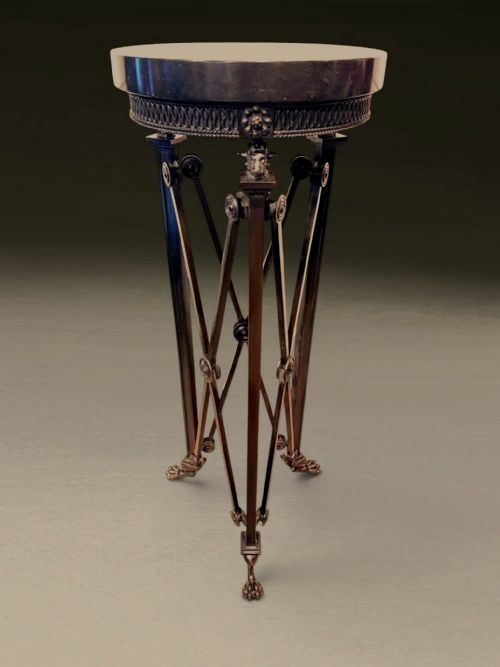

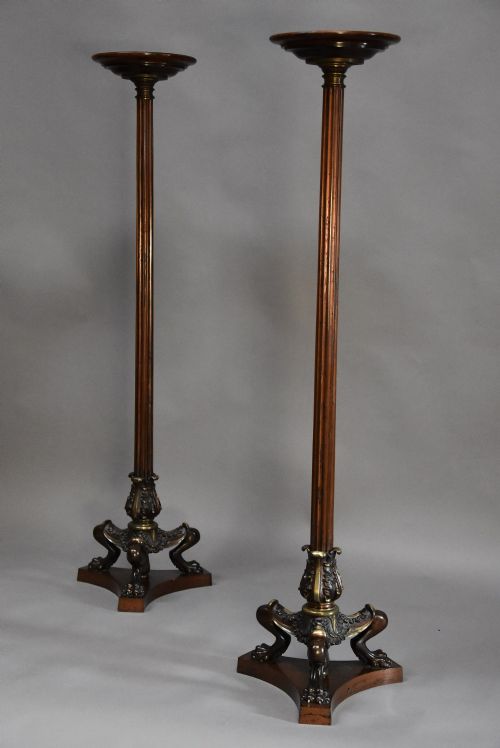
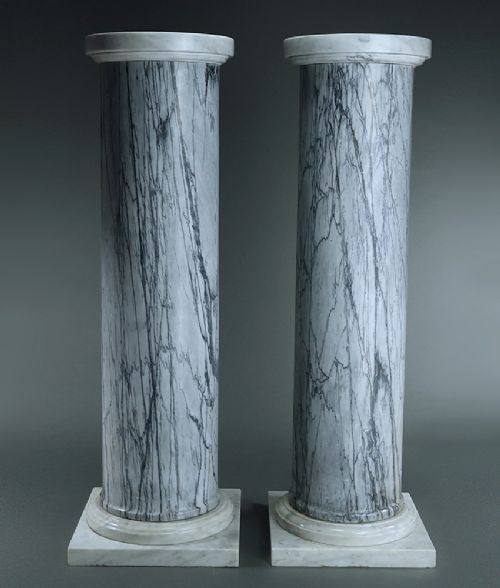
Classical Column Plant Pedestal
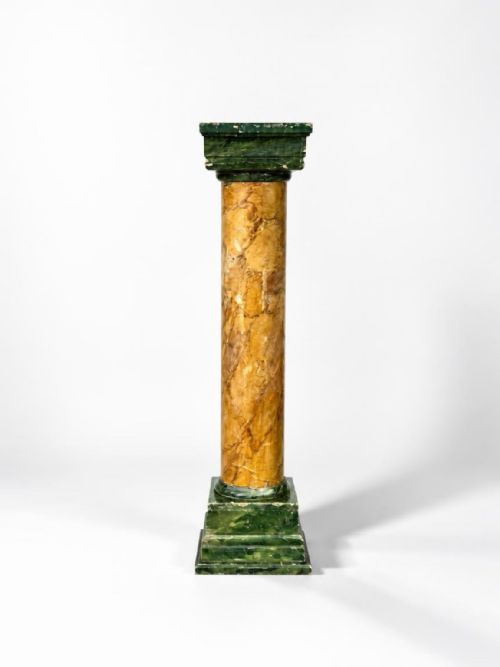
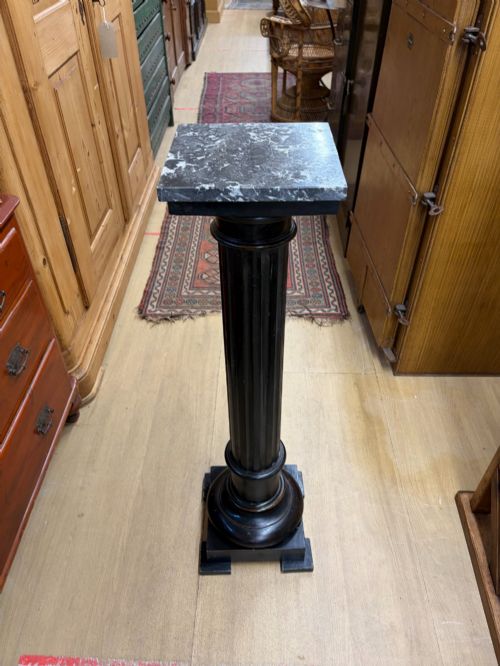
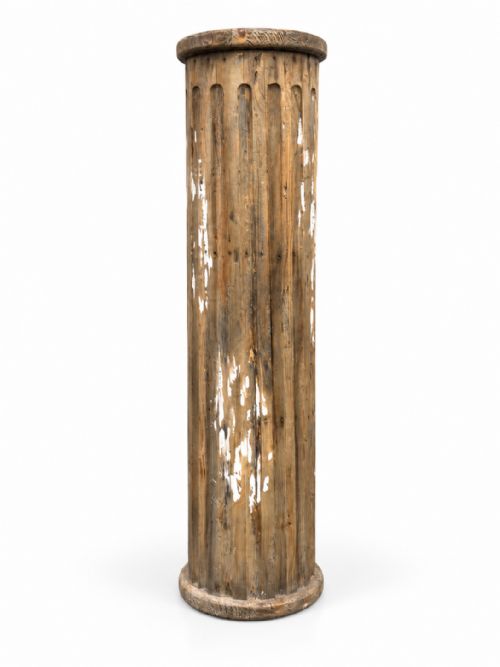
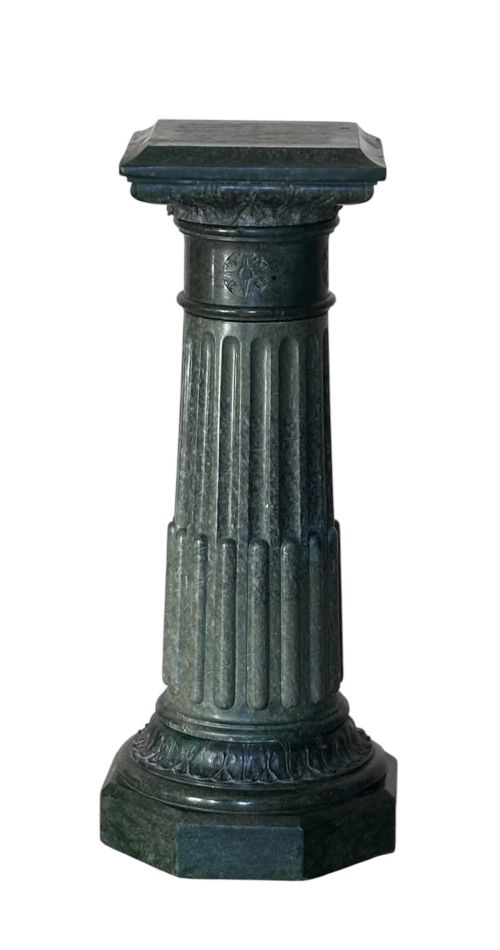
A classical column plant pedestal raises an urn or sculpture to eye level, bringing architectural order to a room.
Classical Column Plant Pedestal
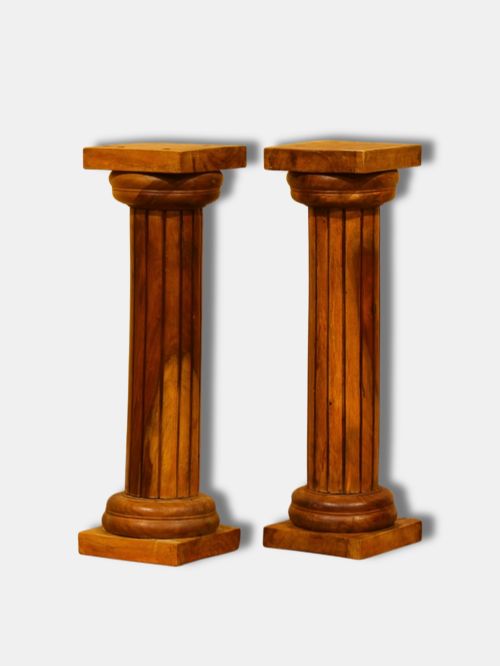
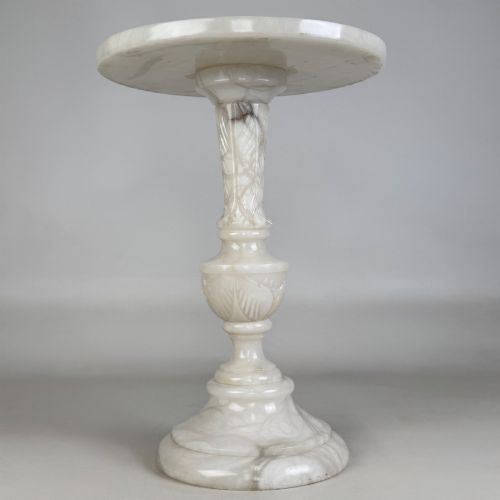
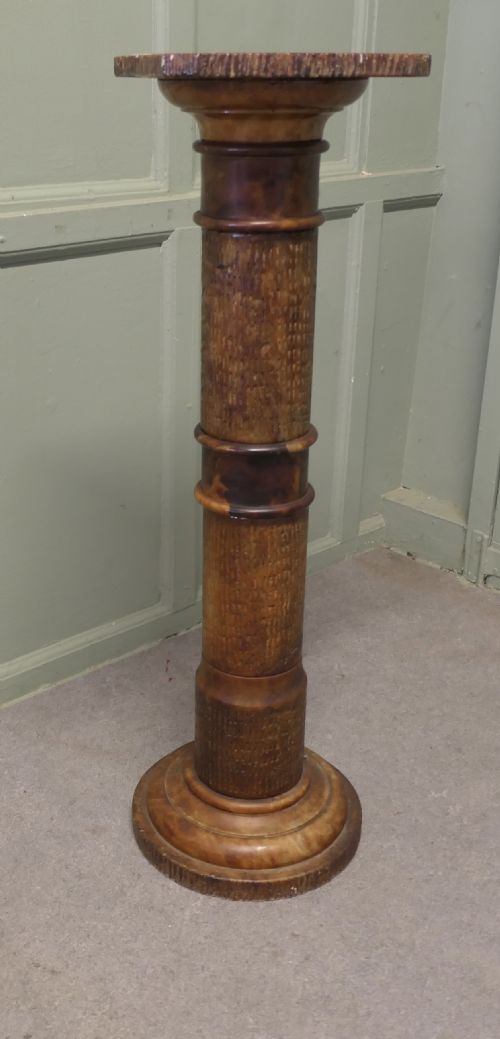
A classical column plant pedestal serves as an elevated display stand, drawing directly from ancient architectural orders. When searching for a classical column plant pedestal, buyers encounter pieces designed to hold sculpture, urns, or botanical specimens. Most examples on this page date from the nineteenth century through the early twentieth century.
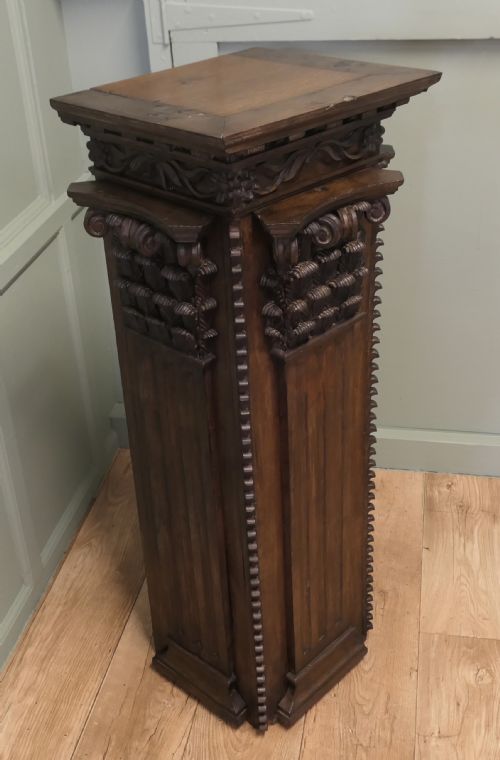
Forms range from strict architectural columns to slender torcheres and square plinths. Styles span Neoclassical, Regency, and Victorian revivals, reflecting centuries of renewed interest in antiquity. These stands function primarily as interior furnishings that impose symmetry and verticality upon domestic spaces.
Materials and construction
Makers constructed these columns using heavy natural stones alongside timber frames. Marble varieties such as Carrara, Bardiglio, Verde Antico, and onyx appear frequently, often paired with scagliola or faux marble paint effects. Wood workers utilised mahogany, satinwood, oak, birch, and painted hardwoods to build structural cores.
Bronze, gilt-metal mounts, and brass elements provide structural reinforcement and decorative contrast. Carved plaster and gesso surfaces receive paint finishes to simulate costly stones. Joinery techniques securely unite heavy stone tops with wooden or plaster shafts.
Classical Column Plant Pedestal Retail Price Guide 2026
Typical asking prices for classical column plant pedestal among the pieces listed under this phrase on Sellingantiques today, from the lower quarter to the upper quarter. They describe what is for sale here now, not the wider market.
Grand Tour travellers brought home miniature architectural memories, inspiring generations of cabinetmakers to turn ordinary tree trunks into imitation marble.
Standards of craftsmanship
Quality rests upon the selection of materials and the precision of the carving. Solid marble and rich hardwoods indicate superior ambition compared to painted plaster substitutes. Faux finishes range from crude brushwork to convincing trompe l'oeil marble graining.
Proportion and architectural correctness distinguish finer pieces. Crisp fluting, detailed Corinthian capitals, and solid bronze mounts separate standard production items from exceptional workshop examples.
The Classical Column Plant Pedestal Glossary
- Torchere
- A tall stand designed to hold a light source or plant. These slender supports often feature circular tops and elevated shafts.
- Scagliola
- A composite material made from selenite, glue, and pigments, mimicking natural marble. Artisans apply and polish this mixture to create smooth faux stone columns.
- Neoclassical
- A style reviving classical Greek and Roman architectural motifs. Pieces display symmetry, strict proportions, and restrained ornamentation.
- Fluting
- Vertical parallel grooves cut into the shaft of a column. This decorative technique adds visual rhythm and vertical emphasis.
Classical Column Plant Pedestal: Frequently Asked Questions
What holds a classical column plant pedestal steady?
Heavy stone bases or weighted wooden plinths provide the necessary gravity to keep tall columns upright. Their wide footprints distribute weight safely across floorboards.
Positioning them on level ground ensures stability for heavy items like marble urns or large potted plants.
How do I clean a marble plant pedestal?
Dust marble surfaces regularly with a soft, dry cloth to prevent grit accumulation. Avoid acidic cleaners, vinegar, or harsh chemicals that etch natural stone.
Use a damp cloth with mild soap for occasional wiping, followed immediately by thorough drying.
Can these pedestals support heavy stone urns?
Solid marble and hardwood columns possess substantial load-bearing capacity built for heavy statuary. Plaster and lighter softwood versions suit delicate plants and lighter decorative objects better.
Checking the construction material helps determine the safe weight limit for each individual stand.
How do I date a wooden column pedestal?
Timber selection and surface preparation offer clear clues regarding the date of manufacture. Mahogany and satinwood often point toward nineteenth-century cabinetmaking practices, while painted birch surfaces suggest later revival periods.
Tool marks and joint construction hidden beneath the base reveal period manufacturing techniques.