



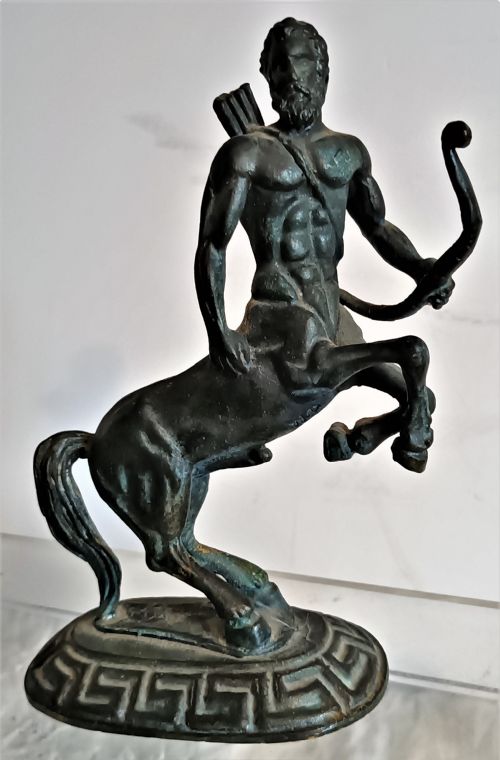
Classical Bronzed Statuette
A classical bronzed statuette brings antique mythological and historical figures into a room through enduring metalwork.
Classical Bronzed Statuette
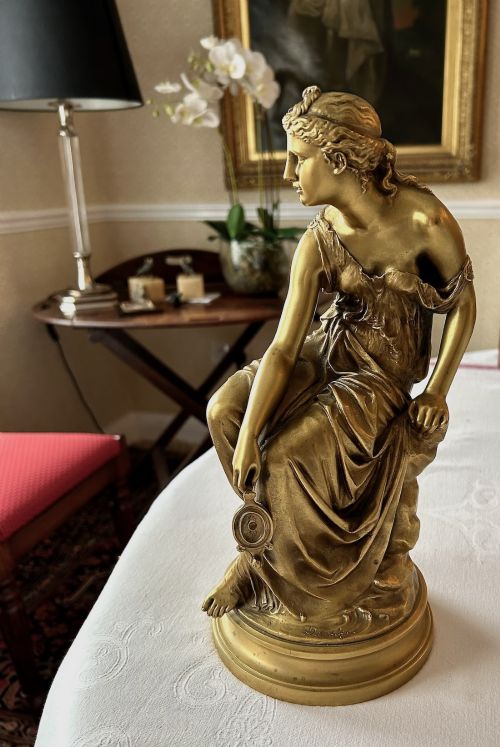
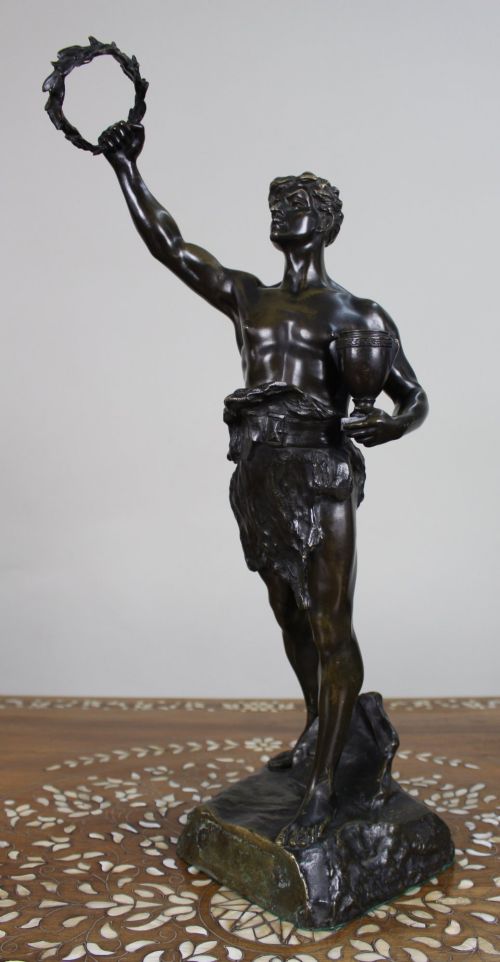
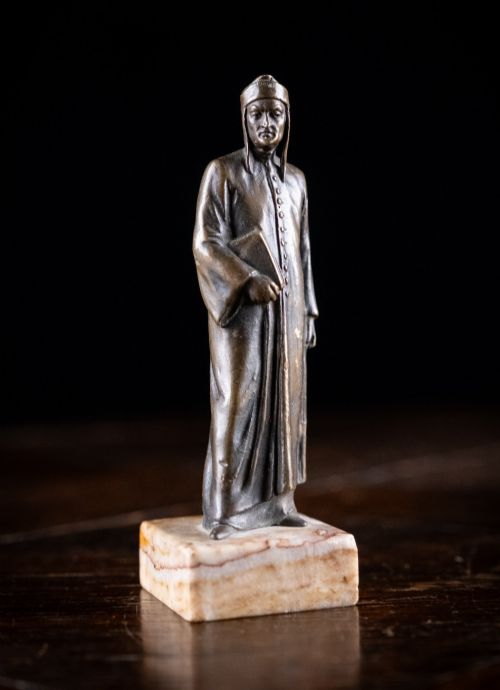
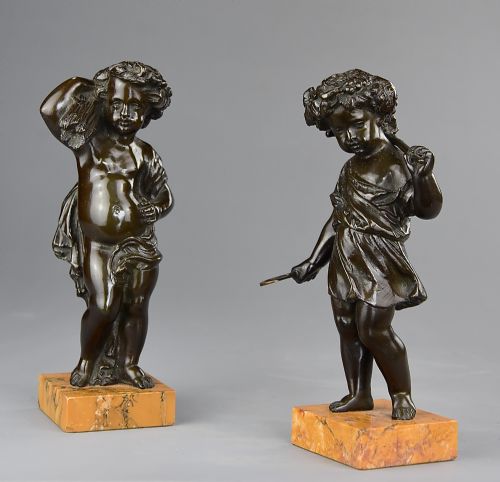
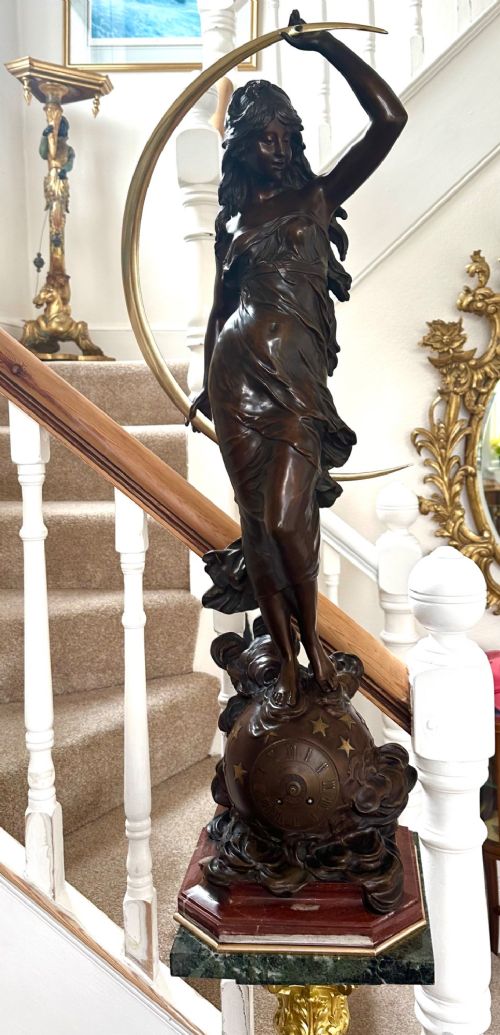
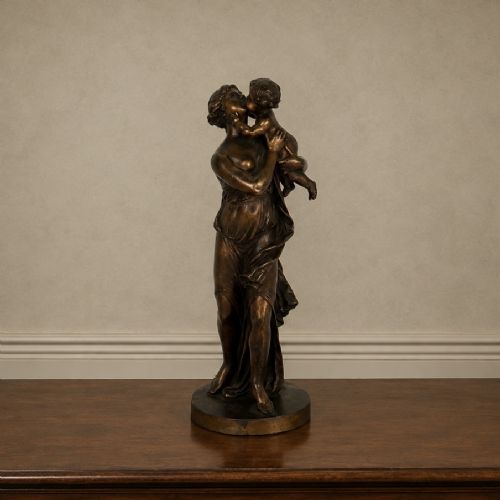
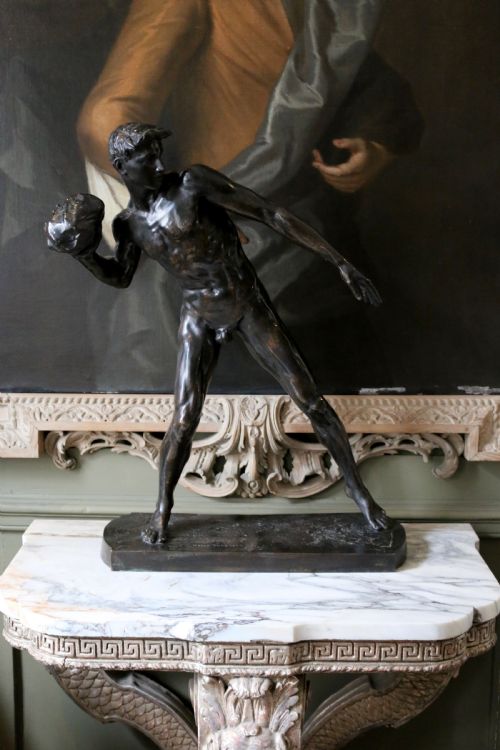
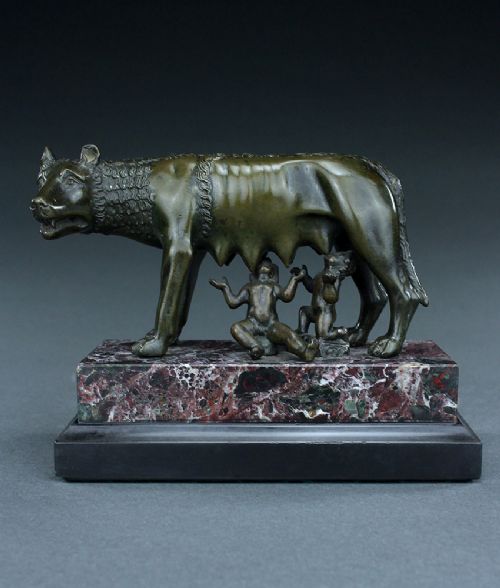
A classical bronzed statuette represents figures from mythology, history and literature, translated into portable metal sculpture. When you search for a classical bronzed statuette, you encounter subjects ranging from Roman deities and literary heroes to allegorical putti and dancers. The selection draws heavily on nineteenth-century French and Italian foundry traditions, alongside earlier Grand Tour souvenirs.
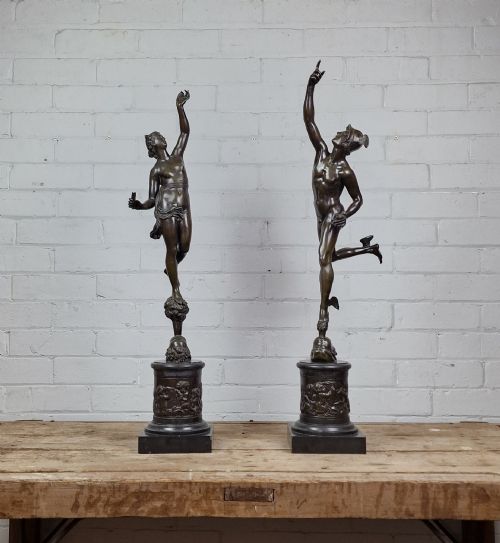
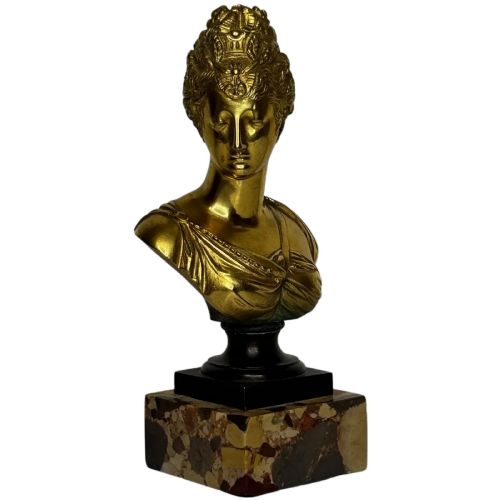
Most examples you meet on this page date from the nineteenth century, including Victorian interpretations and Grand Tour souvenirs from Italy. These pieces take the form of standing figures, busts, or paired groupings mounted on bases of marble, slate, or fossil marble. The physical scale allows these sculptures to sit comfortably on mantelpieces, desks, and side tables.
Judging the work
The integration between the bronze figure and its stone base further separates standard productions from finer pieces. Heavier, well-fitted marble or slate plinths that complement the proportion of the subject indicate careful workshop assembly. The fidelity of the reduction from the original large-scale sculpture dictates the overall visual balance.
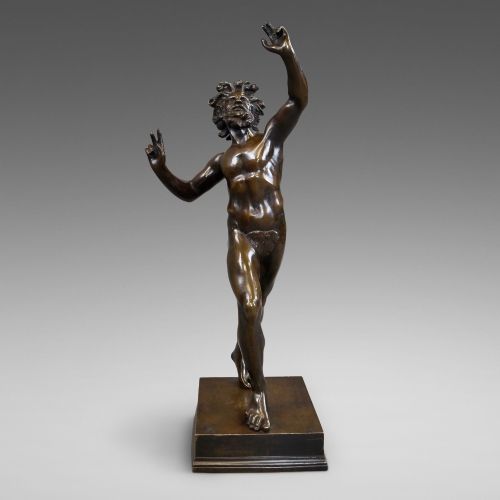
Several figures depict mythological subjects caught mid-movement, including dancing fauns, charioteers, and elusive woodland nymphs.
Etienne-Henri Dumaige·Moreau Family·Hamo Thornycroft·Julien Lorieux·Mathurin Moreau
The Classical Bronzed Statuette Glossary
- Grand Tour
- A traditional educational journey through Europe undertaken by young upper-class men, who collected small bronzes and antiquities as souvenirs. These pieces were often sourced in Rome, Naples, or Florence during the eighteenth and nineteenth centuries.
- Patination
- The chemical or natural coloration applied to the surface of the bronze. This process creates distinct tones ranging from deep chocolate brown to antique green.
- Ormolu
- Gilded bronze produced by applying a mixture of gold and mercury to a base metal, then heating to drive off the mercury. This technique yields a brilliant golden finish seen on French decorative pieces.
- Putto
- A representation of a plump, winged human infant, frequently appearing in classical and Renaissance art. In sculptural groups, these figures often personify allegorical themes such as the harvest or the arts.
- Lost wax casting
- A metal-casting method where a model is coated in wax, encased in a mould, and melted out to create a cavity for molten bronze. This technique allows for intricate undercuts and fine surface detail.
Classical Bronzed Statuette: Frequently Asked Questions
What is a Grand Tour bronze?
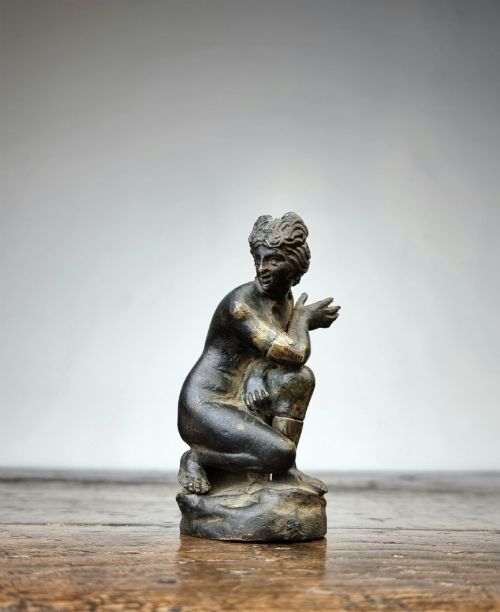
A Grand Tour bronze is a small-scale nineteenth-century souvenir copy of a famous classical sculpture, purchased by travellers visiting European cultural sites.
These pieces allowed collectors to bring miniature representations of museum antiquities into their private homes.
How do I care for antique bronze?
Antique bronze requires minimal intervention, needing only gentle dusting with a soft, dry cloth to prevent the accumulation of grit.
Avoid using metal polishes, oils, or water, as moisture and abrasive cleaners can strip away the historic patina.
Are these figures solid bronze?
Many nineteenth-century statuettes are cast using the hollow bronze method to reduce weight and metal usage while maintaining structural integrity.
Heavier figures or smaller elements may be solid cast, but hollow construction was standard foundry practice for larger pieces.
How can I tell the period of a statuette?
Dating relies upon examining the casting technique, the style of the base materials such as marble or slate, and any foundry marks.
Stylistic cues, including the treatment of clothing and hair, align these works with nineteenth-century French and Italian manufacturing periods.