
Classical Bronze Vases
Classical bronze vases bring the sculptural dignity of antiquity into domestic interiors through time-honoured forms modelled on excavated relics.
Classical Bronze Vases
Classical bronze vases encompass decorative urns, tazzas, ewers, and cassolettes shaped by nineteenth-century interpretations of ancient Greek and Roman antiquities. These pieces emerge predominantly from Victorian, Regency, and Grand Tour contexts where European travellers collected souvenirs of classical heritage.
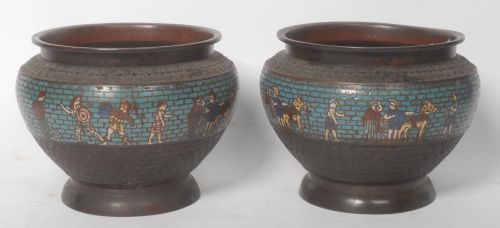
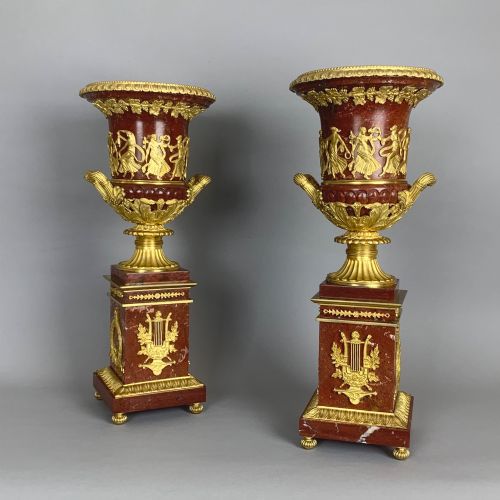
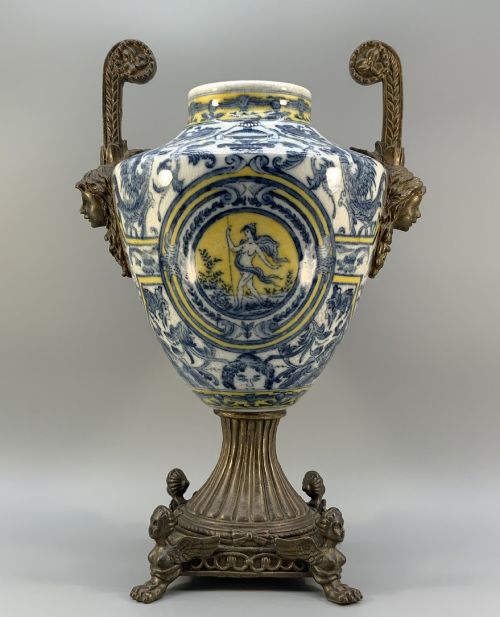
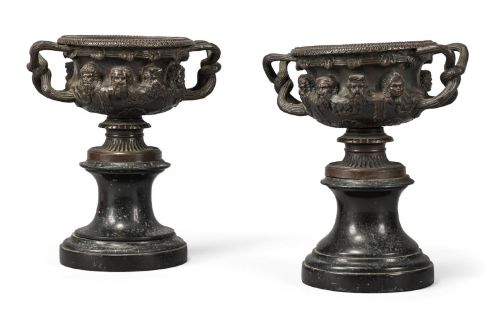
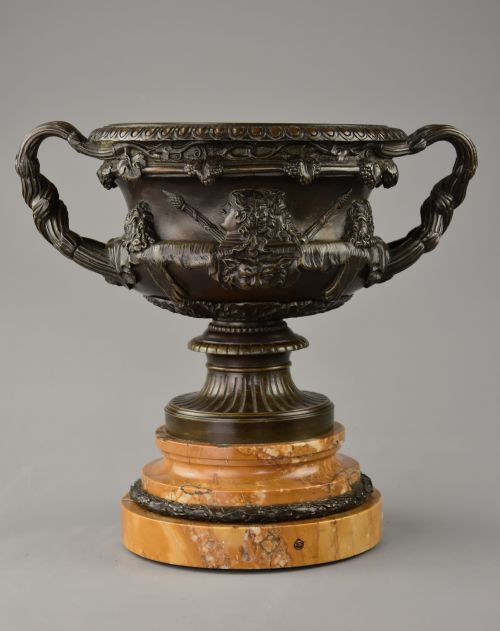
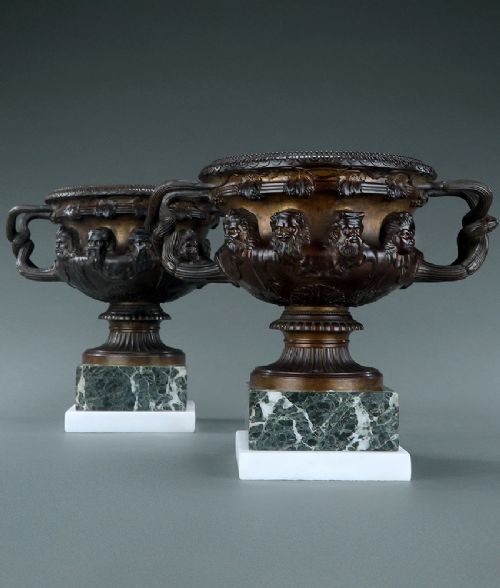
The campana shape, modelled on ancient mixing vessels, dominates the forms available alongside reduction casts of famous monuments like the Warwick and Borghese vases. These works frequently combine patinated or gilt bronze with contrasting media such as marble, onyx, and porcelain.
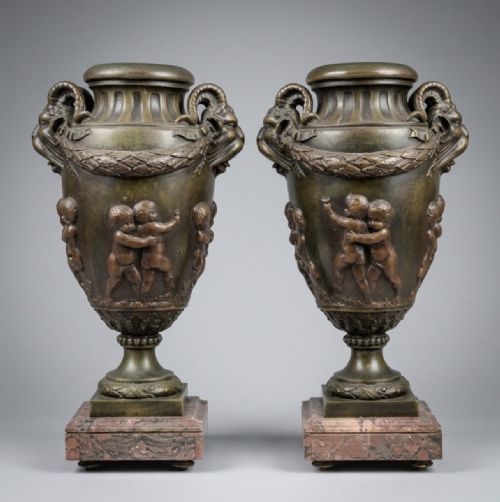
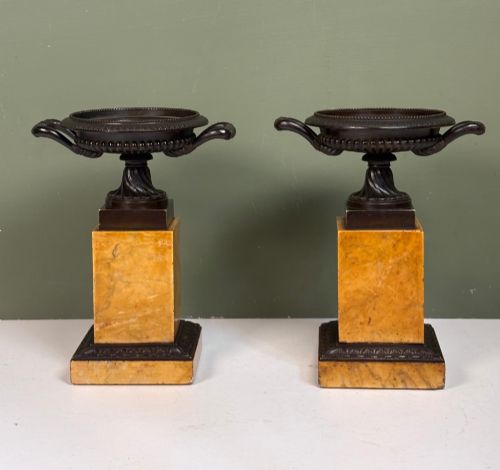
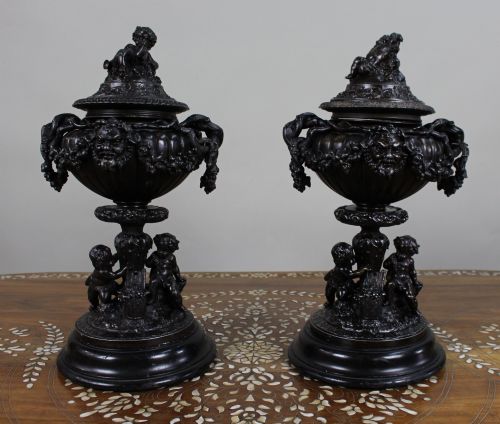
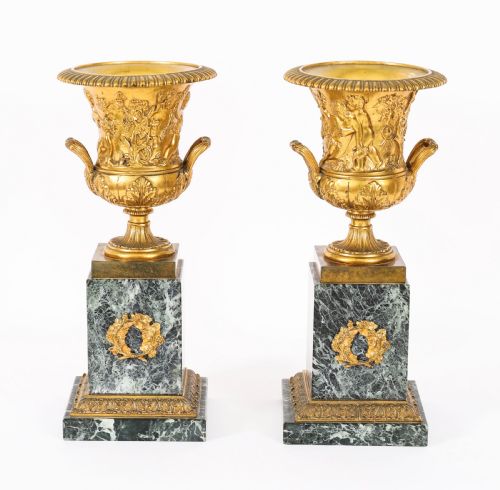
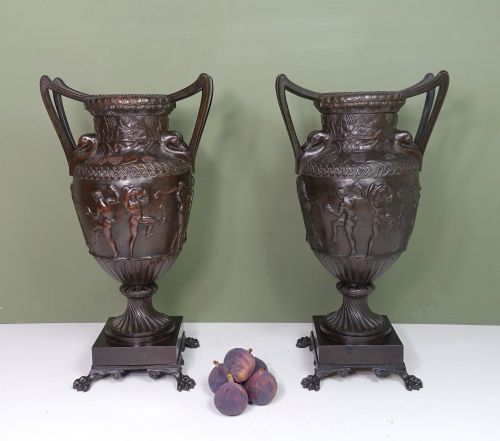
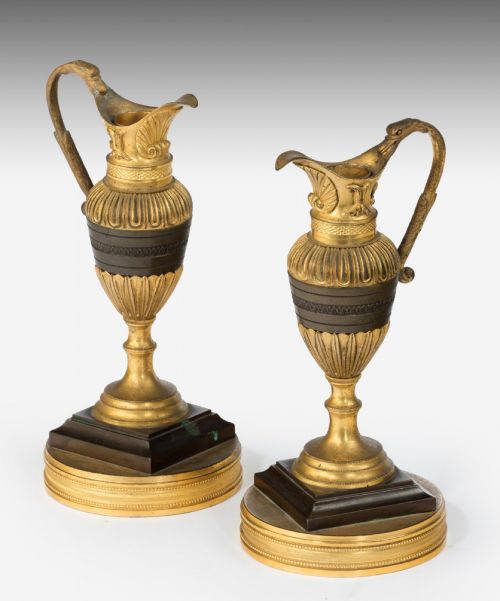
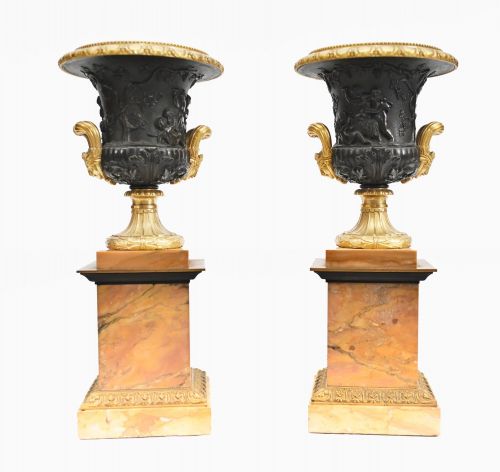
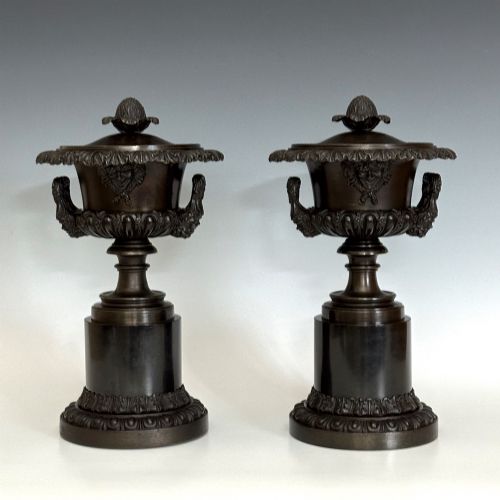
Pairs designed for mantle garnitures or side tables represent the configuration most commonly encountered across these listings. Their presence reflects nineteenth-century domestic styling that favoured symmetrical classical arrangements.
Methods and Materials
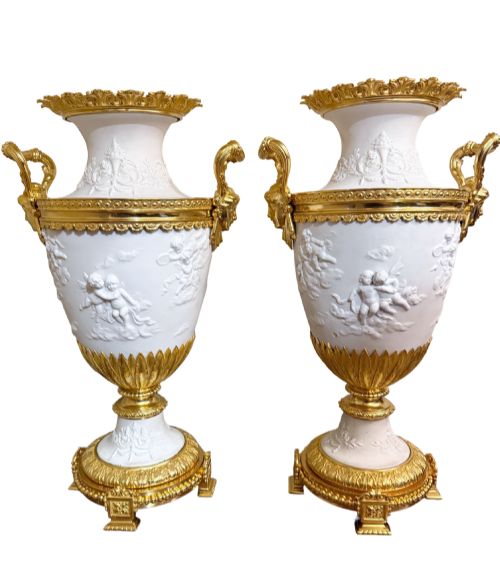
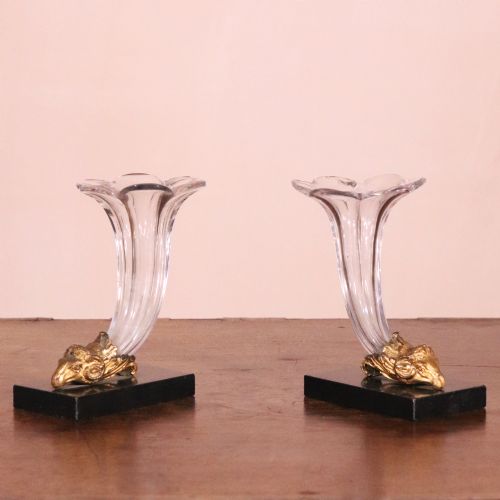
Gilt bronze and ormolu applications provided bright metallic contrast against dark patinated bronze bodies or pale stone bases. Workshops integrated materials such as white onyx, giallo di siena marble, and Sevres porcelain to elevate the decorative impact of the bronze mounts.
Materials recorded across the inventory include patinated bronze, ormolu, white onyx, Sevres porcelain, and various decorative marbles.
Judging Quality
The crispness of the chasing separates superior castings from softer, more generalized production pieces where ornamental details appear blurred. Superior examples retain fine definition in facial expressions, drapery folds, and cast vegetal motifs.
The integration of the mixed media dictates overall quality, visible in the snugness of bronze mounts against marble or porcelain bodies and the richness of the underlying patina. Heavier, more substantial metal thickness and carefully selected natural stone bases indicate higher manufacturing standards.
Sevres
The Classical Bronze Vases Glossary
- Campana
- A bell-shaped vessel form derived from ancient pottery and metal prototypes. This silhouette is typical of classical garden and table urns.
- Ormolu
- Finely ground high-carat gold applied to a bronze base through a mercury amalgamation process. This technique yields a durable, luminous golden finish.
- Cassolette
- A decorative vase featuring a reversible lid that functions either as a solid urn or an incense burner. These vessels often incorporate ormolu mounts on marble bodies.
- Tazza
- A shallow bowl or cup raised on a stem and foot, modelled after ancient drinking vessels. They frequently appear in pairs on marble plinths.
- Grand Tour
- The nineteenth-century practice where affluent travellers collected artistic souvenirs in Italy. Bronzes purchased on these journeys replicated famous archaeological finds.
Classical Bronze Vases: Frequently Asked Questions
How were they used historically?
Owners displayed these vessels primarily as decorative garnitures on mantelpieces, often flanked by matching clocks or candelabra. Some larger versions functioned as wine-coolers or indoor plant holders during formal dining occasions.
Smaller examples served as cabinet pieces or mantle ornaments brought back from European travels. Their presence signalled an educated household conversant with classical art and history.
How do I live with one?
Place these pieces on stable, level surfaces where their weight and delicate ormolu mounts remain secure from accidental knocks. Keep them away from direct heat sources and moisture to protect the integrity of the bronze patina and stone bases.
Dust them gently with a soft, dry brush rather than liquid cleaners, which can damage aged metallic surfaces. Their sculptural silhouettes pair effectively with both period furniture and modern minimalist interiors.
How do I tell periods apart?
Regency and early nineteenth-century pieces often display restrained neoclassical rigour with crisp, architectural lines and dark brown patination. Later Victorian and Grand Tour productions frequently incorporate more elaborate ornamentation, including Bacchic masks and highly polished gilt highlights.
Materials also offer chronological clues, as white onyx and specific marble varieties gained popularity toward the later decades of the nineteenth century. Examining the casting seams and mounting techniques helps clarify the manufacturing era.