


Classical Bronze Mythological Statue
A classical bronze mythological statue brings the drama of antiquity into a room, cast in heavy metal and patinated by time.
Classical Bronze Mythological Statue
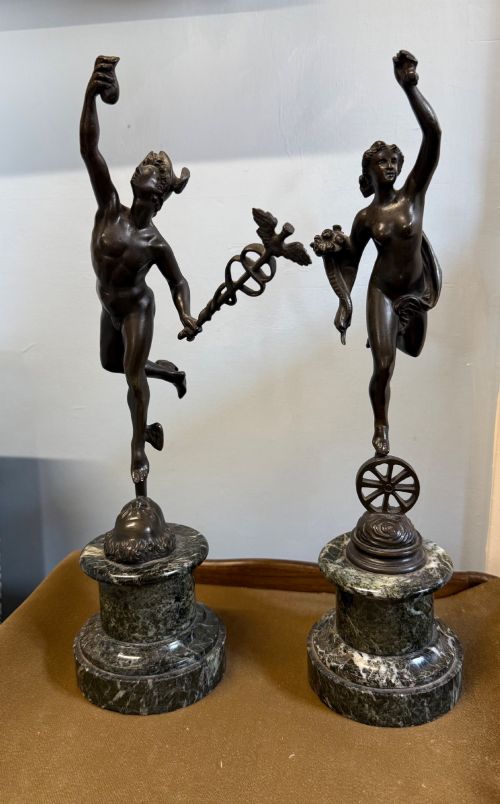
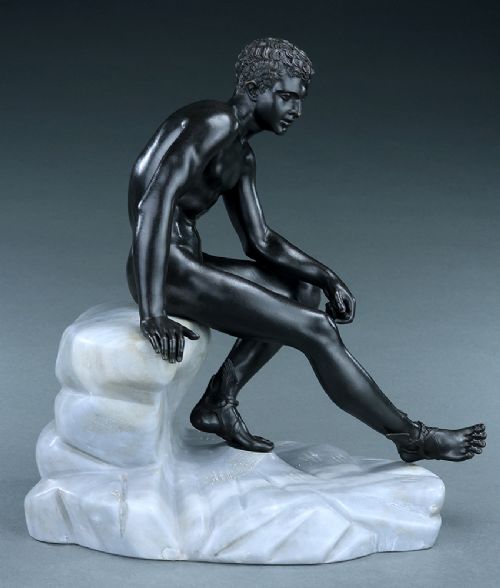
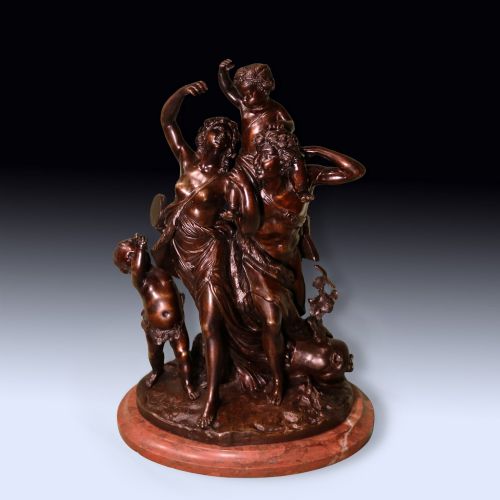
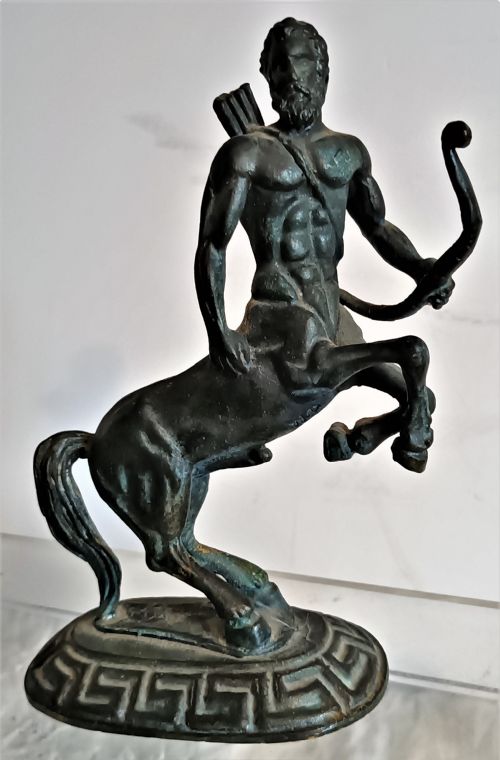
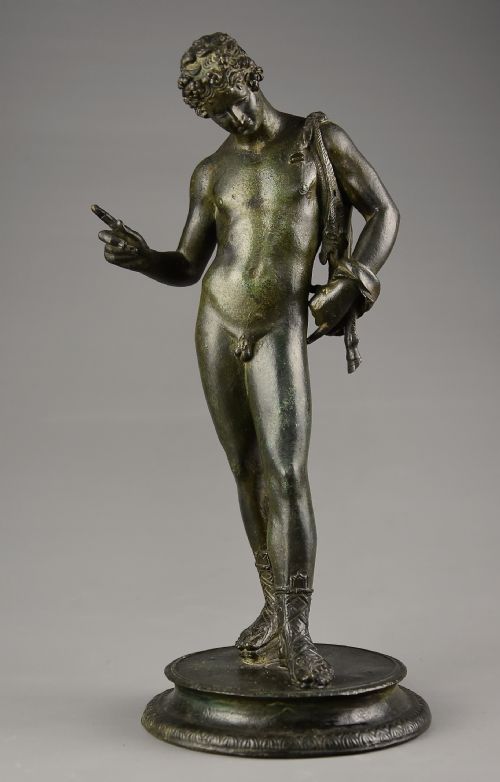
A classical bronze mythological statue depicts figures from ancient Greek and Roman legend, cast in metal during the nineteenth and early twentieth centuries. These pieces translate ancient marble masterpieces into domestic scale for collectors, drawing on Neoclassical taste and Grand Tour travels across Italy.
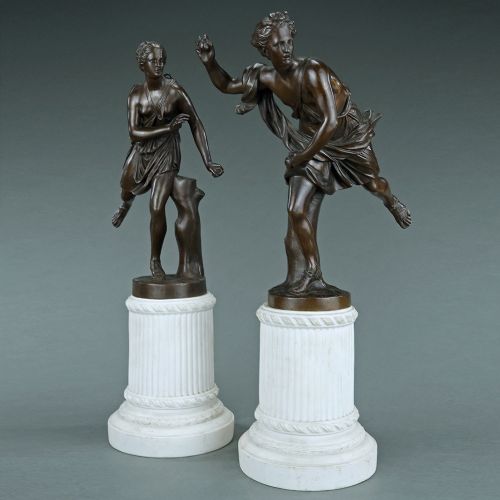
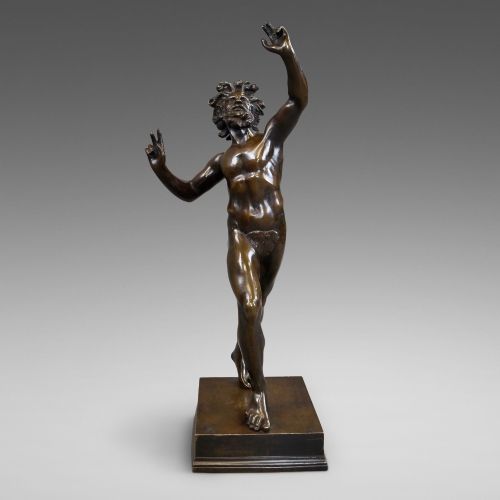
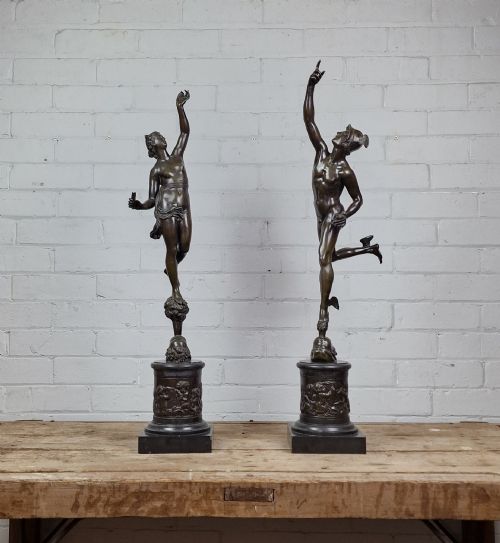
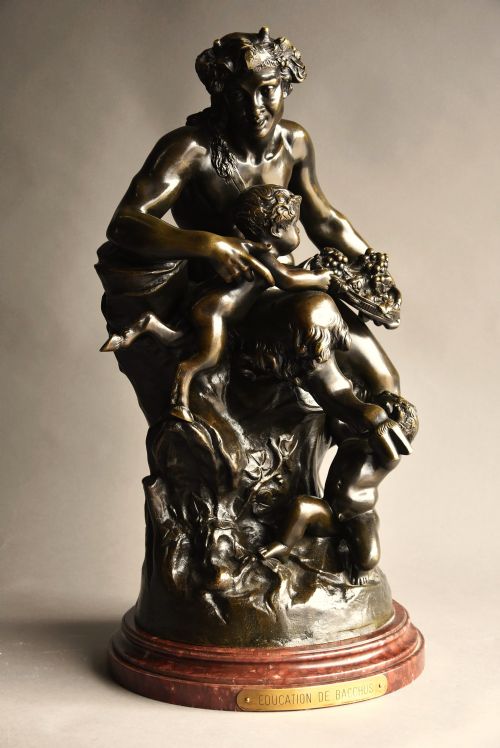
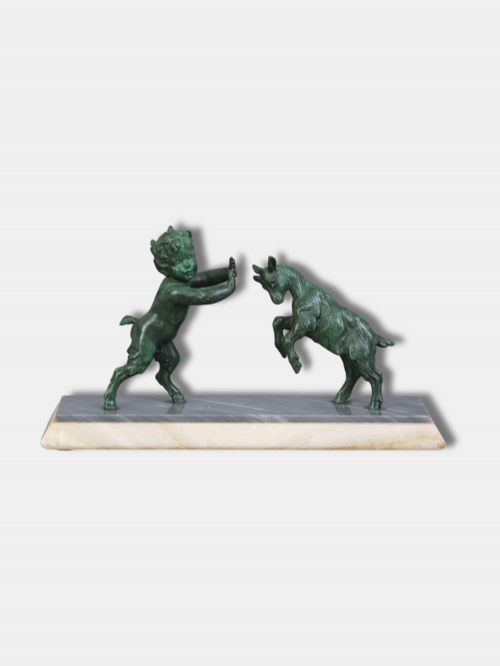
The versions most commonly found here are nineteenth-century French and Italian foundry casts, often standing on integral plinths or mounted to marble and slate bases. Subjects range from dancing fauns and mythological heroines to larger sculptural groups after Renaissance and classical models.
How They Were Made
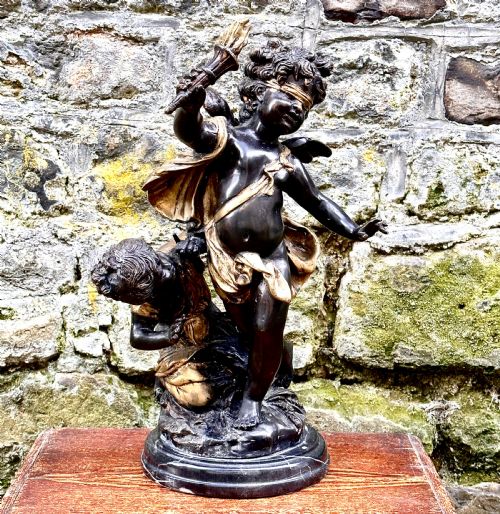
Foundries produced these sculptures primarily using traditional lost-wax or sand-casting methods, yielding dense metal figures that required careful hand-chasing after removal from the mould. Artisans then applied chemical patinations to achieve deep brown, black, or dark green surfaces, occasionally highlighting details with parcel-gilt finishes.
Many bronzes incorporate stone elements, being mounted directly onto bases of black slate, green marble, or white marble to provide weight and visual contrast. Fire dogs and larger statues utilise similar casting techniques, marrying sculptural figures with functional ironwork or heavy bronze mounts.
Several classical figures persistently drop their grapes, dance with pan pipes, or wrestle mythological beasts across the centuries.
What Varies in Quality
Quality rests in the crispness of the chase-work and the depth of the foundry cast, where superior examples retain sharp facial expressions, musculature, and drapery folds without soft edges. The nuance of the patination dictates aesthetic success, distinguishing flat, uniform metallic coatings from rich, layered chemical treatments that mimic age.
The integration between the bronze figure and its marble or slate base marks distinction, as does the reputation of the casting house or the fidelity of the reduction from the antique original. Finer pieces demonstrate careful attention to underside mounting and internal pegging, ensuring the metal remains stable.
Barbedienne·Emile Carlier·Albert Hussmann·Pierre Le Faguays·Victor Paillard
The Classical Bronze Mythological Statue Glossary
- Grand Tour
- A cultural journey undertaken by wealthy young Europeans through France and Italy to study classical antiquities. Souvenirs from these travels included small-scale bronze sculptures cast after famous museum statues.
- Patination
- The surface coloration of bronze achieved through natural ageing or chemical treatments. Skilled founders used acids and heat to produce dark brown, green, or black tones.
- Lost-wax casting
- A historic metalworking method where a wax model is melted out of a mould and replaced with molten bronze. This technique allows for intricate detail and undercut forms.
- Chasing
- The manual finishing process where a metalworker uses hammers and punches to refine the surface of a raw bronze cast. This removes foundry flaws and sharpens textural details.
- Parcel-gilt
- A decorative treatment where specific areas of a bronze sculpture are partially gilded with gold leaf. This technique highlights drapery, hair, or attributes against a dark patinated background.
Classical Bronze Mythological Statue: Frequently Asked Questions
What is a Grand Tour bronze statue?
A Grand Tour bronze is a small-scale nineteenth-century souvenir cast in Italy or France, reproducing famous antique sculptures seen by travellers abroad. These pieces allowed collectors to display classical art in their private libraries and drawing rooms.
They capture the appearance of museum marbles in manageable bronze formats, often fitted to marble plinths. The subjects focus heavily on classical mythology, dancing fauns, and heroic figures.
How do I care for antique bronze?
Antique bronze requires minimal intervention, needing only occasional dusting with a soft, dry cloth to protect the historic patina. Avoid using metal polishes, abrasive cleaners, or water, which can strip the chemical treatments applied by the foundry.
Keeping the sculpture away from direct sunlight and damp environments helps preserve the stability of both the metal and any attached marble bases. Natural wax can be applied very sparingly by conservation specialists if protection is required.
Why are some bronzes mounted on marble?
Foundries mounted statues on marble or slate bases to add physical weight, stability, and visual elegance to the display. These stone plinths reflect the museum presentation style popular during the nineteenth century.
The choice of green marble, black slate, or white marble often complements the tone of the bronze patination. This combination elevates a standalone figure into an integrated decorative object.
Are these figures solid bronze?
Most nineteenth-century sculptures were cast hollow to save metal and reduce weight, though smaller appendages and details are often solid. The casting walls maintain a consistent thickness achieved through traditional foundry techniques.
Despite being hollow, these pieces possess substantial weight due to their dense alloy composition and heavy stone bases. Tapping the metal generally yields a dull, solid thud rather than a tinny ring.