

Classical Bronze Light
A classical bronze light brings formal architectural elegance and rich patinated metalwork into a room, drawing on centuries of neoclassical design.
Classical Bronze Light
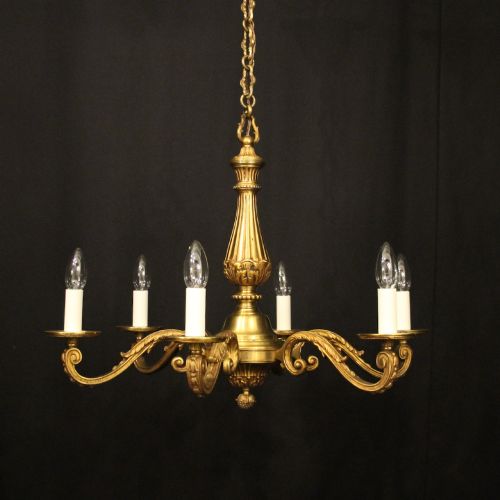
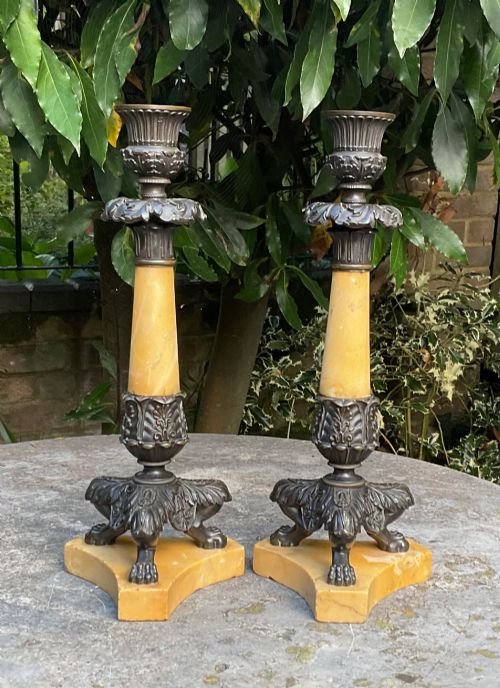
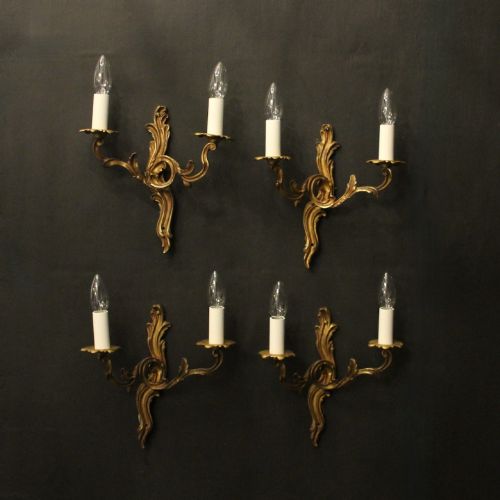
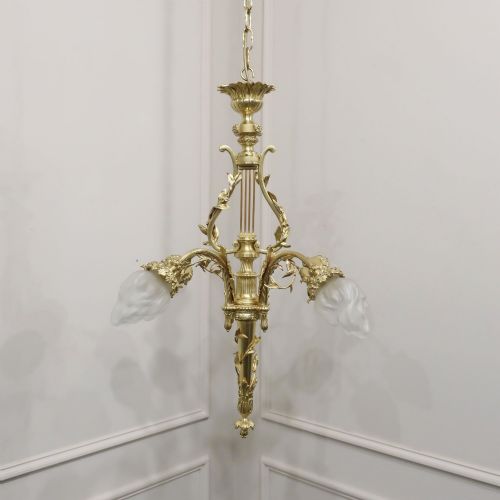
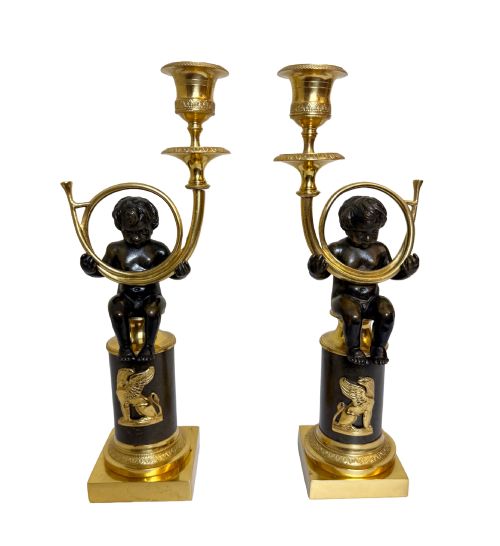
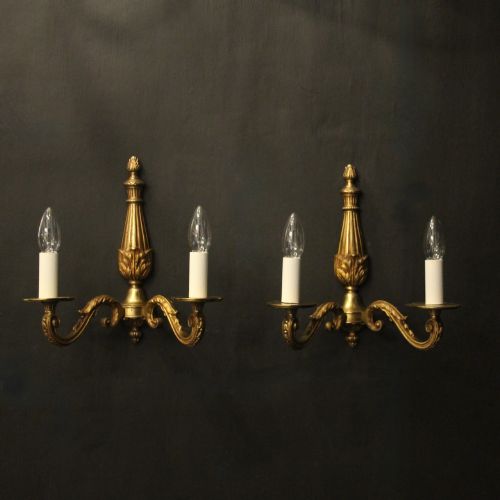
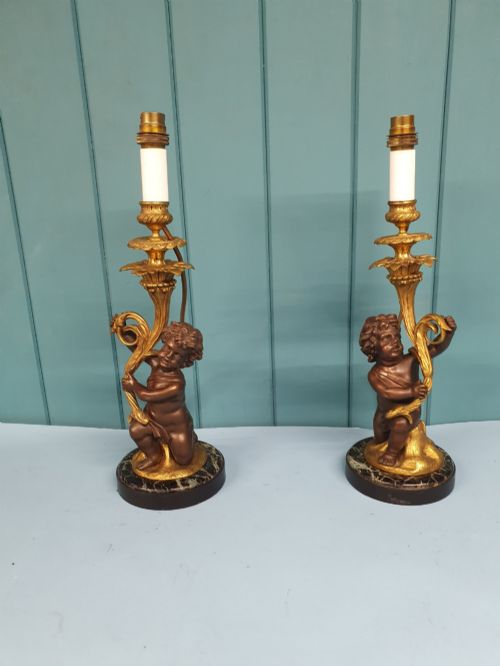
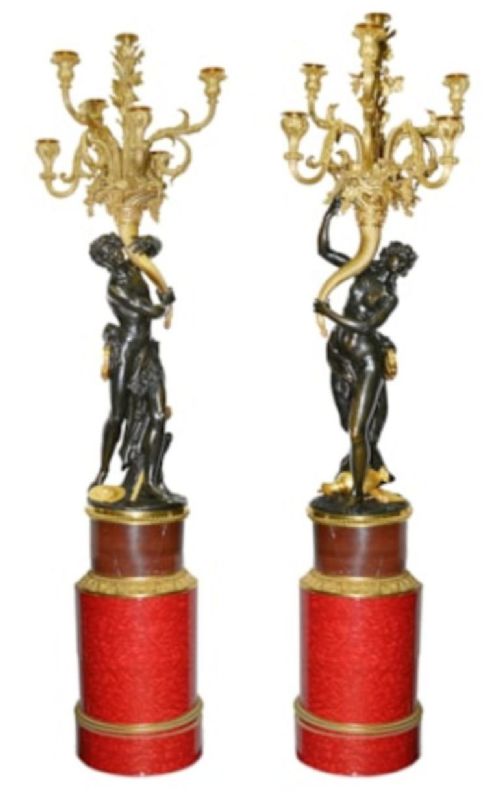
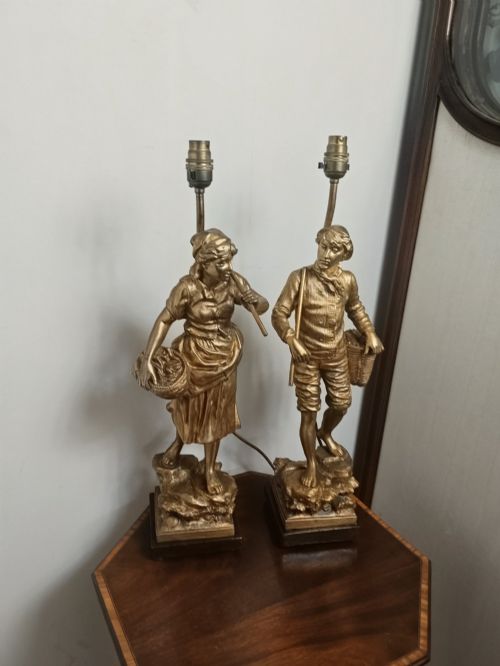
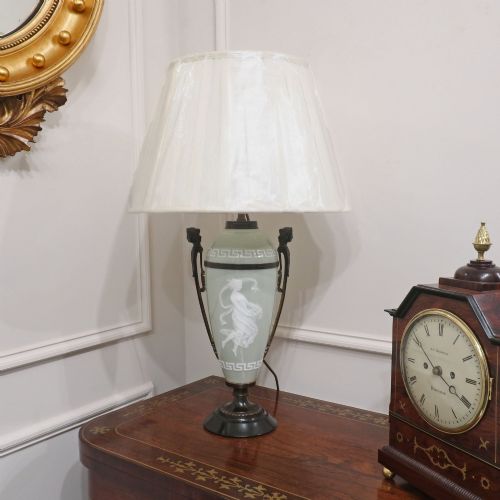
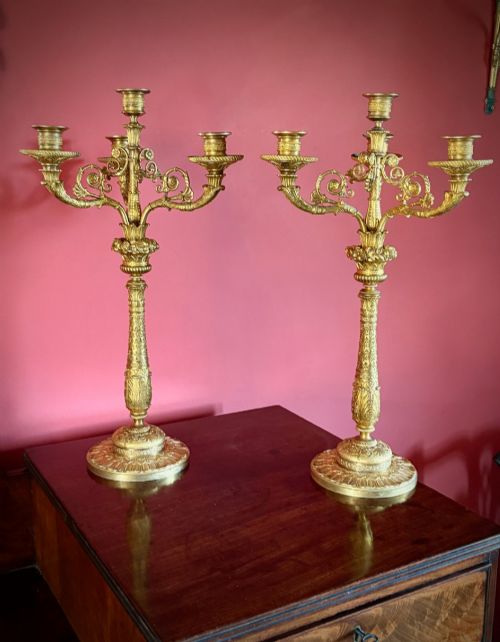
When you search for a classical bronze light, you encounter a variety of lighting fixtures ranging from multi-armed chandeliers and wall sconces to candelabra and table lamps. These pieces reflect historical design movements such as French Empire, Louis XVI, Regency and French Neoclassical styles.
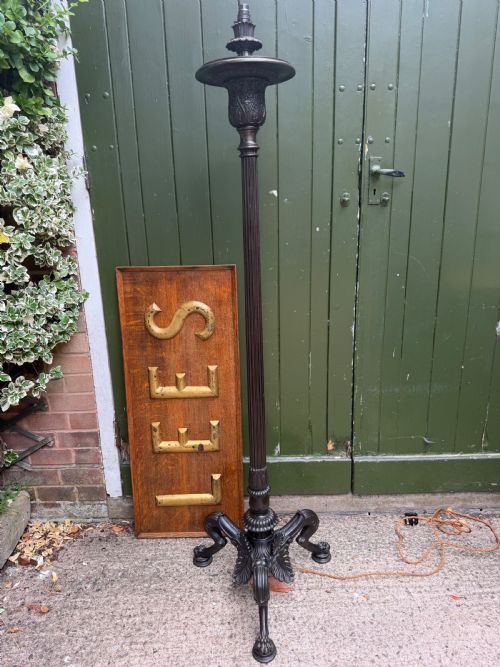
The selections available span multiple decades and centuries, incorporating sculptural figures like cherubs and caryatids alongside architectural motifs. Wall lights, lanterns and grand floor standing standards represent the common forms found within this category.
Materials and construction methods
The creation of these lighting fixtures relies on cast bronze, patinated bronze, ormolu and gilt bronze, frequently combined with white marble, onyx or alabaster bases. Craftsmen utilised metal-casting techniques to achieve intricate figural details and ornamental mounts.
Surface finishes involve careful gilding and patination to enhance the metallic texture. Additional components such as cut glass, porcelain and fabric shades complement the substantial metal structures.
Markers of distinction in bronze lighting
Quality reveals itself in the crispness of the cast ornamentation and the depth of the gilding or patination applied to the bronze surface. Superior examples demonstrate meticulous hand-finishing on sculptural details such as cherubs, drapery and floral garlands.
The integration of secondary materials like marble and alabaster further distinguishes the workmanship. Heavier, more substantial metal components indicate robust construction typical of high-grade period manufacture.
Pierre Philippe Thomire·E Rousseau·L and F Moreau·G Amodio
The Classical Bronze Light Glossary
- Ormolu
- A technique of applying finely ground high-carat gold to an object of bronze. This process produces a rich golden finish characteristic of French decorative metalwork.
- Patinated Bronze
- Bronze that has been chemically treated to alter its surface colour. This finish creates dark brown, greenish or antique tones on the metal.
- Candelabra
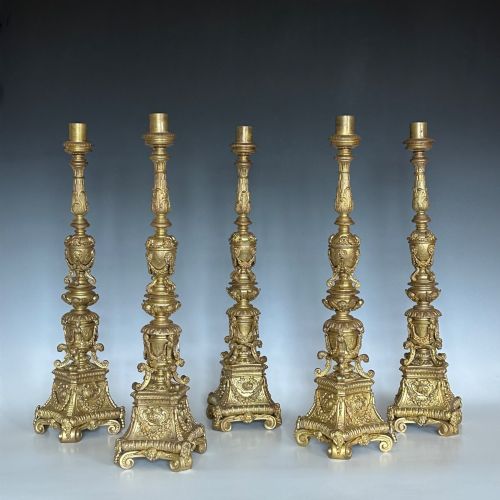
- A branched candlestick holder designed to support multiple candles. These often feature elaborate central stems and symmetrical arms.
- Caryatid
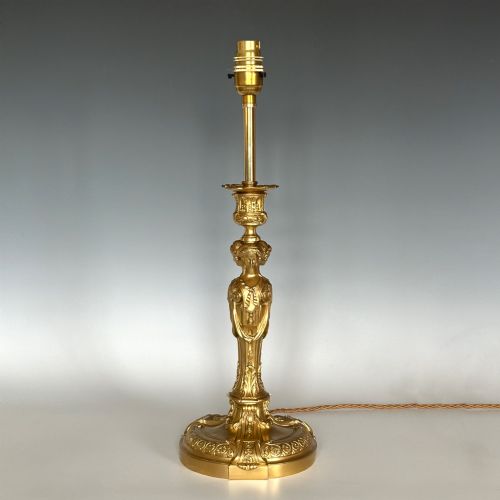
- A sculpted female figure serving as an architectural support. These figures frequently appear on the stems of candlesticks and lamps.
- Tent and Waterfall Chandelier
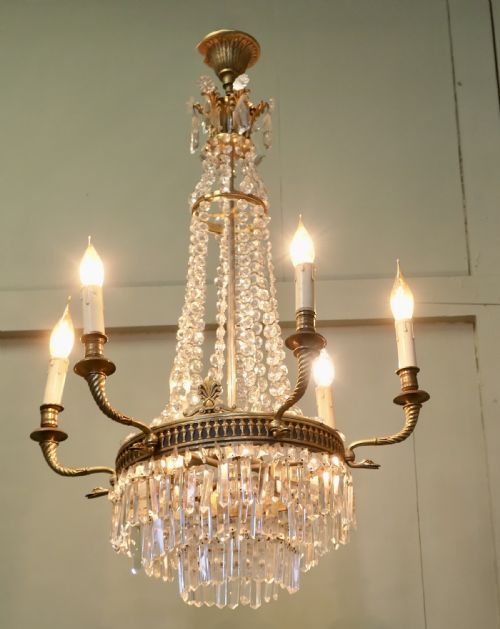
- A lighting fixture style featuring strings of glass beads arranged in a tent shape above cascading drops. This form gained popularity during the late eighteenth and nineteenth centuries.
Classical Bronze Light: Frequently Asked Questions
How do I clean a bronze light?
Dust the metal gently with a soft, dry cloth to prevent the accumulation of dirt. Avoid harsh chemical cleaners that can strip away the original gilt or patinated finish.
For marble or glass components, use a damp cloth followed immediately by drying. Regular gentle maintenance preserves the historic surface of the piece.
Are these lamps wired for modern use?
Many vintage and antique table lamps and chandeliers have been adapted for contemporary electrical standards. It remains wise to have any antique wiring inspected by a qualified electrician before installation.
Fittings can usually be adjusted to accommodate standard modern bulbs while retaining the original sockets and structural integrity.
What is the difference between ormolu and gilt bronze?
Ormolu specifically refers to mercury gilding applied to bronze during the eighteenth and nineteenth centuries. This method creates a brilliant, durable golden surface layer.
Gilt bronze is a broader term that encompasses various methods of applying gold leaf or gold paint to a bronze substrate.
How can I tell the period of a light?
Stylistic indicators such as Regency symmetry, French Empire motifs or Art Nouveau curves provide initial clues regarding the date of manufacture. Construction methods, screw types and the wear on the bronze surface offer further evidence of age.
Comparing the decorative elements to documented designs from periods like Louis XVI helps narrow down the era.