

Classical Brass Table Light
These classical brass table light pieces combine antique metalwork and refined form to illuminate period interiors.
Classical Brass Table Light
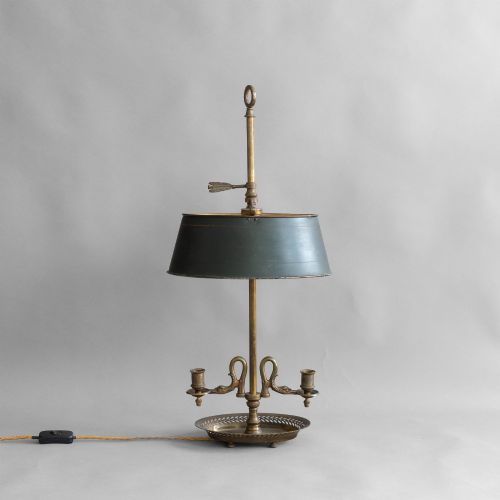
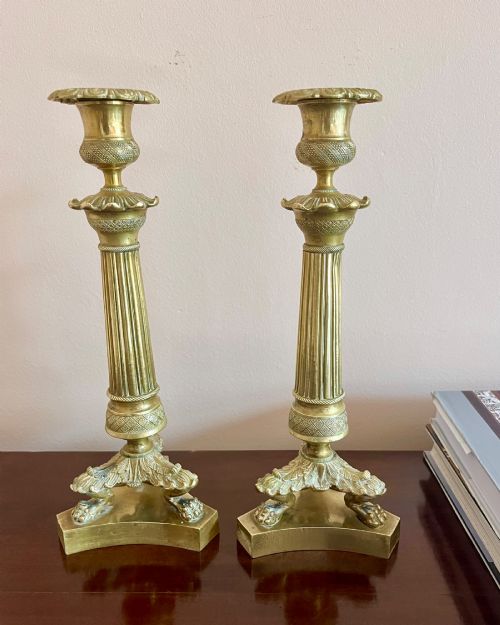
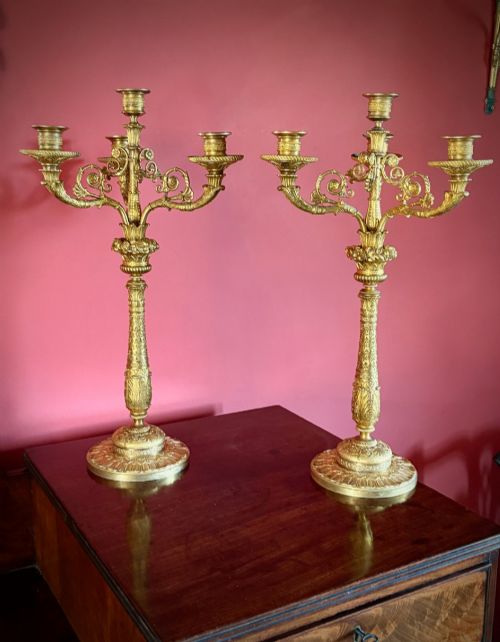
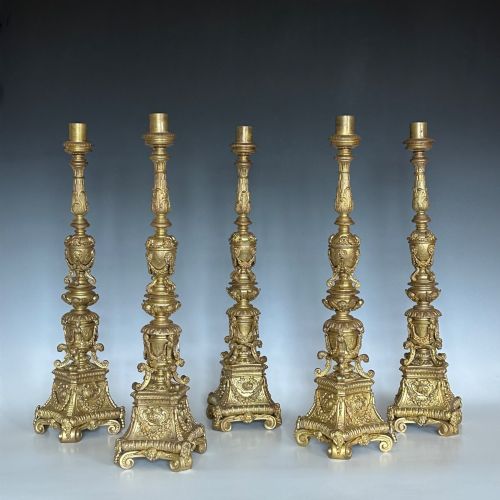
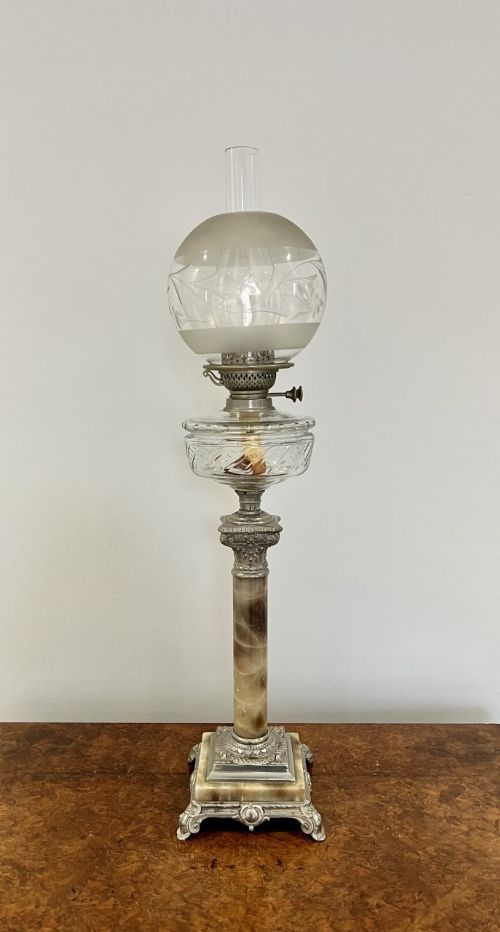
A classical brass table light takes the form of candlesticks, oil lamps, or candelabra adapted for electrical illumination across Victorian, Edwardian, and nineteenth-century periods.
Makers drew on Neoclassical, Regency, and French Empire styles, often utilising architectural columns like Corinthian and ionic orders.
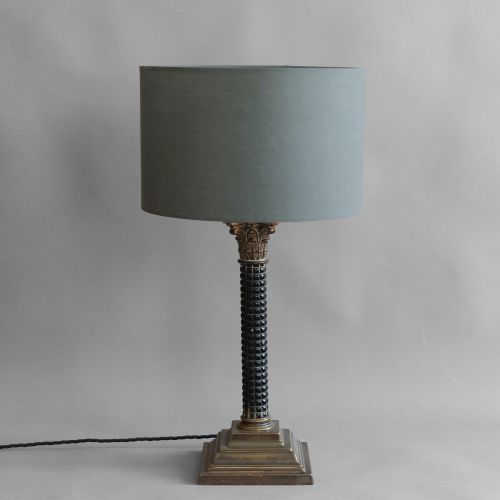
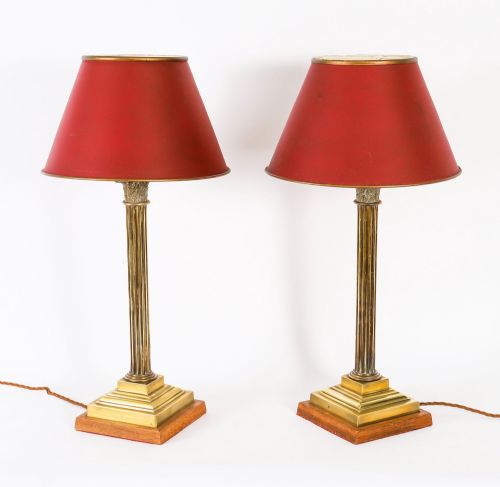
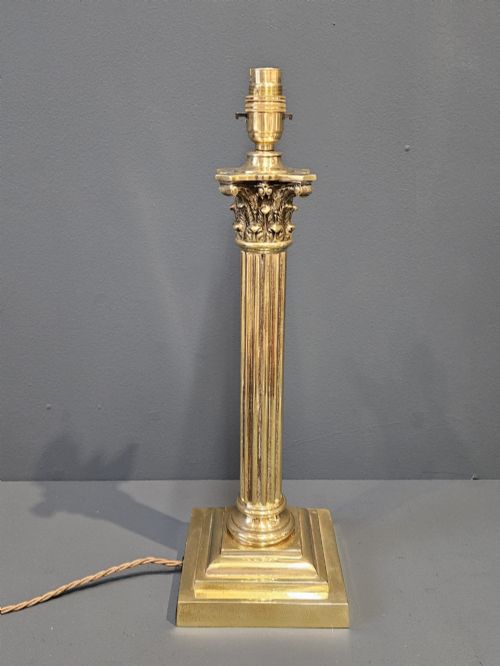
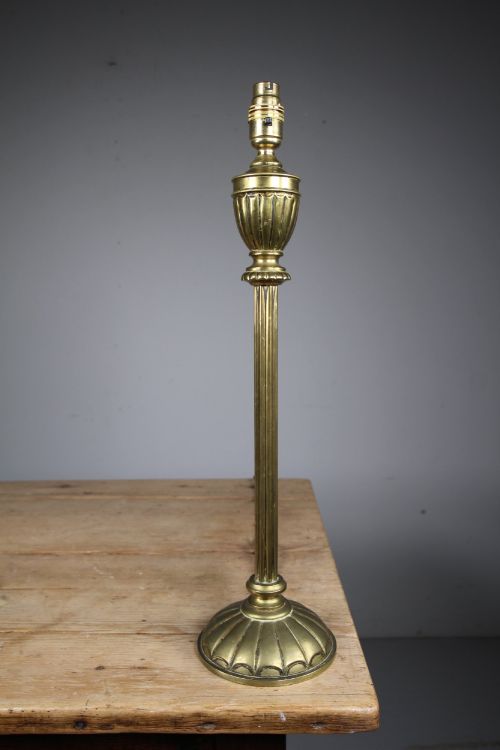
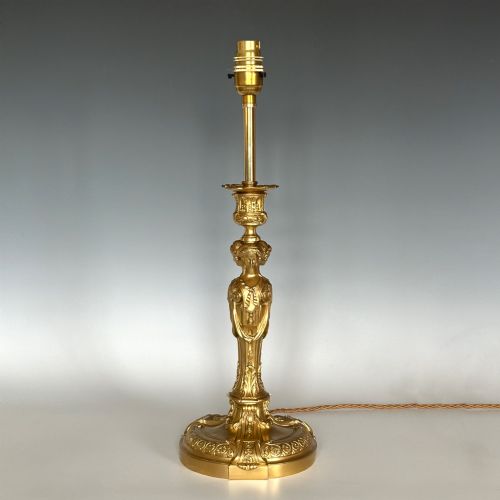
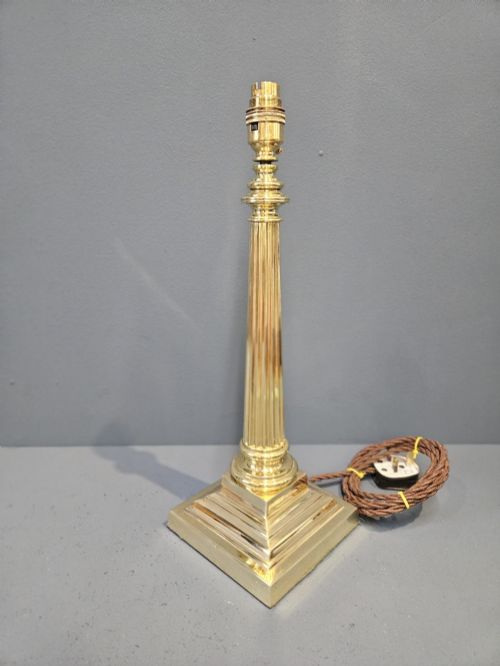
The most common examples on this page are columnar brass table lamps and converted candelabra bearing classical ornamentation.
Materials and Technique
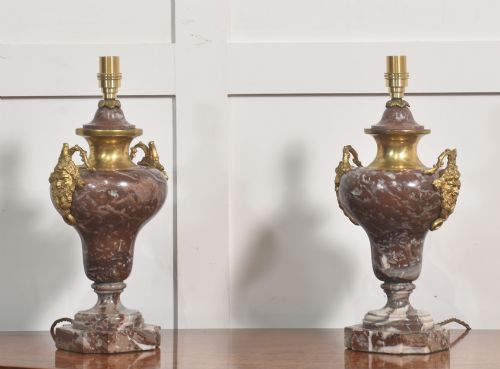
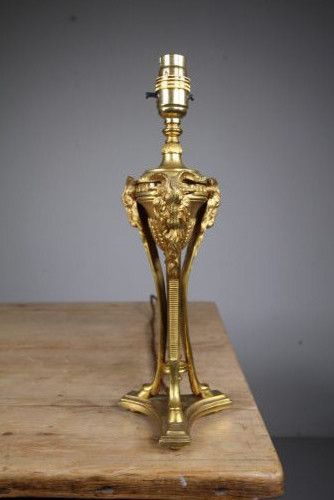
Foundries shaped these items using cast brass, ormolu, and gilt bronze, frequently combining metal with rouge marble, onyx, and glass.
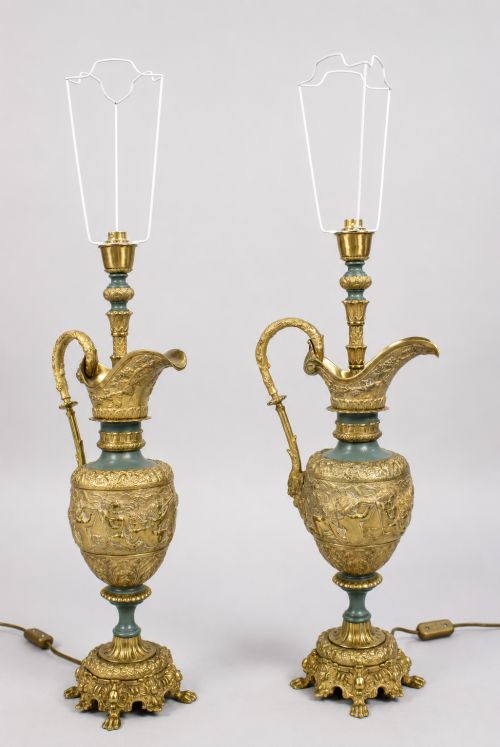
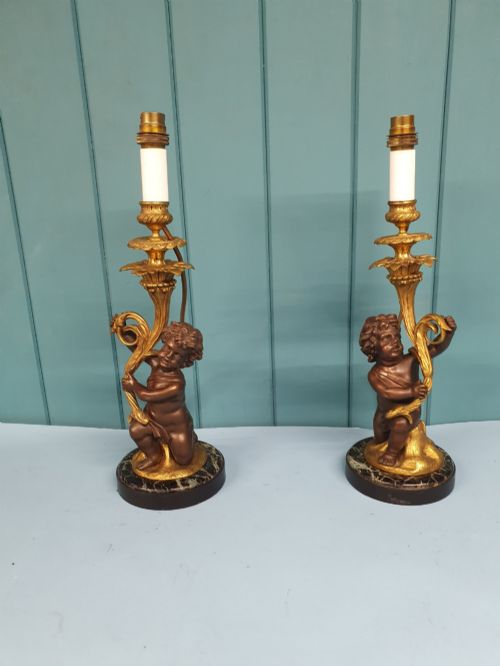
Craftsmen applied intricate chasing and gilding to bronze and brass, creating detailed capitals, rams heads, and cherub figures.
Many specimens incorporate fabric or silk shades above heavy metal bases designed to support converted oil mechanisms or candle nozzles.
Cast bronze cherubs occasionally share lamp-keeping duties with severe architectural columns.
Craftsmanship and Weight
Superior examples display crisp casting in the acanthus leaves and fluting of columns, whereas lesser pieces show softer, shallower detail.
The density and weight of the cast metal, alongside the integration of natural stone like rouge marble or onyx, separate standard production from high-end workshop output.
Proportion and the precision of mounts, such as ormolu fittings on marble bases, dictate the standing of an individual piece.
L & F Moreau·Hinks·Dugourc
The Classical Brass Table Light Glossary
- Ormolu
- Gilded bronze utilised for decorative mounts and figures. This technique involved applying a mercury and gold amalgam to cast bronze before firing.
- Corinthian column
- An architectural shaft topped with ornate acanthus leaf capitals. It appears frequently on nineteenth-century lamp bases.
- Candelabra
- Branched lighting fixtures designed to hold multiple candles. Many survive converted into wired table lamps.
- Ionic column
- A classical shaft featuring scroll shapes known as volutes on the capital. This design is common on Victorian examples.
Classical Brass Table Light: Frequently Asked Questions
Are these lamps converted from old oil lamps and candlesticks?
Many items began life as oil lamps or candlesticks before receiving modern electrical wiring.
Conversion methods vary, but nineteenth-century metalwork frequently accommodates modern fittings without losing original form.
How do I identify a Victorian brass lamp?
Victorian pieces often feature heavy cast brass or bronze with reeded columns and classical capitals.
Maker stamps and specific material combinations like brass paired with marble help confirm the period.
What styles influence these brass table lights?
Neoclassical, Regency, and French Empire styles dominate the design vocabulary of these pieces.
Details like rams heads, architectural orders, and gilt bronze mounts derive directly from classical antiquity.
Can I use standard modern lamp shades?
Most of these lamps accept standard fittings, though the proportion of the base dictates shade size.
Silk and fabric shades complement the traditional brass and marble construction of the period.