


Classical Sofa
A classical antique sofa brings architectural grace to a room, offering sculptural timber frames and elegant scroll ends that anchor a refined interior scheme.
Classical Sofa
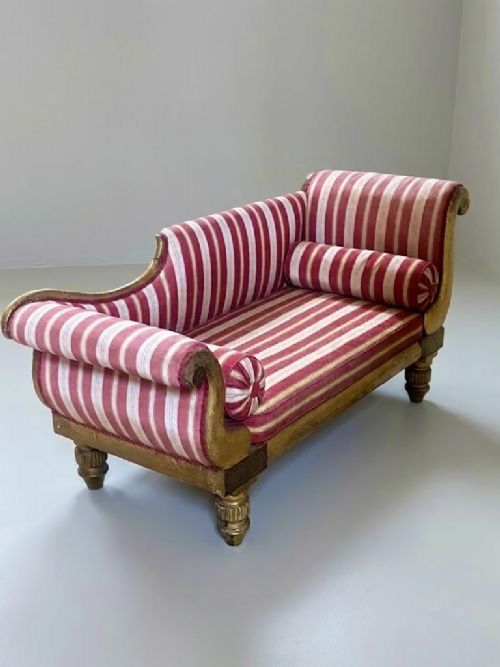
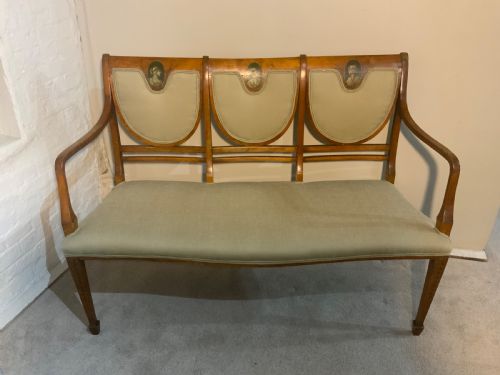
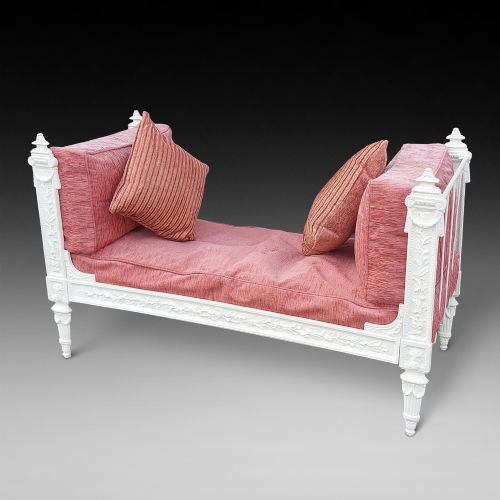
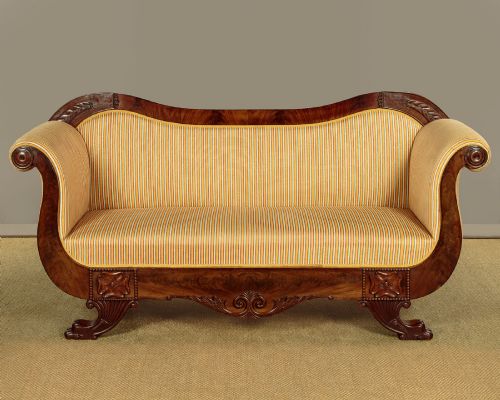
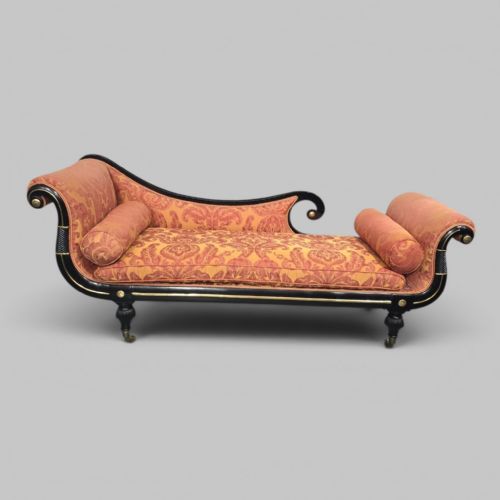
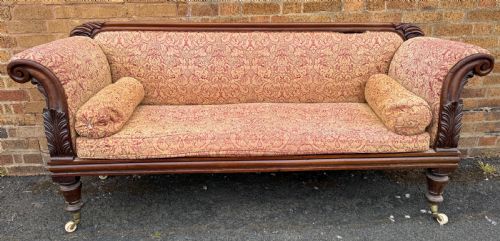
A classical antique sofa represents a tradition of formal seating, drawing heavily on Regency, Victorian, and Neoclassical design principles. When searching for a classical antique sofa, buyers encounter various forms including scroll-end couches, settee designs, and chaise longues.
The pieces appearing here span the early nineteenth century through to the Edwardian period, with Regency examples demonstrating the most prominent architectural influence. These seating items utilise traditional timber frameworks paired with period upholstery styles.
Many examples showcase specific regional interpretations, ranging from English country house aesthetics to Italian Neoclassical craftsmanship. The selection encompasses both intimate settees and substantial daybeds suited to distinct interior layouts.
Materials and construction
Craftsmen built these frames using dense timbers such as mahogany, satinwood, and oak, frequently incorporating decorative elements like giltwood and ebonised wood details. Structural stability relied on traditional joinery techniques suited to the heavy scrolling woodwork.
Surface decoration often involved intricate painted motifs, satinwood veneers, or simulated rosewood finishes that imitated exotic grain patterns. Metal components, including brass accents and cast iron frames in later Victorian pieces, provided additional structural support and visual contrast.
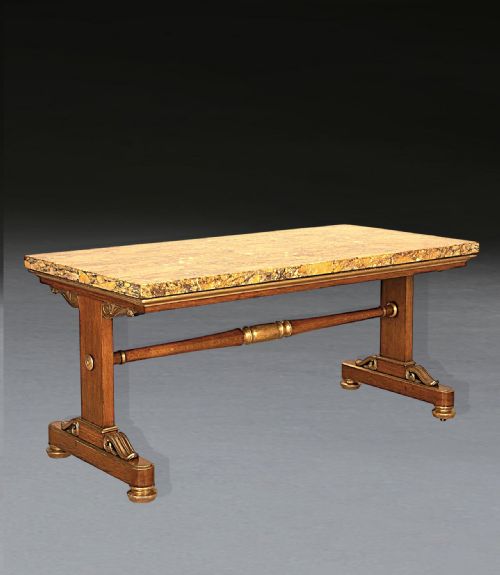
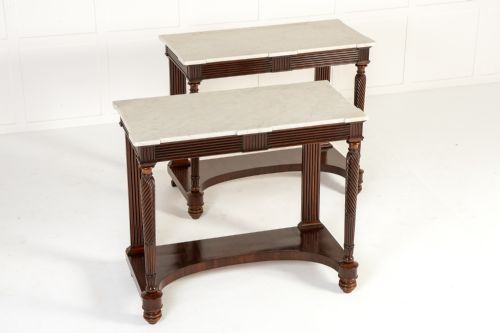
The available furniture includes console tables alongside traditional scroll-end sofas and daybeds.
Understanding quality differences
The distinction between standard examples and exceptional pieces lies in the precision of the carved timber and the integrity of the frame construction. Superior items display fluid, well-proportioned scroll arms and crisp architectural mouldings executed by skilled artisans.
Materials also dictate the tier of quality, with finely figured mahogany veneers, genuine giltwood enrichment, and hand-painted satinwood panels elevating a piece. Furthermore, the originality of the timber finish and the sophistication of the joinery determine the overall standing of the furniture.
The Classical Sofa Glossary
- Scroll-end
- A furniture design feature where the wooden armrests or ends curve outwards in a tight, continuous spiral. This profile defines much of the seating from the Regency period.
- Settee
- An upholstered bench with a back and arms, designed to seat multiple people comfortably. They often feature decorative wooden frames and refined textile coverings.
- Giltwood
- Timber that has been coated with a thin layer of gold leaf or gilt powder. It adds reflective brilliance to architectural furniture frames.
- Satinwood
- A durable, hard wood known for its golden-yellow sheen and smooth grain. It served as a prime surface for fine nineteenth-century cabinet work and decorative painted settees.
Classical Sofa: Frequently Asked Questions
How do I identify a Regency sofa?
Regency sofas typically feature distinctive scroll-end arms, dark mahogany or simulated rosewood finishes, and classical architectural proportions inspired by Greek and Roman designs.
Look for crisp carved wooden frames and understated decorative mounts rather than heavy Victorian ornamentation.
Where should I place a scroll-end couch?
A scroll-end couch works well positioned against a primary living room wall or floating centrally to showcase its finished timber back.
Because the sweeping arms draw the eye, ensure the piece has adequate surrounding space to maintain visual balance.
Are these sofas suitable for daily sitting?
Most antique seating is robust enough for everyday use provided the internal webbing and joints remain sound.
Buyers planning regular usage should inspect the internal upholstery foundations to ensure modern comfort standards.
What is the difference between a settee and a sofa?
Historically, settees often retained more exposed wooden framework and lighter proportions compared to fully upholstered sofas.
Settees frequently incorporate decorative elements like cane panels or painted satinwood surfaces suited to drawing rooms.
How do I care for antique wood frames?
Maintain timber surfaces by dusting regularly with a soft cloth and avoiding direct exposure to strong sunlight or heat sources.
Applying appropriate wax polishes periodically helps preserve the natural sheen of historic mahogany and satinwood.