
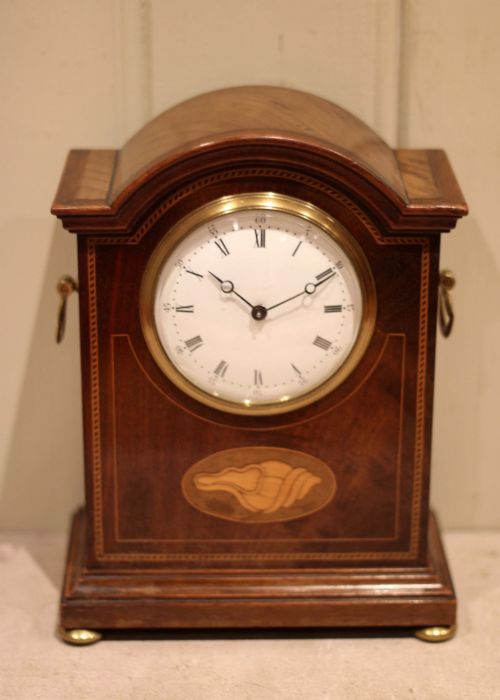
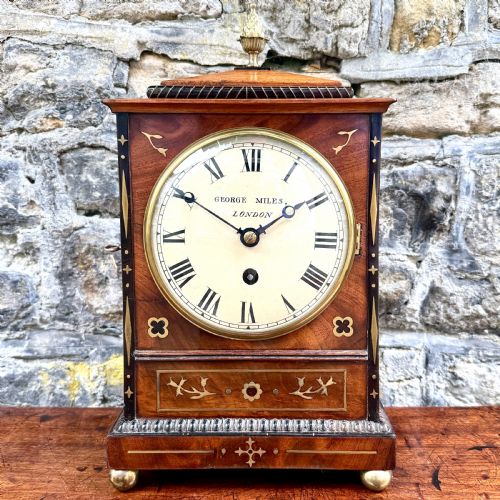


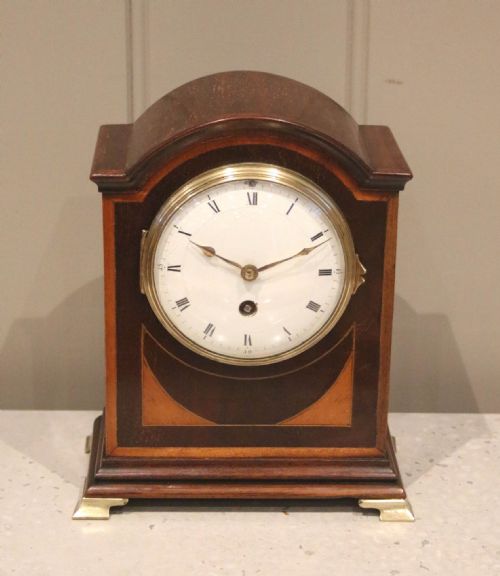


Classic Wooden Mantel Clock
A classic wooden mantel clock sits quietly on a shelf, keeping time with brass gears and timber cases that span several centuries.
Classic Wooden Mantel Clock
When you search for a classic wooden mantel clock, you are looking at timepieces housed in timber cases designed to stand on a shelf or mantelpiece. The examples you are most likely to meet on this page date from the Georgian period through to the mid-twentieth century.
These items take several forms, including bracket clocks, table clocks, and simple timepiece mantel clocks. Their origins span English traditional workshops alongside French makers, utilising timber frames and dial faces protected by glass.
The styles range from Regency and Victorian to Edwardian and Georgian Revival. You will find timber varieties such as mahogany, walnut, oak, and satinwood inlay shaping the visual character of each piece.
Materials and Construction
Makers built these clock cases using solid timbers and veneers, predominantly mahogany, walnut, and oak, often decorated with satinwood inlay. Brass components appear in the bezel rings, feet, handles, and internal gear trains.
Dial faces incorporate painted or enamelled chapters beneath protective glass covers. Suspended mechanisms and striking movements regulate the time, utilising brass plates and steel pivots within the wooden housing.
Some Edwardian balloon clocks take their distinct curved silhouette from the aviation excitement of the early twentieth century.
Judging Quality and Craftsmanship
The refinement of the timber joinery and the crispness of any brass inlay distinguish a standard production piece from a superior workshop creation. Secondary woods used inside the case reveal the care taken by the cabinetmaker.
The execution of the dial and the complexity of the movement, such as an eight-day striking train or Westminster chimes, elevate the status of the clock. Signed movements by notable makers add historical weight to the physical construction.
Elliott·Garrards·Dent of London
The Classic Wooden Mantel Clock Glossary
- Bracket Clock
- A portable clock originally designed to sit on a wall bracket to aid in room illumination and sound distribution. Later examples simply used the term for larger table-standing clocks.
- Timepiece
- A clock that tells the time without incorporating a striking mechanism to chime the hours. These simpler movements require fewer internal components.
- Satinwood Inlay
- Contrasting decorative wood pieces inserted into the primary timber surface to create geometric or floral patterns. This technique highlights the skill of the cabinetmaker.
- Portico Clock
- A architectural style of clock featuring side columns supporting a lintel, housing the pendulum swing within the central opening. French workshops frequently utilised this layout.
- Bezel
- The brass or metal ring that holds the glass cover in place over the clock dial. It often hinges open to allow hand-setting.
Classic Wooden Mantel Clock: Frequently Asked Questions
How do I wind a mantel clock?
Use the appropriate key on the winding squares located on the dial face, turning gently until you feel resistance. Do not overwind the spring, as this can damage the internal mechanism.
Ensure you keep the key in a safe place specifically designated for the clock. Different trains require winding at distinct intervals, ranging from daily to eight-day spans.
Where should I place my clock?
Position the clock on a stable, level mantelpiece or shelf away from direct sunlight and damp conditions. Wood movements and timber cases react poorly to sudden temperature fluctuations.
A solid surface ensures the pendulum beats evenly and the escapement functions correctly. Avoid areas near heavy vibrations from closing doors.
How do I identify the period?
Examine the timber species, the style of the dial, and the cabinet architecture to determine the era. Georgian and Regency pieces favour clean mahogany cases, while Edwardian examples often feature lighter satinwood inlay and balloon shapes.
Internal signatures and movement types provide further clues to the date of manufacture. Compare the decorative motifs with established design periods.
What is a Westminster chime?
A Westminster chime is a four-note melody played on gongs or bells to mark the quarters of the hour. This acoustic feature requires a more complex gear train within the clock.
Clocks with this mechanism often bear labels or dual winding holes for the chime train alongside the time train.