

Classic Victorian Art
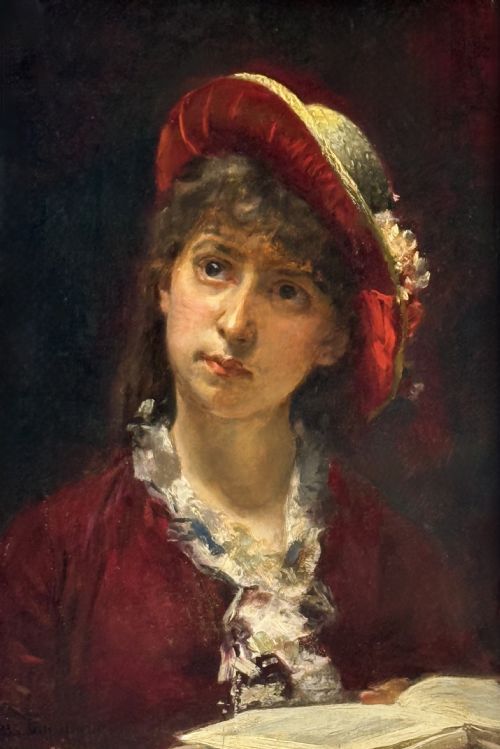
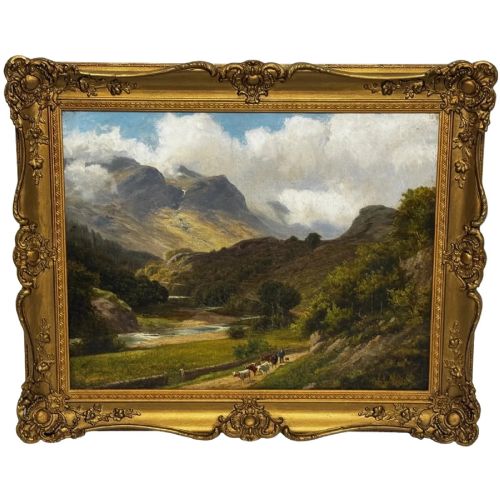
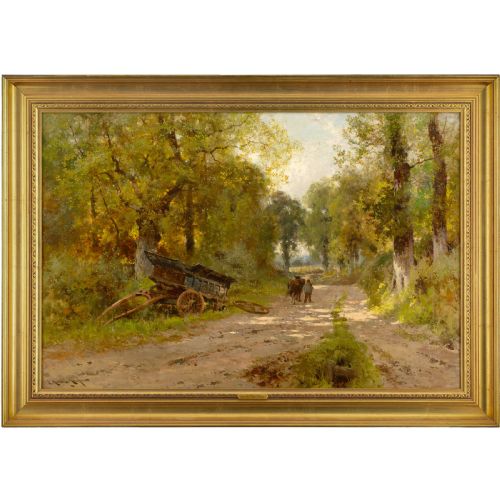
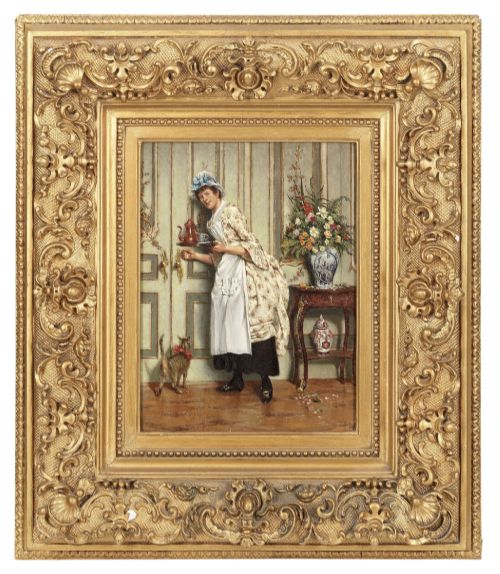
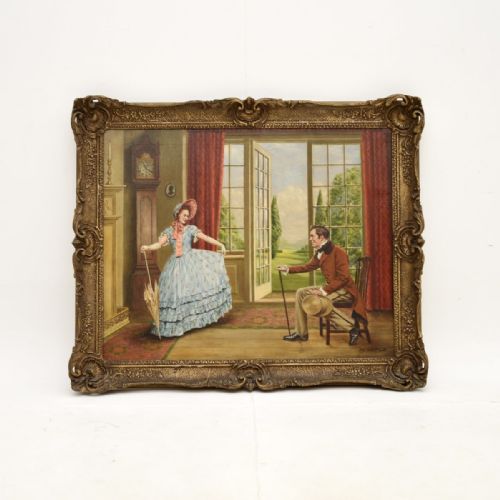
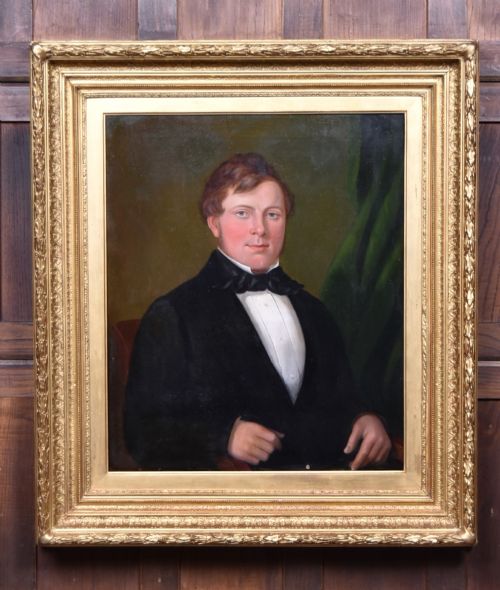
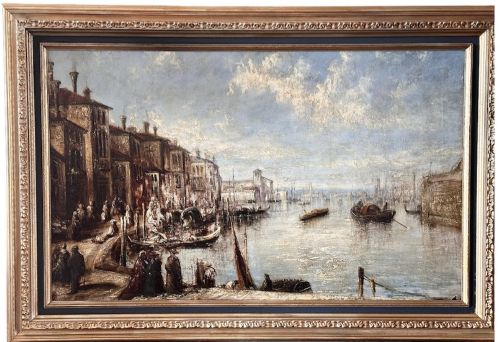
Classic victorian art brings together nineteenth-century oil paintings, watercolours, and framed prints capturing portraits, landscapes, and domestic interiors.
Classic Victorian Art
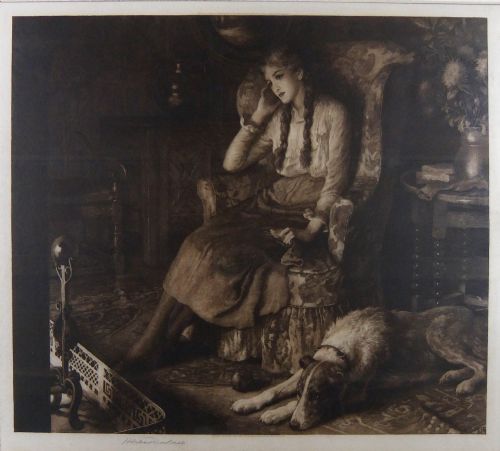
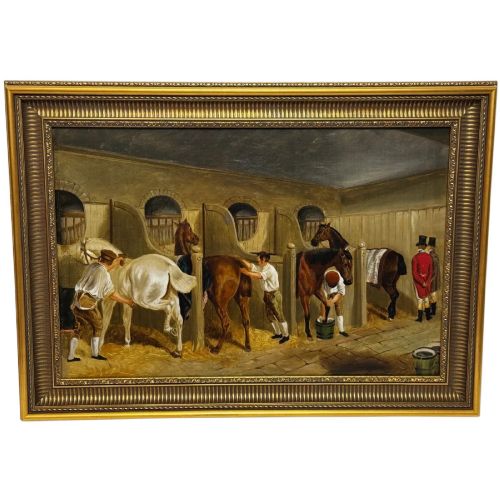
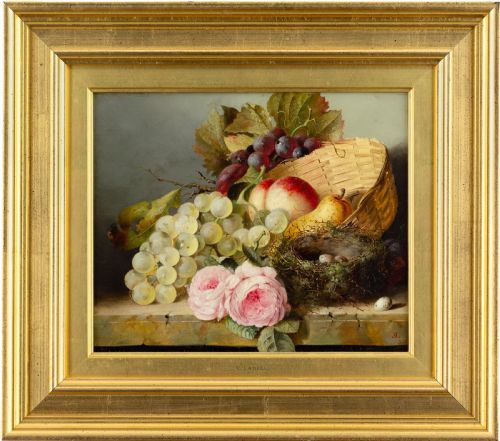
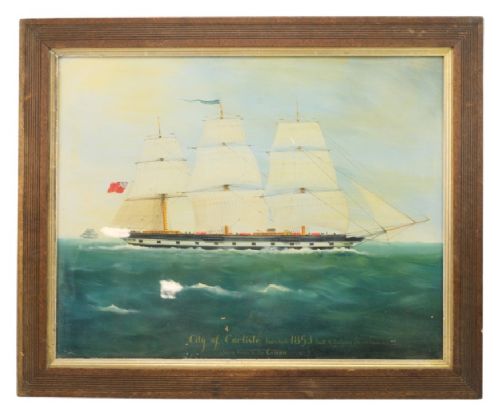
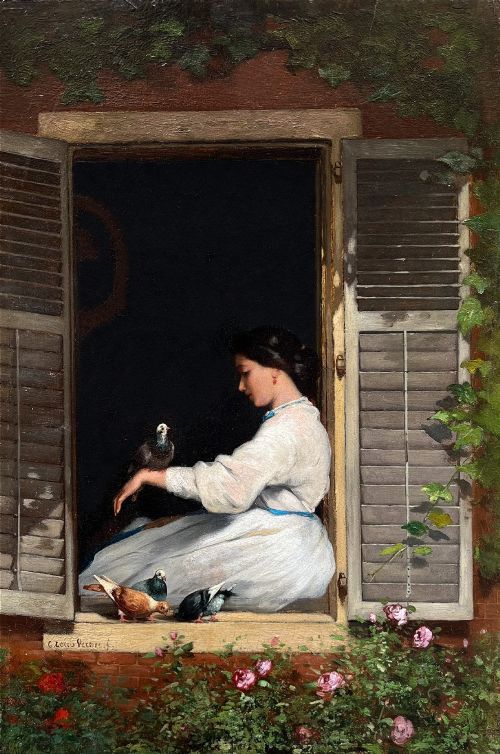
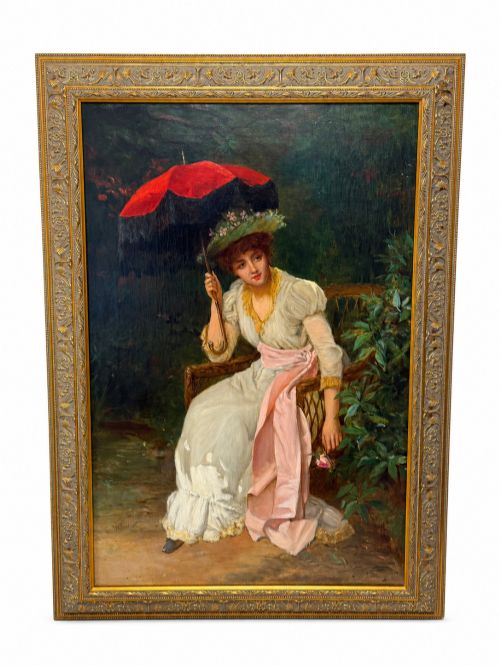
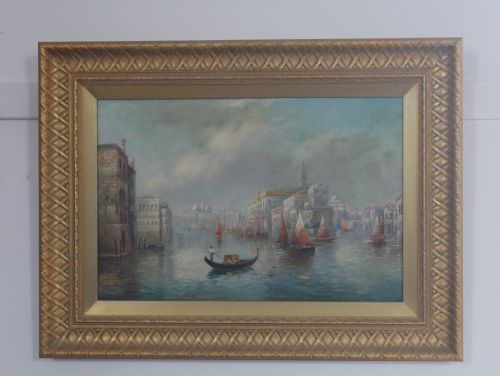
When searching for classic victorian art, collectors encounter a rich assortment of nineteenth-century oil paintings on canvas and panel, alongside original etchings and framed prints. The selection spans distinct genres including rural landscapes, animal studies, horse racing scenes, and intimate domestic interiors.
Most pieces date from the broader Victorian era, with specific works carrying dates from the eighteen-fifties through to the turn of the twentieth century. Alongside oils, the category includes paper prints and engravings that reflect the popular visual culture of the period.
Materials and methods
The physical objects rely primarily on oil paint applied to stretched canvas or wooden panels, framed in elaborately moulded giltwood or gesso surrounds. Engravings and etchings on paper form another substantial group, often preserved behind glass within timber or leather frames.
Makers utilised traditional pigments and varnishes common to nineteenth-century European studios, pairing detailed brushwork with decorative frames designed to complement domestic interiors of the period.
Listings feature works from the nineteenth century, including specific dates across the eighteen-fifties, seventies, eighties, and nineties, alongside early twentieth-century pieces.
Assessing quality and execution
Quality in these works rests upon the precision of the draughtsmanship, the handling of light and shadow, and the expression captured in portraiture or landscape. Superior examples display confident brushwork and balanced composition, whereas lesser pieces show stiffer lines and more formulaic execution.
The condition of the canvas, the originality of the surface varnish, and the presence of a period-appropriate gilt frame contribute significantly to the standing of any individual piece.
John Horace Hooper·Stephen Samuel Lewin·Alfred Lyndon Grace·Herbert Dicksee·Francis Moltino·Margaret Sarah Carpenter·Edward Ladell·David Roberts·Louis Charles Verwee·William Oliver·Thomas Spinks·Albert Rieger·Robert Watson·Bertram Priestman·Henry Arthur Roberts·William Arthur Breakspeare·William Henry Mander·Evelyn Chester·Sidney Richard Percy·John Robert Dicksee·Gustave Doré·William Mellor
The Classic Victorian Art Glossary
- Oil on Canvas
- Pigment mixed with drying oil applied to a woven fabric support. This was the primary medium for serious painters throughout the nineteenth century.
- Giltwood
- Timber that has been coated with a thin layer of gold leaf or gilt paint. Frames finished in this manner are typical of nineteenth-century salon displays.
- Genre Painting
- Art depicting scenes from everyday life, ordinary people, and domestic interiors. Such subjects formed a major part of Victorian exhibition culture.
- Etching
- A printmaking technique where lines are bitten into a metal plate with acid before being inked and pressed onto paper. Artists utilised this process to distribute detailed graphic work widely.
Classic Victorian Art: Frequently Asked Questions
What subjects are most common in victorian art?
Landscapes, rural scenes, equestrian subjects, and character portraits dominate the surviving output of this period. Artists frequently drew inspiration from British countryside views, sporting traditions, and domestic genre scenes.
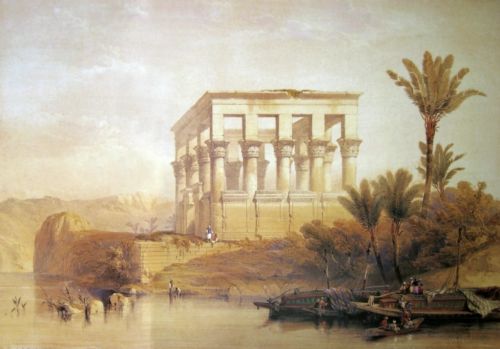
Buyers will also find historical narratives and topographical views reflecting nineteenth-century travel and literary interests.
How do I identify a nineteenth-century oil painting?
Examination of the canvas weave, stretcher frames, and the composition of the ground layer often reveals nineteenth-century origins. Older canvases typically show characteristic oxidation and craquelure in the oil paint surface.
Signatures, artist plaques, and exhibition labels on the reverse provide further clues to dating and attribution.
How should I care for an antique oil painting?
Paintings require stable indoor humidity and protection from direct sunlight to prevent the canvas from slackening and the paint layers from fading or cracking. Dusting should be undertaken gently with a soft, dry brush.
Professional conservation should be sought if cleaning or canvas tension adjustments become necessary over time.