
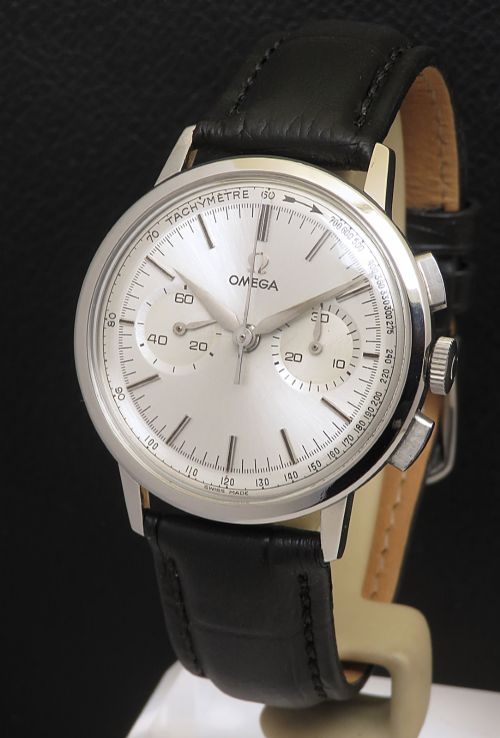
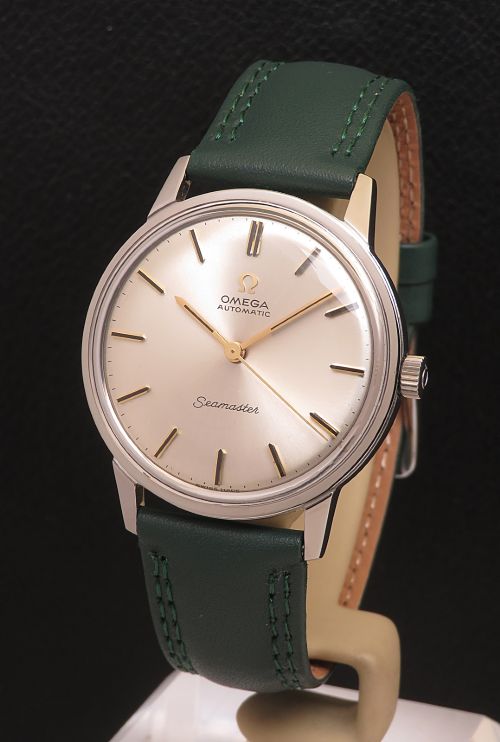
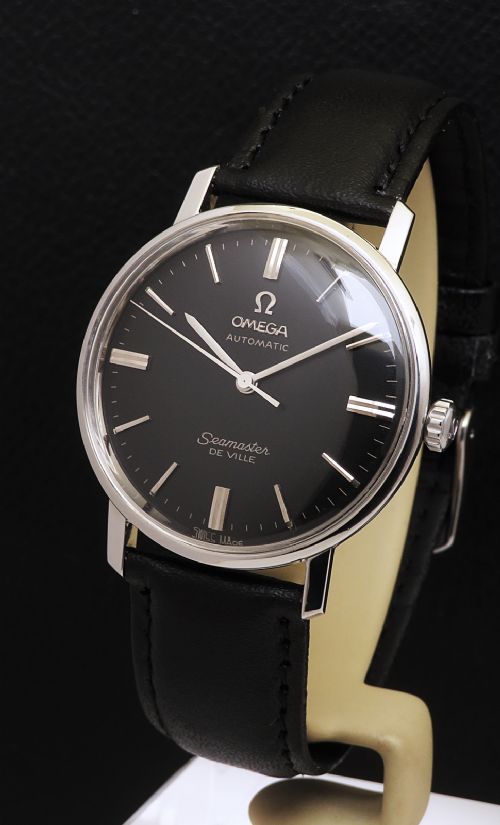
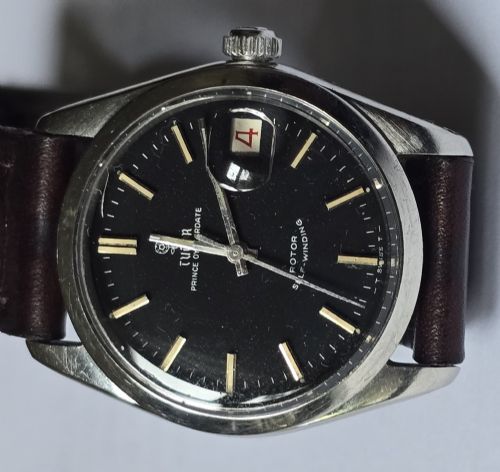
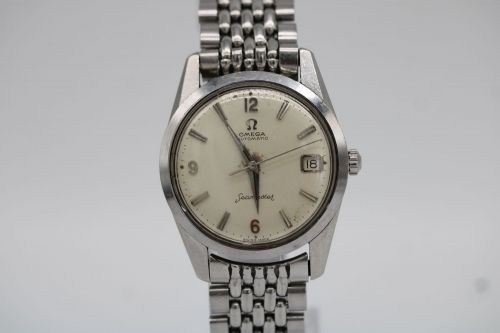
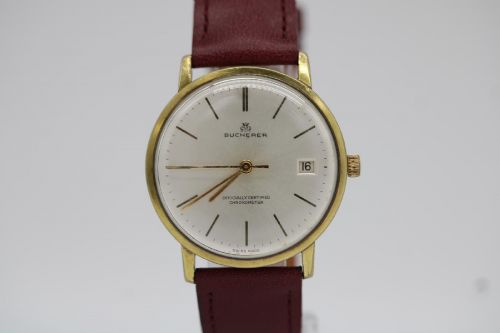
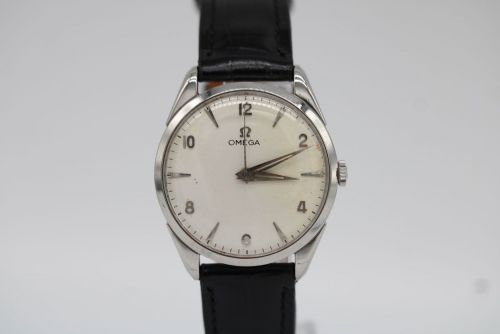
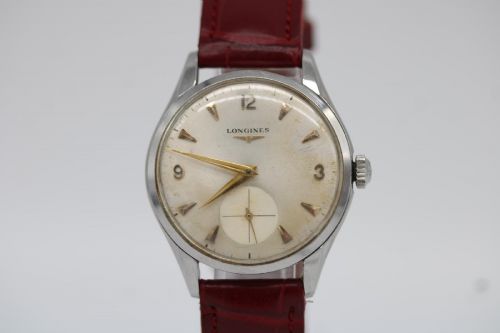
Classic Mens Watch
When you search for a classic mens watch, you enter a field defined by mechanical reliability, understated dials, and enduring twentieth-century design.
Classic Mens Watch
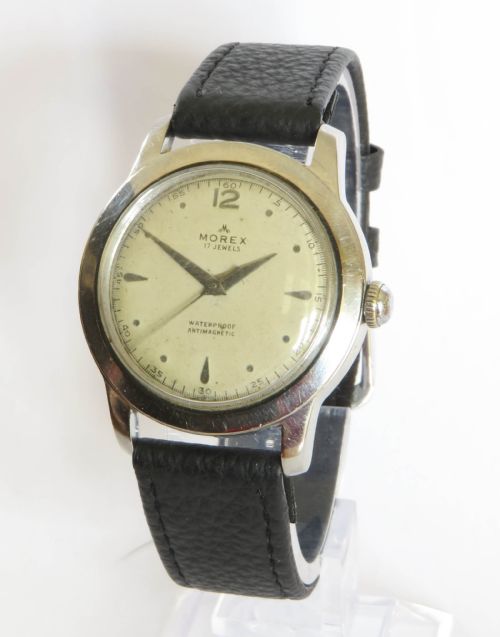
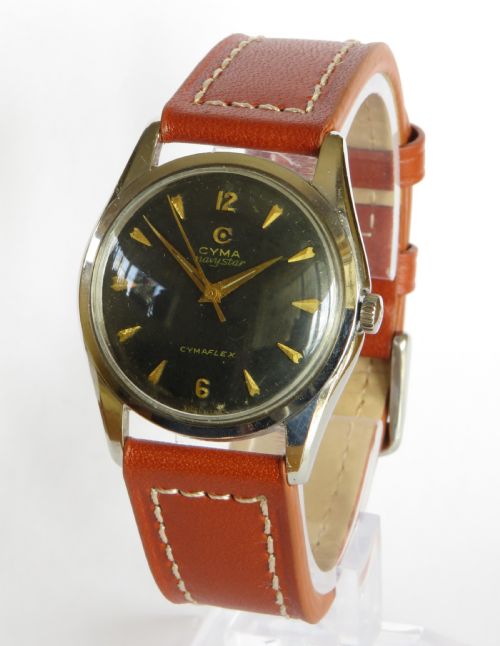
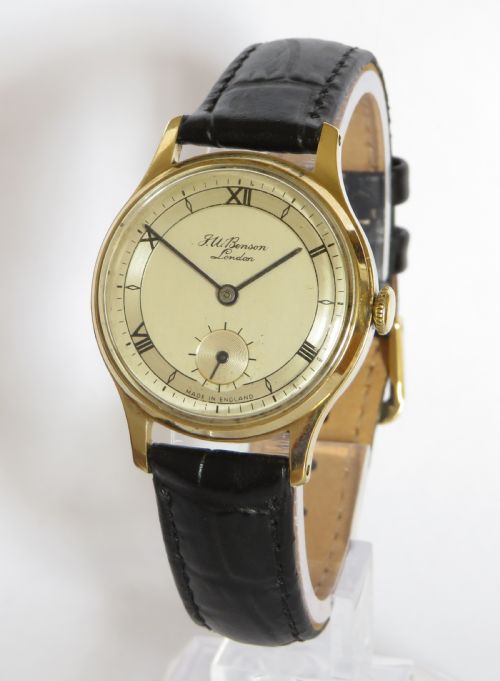
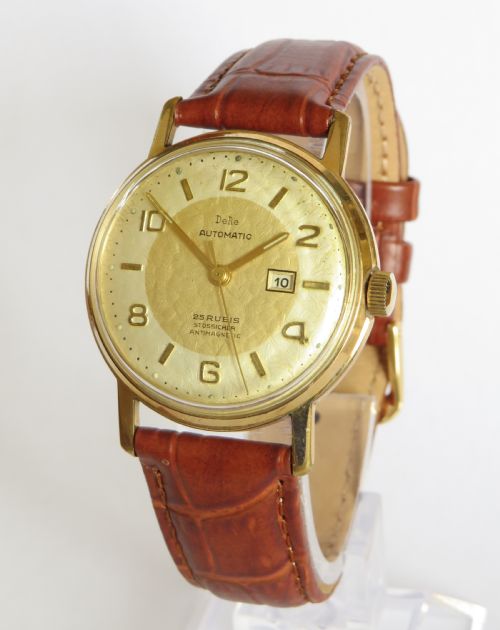
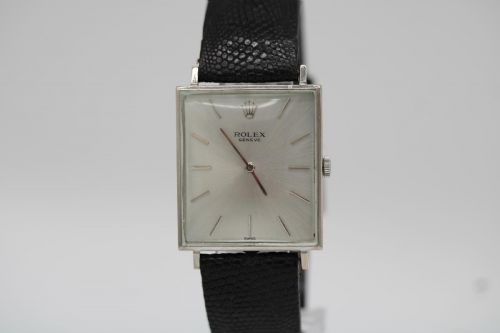
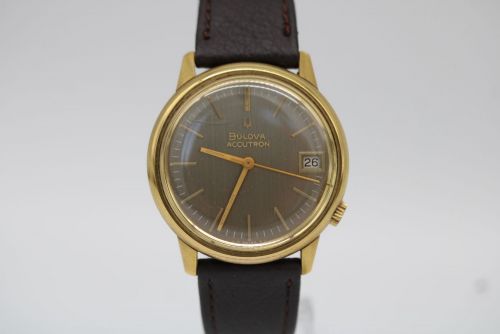
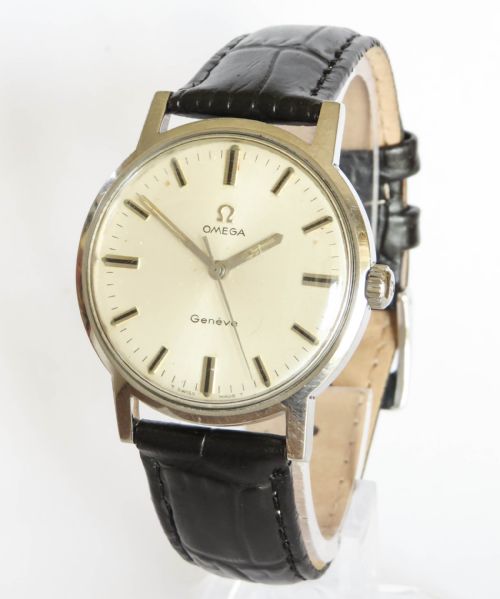
A classic mens watch brings together horological history and functional elegance, spanning decades from the early Edwardian era through the mid-century period. Buyers seeking a classic mens watch will frequently encounter mechanical timepieces originating from the 1940s, 1950s, and 1960s, a golden age for robust watchmaking.
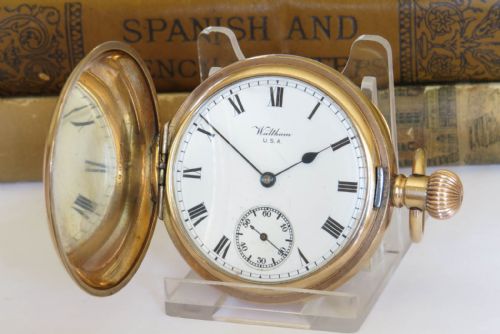
The selection on this page centres primarily on wristwatches alongside occasional pocket watches. Forms range from utilitarian manual wind pieces to sophisticated automatic chronographs and calendar models.
Origins stretch from Swiss master workshops to English makers, reflecting diverse aesthetic movements including Art Deco and mid-century modernism. Each piece captures a specific chapter in mechanical timekeeping history, designed for daily wear or collector display.
Materials and construction methods
Cases combine precious metals such as solid nine-carat gold and white gold with durable alternatives including stainless steel, chrome, and gold plating. Dials feature protective coverings of glass, acrylic, or acrylic glass, housing intricate internal movements driven by manual wind or automatic calibres.
Straps utilise traditional leather paired with secure metal buckles, while internal components rely on precision-toothed wheels, delicate springs, and jewelled bearings. These materials ensure structural longevity when properly serviced.
Classic Mens Watch Retail Price Guide 2026
Typical asking prices for classic mens watch among the pieces listed under this phrase on Sellingantiques today, from the lower quarter to the upper quarter. They describe what is for sale here now, not the wider market.
Listings feature movements spanning manual wind and automatic calibres housed within stainless steel, gold plate, and solid nine-carat gold cases.
Distinctions in grade and execution
The upper tier of these timepieces is distinguished by original, untouched dials, fully signed movements from renowned makers, and precious metal cases that retain their sharp factory edges. Lesser examples often show aggressive polishing, replacement components, or compromised dial finishes that obscure the original maker's lettering.
Precision internal engineering, such as adjusted chronograph calibres or chronometer-grade movements, separates exceptional survivorship from standard utility pieces. The presence of original signed crowns, matching period straps, and factory presentation boxes further elevates a watch's standing.
Omega·Tudor·Longines·Smiths·Cyma·Bulova·Rolex·Bucherer·Certina·Avia·Rotary·Baume·Eterna
The Classic Mens Watch Glossary
- Calibre
- The specific internal movement design and manufacturer designation of a watch. Understanding the calibre helps identify the exact mechanical lineage of the piece.
- Chronograph
- A watch equipped with a stopwatch function alongside standard timekeeping display. These complications require highly intricate gear trains and specialised pushers on the case.
- Manual wind
- A mechanical movement powered entirely by hand-winding the mainspring via the crown. These pieces lack rotor weights found in automatic equivalents.
- Automatic
- A self-winding mechanical movement that utilises a weighted rotor to tension the mainspring using natural wrist motion. This innovation defined mid-century convenience.
- Full hunter
- A pocket watch featuring a protective metal spring-loaded cover over the glass dial face. The lid springs open via a crown-mounted pusher.
Classic Mens Watch: Frequently Asked Questions
How do I wind a manual watch?
Turn the crown clockwise between your thumb and forefinger until gentle resistance indicates the mainspring is fully tensioned. Stop immediately upon feeling this resistance to avoid damaging the internal components.
Wind the watch at approximately the same time each day to maintain consistent tension and accurate timekeeping throughout wear.
Can I wear my vintage watch daily?
Many of these timepieces were built for daily service and handle regular wear well, provided they receive periodic professional maintenance and lubrication. Respecting their age ensures long-term mechanical reliability.
Avoid exposing older pieces to moisture, magnetic fields, or heavy impact during physical tasks to preserve their delicate internal mechanisms.
What is an automatic movement?
An automatic movement harnesses the kinetic energy of natural arm movements to continuously wind the mainspring via an internal oscillating weight. This removes the need for daily manual winding.
When left off the wrist for extended periods, the reserve power depletes and the watch stops until reset and worn again.
How do I identify the production era?
Examine the movement serial numbers, case back stamps, and stylistic design cues such as dial typography and lug shapes. These elements align closely with specific manufacturing decades.
Comparing movement calibres against historical manufacturer records provides the most accurate dating for mid-century and antique timepieces.