


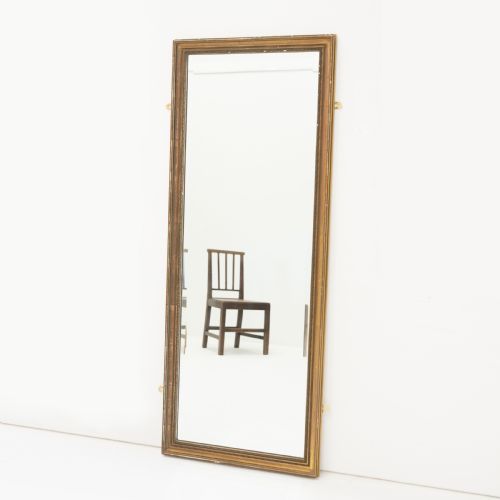


Classic Gilded Mirror
A classic gilded mirror brings a brilliant reflective focus and traditional warmth to a room through centuries-old craftsmanship.
Classic Gilded Mirror
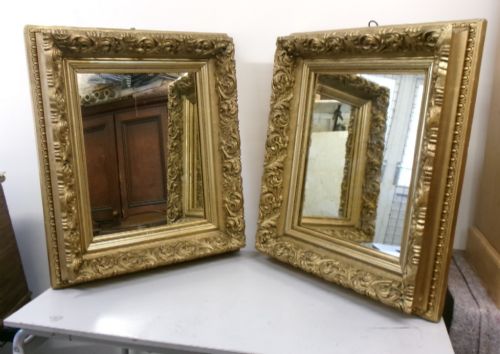
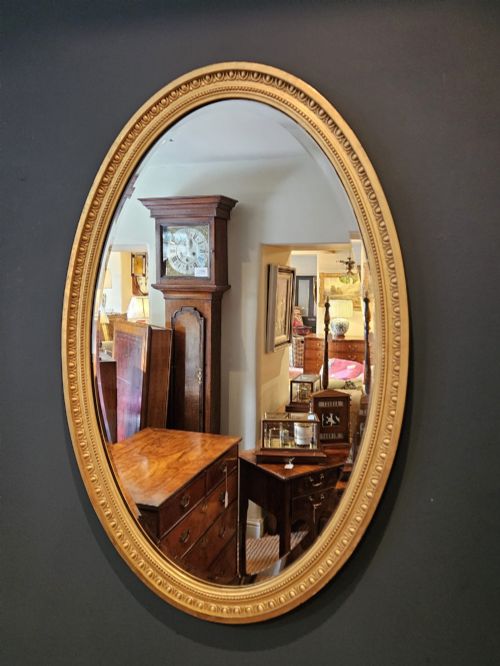
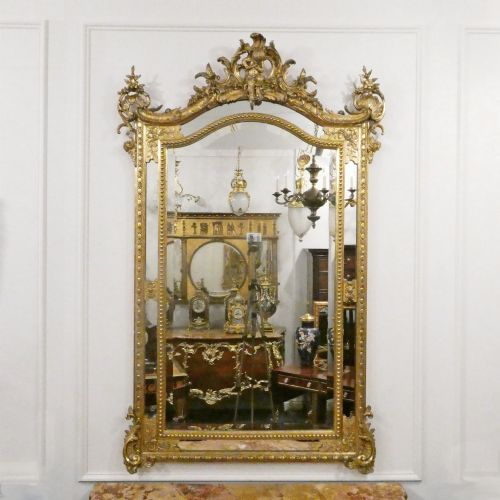
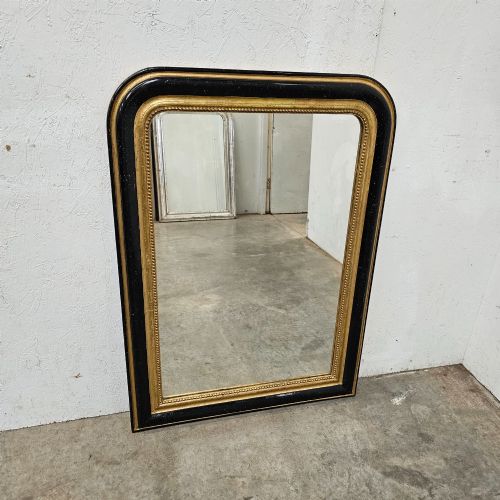
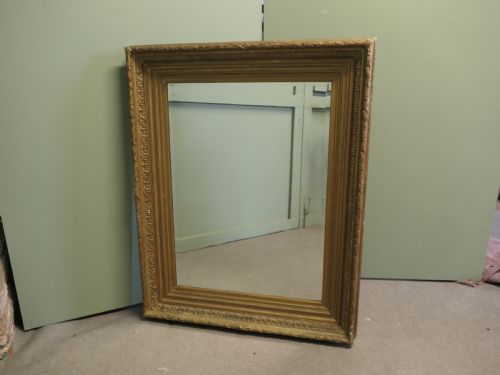
A classic gilded mirror serves as a primary decorative anchor for an interior space, drawing the eye with its reflective glass and metallic frame. When searching for a classic gilded mirror, buyers encounter a diverse selection of wall-hanging pieces, grand overmantels, and pier glasses designed to expand light in a room. These objects emerge from various periods, predominantly featuring nineteenth-century Victorian and Edwardian examples alongside French and English regional variants.
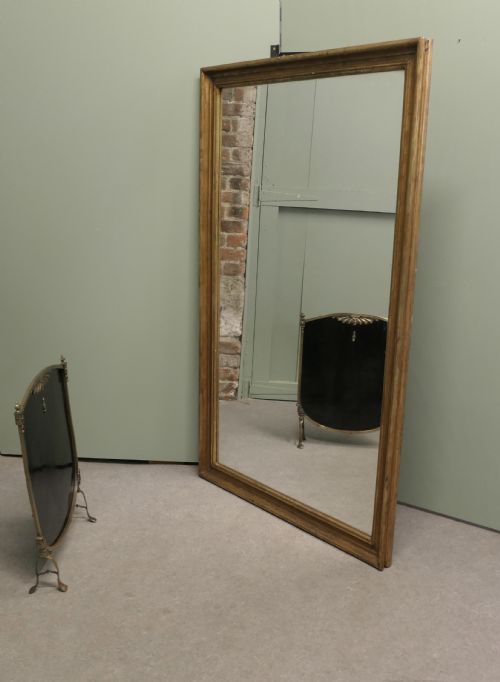
The most common formats on this page are substantial overmantel mirrors and tall rectangular wall mirrors designed to hang above fireplaces or console tables. Many pieces display classical stylistic influences such as Louis XVI, Regency, and neoclassical motifs carved into the wood or moulded in low relief. Oval shapes and ripple frames also appear frequently, offering alternative silhouettes suited to both period properties and contemporary rooms.
Materials and construction methods
Makers constructed the foundation of a classic gilded mirror using timber such as carvable wood, upon which they applied layers of gesso to build up intricate decorative details. Gesso provided a smooth, absorbent surface capable of holding sharp relief work before the application of gold leaf, gilt, or composition mouldings. Artisans then burnished the metallic surface to achieve varying degrees of lustre.
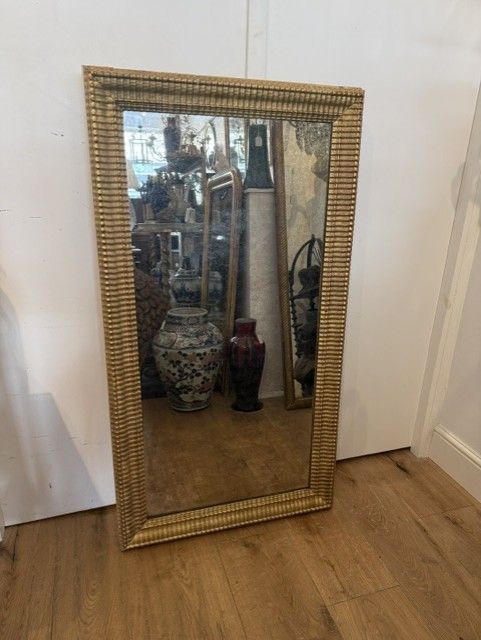
The glass panels themselves were typically set into the rebated frame behind protective backboards, often exhibiting the gentle foxing and age spots associated with antique mercury or silvered surfaces. Frames ranged from heavy carved wood structures to composite mouldings, securing the mirror glass while supporting the substantial weight of the hanging hardware.
Foxed mirror glass acts as an indoor constellation, turning every passing shadow into a gentle, centuries-old shimmer.
Evaluating quality and craftsmanship
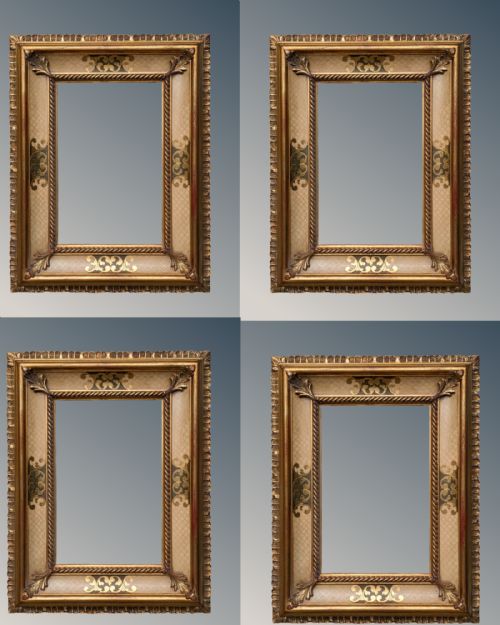
The distinction between standard examples and the finest pieces lies in the depth and crispness of the carved or moulded ornamentation on the frame. Superior items exhibit hand-carved wooden details and precise application of gold leaf, whereas lesser pieces rely on simpler composition mouldings that can become brittle with age.
Structural integrity also separates the categories, with high-quality mirrors retaining sturdy original joinery and heavy framing that prevents warping over time. The clarity and preservation of the original mirror glass further dictate the tier of the piece, alongside the harmony of the overall proportions.
The Classic Gilded Mirror Glossary
- Giltwood
- Wood that has been coated with gold leaf or a gold-coloured substance. This material forms the primary structure of many traditional frames.
- Gesso
- A plaster-like mixture applied to a wooden frame to create a smooth surface for gilding and low-relief moulding. It allows for intricate decorative detailing.
- Overmantel mirror
- A large mirror specifically designed to hang on the wall above a fireplace mantelpiece. These pieces often feature wide horizontal proportions.
- Pier glass
- A tall, narrow mirror historically hung on the pier or wall space between two windows. They frequently incorporate classical architectural motifs.
- Composition
- A moulded material made from whiting, resin, glue, and linseed oil pressed into decorative shapes. Makers used it as a cost-effective alternative to hand carving.
Classic Gilded Mirror: Frequently Asked Questions
Where should I hang an overmantel mirror?
An overmantel mirror traditionally sits directly above a fireplace mantelpiece to reflect light and anchor the vertical space in a reception room.
Ensure the wall fixings match the considerable weight of the wooden frame and plaster construction.
How do I clean an antique gilt frame?
Dust the frame gently with a very soft, dry brush to remove surface particles without disturbing the delicate gold leaf or composition surface.
Avoid using liquid cleaners, moisture, or chemical solvents, which can strip the historical gilding from the wood underneath.
Can these mirrors be hung horizontally as well as vertically?
Most wall mirrors are constructed with specific hanging orientations intended by the original maker to support the weight distribution safely.
Altering the hanging direction requires professional assessment of the frame's internal bracing and the security of the original fixings.