


Classic Gents Wristwatch
A classic gents wristwatch carries the straightforward design and mechanical honesty of decades past, offering a reliable daily piece for the wrist.
Classic Gents Wristwatch
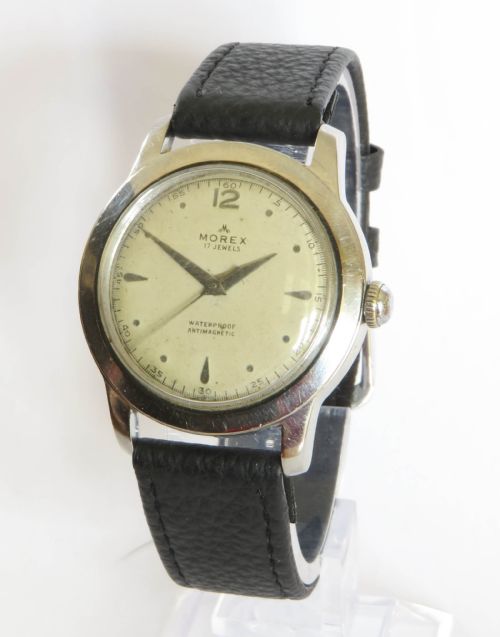
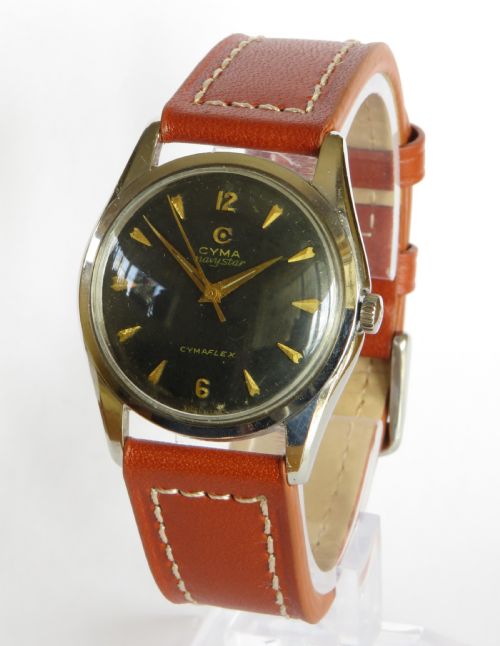
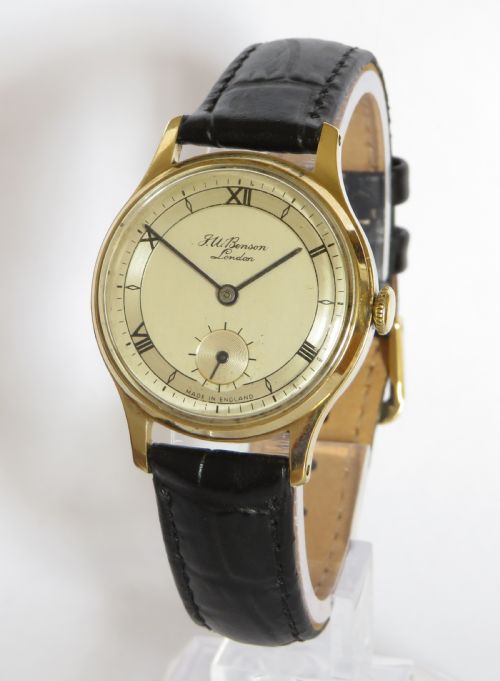
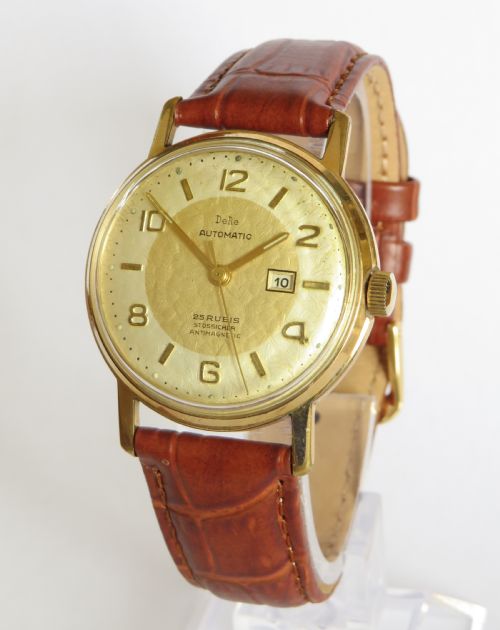
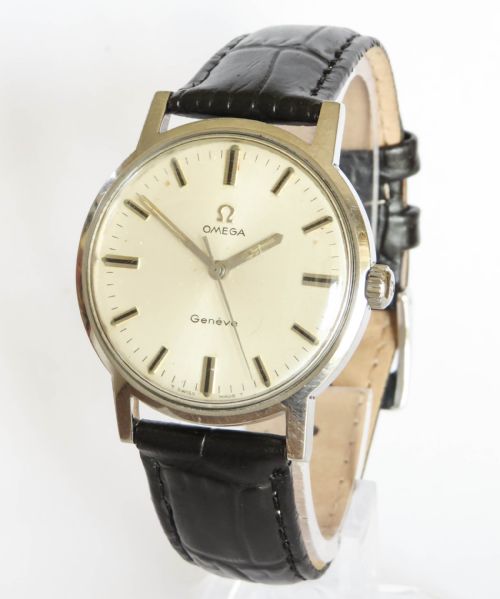
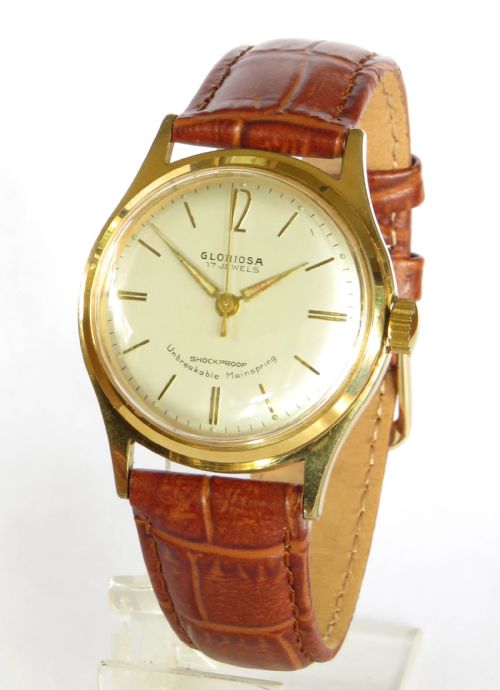
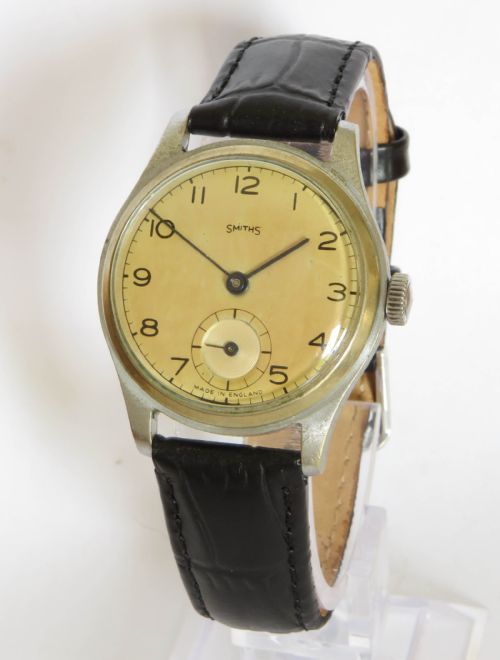
A classic gents wristwatch encompasses mechanical and automatic timepieces produced primarily across the 1930s, 1940s, 1950s, and 1960s. These items range from sturdy British-made models to precision Swiss pieces and occasional French designs from the Art Deco period.
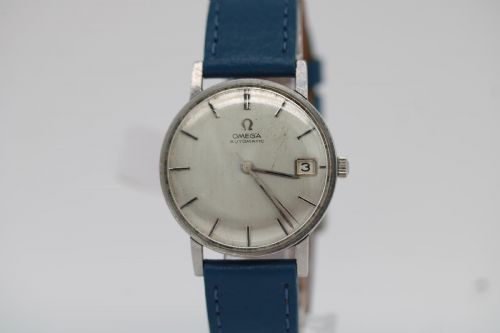
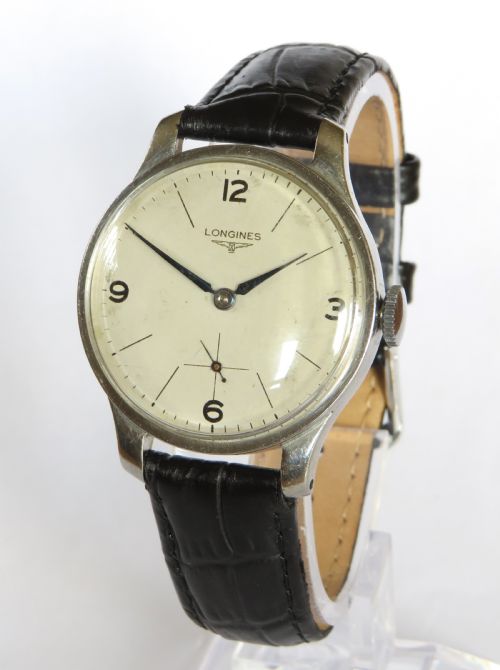
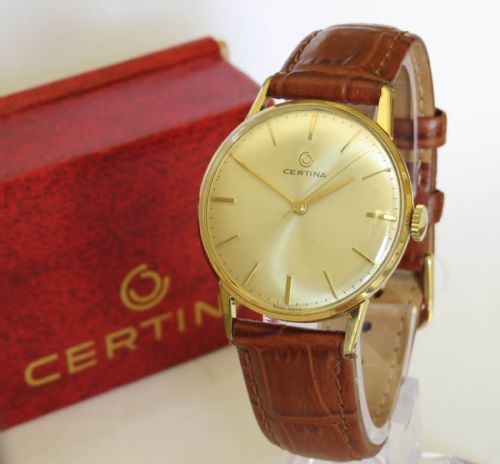
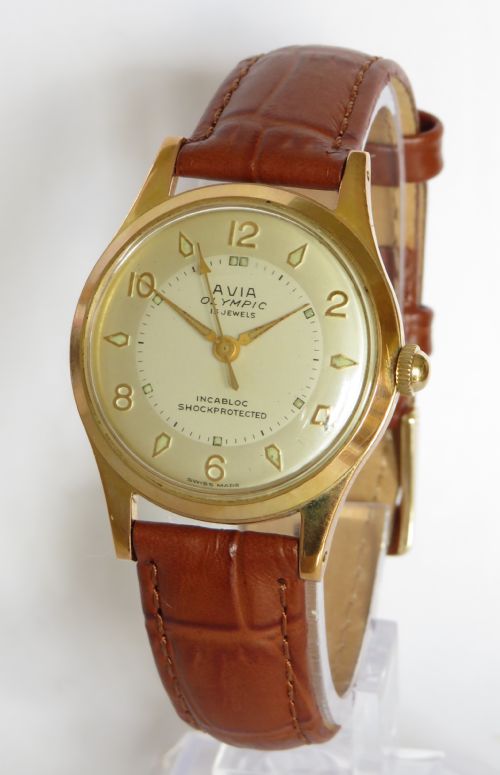
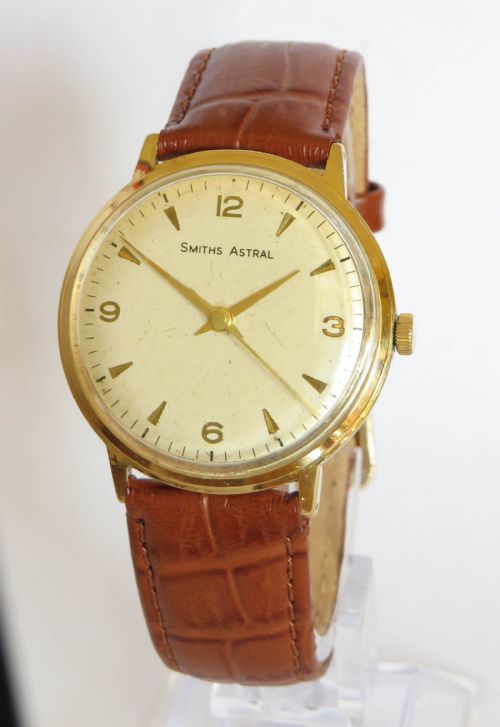
The version most likely to be met on this page is a mid-century piece from the 1950s or 1960s, often featuring a circular dial housed in stainless steel, gold plate, or chrome. Makers such as Omega, Smiths, and Longines frequently appear among these selections.
Forms span simple manual winders to automatic movements, housed in cases that reflect styles from Mid-Century Modern to Art Deco and 1940s vintage. These wristwatches suit everyday wear or collection, maintaining the proportions and materials typical of their original decades.
How they were made
Cases utilise metals such as stainless steel, chrome, and gold plate, paired with glass or acrylic crystals over the dial. Leather straps provide the standard wrist attachment, supporting the metal or plated housing.
Movements rely on mechanical gears and springs, driven either by manual winding or automatic self-winding systems like the Omega Calibre or Eterna-Matic. Skilled watchmakers assembled these internal components with ruby jewels to reduce friction in the gear train.
Listings feature periods spanning from the 1930s to the 1970s, with a strong concentration of pieces from the 1950s and 1960s.
What varies in quality
The grade of a timepiece often rests on the sophistication of its internal movement, ranging from standard commercial calibres to high-precision automatic mechanisms produced by established Swiss and British houses. Superior examples feature specialised adjustments and higher jewel counts that improve timekeeping stability.
Material choice and finishing also define the tier of a watch, distinguishing basic chrome-plated brass cases from solid stainless steel or gold housings. The preservation of original dial printing and unpolished case contours separates standard survivors from higher-grade collector examples.
Morex by Montilier·Cyma Navystar·Smiths·Omega·Longines·Certina·Avia·Rotary·Baume Bimatic·Ensign·Lanco Sport·Eterna-Matic·Marvin·Prisma·Girard Perregaux·Garrard·Tudor Oyster
The Classic Gents Wristwatch Glossary
- Automatic
- A self-winding mechanical movement that uses a weighted rotor to wind the mainspring through the natural motion of the wearer's arm. This removes the need for daily manual winding.
- Calibre
- The specific manufacturer's designation for a particular watch movement model. It helps identify the internal design and specifications of the mechanism.
- Acrylic
- A lightweight synthetic plastic material used for watch crystals before the widespread adoption of synthetic sapphire. It offers flexibility and can be polished if scratched.
- Jewels
- Synthetic rubies or sapphires placed at pivot points within a mechanical movement to reduce friction and wear. Higher jewel counts generally indicate a more complex mechanism.
Classic Gents Wristwatch: Frequently Asked Questions
How do I wind a manual vintage watch?
Turn the crown gently between your thumb and forefinger in a forward direction until you feel firm resistance. Stop immediately at that point to avoid damaging the mainspring.
Most manual watches require winding once a day, ideally at the same time each morning. Keep your fingers clean and dry to maintain a secure grip on the winding crown.
Can I wear my vintage watch daily?
These pieces were built for daily use in their original eras and continue to function well for regular wear. Proper care and sensible handling ensure they perform reliably.
Keep older watches away from water and strong magnetic fields, as vintage sealing and shielding standards differ from modern equivalents.
How do I know the decade of a watch?
Stylistic cues such as dial typography, hand shapes, and case geometry often indicate the period of manufacture. Mid-century pieces display clean lines, while 1930s and 1940s examples show distinct Art Deco or wartime utilitarian traits.
Movement serial numbers, when available, provide a more precise reference point by linking production batches to specific years.
What is the difference between manual and automatic?
A manual watch requires the wearer to turn the crown by hand to tension the mainspring and store energy. This process must be repeated daily for continuous operation.
An automatic watch winds itself utilising an internal weighted rotor that moves as the wearer's wrist moves throughout the day. It maintains power as long as it is worn regularly.