
1950s Mechanical Wristwatch
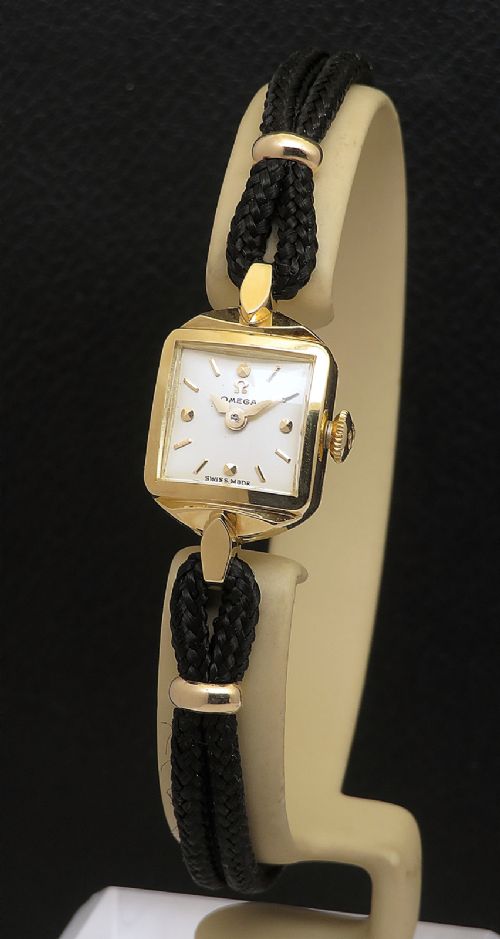
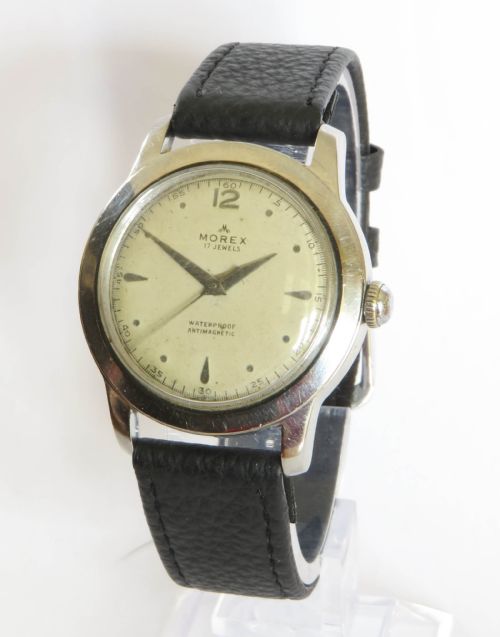
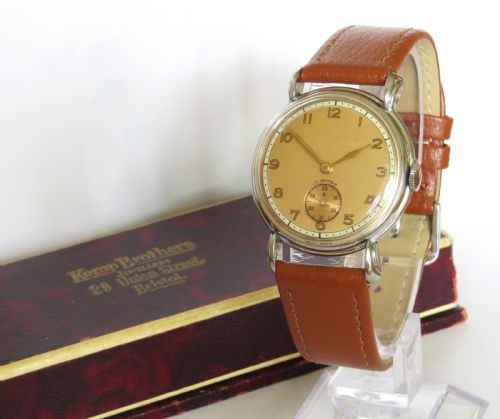
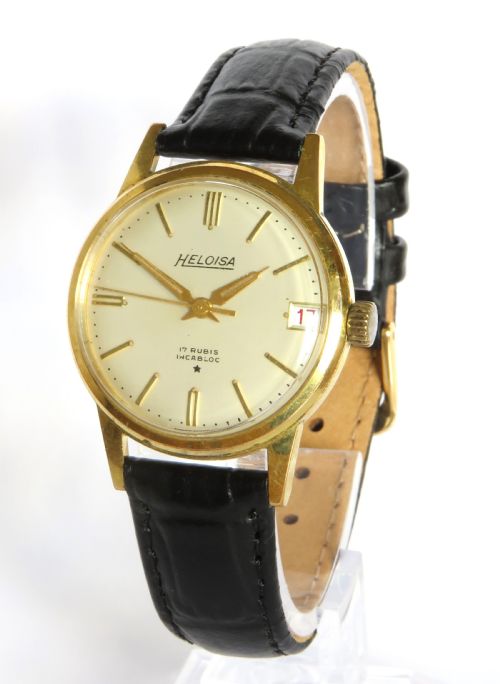
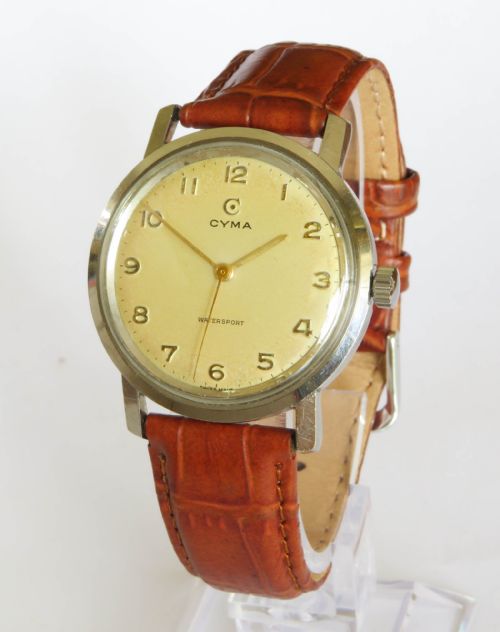
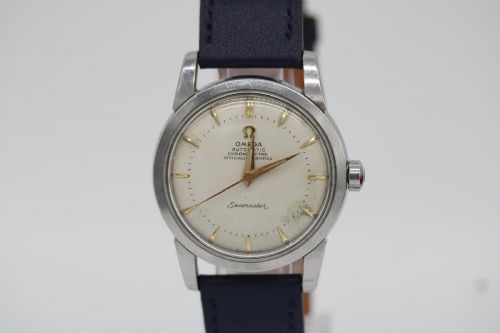
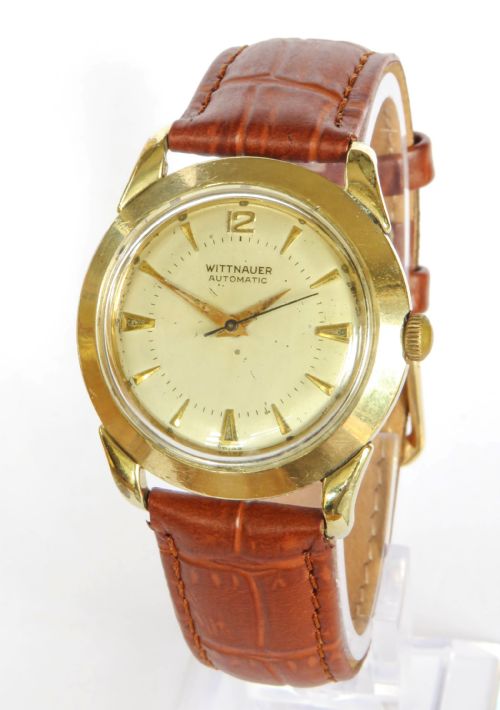
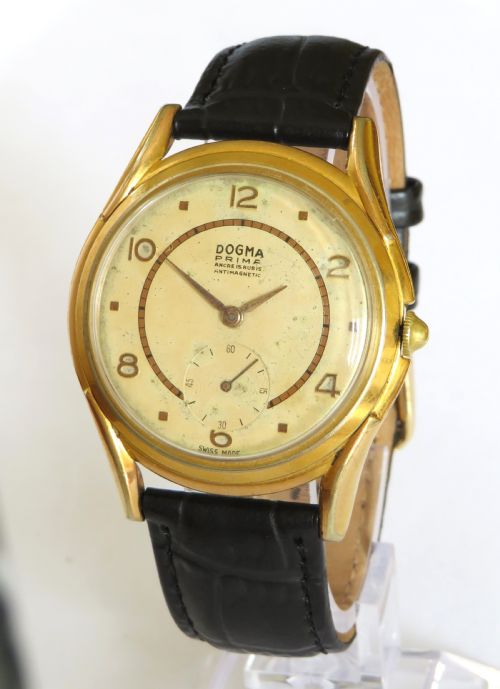
These 1950s mechanical wristwatches offer reliable manual and automatic timekeeping housed in classic mid-century designs.
1950s Mechanical Wristwatch
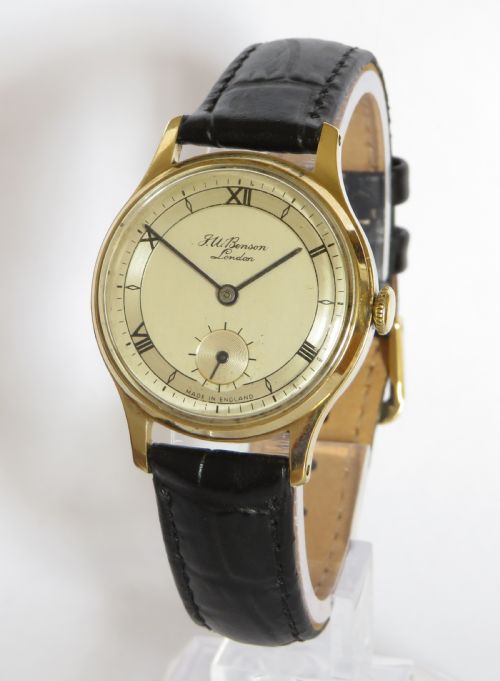
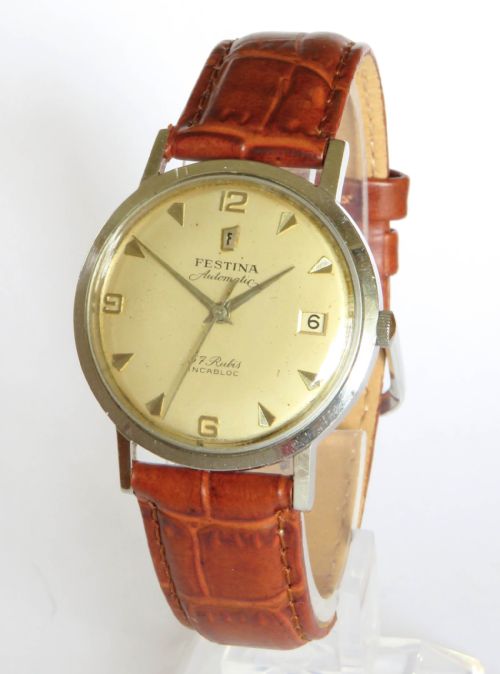
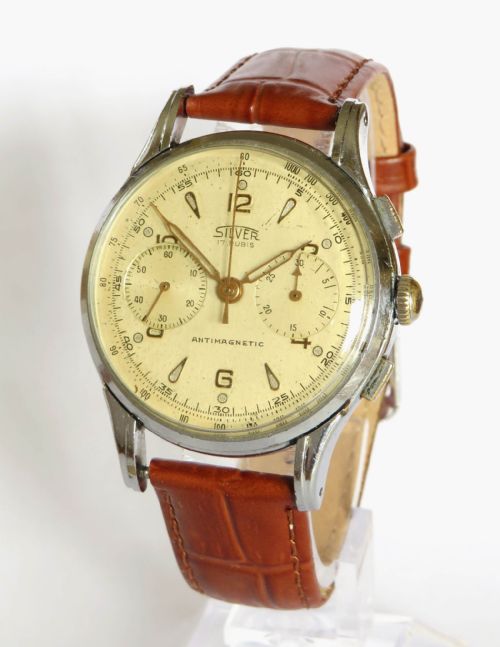
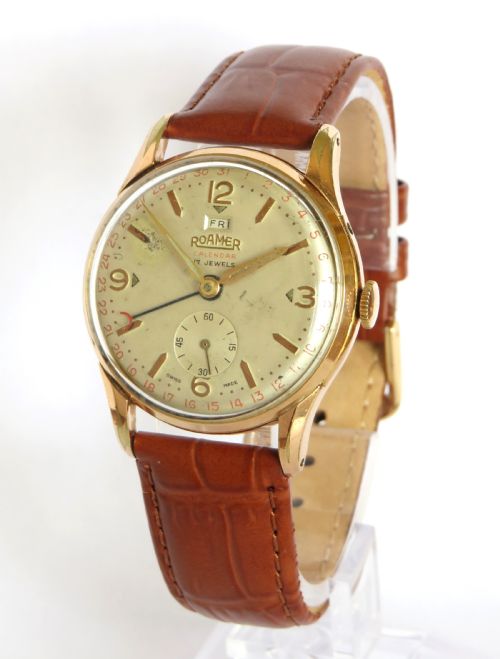
A 1950s mechanical wristwatch is a portable timepiece powered by a mainspring and gear train rather than a battery, originating primarily from Swiss and British workshops. Buyers encounter gent's watches alongside ladies' cocktail watches, spanning everyday designs to specialised chronographs and calendar models.
The selection on this page reflects mid-century horology, encompassing styles from Mid-Century Modern and Mid-Century British to Art Deco influences. Pieces frequently originate from the 1950s, with occasional examples extending into the adjacent decades of the 1940s and 1960s.
Materials and construction
Cases are formed from durable metals including stainless steel, gold plate, and solid 9ct or 18ct gold, paired with fitted leather straps. Dials are protected by acrylic glass or standard glass covers, preserving intricate details such as honeycomb patterns and black or cream linen finishes.
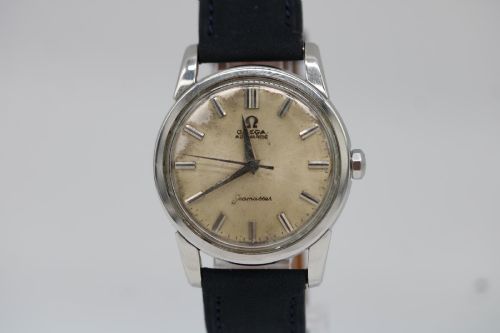
Movements rely on mechanical ingenuity, utilising manual wind systems or automatic mechanisms like the Omega Calibre and Swiss movements. Specialised components such as shock resistance and chronometer certifications ensure structural precision and functional longevity.
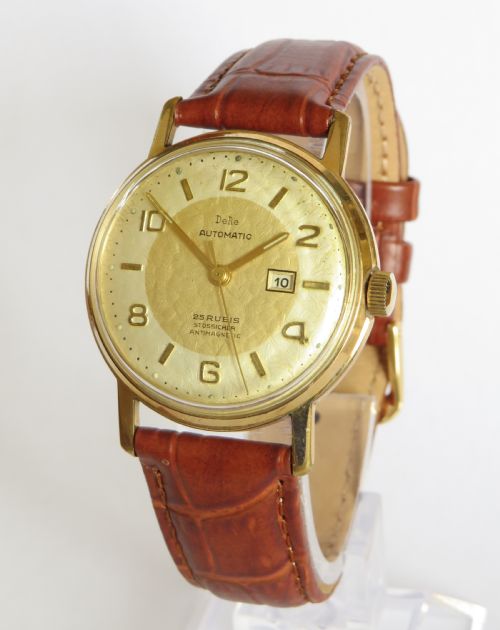
Some dials feature a delicate honeycomb texture that catches the light whenever you check the hour.
Assessing quality and preservation
Quality separates pieces through the originality of components, distinguishing fully restored or all-original examples with matching dials and original sale papers from those with replaced parts. The choice of case metal, ranging from basic metal and gold plate to solid 9ct and 18ct gold, significantly elevates a watch's standing.
The precision and reputation of the movement maker dictate the upper tier of the range, with established Swiss and British houses commanding attention. Furthermore, the presence of original packaging, such as fitted boxes, adds tangible context to the preservation of the piece.
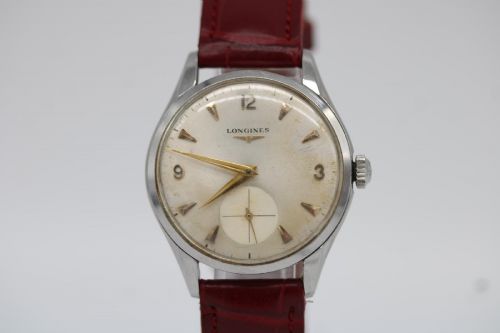
Omega·Smiths·Longines·Rolex·Roamer
The 1950s Mechanical Wristwatch Glossary
- Automatic
- A self-winding mechanical movement that uses a weighted rotor to wind the mainspring through natural wrist movement.
- Chronograph
- A watch equipped with a stopwatch function alongside the standard time-of-day indication.
- Manual Wind
- A mechanical movement that requires the wearer to manually turn the crown to tension the mainspring.
- Calibre
- The specific internal movement design and model designation created by the watch manufacturer.
- Acrylic Glass
- A lightweight, shatter-resistant plastic material utilised for crystal watch faces during the mid-century period.
1950s Mechanical Wristwatch: Frequently Asked Questions
How do I wind a manual 1950s watch?
Gently rotate the crown clockwise between your thumb and forefinger until you feel gentle resistance, stopping immediately to avoid over-winding.
Performing this action at a consistent time each day helps maintain steady tension on the mainspring for accurate timekeeping.
Can I wear a vintage watch daily?
Many models are built for regular daily wear, provided you handle them with care and avoid exposing them to heavy impacts.
Because these pieces predate modern waterproofing standards, keeping them away from water and moisture is essential for preservation.
What is the difference between manual and automatic?
Manual wind watches require regular hand-winding via the crown to store energy, whereas automatic watches wind themselves using an internal oscillating weight as you move.
Both systems rely purely on mechanical gears and springs rather than electronic power.
How do I identify the period of my watch?
Examination of the internal movement, case reference numbers, and stylistic cues like dial typography often points toward a specific decade of manufacture.
Original sale papers or maker archives provide definitive documentation when available.