
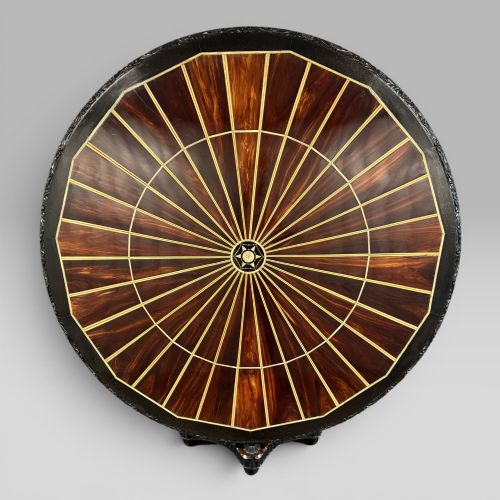
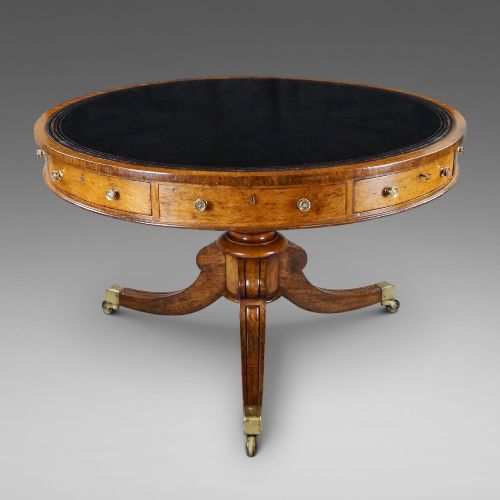
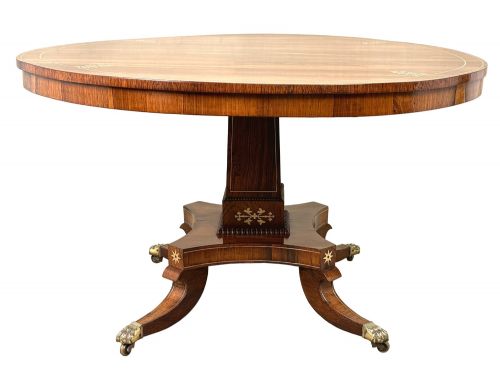
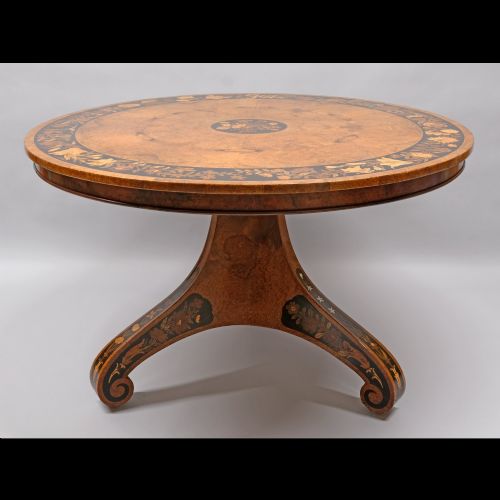

Circular Inlay Table
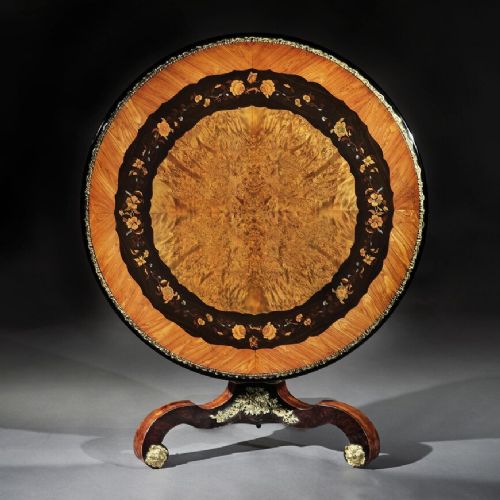
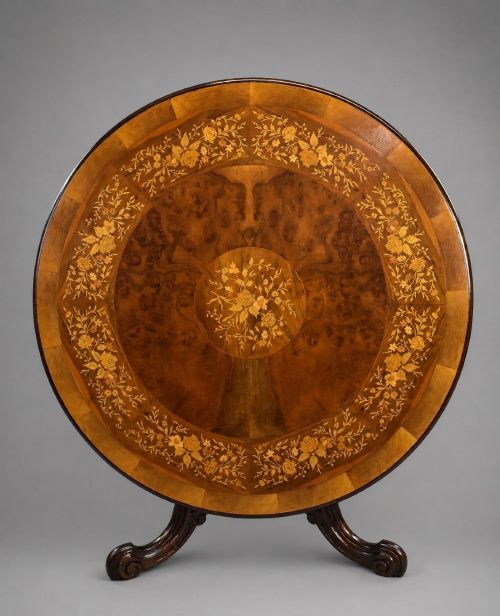
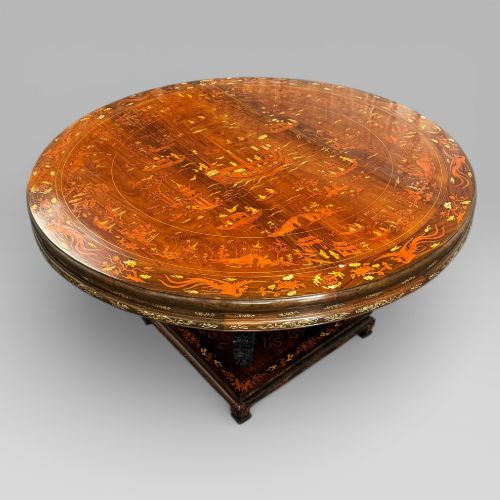
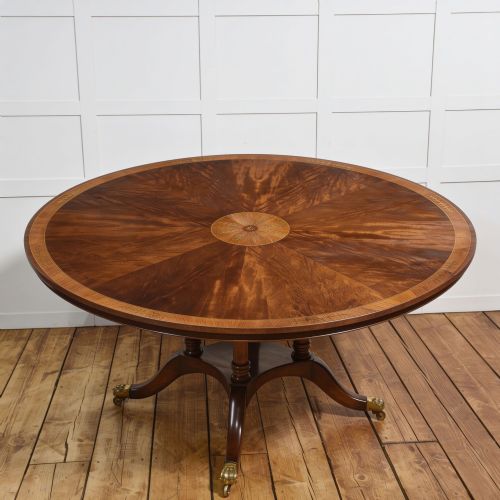
A circular inlay table brings pattern and presence to a room, offering surface space through woods and metalwork.
Circular Inlay Table
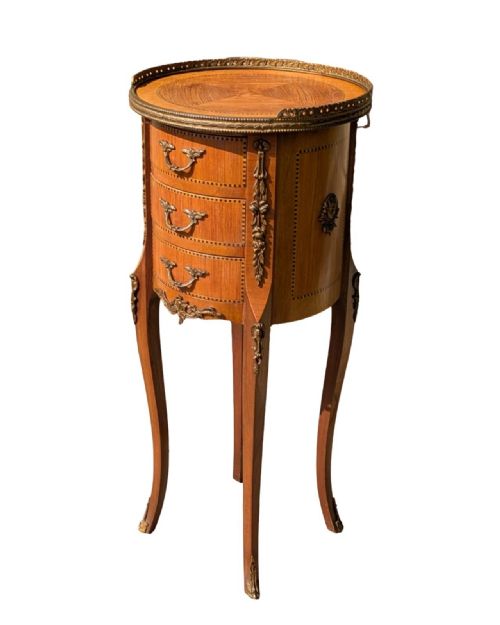
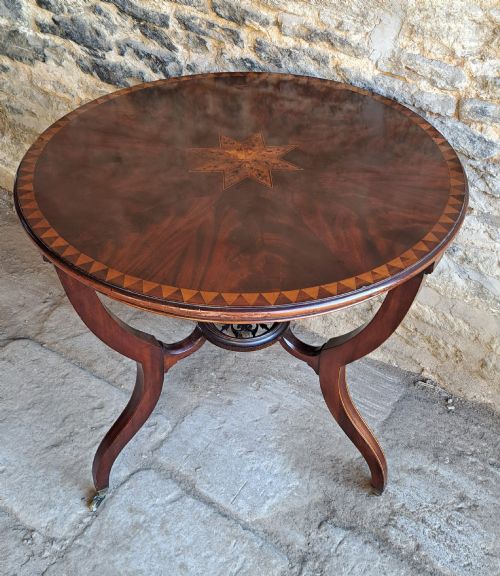
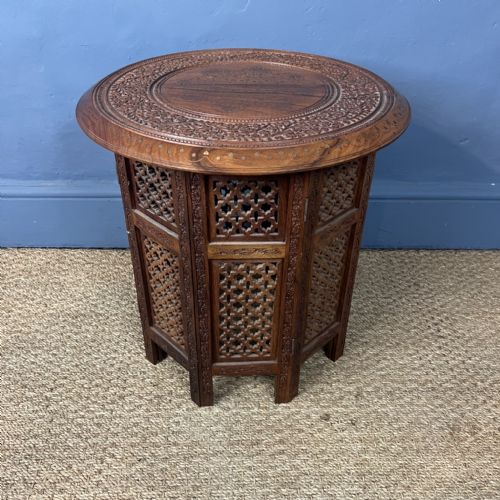
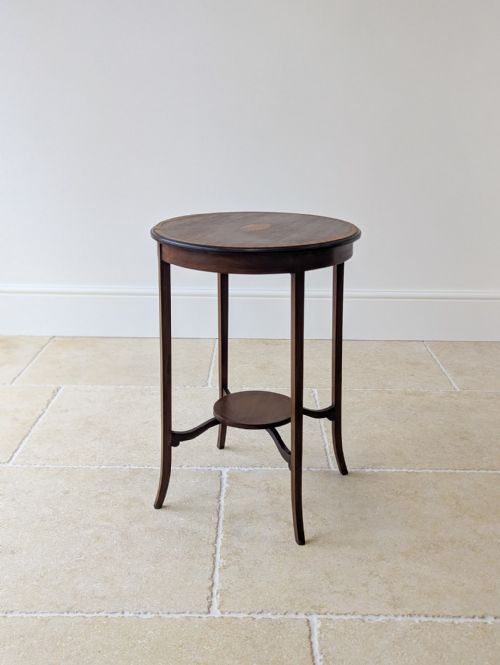
A circular inlay table spans forms from centre and occasional tables to bedside cabinets and plant stands, originating across periods such as the Georgian, Regency, Victorian, and Edwardian eras. Buyers encounter pieces configured for display, dining, card games, or library use, constructed in round formats that anchor a space.
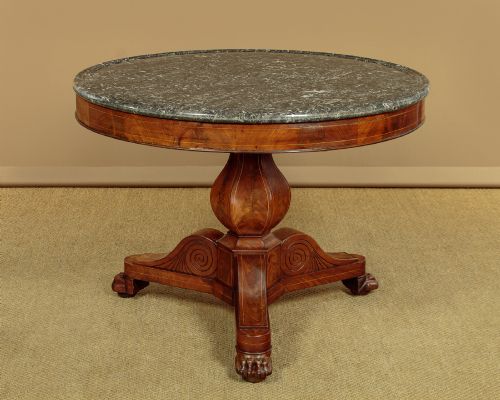
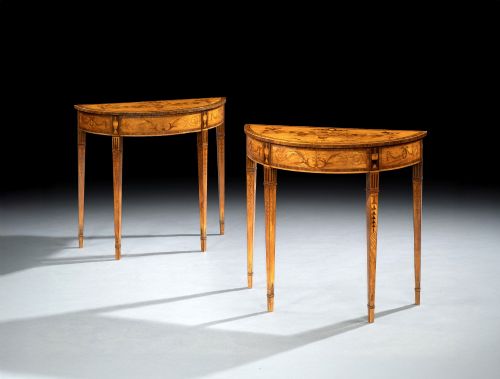
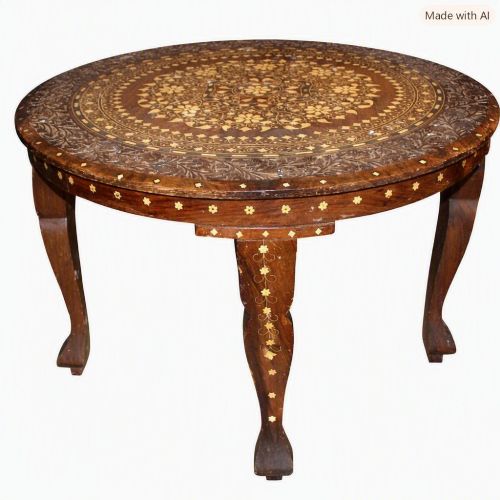
The materials and decoration visible on this page range from mahogany, walnut, rosewood, and satinwood to brass, bone, and mother of pearl inlay. These components combine to form occasional and centre tables designed to stand either centrally in a room or against a wall as side and console tables.
How they were made
Cabinet makers utilised dense hardwoods like mahogany, rosewood, walnut, and ebony as foundations for intricate surface decoration. These timbers provided stable bases for tops featuring crossbanding and marquetry.
Inlay techniques incorporated contrasting materials such as satinwood, boxwood, brass, bone, and mother of pearl set into the timber surface to form geometric or floral motifs. Specimen marbles also appeared inset into stone and wooden tops.
Listings feature woods including mahogany, walnut, rosewood, satinwood, burr walnut, ebony, calamander, birch, and teak.
What varies in quality
Quality rests in the precision of the timber selection, such as burr walnut, flame mahogany, or calamander, and the execution of the marquetry or metal inlay. Finer examples display tight grain alignment and seamless integration of contrasting elements into the wooden ground.
The sophistication of the turning on pedestals, the crispness of bone or brass work, and the stability of tripod and pillar structures distinguish standard utilitarian pieces from workshop productions attributed to notable makers.
Edward Holmes Baldock·Edwards and Roberts·Liberty and Co
The Circular Inlay Table Glossary
- Marquetry inlay
- Decorative patterns formed by fitting pieces of veneer into a prepared wooden ground. This technique allows intricate floral or pictorial designs across tabletops.
- Crossbanding
- A border of veneer laid around the edge of a tabletop with the grain running perpendicular to the centre. It frames the main surface timber.
- Centre table
- A freestanding piece finished on all sides, designed to stand in the middle of a room. These often feature circular tops supported by a central pillar or tripod base.
- Specimen marble
- A tabletop composed of various coloured marbles arranged in geometric patterns or pictorial panels. Italian workshops frequently produced these tops for nineteenth century tables.
- Gueridon
- A small French occasional table, often round and supported by a single pillar or legs. They frequently feature marble tops and inlaid wooden veneers.
Circular Inlay Table: Frequently Asked Questions
Where should I place a circular inlay table?
These tables suit placement in the middle of a reception room as a centrepiece, or positioned beside seating as an occasional table.
Smaller formats work effectively as lamp tables or bedside cabinets, while larger variations serve dining or library functions.
How do I care for inlaid wooden surfaces?
Maintain the timber and veneer by avoiding direct sunlight and excessive heat, which can cause wood to dry and split.
Apply suitable wax polish sparingly and buff gently with a soft cloth to protect the grain and metal or bone inlays.
What is the difference between a centre table and an occasional table?
Centre tables are traditionally larger, freestanding pieces finished on all sides to occupy the middle of a room.
Occasional tables are lighter, more portable items moved around a space as needed for drinks, lamps, or display.
How can I identify the period of a table?
Dating relies on observing the combination of primary timbers, inlay materials, and structural engineering beneath the top.
Georgian and Regency pieces typically show different veneer thicknesses and leg turns compared to later Victorian or Edwardian productions.