
Circa 1900 Wool Rug
A circa 1900 wool rug brings authentic tribal geometry, hand-knotted pile and rich vegetable dyes directly into domestic spaces.
Circa 1900 Wool Rug
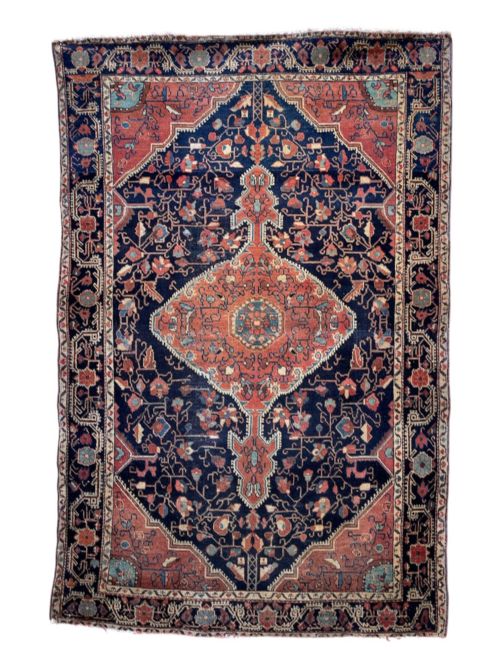
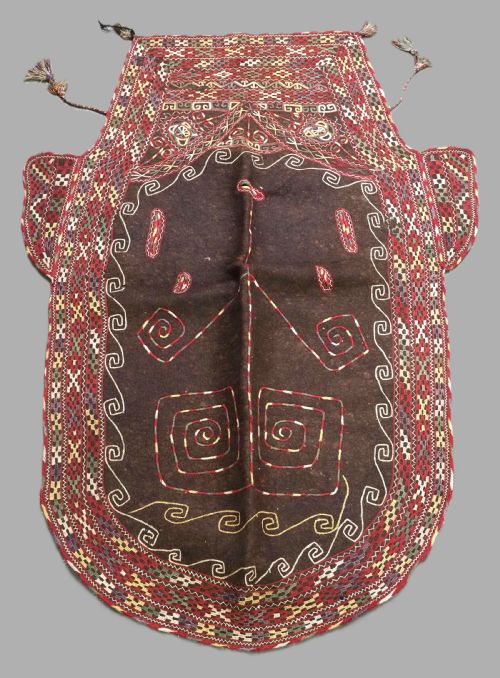
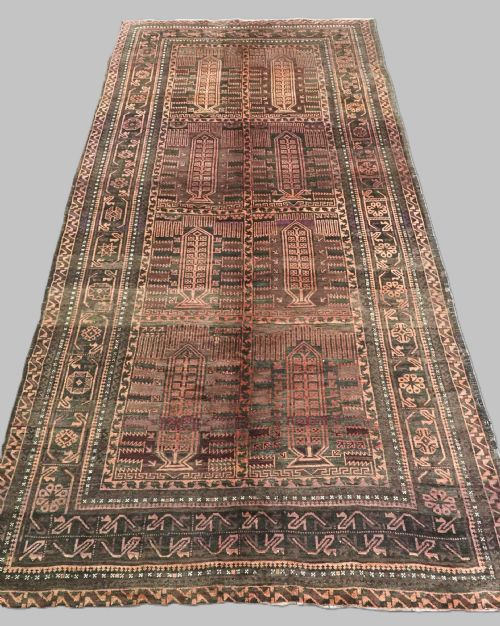
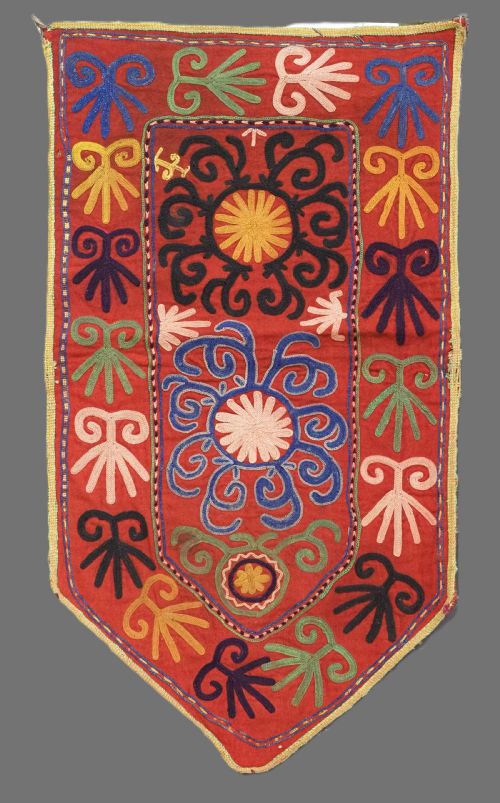
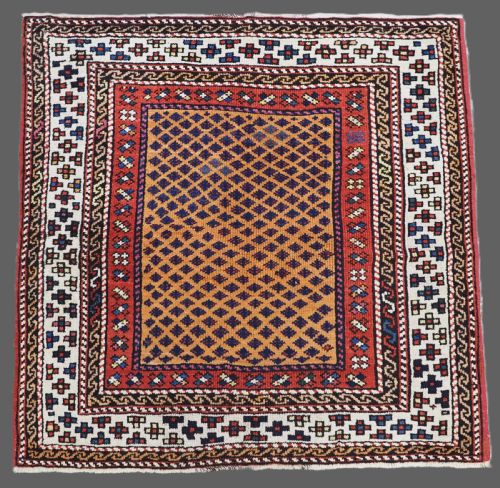
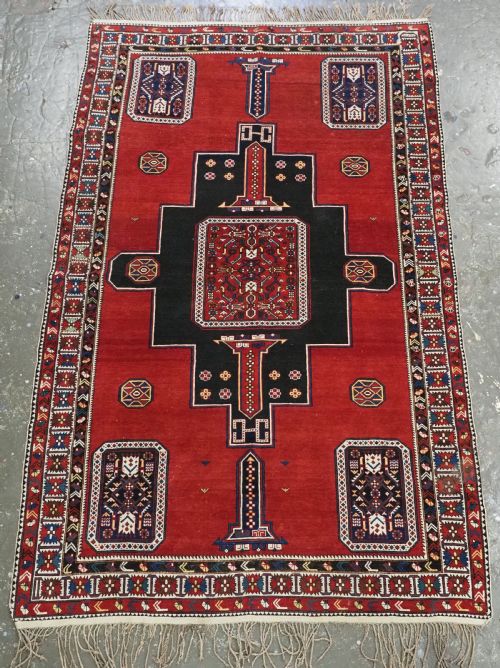
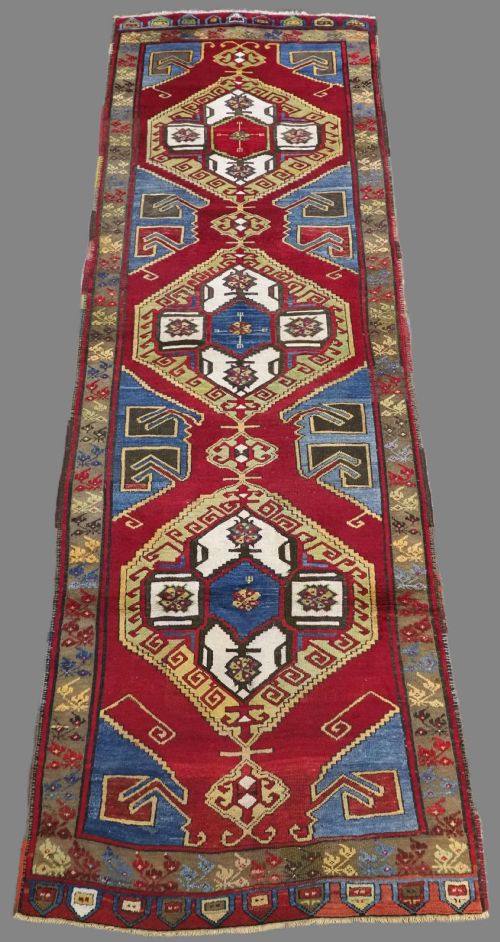
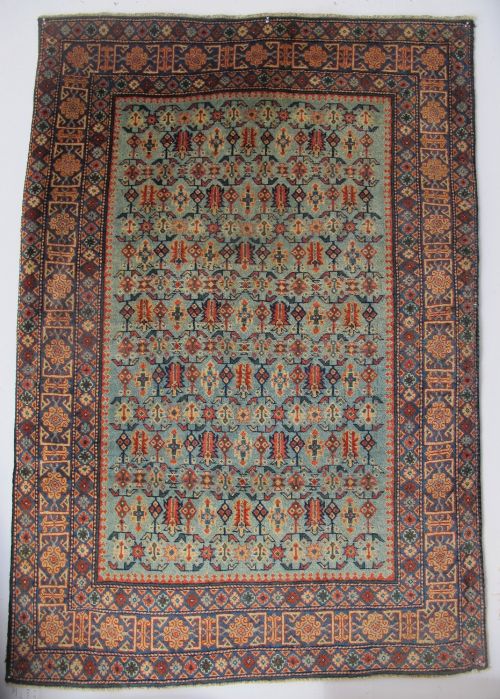
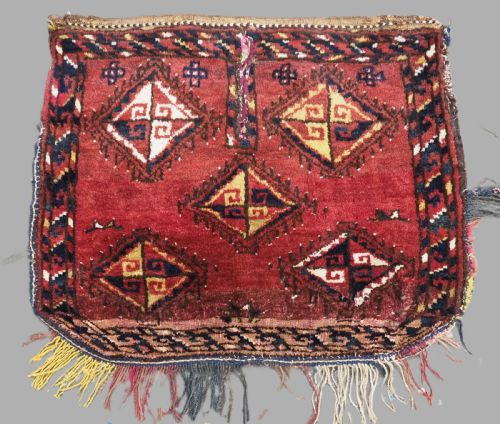
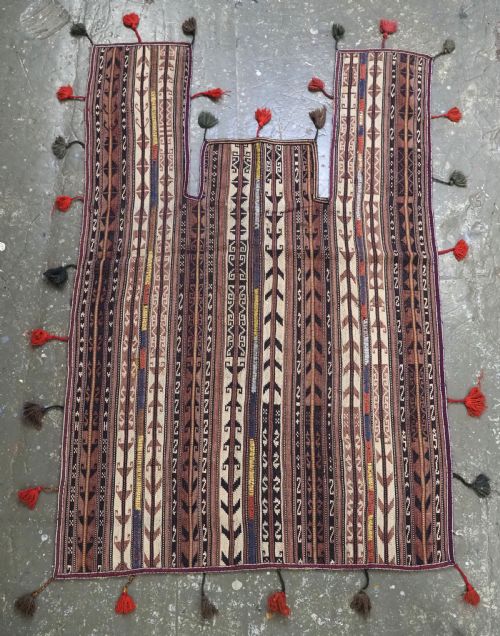
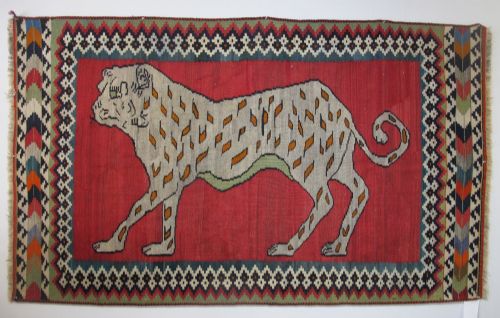
A circa 1900 wool rug encompasses floor coverings, wall hangings, and nomadic textiles created across Persia, Anatolia, the Caucasus, and Central Asia around the turn of the twentieth century. These pieces include village carpets, tribal bag faces, ceremonial horse blankets, and dowry embroideries produced by weavers from specific traditions such as the Yomut, Ersari, Lakai, and Baluch.
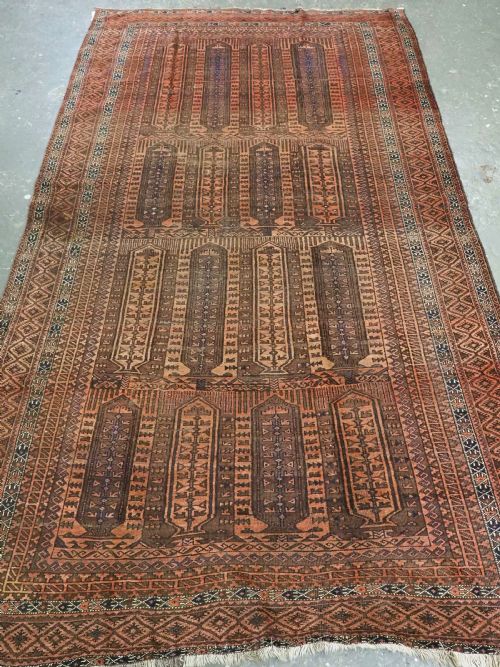
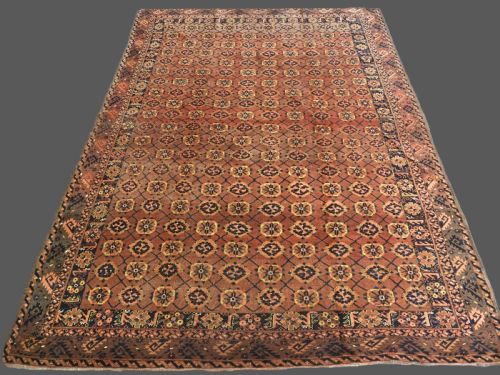
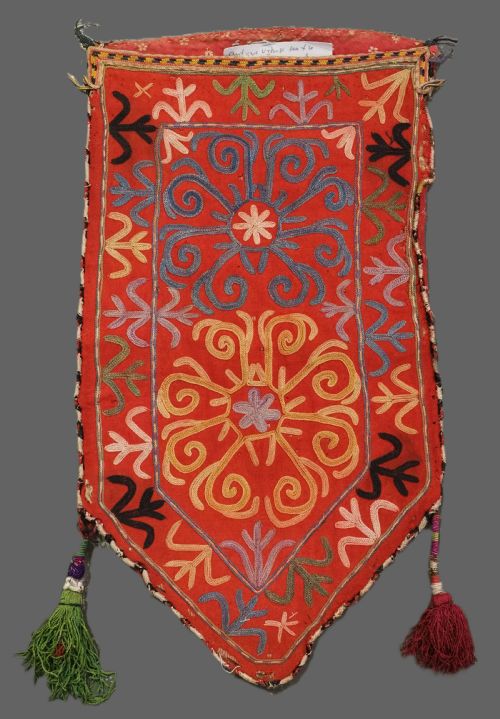
The most common formats met on this page are hand-knotted village rugs, Turkmen torbas, and Uzbek embroideries featuring wool foundations and pile. Surviving examples reflect the utilitarian and domestic requirements of nomadic and settled communities before synthetic dyes took widespread hold. Each piece functions as a textile archive of geometric motifs, medallion formats, and regional palette choices.
Materials and Construction
These textiles rely primarily on sheep wool for both the structural foundation and the surface pile, occasionally paired with cotton thread for warps and wefts. Artisans utilised natural dyes derived from plants and minerals to colour the wool, producing deep reds, indigos, and ivories that mellow gradually over decades.
Nomadic and village groups also employed felted wool, silk thread highlights, and flatweave techniques such as kilim construction to create household bags, saddle covers, and ceremonial panels. The resulting structures combine resilience with flexible utility suited to floor use or vertical suspension.
Listings feature wool, cotton, and silk threads combined with felted wool panels across Central Asian, Persian, and Anatolian tribal forms.
Assessing Craft and Preservation
Quality in these textiles depends on the density of the knotting, the stability of the wool foundation, and the purity of the natural dyes used in the pattern. Pieces retaining original side cordings, complete backings, and tassels show a higher degree of original integrity.
The visual harmony relies on the saturation and interplay of vegetable colours, where complex motifs such as guls, lattice networks, or cruciform medallions remain crisp and well-balanced across the field.
The Circa 1900 Wool Rug Glossary
- Gul
- A primary octagonal medallion motif repeated across Turkmen carpets and bag faces. This design element often identifies the specific tribal group responsible for the weaving.
- Torba
- A small storage bag produced by Turkmen and other nomadic weavers for domestic utility inside a tent. These pieces frequently survive as decorative wall panels or hearth rugs.
- Kalam Donnech
- A specific repeating pattern resembling a pencil box or compartment layout, found in Baluch and Timuri weaving traditions.
- Ilgich
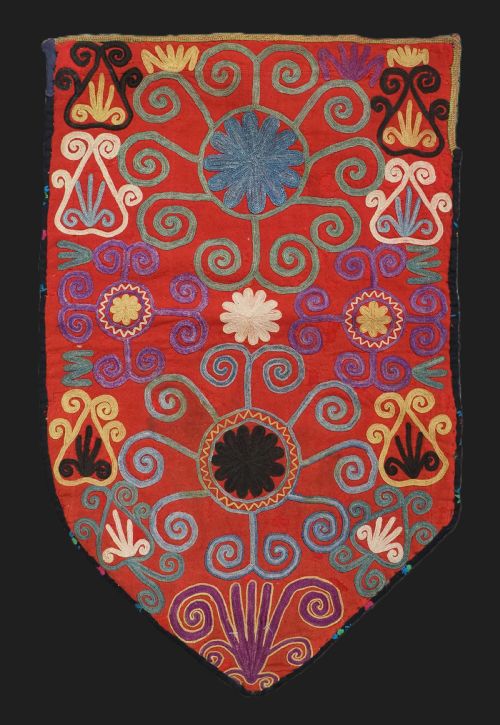
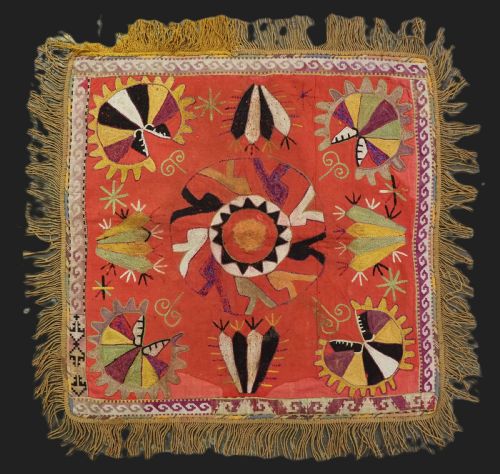
- An embroidered dowry hanging produced by Uzbek Lakai tribes. These textiles feature bold silk stitching applied to felted wool grounds.
- Mafrash
- A rectangular storage bale face or end panel woven in flatweave or pile techniques. They were utilised during nomadic migrations to transport household goods.
Circa 1900 Wool Rug: Frequently Asked Questions
How do I clean a vintage wool rug?
Maintenance requires gentle vacuuming without rotating brush heads to protect the wool pile and delicate edges. Professional textile cleaning is recommended for deep interventions to preserve natural dyes.
Avoid chemical spot treatments and excessive moisture, which can destabilise wool foundations and cause colour bleeding across lighter ivory grounds.
Were these rugs used on floors?
Many examples functioned as floor coverings, village carpets, or area rugs within domestic settings. Others served specialised daily roles as saddle covers, spindle bags, and storage torbas.
Nomadic households also utilised felted wool panels and embroidered hangings to insulate tents and decorate interior living spaces.
What are natural dyes?
Natural dyes derive from organic sources such as plants, roots, insects, and minerals harvested locally by weaving communities. These colourants create rich, complex tones that develop a characteristic patina over time.
Unlike chemical dyes introduced later, natural vegetable dyes interact with wool fibres to produce subtle tonal variations across the field of the rug.