


Circa 1900 Bronze
Circa 1900 bronze objects capture the refined tastes of the turn of the century, offering collectors sculptural figures, decorative vessels, and elaborate lighting fixtures.
Circa 1900 Bronze
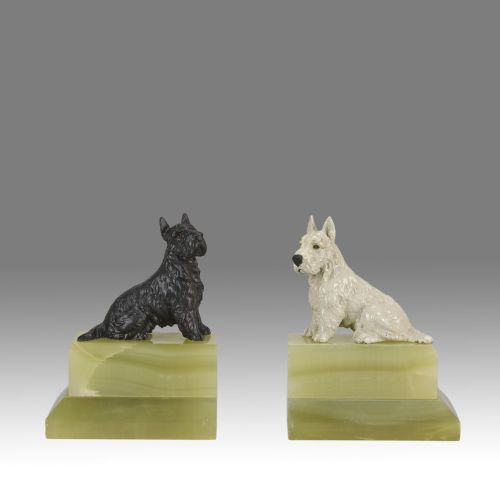
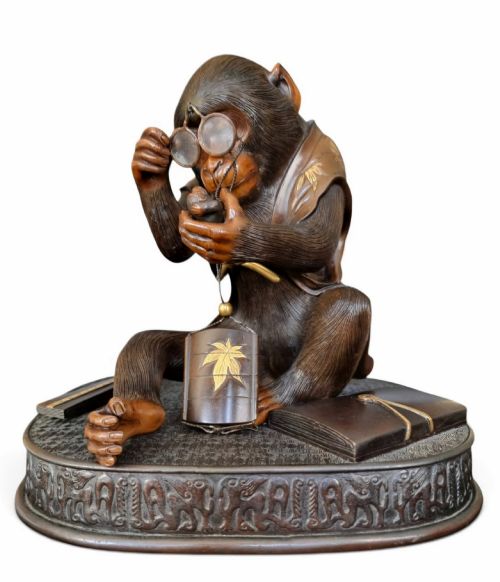
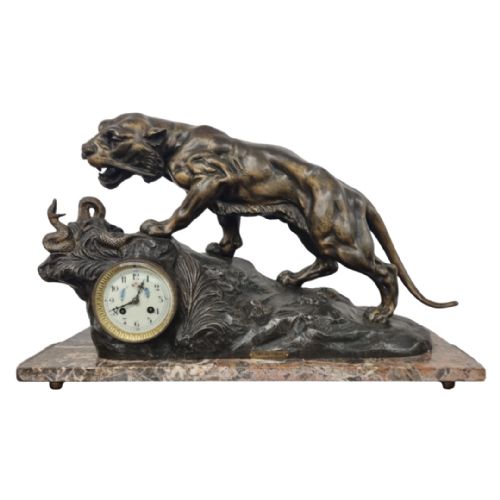
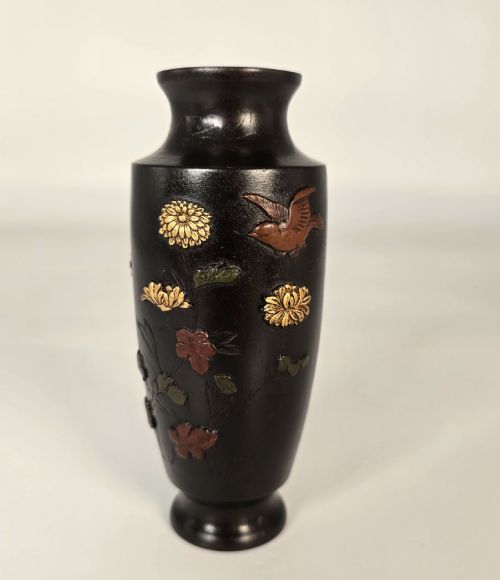
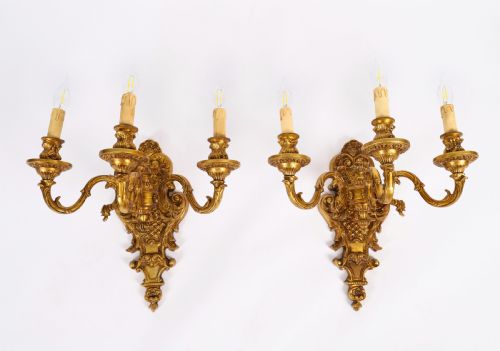
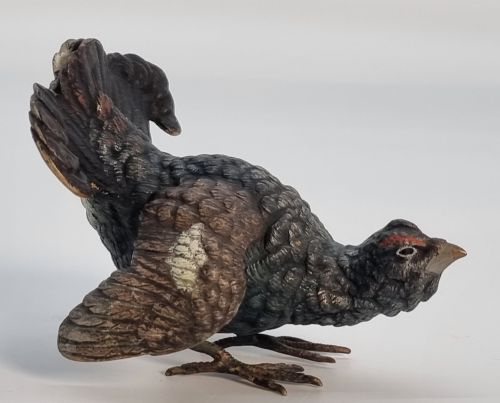
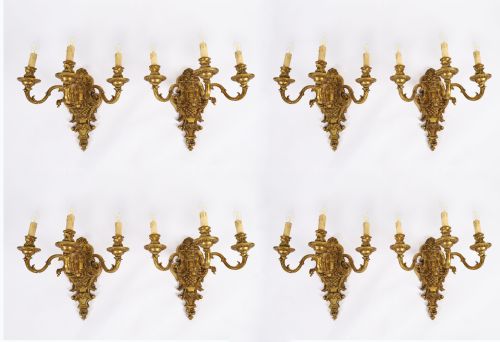
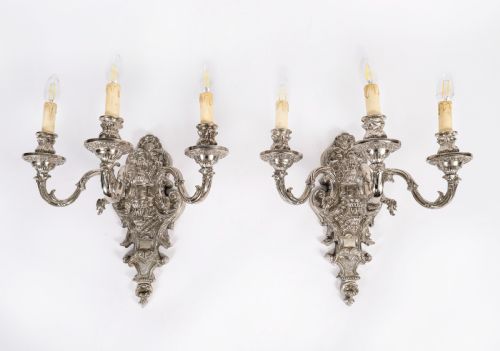
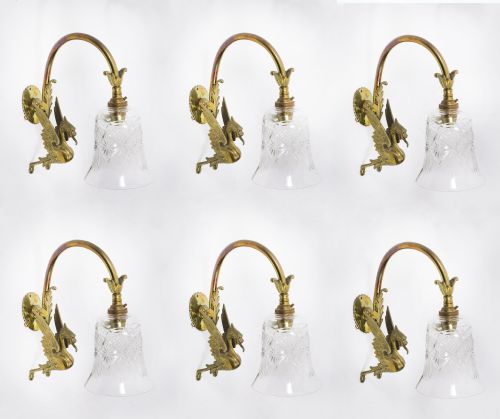
When exploring circa 1900 bronze items, buyers encounter a diverse selection of decorative and functional objects originating from European and Japanese workshops. The inventory spans French mantel clocks and wall sconces, Austrian cold painted animal figures, and Meiji period vessels.
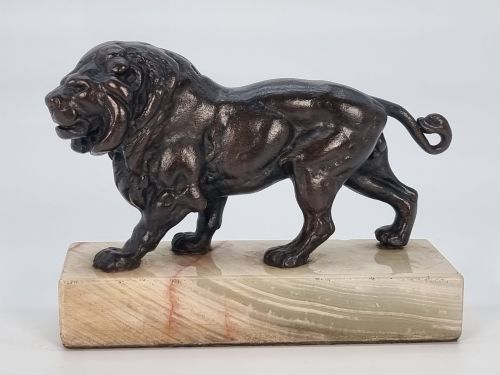
Domestic lighting and ornaments dominate the selection, often pairing cast metal with contrasting bases of onyx or marble. Architectural elements such as wall lights and door hardware also appear alongside cabinet pieces and mantel garnitures.
Stylistic influences range from organic Art Nouveau curves to classical Neoclassical and Rococo revivals. Japanese metalwork and cloisonné enamel pieces reflect the period's widespread fascination with Eastern design motifs.
Materials and Construction Techniques
Foundries utilised traditional casting methods to shape molten metal into intricate figures, animal studies, and decorative mounts. Artisans frequently applied surface treatments including cold painting, silver plating, and mercury gilding to produce rich ormolu effects.
Mixed media assemblies combine bronze and brass elements with inserts of enamel, glass, porcelain, and semi-precious stone bases. This integration of diverse materials defines the decorative manufacturing standards of the Edwardian and late Victorian eras.
Among the menagerie of bronze birds and beasts, a diminutive Dutch coppered baby shoe waits patiently for its bronze dinner gong to sound.
Assessing Quality in Turn-of-the-Century Bronze
Quality differences manifest in the crispness of the chasing and the precision with which fine details like feathers, fur, and facial expressions are finished after casting. Superior examples retain their original surface patination or hand-applied cold painted pigments without significant loss.
The choice of supporting materials also indicates standard, where solid variegated marble or onyx bases elevate an object above simpler wooden or iron mounts. Maker attribution and signed foundry marks provide further distinction among comparable sculptural studies.
R Varnier·Bergman·Sir Thomas Brock·Paul Dachsel·Carl Kauba·Josef Drischler·Otto H Riese·John Willis-Good
The Circa 1900 Bronze Glossary
- Ormolu
- Gilt bronze ornamentation applied to furniture, clocks, and lighting fixtures, created by coating base metal in a mercury and gold amalgam before firing.
- Cold Painted Bronze
- A technique where bronze sculptures are painted with polychrome oil paints rather than fired in a kiln, most notably practiced by Austrian foundries.
- Cloisonné
- An ancient technique for decorating metalwork objects with enamel compartments separated by strips of flattened wire welded to the base.
- Meiji Period
- The era in Japanese history spanning from 1868 to 1912, characterised by the opening of trade and the production of highly detailed mixed-metal wares for export.
- Garniture
- A set of three or more decorative objects, typically comprising a central vase or clock flanked by matching candlesticks or urns, designed for display on a mantelpiece.
Circa 1900 Bronze: Frequently Asked Questions
What is cold painted bronze?
Cold painted bronze refers to cast metal figures that have been decorated with oil-based colours applied directly to the unheated surface. This technique allows for vibrant detailing on small animal and human figures.
Collectors look for well-preserved pigment layers that show minimal flaking from age and handling.
How do I identify Art Nouveau bronze?
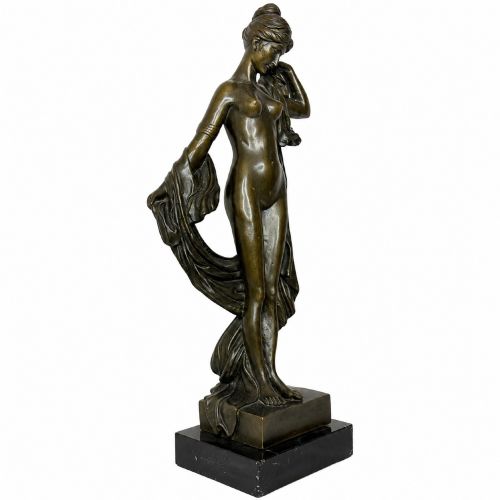
Art Nouveau pieces from around 1900 feature flowing, asymmetrical lines inspired by natural forms such as stems, vines, and female figures with long hair. The styling avoids rigid symmetry in favour of organic movement.
These designs often appear on vases, desk accessories, and sculptural lamps.
What is Meiji period bronze?
Meiji period bronze encompasses Japanese metalwork produced during the late nineteenth and early twentieth centuries. These works frequently incorporate mixed-metal inlay, dragon motifs, and intricate patination.
Such items gained immense popularity in Europe following the opening of international trade routes.
Where were ormolu wall lights used?
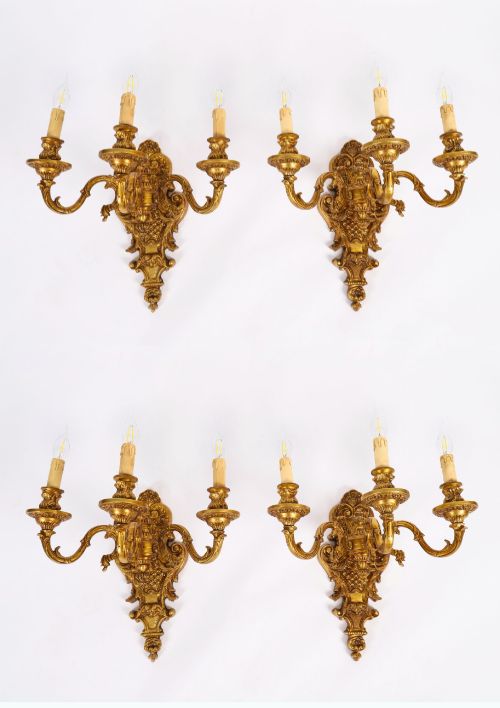
Ormolu wall lights, or appliques, were manufactured in sets to illuminate formal drawing rooms, hallways, and dining spaces in grand residences. They were wired or candle-lit fixtures designed to reflect light off gilded surfaces.
Pairs and larger sets of matching sconces remain sought after for period interior restoration.