

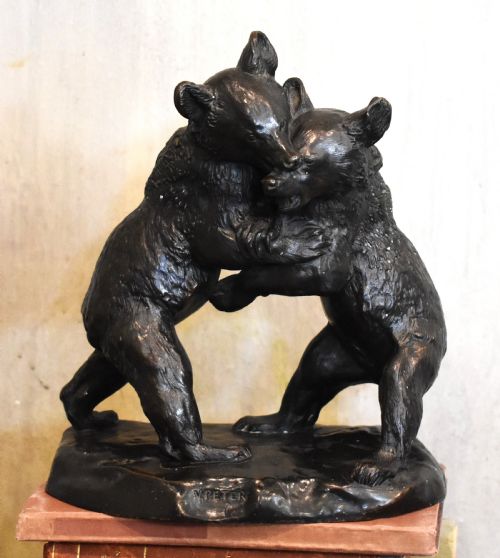


French School Sculpture
These french school sculpture works bring nineteenth-century foundry craft and figurative bronze into a room with real presence.
French School Sculpture
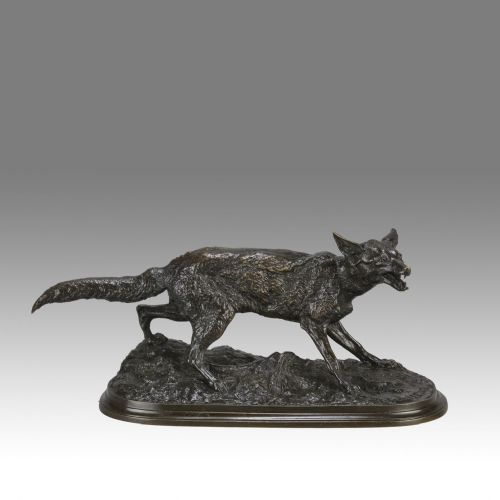
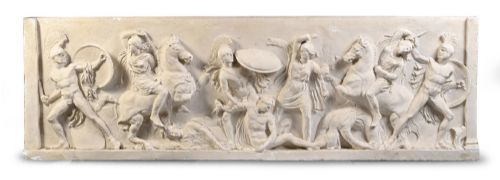
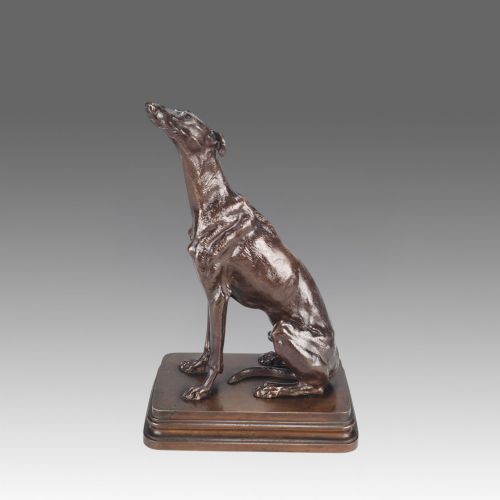
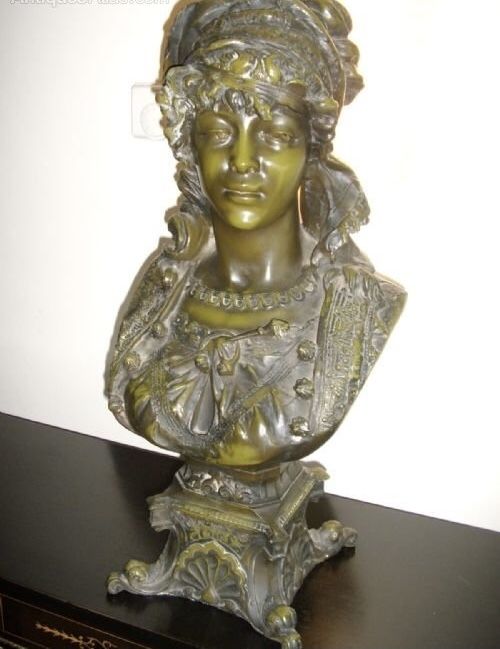
When you search for french school sculpture, you encounter cast metal figures and reliefs spanning the Victorian era through the early decades of the twentieth century. The selection leans heavily towards animalier studies, classical figures, and allegorical subjects cast in continental foundries.
Most examples originate from the later nineteenth century, capturing the naturalist and revivalist movements that dominated European salons. You will find both intimate tabletop studies of hounds and bears alongside larger mythological groups mounted on stone bases.
How they were made
Foundries utilised the lost-wax casting method or sand casting to transform sculpted clay models into durable metal. Bronze remained the primary medium, often finished with chemical patination to achieve deep brown or green surface tones.
Many figural groups combine cast metal with carved marble or alabaster plinths, anchoring the heavier compositions. Plaster and gypsum also appear as foundational trial mediums before final metal casting.
The listings show a strong representation of nineteenth-century French foundry production, using bronze, marble, and patinated metal.
What varies in quality
The precision of the chasing work after the casting process defines the sharpness of musculature, drapery, and facial expression. Finer works retain crisp detail in fur, feathers, and fingers without softness in the relief.
The quality of the foundry patination and the density of the supporting marble base contribute significantly to the overall presence of the piece. Superior casts show careful hand-finishing rather than smooth, uniform factory surfaces.
P J Mêne·Alfred Dubucand·Victor Peter·Louis Auguste Moreau·Joaquim Angles
The French School Sculpture Glossary
- Animalier
- A nineteenth-century artistic focus on the realistic depiction of animals, particularly dogs, bears, and horses. These sculptors studied live subjects closely in menageries.
- Patinated bronze
- Metal treated with chemical solutions to produce a specific surface colour and tone. This finish protects the alloy and enhances shadow depth.
- Relief sculpture
- A sculptural technique where figures project from a flat background plane. It bridges the gap between two-dimensional drawing and freestanding statuary.
- Beaux-Arts
- A classical architectural and sculptural style taught in Paris during the nineteenth century. It emphasises academic tradition, ornate detail, and grand figurative composition.
French School Sculpture: Frequently Asked Questions
How do I clean a bronze sculpture?
Dust the surface regularly with a soft, dry brush to prevent particle buildup. Avoid using water, soap, or chemical polishes that can strip the original foundry patina.
Apply a very thin coat of microcrystalline wax occasionally if the metal appears dry, buffing it gently with a clean cloth.
Are these pieces signed by the artist?
Many examples bear the cast signature of the sculptor directly into the base or body of the metal during production. Foundry stamps and cachets sometimes accompany these signatures to indicate the manufacturing house.
Unsigned pieces still reflect the aesthetic of the period but lack the documented attribution of a named hand.
What is an animalier sculpture?
Animalier works focus specifically on realistic representations of animals in natural or dramatic poses. This genre gained immense popularity in France during the Victorian era through the work of specialist bronzeiers.
Subjects range from domestic hounds to wild bears and fighting stags observed from life.
How do I display a heavy bronze?
Place the sculpture on a sturdy, level surface capable of supporting considerable weight, particularly if the piece includes a dense marble plinth. Ensure the display area avoids direct, intense sunlight to protect surface patination.
Keep pieces away from high-moisture environments to prevent corrosion of the underlying metal.