













Antique Nude Sculpture
When you handle an antique nude sculpture, you are dealing with a centuries-long tradition of anatomical study, classical idealism, and modernist expression.
Antique Nude Sculpture
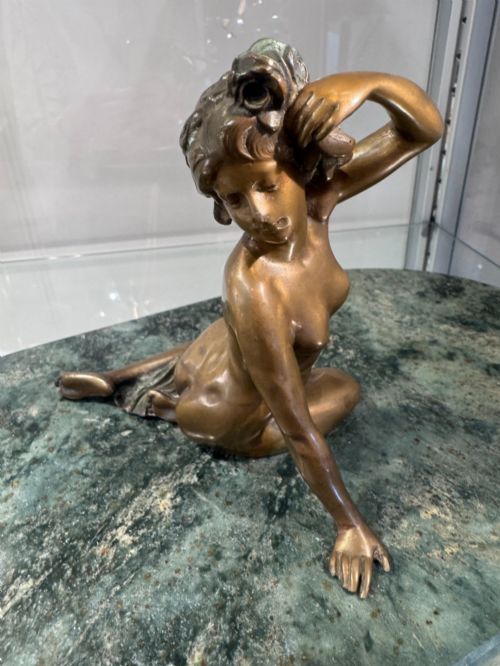
An antique nude sculpture represents the human form through centuries of artistic interpretation, spanning from classical revivals to modernist styling. You will frequently encounter works produced during the nineteenth century and the early twentieth century, reflecting movements like Neoclassicism, Art Nouveau, and Art Deco. These figures appear as standing studies, seated maidens, mythological subjects, and dancers.
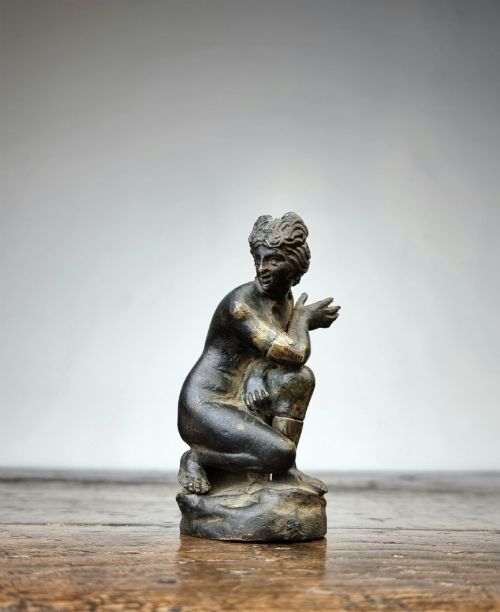
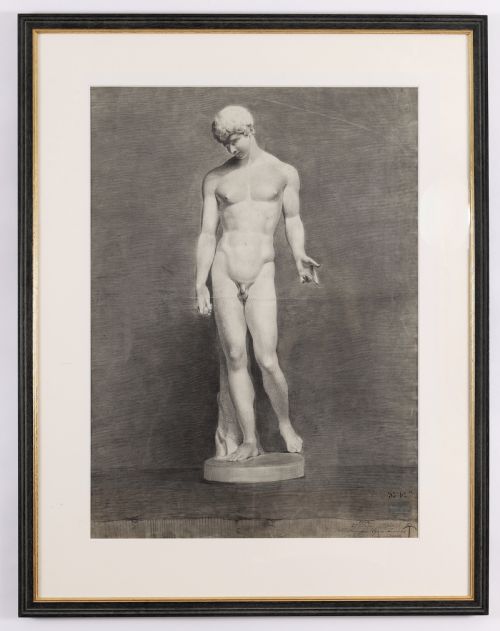
The practical forms range from cabinet statuettes and heavy mantle bronzes to architectural figures and framed works on paper. Grand Tour bronze reductions of classical antiquities sit alongside distinct Art Deco dancer figurines. Collectors look for these pieces to anchor a mantelpiece, a study, or a cabinet display with established sculptural presence.
Factors of Quality
The choice of base material and the sophistication of the patination differentiate standard production pieces from master foundry editions. A well-executed carving in alabaster or marble shows subtle translucency and accurate musculature, whereas inferior work remains blocky and unrefined.
The inventory records multiple Neoclassical and Art Deco pieces alongside Grand Tour bronze reductions of classical antiquities.
Ferdinand Barbedienne·Ferdinand Preiss·Josef Lorenzl·E Villanis·Demetre Chiparus·Bergman Vienna
The Antique Nude Sculpture Glossary
- Patination
- The chemical treatment or natural ageing applied to the surface of metal to alter its colour. This process produces deep browns, greens, or black tones that protect the metal and enhance visual depth.
- Grand Tour
- A cultural journey undertaken by European elites in the eighteenth and nineteenth centuries. Tourists acquired small-scale bronze copies of classical antiquities as souvenirs of their travels.
- Cold-painted bronze
- A technique where paint is applied directly to a cold bronze casting rather than fired in a kiln. This finish requires careful preservation to prevent flaking over time.
- Lost-wax casting
- A metalworking process where a molten metal is poured into a mould that has been created by means of a wax model. The wax is melted and drained away to leave the cavity for the metal.
- Spelter
- A zinc alloy frequently utilised as a substitute for bronze in nineteenth-century and Art Deco decorative figures. It is lighter and softer than bronze, often finished with a bronze-look coating.
Antique Nude Sculpture: Frequently Asked Questions
What periods do these sculptures cover?
The available selection spans from seventeenth-century classical interpretations to nineteenth-century academic works and early twentieth-century Art Deco pieces. Most examples cluster around the Victorian era, the Grand Tour period, and the 1920s.
Different decades brought distinct aesthetic goals, moving from strict neoclassical revival toward stylised modernist abstraction.
How do I identify a Grand Tour bronze?
Grand Tour bronzes typically depict famous classical statues from Italian museums, such as figures of Narcissus, gladiators, or fauns. They often feature characteristic dark green or brown patination and rest on marble bases.
These pieces were produced in Italy and France during the nineteenth century to satisfy wealthy travellers.
What is cold-painted bronze?
Cold-painted bronze refers to metal sculptures painted with oil or enamel colours without undergoing a high-temperature kiln firing. This technique gained immense popularity in Vienna during the late nineteenth and early twentieth centuries.
These colourful finishes require careful placement away from direct sunlight to preserve the pigment.
How do I care for antique marble and alabaster?
Dust these stone surfaces gently with a soft, dry cloth without applying water or modern chemical cleaners. Alabaster is particularly soft and soluble, meaning moisture can permanently damage the polish.
Keep the sculptures in stable indoor environments away from excessive humidity and direct heat sources.