
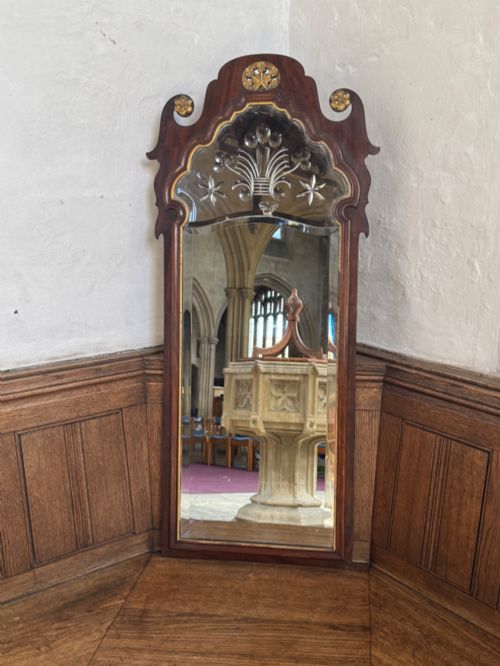
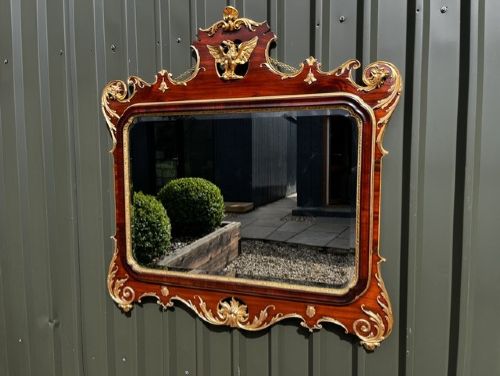
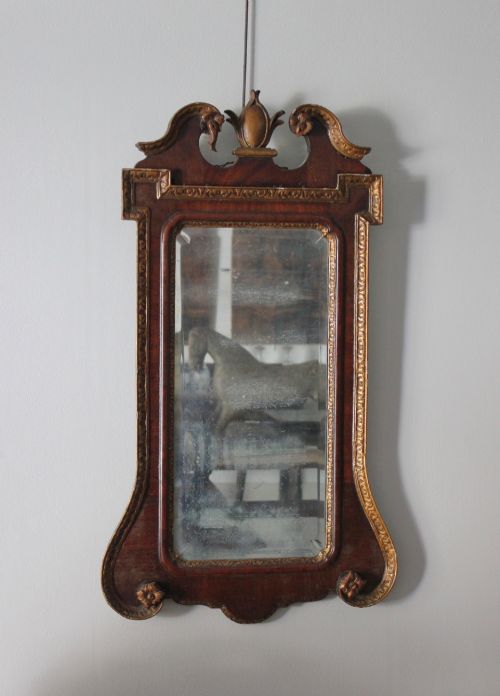

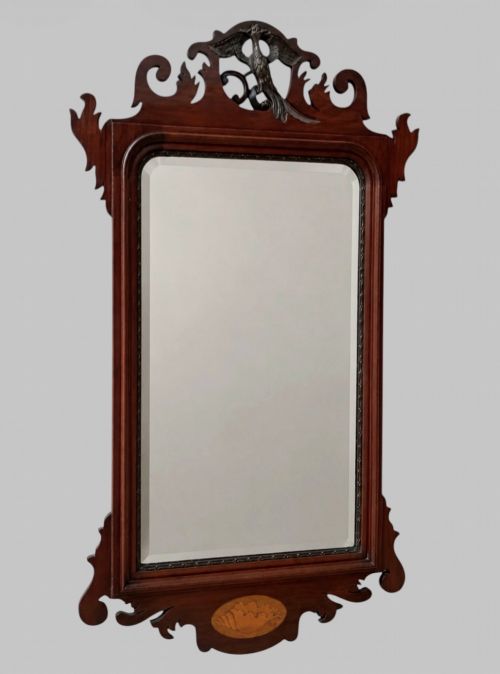
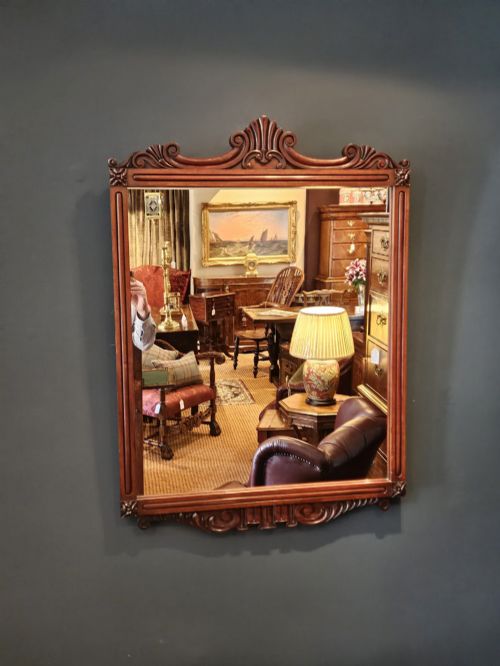


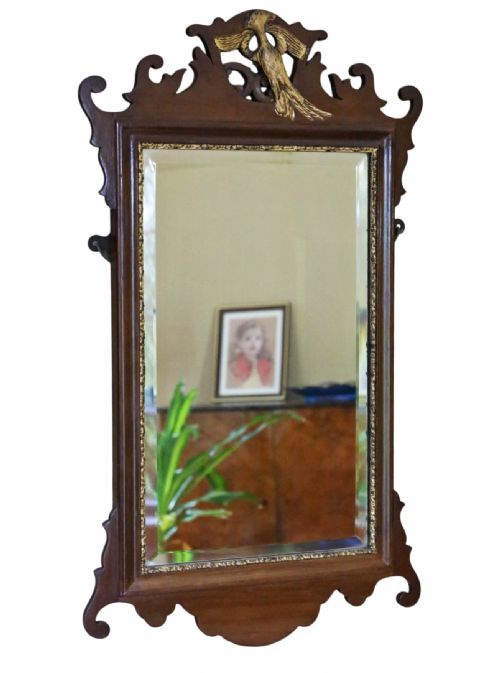


Chippendale Style Wall Glass
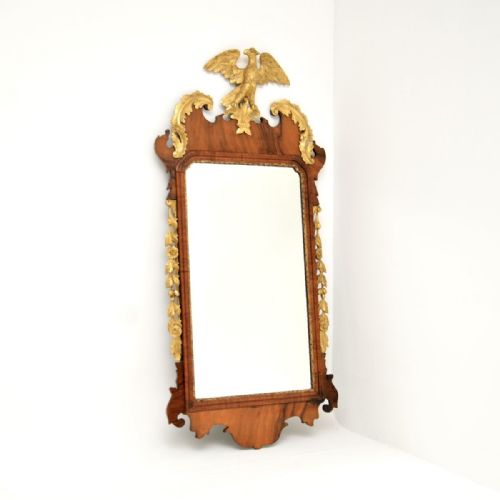
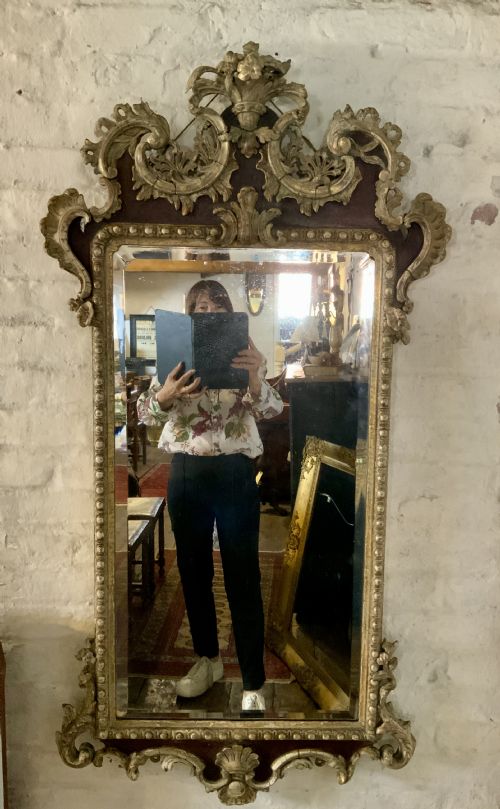
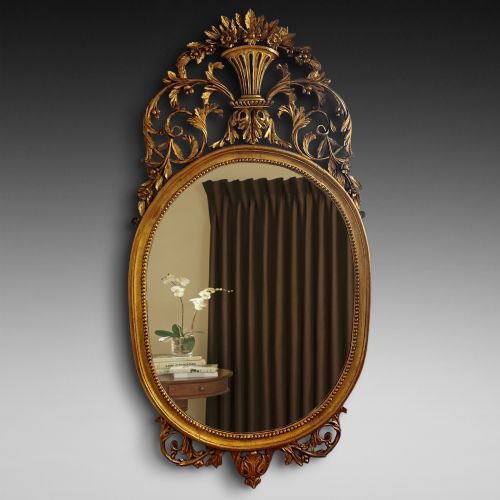
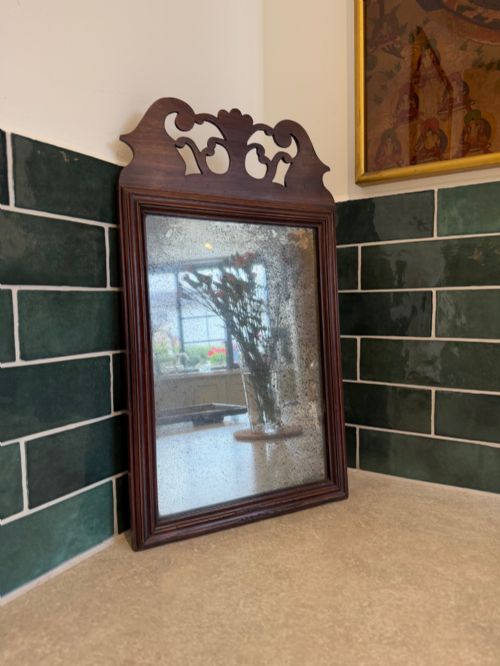
These chippendale style wall glass pieces bring classical proportion and intricate fretwork into a room, offering both practical reflection and historic character.
Chippendale Style Wall Glass
When you search for chippendale style wall glass, you encounter centuries of mirror design spanning the eighteenth century through to Victorian and Edwardian revivals. These objects take the form of wall mirrors, pier mirrors, and overmantel mirrors designed to hang prominently in reception rooms and halls.
The material palette centres on rich timbers alongside gilded highlights, ranging from dark mahogany and walnut to carved giltwood and gesso frames. Surviving examples include both period pieces from the Georgian era and later revivals inspired by rococo and Chinese Chippendale tastes.
What varies in quality
The calibre of a mirror rests primarily on the depth and crispness of the carved fretwork and wooden ornamentation. Sharply rendered details on motifs like birds or floral swags indicate superior workshop standards compared to softer, more rounded cast or pressed decorations.
The integrity of the materials also dictates the standing of the piece, particularly the survival of original glass plates, untouched gilt surfaces, and stable timber construction without excessive replacement parts.
Keep an eye out for hidden carved creatures, as some eighteenth-century mirrors feature surprise details like perched Ho Ho birds and tiny squirrels.
The Chippendale Style Wall Glass Glossary
- Parcel Gilt
- Partially gilded woodwork where gold leaf is applied only to raised carved details while the base timber remains visible. This technique creates a striking contrast between the warm grain of mahogany or walnut and bright gold highlights.
- Fretwork
- Openwork ornamentation cut from thin boards of wood using a piercing saw. It forms the distinctive silhouetted borders seen on many eighteenth-century and revival frames.
- Pier Glass
- A tall mirror designed specifically to hang on the wall space between windows. These pieces often matched console tables placed directly beneath them.
- Gesso
- A plaster-like mixture applied to wooden frames as a smooth base for applying gold leaf. Its application allows for crisp, detailed surface carving before gilding.
- Overmantel Mirror
- A wide horizontal mirror designed to sit directly above a fireplace mantelpiece. They often feature elaborate giltwood frames that dominate the chimney breast.
Chippendale Style Wall Glass: Frequently Asked Questions
What defines a Chippendale mirror?
These mirrors are characterised by ornate carved wooden frames featuring fretwork, asymmetrical rococo scrolls, and naturalistic motifs like birds or foliage.
Originating in the eighteenth century, the style draws on the designs published by Thomas Chippendale and later inspired Victorian and Edwardian revival pieces.
Where should I hang an overmantel mirror?
An overmantel mirror is traditionally mounted on the wall directly above a fireplace mantelpiece to reflect light and anchor the room's proportions.
Because these pieces are often wide and substantial, they require secure wall fixings suited to their considerable weight and frame construction.
How do I date a wooden wall glass?
Dating relies on examining the timber species, construction joints, the backing boards, and the characteristics of the mirror plate itself.
Georgian originals display period joinery and hand-worked frames, whereas Victorian and Edwardian revivals often utilise machine-cut elements or later glass plates.
What is a pier mirror used for?
Pier mirrors were originally hung on the narrow wall piers between windows to bounce natural light deeper into eighteenth-century rooms.
Their tall, vertical proportions make them well suited for narrow wall spaces in hallways or between architectural openings.
Are these mirrors made of solid mahogany?
Many frames utilise solid mahogany or walnut, though some incorporate layered veneers over secondary timbers to achieve stable wide panels.
Giltwood versions typically feature softer woods underneath the gesso and gold leaf layers to facilitate detailed hand carving.