

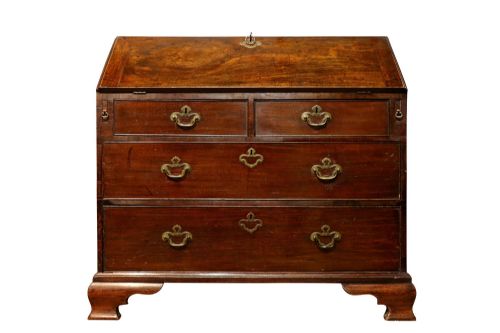


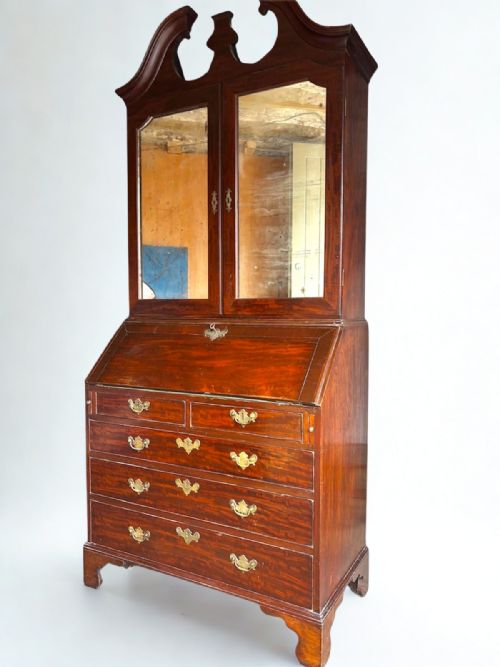


Chippendale Secretary Desk
A chippendale secretary desk combines a fitted writing compartment with ample upper shelving, offering both a practical workspace and a grand focal point for the room.
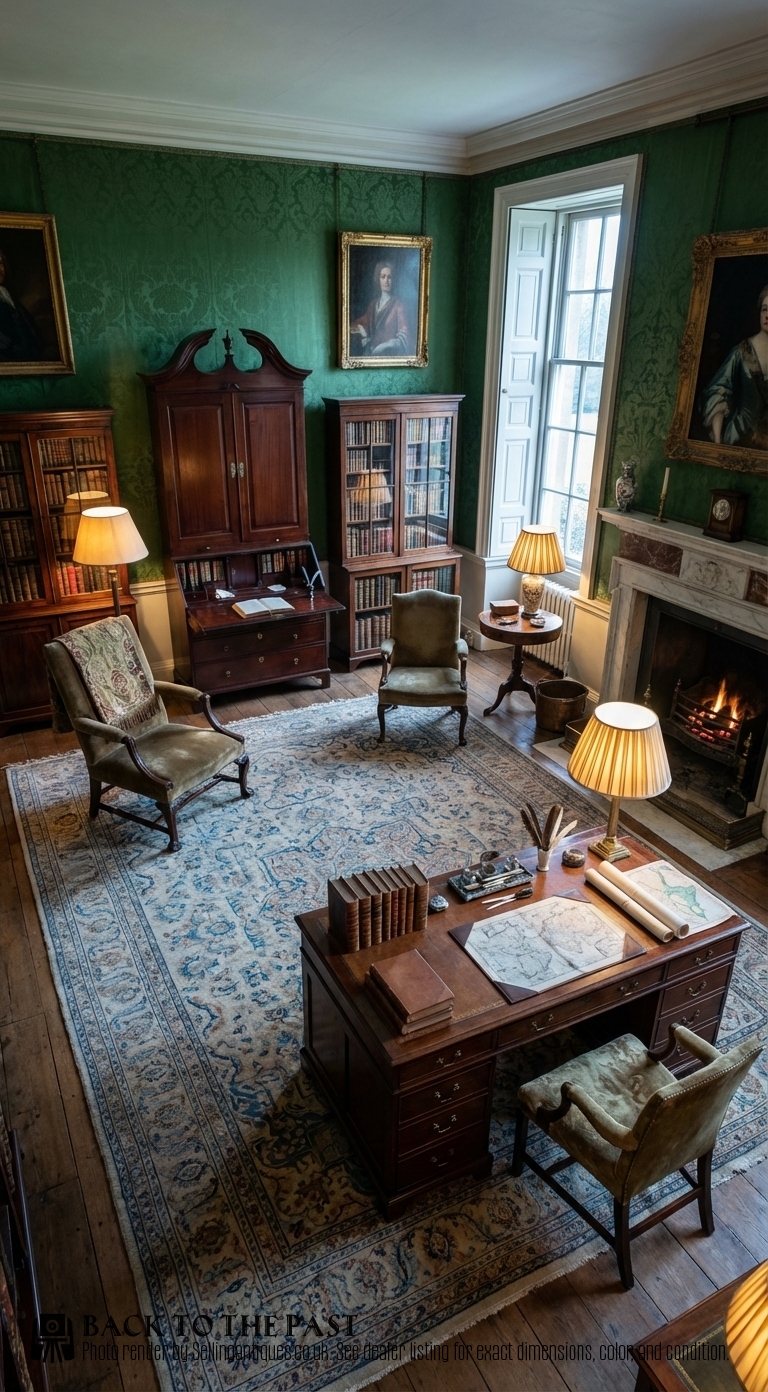
Chippendale Secretary Desk
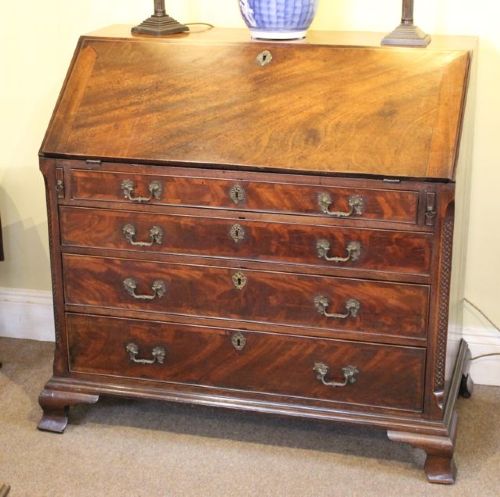
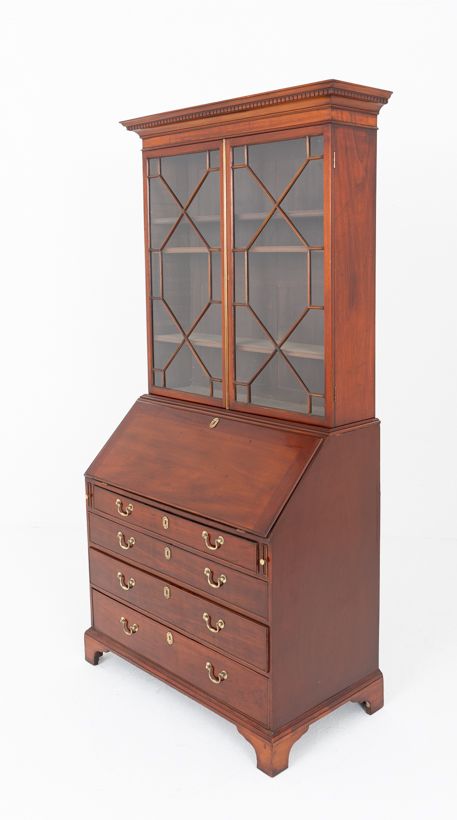
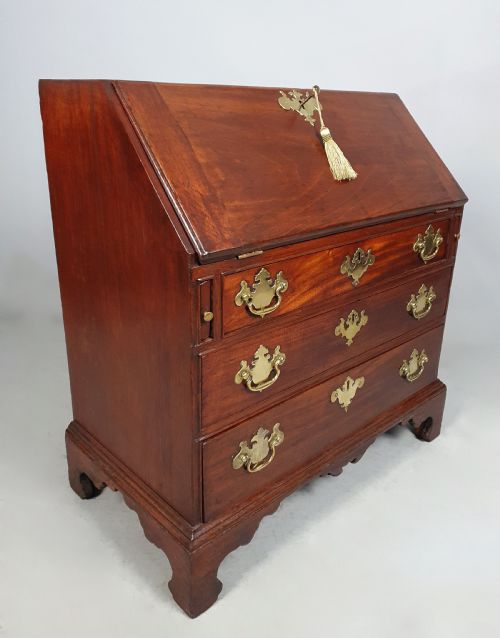
A chippendale secretary desk usually appears as a tall piece of furniture featuring a sloping fall-front desk section combined with an upper bookcase or cabinet. These items date from the eighteenth century through to the revival periods of the early twentieth century.
How they were made
Makers predominantly utilised solid and veneered mahogany, frequently supplemented by oak, fruitwood, and cedarwood for internal secondary timbers. Marquetry inlay, brass hardware, and glass panels complete the structural and decorative makeup of these pieces.
Joinery methods rely on traditional cabinet-making techniques, integrating fitted pigeonholes, small drawers, and secret compartments behind the main writing flap. Swan neck pediments and mirror panels occasionally surmount the upper bookcase sections.
Secret compartments hidden within the fitted pigeonholes reward the curious owner with miniature private hiding spots for valuables.
What varies in quality
The degree of distinction rests upon the figure of the timber, the depth of colour in the mahogany, and the crispness of any carved detailing on the pediment or bracket feet. Superior examples display meticulous attention to the interior layout, featuring well-executed pigeonholes and small drawers.
Construction integrity and the retention of original brass handles or mirror glass separate standard workshop output from exceptional examples attributed to known cabinet-makers or important provincial origins.
GILES GRENDY
The Chippendale Secretary Desk Glossary
- Bureau bookcase
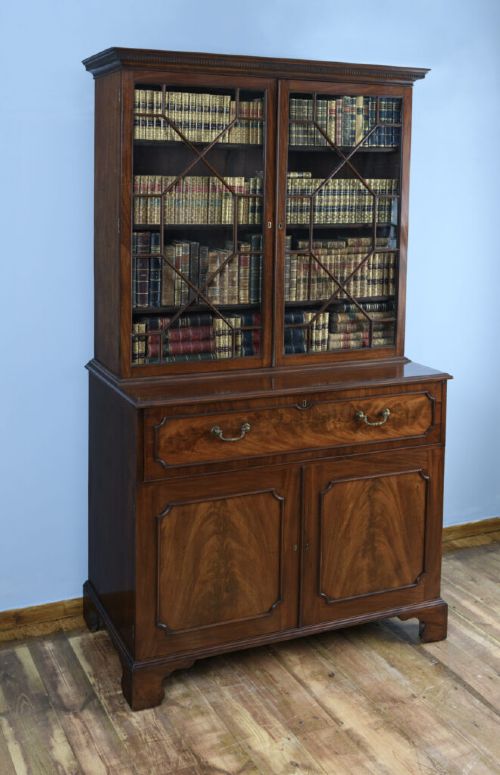
- A combination furniture form featuring a sloping writing flap over drawers, topped by a glazed or panelled bookcase cabinet. This tall configuration maximises storage space while providing a dedicated writing surface.
- Fall-front
- A hinged writing flap that pulls down to a horizontal position for writing, concealing a fitted interior of small drawers and pigeonholes when closed. It serves as the primary operational surface on these desks.
- Secretaire
- A cabinet or desk containing a pull-out drawer or drop-front flap fitted for writing. The term often interchanges with bureau in period descriptions.
- Swan neck pediment
- A decorative architectural top moulding composed of two opposing curved scrolls meeting centrally, often finished with a carved patera or finial. This feature crowns the upper section of finer bookcases.
- Marquetry inlay
- Decorative patterns formed by fitting contrasting pieces of wood veneer into a prepared surface. This technique adds pictorial or geometric enrichment to the cabinet exterior.
Chippendale Secretary Desk: Frequently Asked Questions
How do I use a secretary desk?
Lower the fall-front flap to reveal the internal writing surface, pigeonholes, and small document drawers. The upper cabinet provides shelved storage for books or display items.
Keep the writing surface clear of heavy objects when extended to protect the support hinges. Use the lower drawers or cupboard space to store stationery and household papers.
Where should I place this desk?
Position the desk against a sturdy interior wall away from direct sunlight and heat sources to protect the timber and veneer. Ensure adequate floor space remains for the fall-front flap to drop fully.
Because these pieces possess considerable height, check ceiling clearance before deciding on a room, particularly for models featuring swan neck pediments.
How do I care for the wood?
Dust the timber regularly with a soft, dry cloth and apply a quality wax polish sparingly to maintain the finish. Avoid silicone-based sprays which can damage antique polish over time.
Maintain stable humidity levels in the room to prevent the mahogany or secondary timbers from shrinking, expanding, or cracking.
How can I tell the period?
Examine the secondary timbers, construction joints, and handle hardware to determine the likely era of manufacture. Eighteenth-century examples generally display hand-cut dovetails and timber characteristics distinct from twentieth-century revival pieces.
Look for proportional differences and carving styles, noting that revival pieces from the early nineteen-hundreds often replicate earlier Georgian forms with mechanical precision.