
English Georgian Bureau
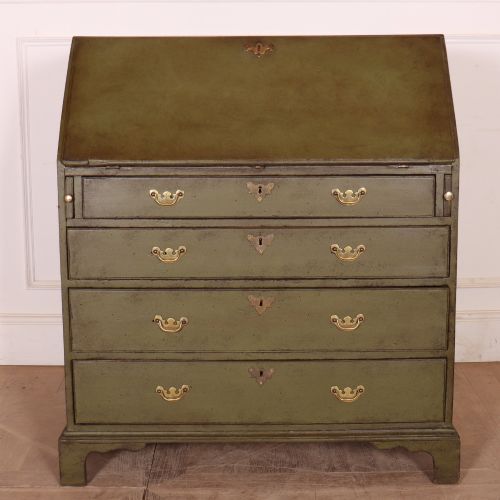
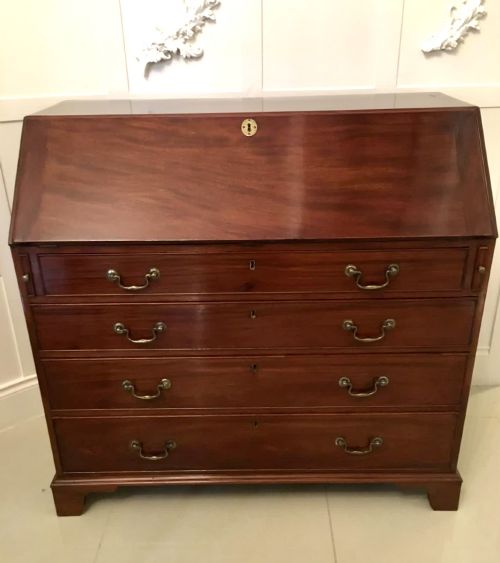
An english georgian bureau brings working quarters into the main room through a fitted fall front and deep drawers.
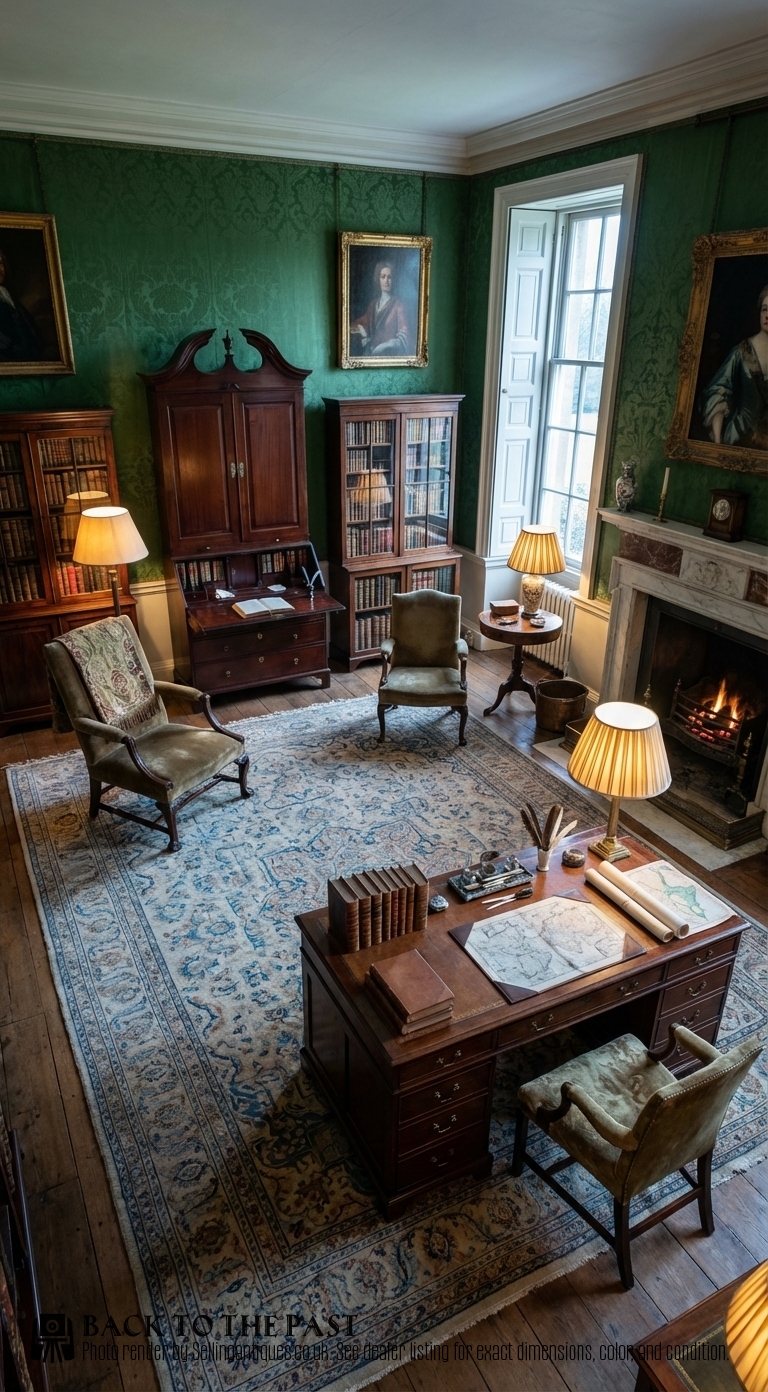
English Georgian Bureau
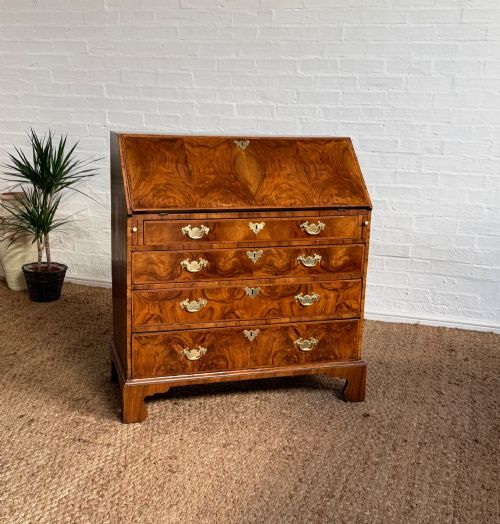
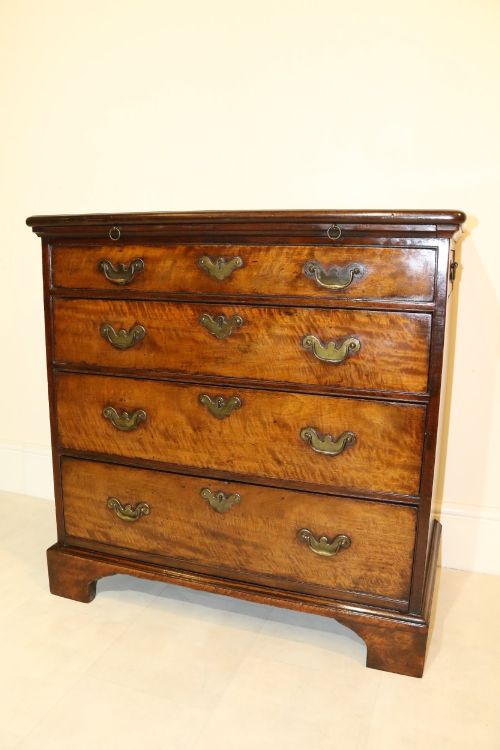
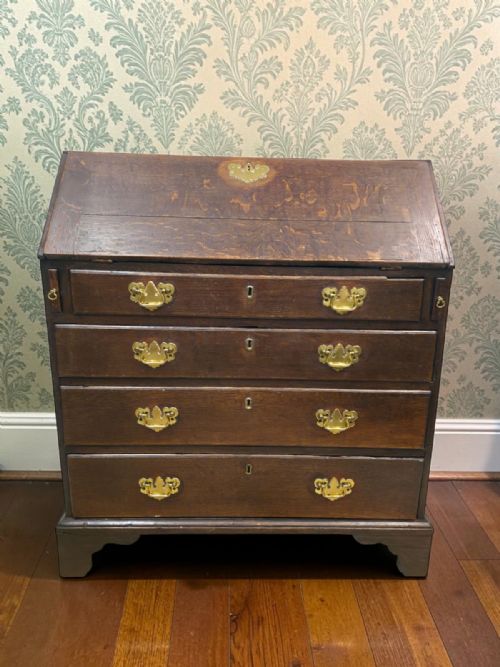
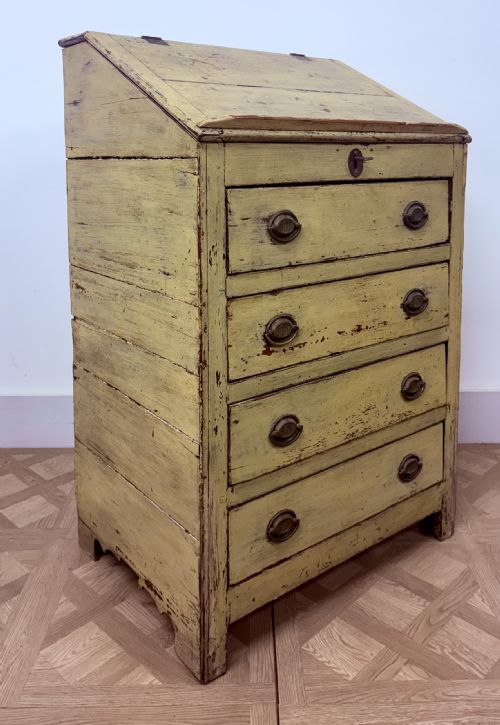
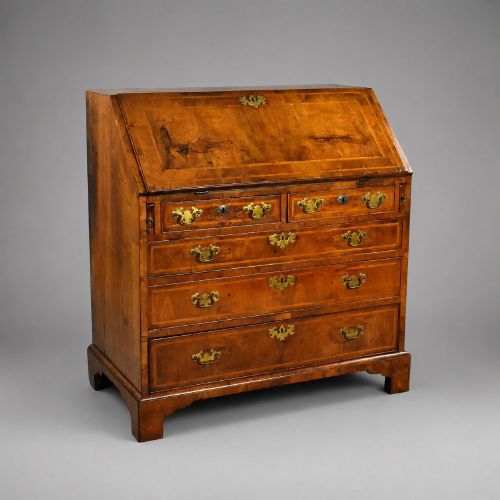
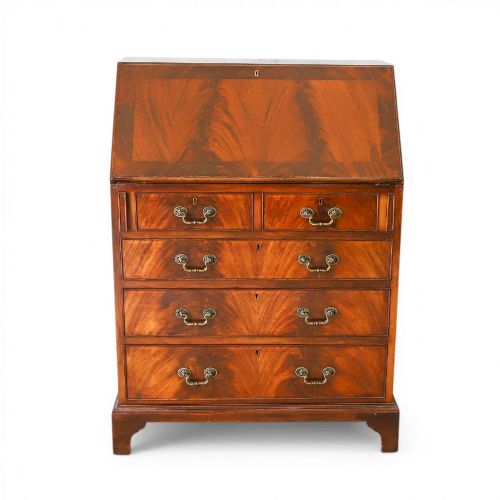
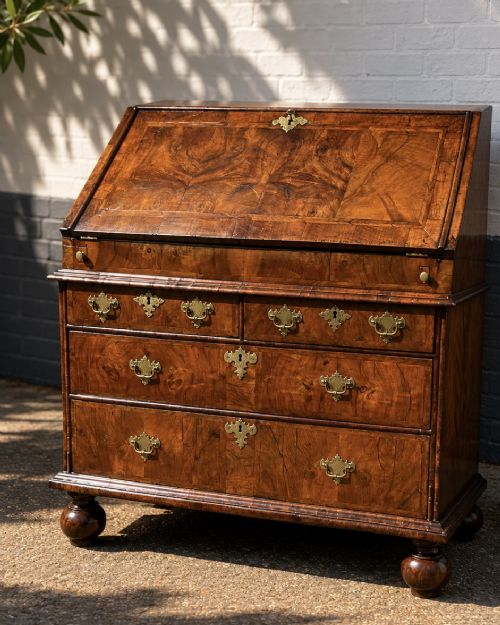
An english georgian bureau combines a writing surface with drawer storage, appearing primarily in walnut, mahogany, and oak across the eighteenth and early nineteenth centuries. The dominant form on this page uses a fall front writing flap that drops down to reveal pigeonholes, small drawers, and secret compartments above standard chest configurations.
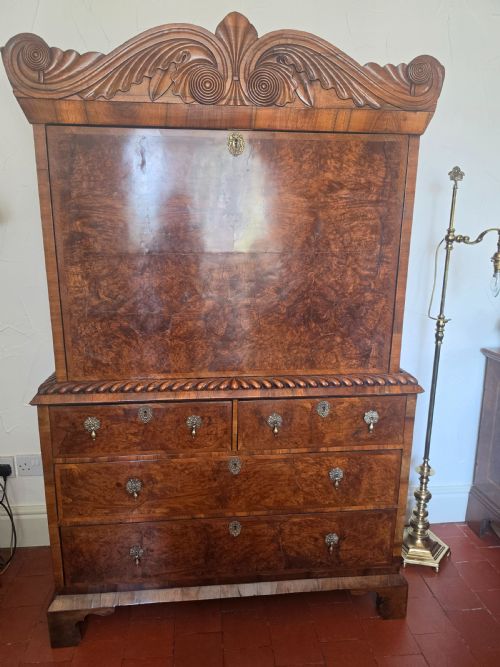
Makers built these pieces to serve domestic administration and correspondence before freestanding offices became common. Buyers encounter variations ranging from compact walnut fall front desks to grand bureau bookcases crowned with glazed upper display cabinets.
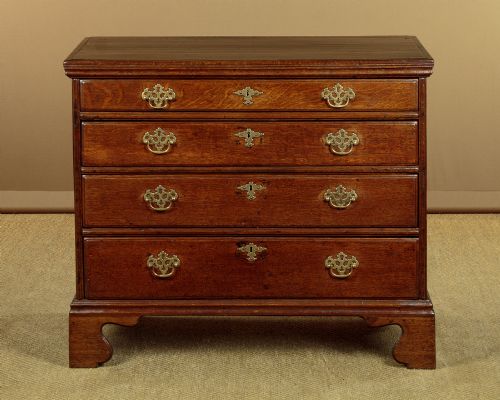
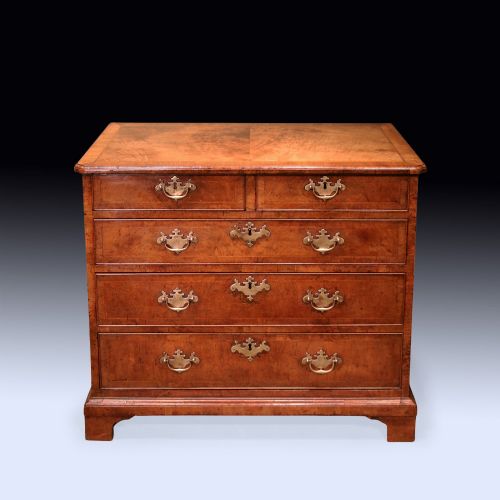
Regional country workshops and city cabinet makers produced these writing desks to suit domestic interiors of the period. Walnut examples tend to anchor the earlier decades, while mahogany and oak variants span the middle and later Georgian eras.
Materials and construction methods
Cabinet makers selected dense timber stocks, employing figured walnut, flame mahogany, and quarter sawn oak over sturdy pine or oak secondary framing. Surfaces often featured decorative crossbanding, feather banding, and book matched veneers to create visual depth on the fall front and drawer faces.
Traditional joinery governed the assembly, utilising hand cut dovetails for drawer boxes and pegged mortise and tenon joints for internal partitions. Solid brass handles, escutcheons, and hinges secured with hand turned screws completed the structural hardware.
Secret compartments occasionally required pressing hidden springs inside the stationery well to release concealed drawers.
Assessing craftsmanship and condition
Quality rests upon the selection of timber veneers and the crispness of internal drawer configuration. Superior examples preserve original brass hardware, intact leather writing inserts, and unmodified interior compartments.
The integrity of the fall front hinges and the alignment of the writing flap under load indicate structural preservation. Early walnut pieces derive distinction from untouched patination and original internal configuration rather than later restorations.
The English Georgian Bureau Glossary
- Fall front
- A hinged writing flap that drops forward to provide a horizontal desk surface. It conceals the internal stationery drawers when closed and locked.
- Bureau bookcase
- A two part furniture form combining a lower writing bureau with an upper glazed or panelled cabinet. The upper section serves for book storage and display.
- Feather banding
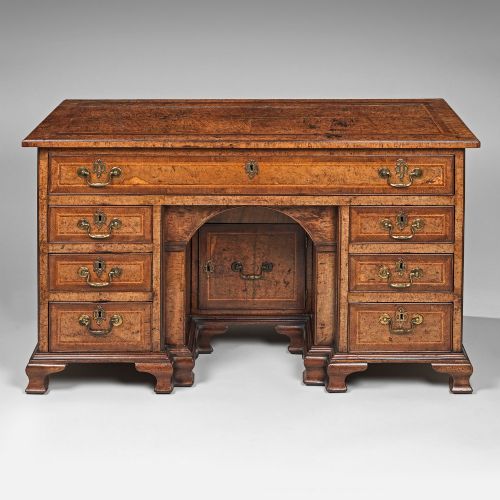
- A decorative inlay technique using veneer slices cut diagonally across the grain to form a herringbone pattern around drawer edges. Craftsmen applied this to highlight principal surfaces.
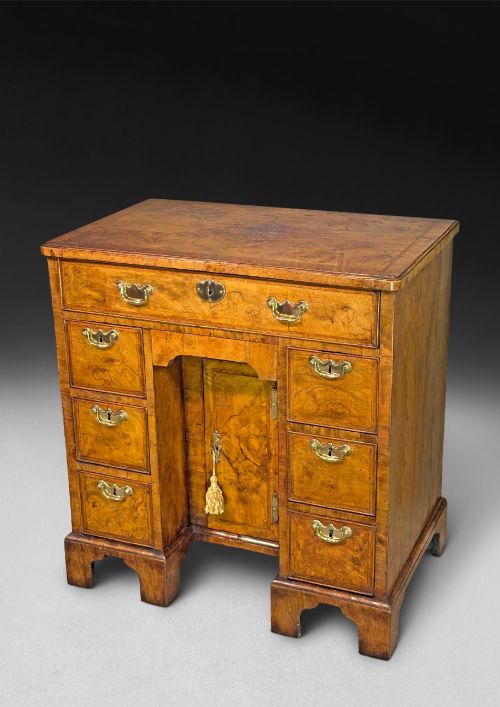
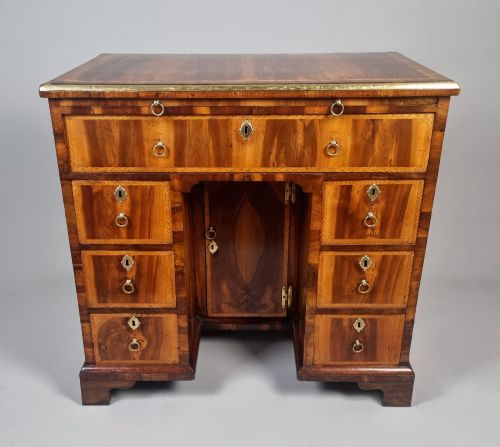
- Kneehole desk
- A compact writing table featuring a central recessed space for the user's legs flanked by banks of small drawers. Examples often date to the mid eighteenth century.
English Georgian Bureau: Frequently Asked Questions
What is inside the fall front?
The interior houses an arrangement of pigeonholes, small stationery drawers, and occasionally secret compartments hidden behind sliding panels or false drawer bottoms.
Craftsmen designed these spaces to organise letters, account books, and writing implements securely.
How do I tell walnut from mahogany pieces?
Walnut pieces generally date to the early eighteenth century and exhibit rich, figured grain patterns with warm brown tones. Mahogany gained dominance later in the century, offering a denser, redder timber that took crisp carved detail well.
Both woods received different finishing techniques, with walnut often showing subtle crossbanding borders.
Where were these bureaus placed?
Owners kept them in private parlours, libraries, or bedrooms where household accounts and personal correspondence were managed.
The sloping lid allowed writing while seated, keeping private papers concealed from view when shut.
Are the brass handles original?
Original brasses show consistent wear patterns and match the ghost marks left on the timber from centuries of use. Replacements often leave minor screw adjustments behind the drawer face.
Finding untouched original hardware adds significantly to the historical integrity of the piece.