

Chippendale Desk
When you search for a chippendale desk, you enter a tradition of English cabinet-making defined by carved mahogany, blind fretwork, and proportional balance.
Chippendale Desk
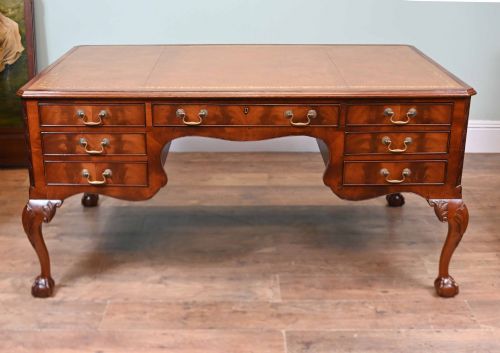
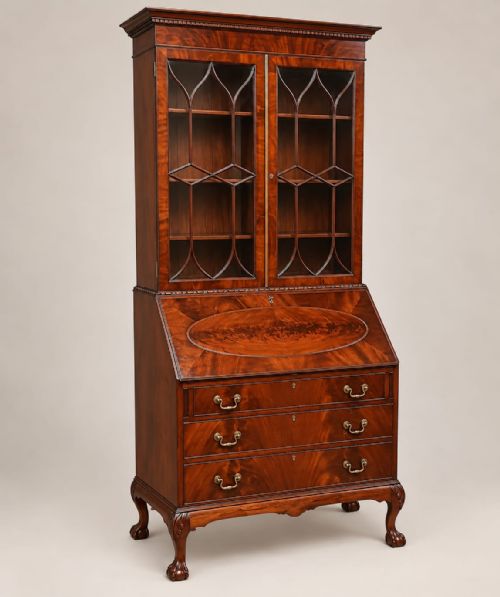
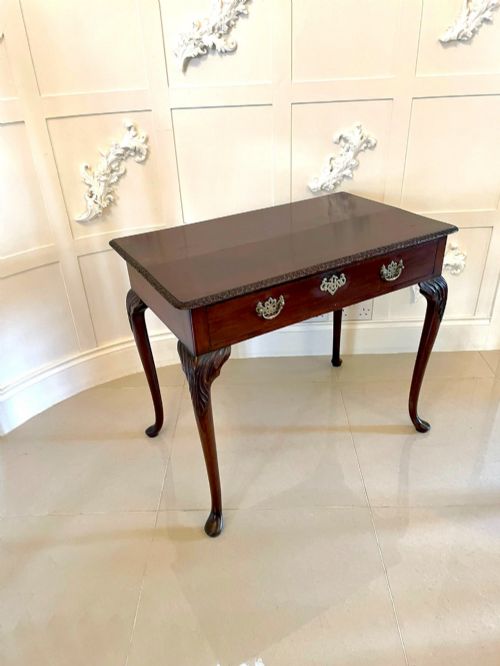
A chippendale desk encompasses writing tables, kneehole desks, pedestal partner desks, and bureaux originating from both the eighteenth-century Georgian period and later revival movements. Buyers encounter two distinct categories on this page: authentic period pieces dating from the mid-to-late eighteenth century and revival iterations produced during the Victorian and Edwardian eras.
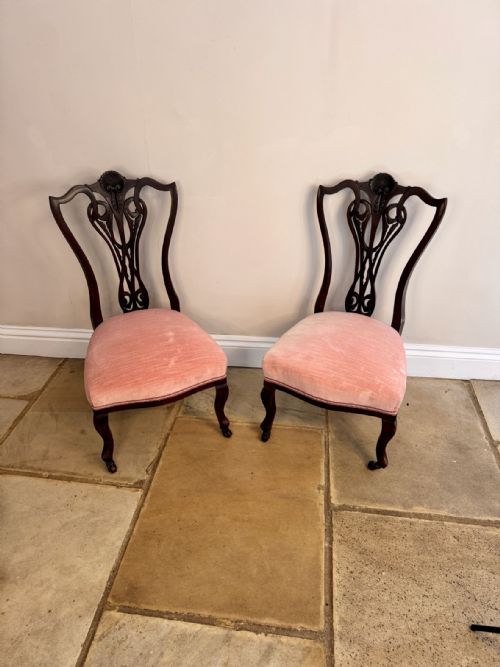
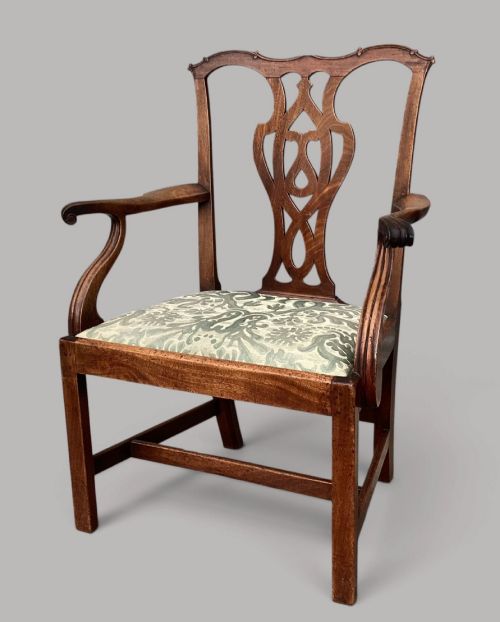
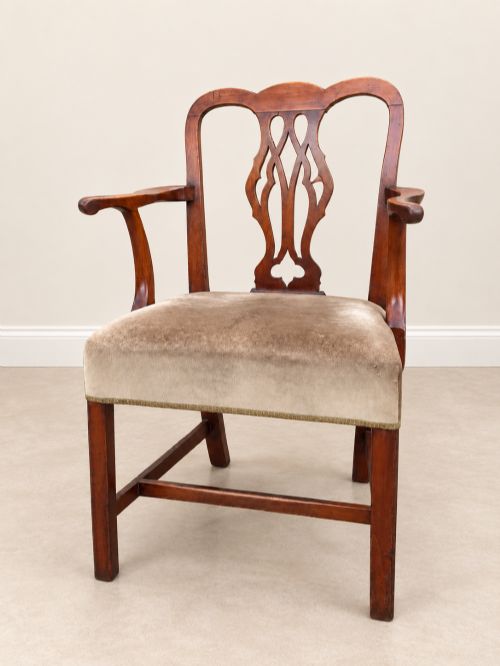
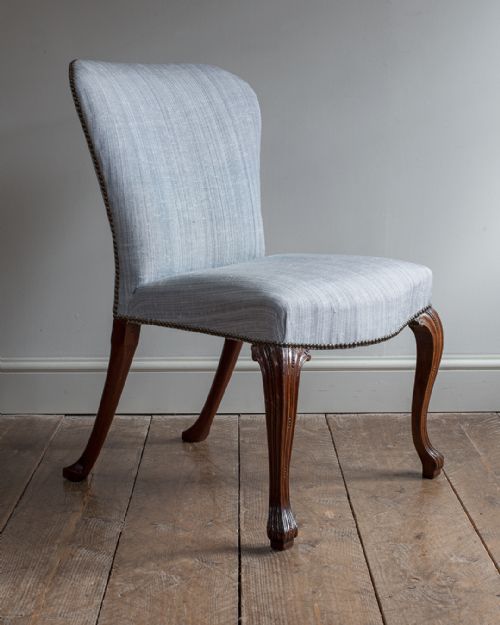
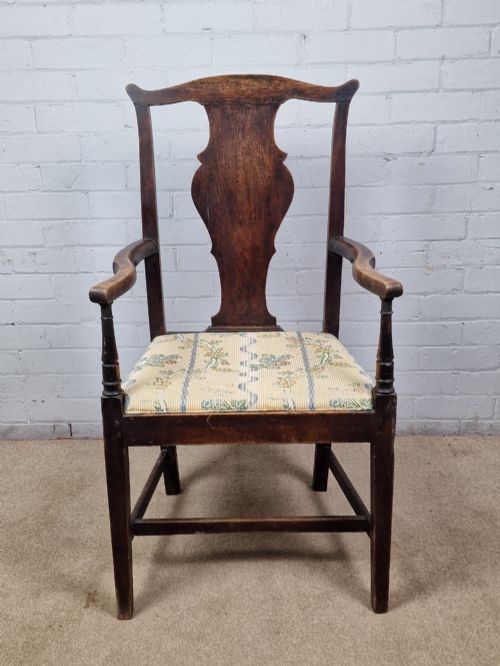
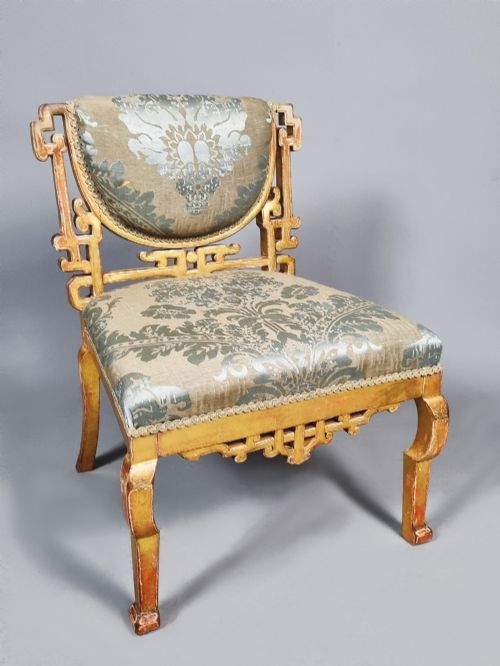
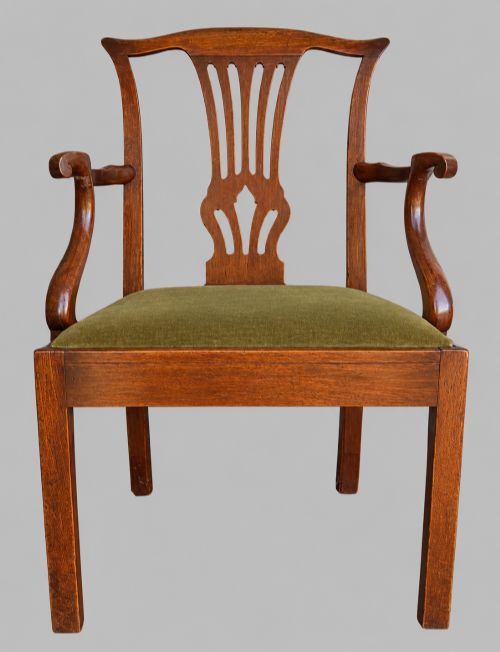
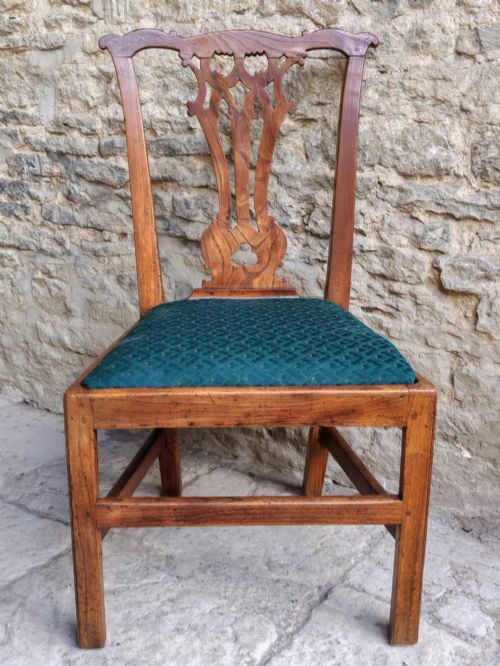
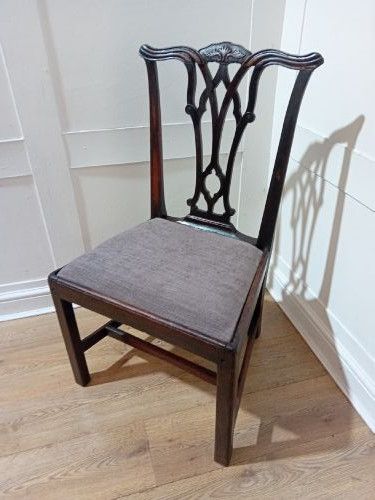
The primary forms include compact writing tables, fall-front bureaux, and substantial pedestal partner desks often paired with carved armchairs or library seats. Eighteenth-century examples sit alongside late nineteenth-century Chippendale Revival pieces, demonstrating how cabinet-makers reinterpreted rococo, gothic, and Chinese motifs across generations.
How they were made
Makers constructed these desks predominantly from solid mahogany, occasionally utilising walnut, fruitwood, elm, or cedarwood for secondary timbers and drawer linings. Joinery relied on traditional hand-cut dovetails for drawer construction and pegged mortise and tenon joints for structural stability.
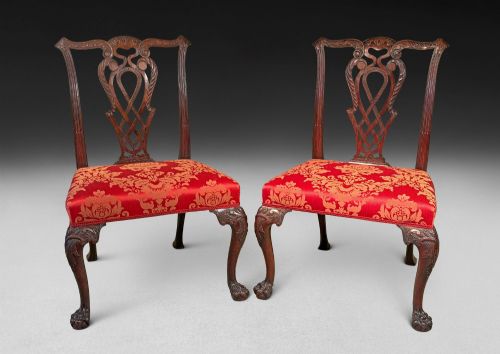
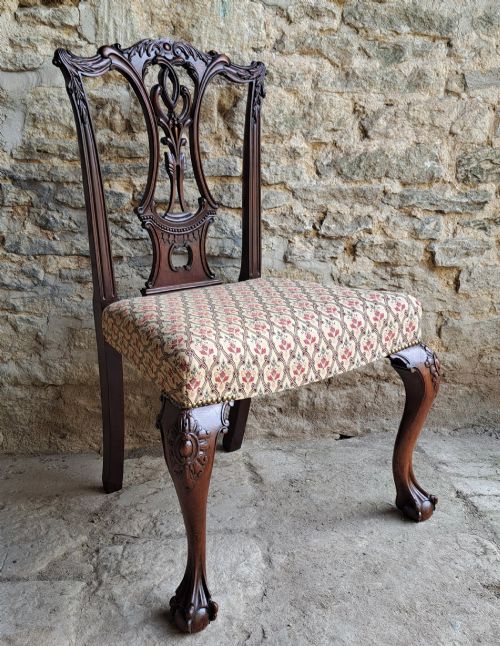
Surface ornamentation involved intricate hand-carving directly into the solid wood, including ribbon-back motifs, blind fretwork, ball and claw feet, and gadrooned edges. Leather inserts, often hand-dyed and gold-tooled, frequently lined the writing surfaces of desks and associated seating.
Listings feature mahogany as the primary timber, complemented by walnut, elm, and fruitwood across eighteenth and nineteenth-century forms.
What varies in quality
Quality rests in the crispness and depth of the hand-carving, where sharp relief and undercut details distinguish master workshops from later mechanical production. Timber selection also dictates value, with figured ribbon mahogany and dense, dark primary woods commanding greater appreciation than plain or secondary substitutes.
Structural integrity and originality determine distinction, particularly the survival of original brass hardware, unblemished secondary timbers, and untouched patination built up over centuries of use. The fluency of the design proportions, whether executing Chinese Chippendale fretwork or classical Georgian pedestal arrangements, separates routine utility furniture from exceptional cabinet-making.
Gillows·Edwards and Roberts·S and H Jewell·Gill and Reigate·Alfred Allen
The Chippendale Desk Glossary
- Blind Fretwork
- Carved ornamentation applied in low relief to flat surfaces, frequently mimicking interlaced Chinese lattice patterns. It became a hallmark of mid-eighteenth-century cabinet design.
- Partners Desk
- A large double-sided pedestal desk designed for two people to work opposite one another, featuring banks of drawers and cupboards on both faces.
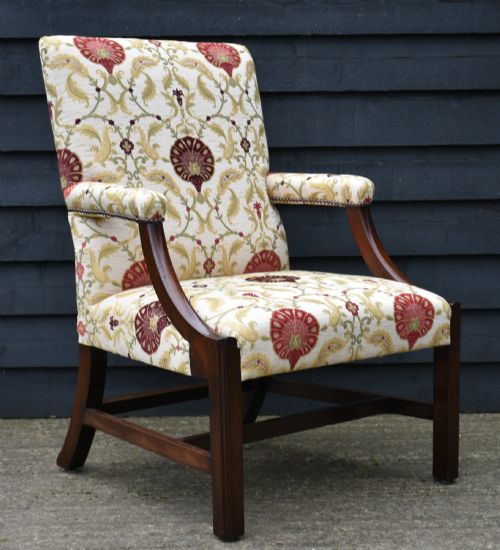
- Gainsborough Chair
- A wide, upholstered armchair with open arms and a low back, designed specifically for libraries and writing desks during the eighteenth century.
- Ball and Claw
- A furniture foot depicting a bird's talon grasping a sphere, commonly carved on cabriole legs during the Georgian period and revived later.
Chippendale Desk: Frequently Asked Questions
How do I date a Chippendale desk?
Dating relies on examining secondary timbers, construction methods, and hardware rather than relying solely on style designations. Eighteenth-century pieces exhibit hand-cut dovetails and vernacular woods inside drawers, whereas revival pieces from the Victorian and Edwardian eras often show uniform machine-sawn components and later secondary timbers.
Cabinet-making techniques evolved over time, shifting from pegged frame construction to screwed and glued joints in the nineteenth century. Comparing the patination of the primary wood to internal surfaces helps confirm whether the piece retains its original period of manufacture.
What is the difference between Georgian and revival desks?
Authentic Georgian desks were built between 1750 and 1780 during the height of Thomas Chippendale's influence and the George III period. Revival desks were manufactured later, particularly around 1900 by prominent firms replicating eighteenth-century aesthetics for contemporary homes.
While both use solid mahogany and similar decorative motifs like ball and claw feet or fretwork, revival pieces frequently display the commercial efficiency of Victorian and Edwardian workshops. The timber density, wear patterns, and construction hardware readily distinguish the original eighteenth-century items from later interpretations.
How were partner desks used originally?
Partners desks were commissioned by bankers, lawyers, and wealthy merchants who needed a large workspace shared by two individuals sitting face-to-face. The configuration of drawers and cupboards on both sides allowed two people to access filing space simultaneously without disrupting one another.
These substantial pieces typically stood in the centre of a library or study rather than against a wall. Their dual-access design made them essential administrative furniture for grand eighteenth-century households and offices.
How do I care for leather desk surfaces?
Leather writing surfaces require gentle maintenance to prevent the hide from drying out and cracking over time. Regular dusting with a soft, dry cloth removes abrasive particles that might damage the surface or the gold tooling.
Application of specialised leather balms or conservation waxes helps preserve suppleness and maintain the rich tone of hand-dyed hides. Avoid placing hot items or liquids directly onto the leather to protect both the hide and the timber substructure beneath.