



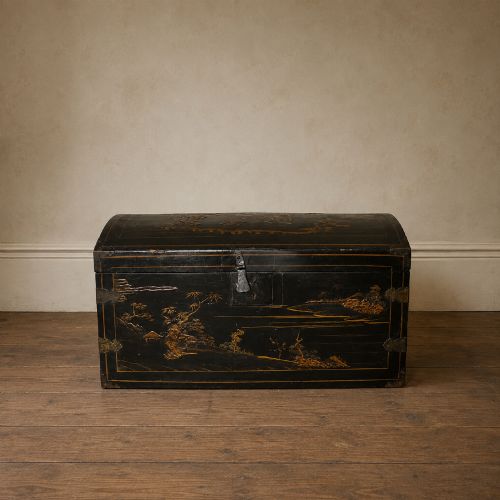
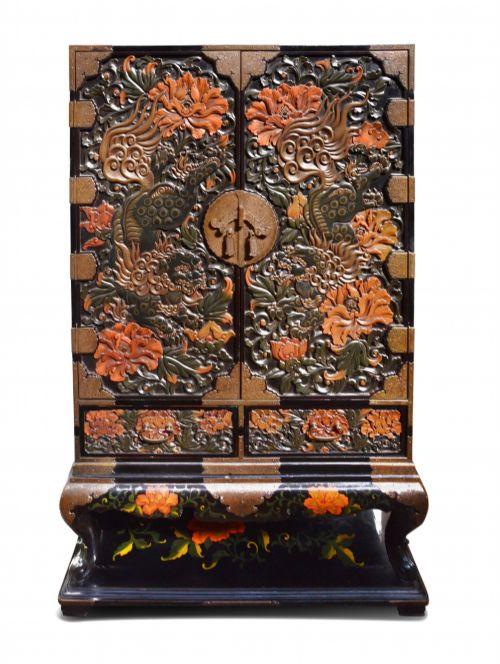
Chinoiserie Lacquer Chest
A chinoiserie lacquer chest brings elaborate hand-painted oriental scenes and lustrous surface finishes into a room.
Chinoiserie Lacquer Chest
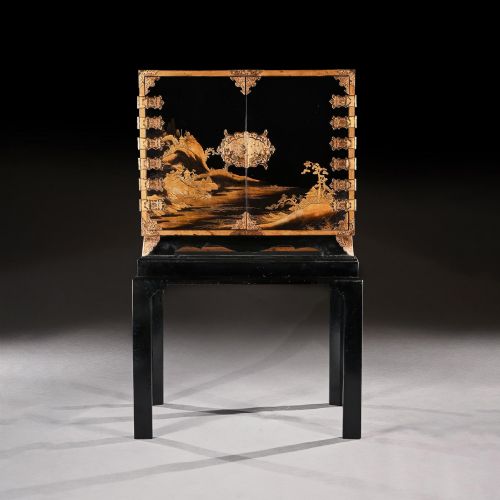
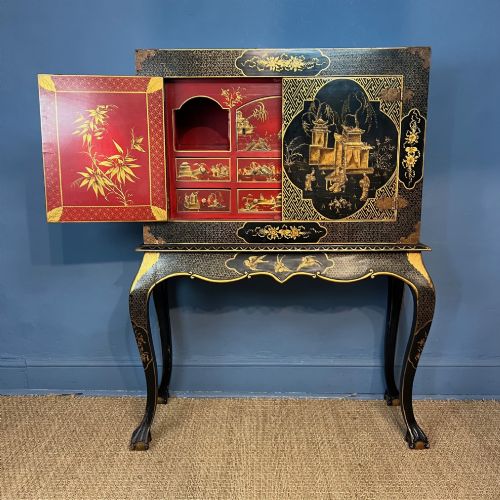
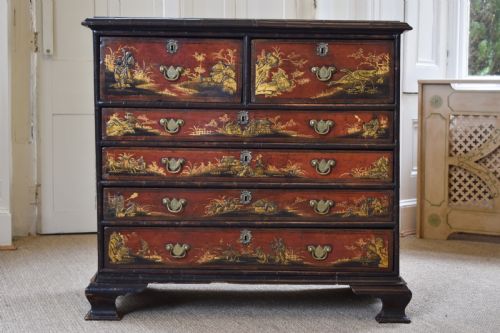
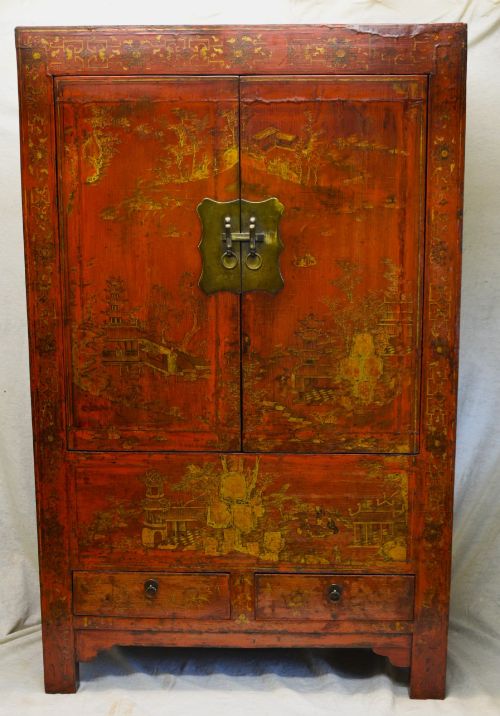
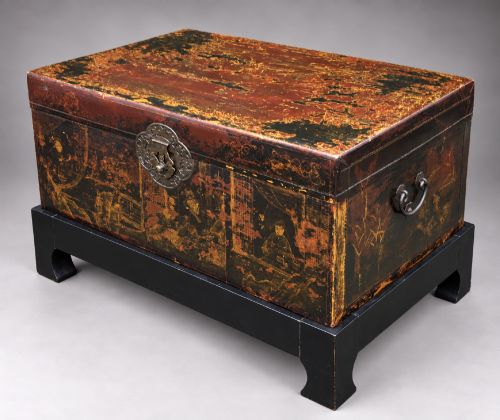
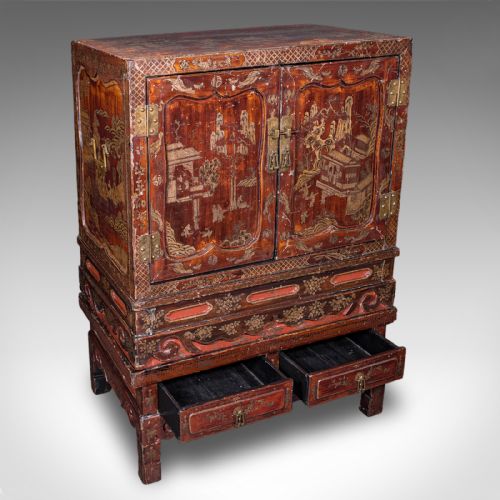
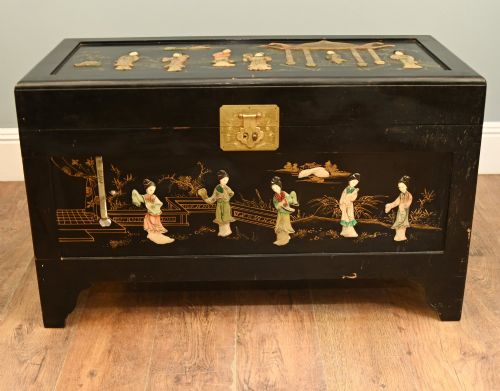
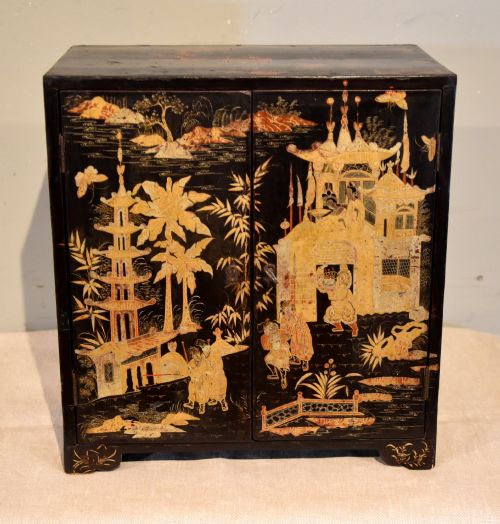
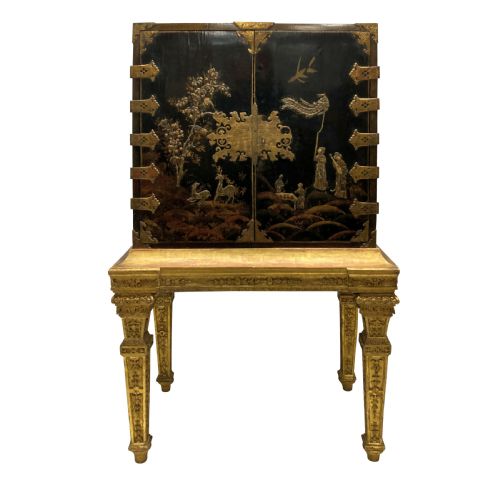
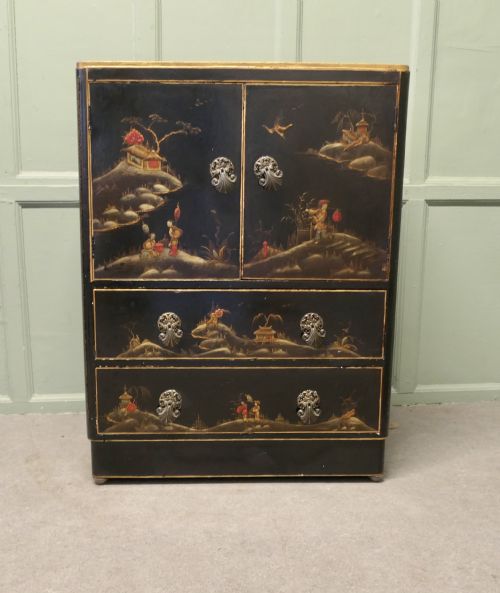
A chinoiserie lacquer chest spans major domestic forms such as cabinets on stands, tea caddies, blanket boxes, and chests of drawers. These pieces emerge across the seventeenth, eighteenth, nineteenth, and twentieth centuries, reflecting changing European tastes for simulated East Asian decoration.
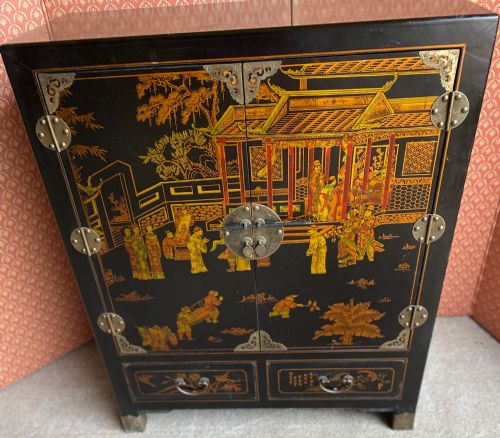
The most frequent examples found in this selection include tall cabinets raised on carved stands, compact table cabinets, storage trunks, and side cupboards. Dating ranges from early William and Mary and Queen Anne periods through Regency iterations to twentieth-century japanned bedroom suites and cocktail cabinets.
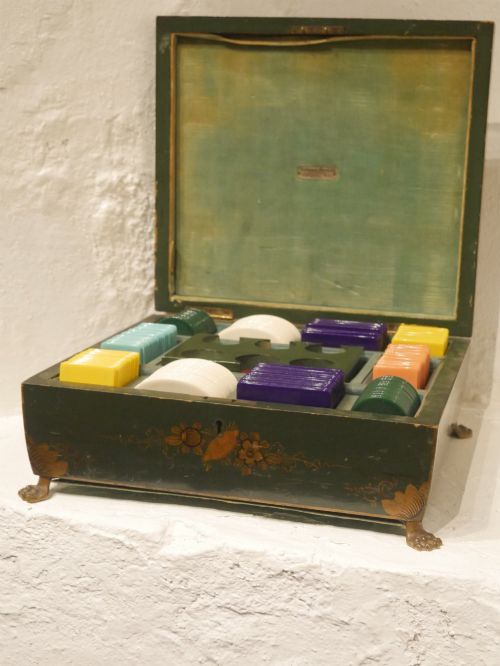
Origins vary between pieces made directly for export in China and European workshops producing japanned furniture in the Chinese taste. Collectors encounter both black ground surfaces and pale cream, red, or green colourways decorated with figures, birds, and floral motifs.
Materials and construction
Makers built these pieces using timber carcases of wood, walnut, or camphor wood, prepared as bases for multiple layers of lacquer. Surfaces received meticulous coats of paint and varnish to build deep, reflective finishes.
Decoration relied heavily on gold leaf, gilt, and penwork to delineate intricate landscapes, figures, and botanical subjects. Brass mounts, handles, and hinges provided structural reinforcement and contrast against the dark or coloured lacquered backgrounds.
Chinoiserie Lacquer Chest Retail Price Guide 2026
Typical asking prices for chinoiserie lacquer chest among the pieces listed under this phrase on Sellingantiques today, from the lower quarter to the upper quarter. They describe what is for sale here now, not the wider market.
Some nineteenth-century chests double as tea caddies, proving that the British appetite for storage matched an equally fierce devotion to tea.
Craftsmanship and preservation
Quality separates pieces by the depth of the lacquer layers and the fineness of the gilt or painted detailing. Superior examples exhibit crisp hand-painted scenes with minimal surface degradation and well-preserved original stands.
The integration of the decorative scheme across both the main chest body and its matching stand dictates the distinction between standard production and exceptional work. Original hardware, intact bone or brass elements, and untouched surface patination elevate individual pieces.
Harrods
The Chinoiserie Lacquer Chest Glossary
- Chinoiserie
- European artistic style reflecting Chinese motifs and techniques. It dominated decorative arts throughout the seventeenth and eighteenth centuries.
- Japanned
- European imitation of East Asian lacquerwork using layered varnish and gold decoration. Artisans applied this technique extensively on furniture during the Georgian era.
- Cabinet on Stand
- A case piece raised on a distinct supporting table frame. This form allowed elaborate storage units to be displayed at height.
- Penwork
- Decorative technique using fine ink lines to create intricate designs on wood surfaces. It appears frequently on Regency tea caddies and small boxes.
- Tea Caddy
- Small container designed for storing loose tea leaves securely. These vessels often featured compartmentalised interiors and decorative exterior lacquer.
Chinoiserie Lacquer Chest: Frequently Asked Questions
What is a chinoiserie lacquer chest?
A chinoiserie lacquer chest is a storage piece finished with glossy varnish and hand-painted oriental motifs. These items range from large cabinets on stands to small tea caddies.
They reflect European fascination with East Asian design over several centuries. Artisans applied layered lacquer and gilt decoration to wood carcases to create decorative furniture.
How were these chests used?
These chests served primarily for storing valuables, textiles, documents, or tea leaves in domestic settings. Larger cabinet forms kept household goods elevated and secure.
Smaller boxes and caddies sat on tables for daily hospitality use. Cocktail cabinets emerged later in the twentieth century to store glassware and bottles.
How do you date a lacquer chest?
Dating relies on the structural form, hardware styles, and the specific characteristics of the lacquer work. Eighteenth-century pieces often feature distinct stand designs and hand-mixed varnishes.
Twentieth-century examples show different colour palettes like pale cream or green alongside modern interior fittings. Cabinet construction and wood types also help confirm the period.
How do I care for lacquer furniture?
Lacquer furniture requires protection from direct sunlight and steady indoor humidity levels to prevent surface cracking. Dusting should be done gently with a soft, dry cloth.
Avoid using harsh chemical polishes or water on antique lacquer surfaces. Professional conservation ensures the delicate gilt and painted details remain stable over time.